The Best Books to Learn English — What 1,405 Graded Titles Taught Us About Reading at Your Level

Editor, English content · Published July 24, 2026
Ever grabbed an English book, felt ready, and drowned on page one? That’s not you being bad at English. We tagged all 1,405 books in our library by level to find out what’s really going on — and the numbers explain everything.
Only 63 of them are actually made for beginners.
The 4.5% problem
Here’s the real breakdown of our catalog:
| Level | Books | Share |
|---|---|---|
| Beginner (A1–A2) | 63 | 4.5% |
| Intermediate (B1–B2) | 828 | 58.9% |
| Advanced (C1–C2) | 514 | 36.6% |
Browse the whole shelf by level — this is where every title below lives:
Look at that top row again. Sixty-three books out of 1,405. And our library isn’t weird — it’s mostly public-domain literature, which is what almost all free English reading is built on. The whole English book world quietly assumes you already read at B1 or higher.
So if you’ve “failed” at reading in English before, now you know why. You finished a beginner course, felt ready, opened a real book, and sank. That’s not a you problem. Almost nothing is written for your level — the shelf you’re standing at was built for someone two levels ahead.
Which means the honest move isn’t “read more.” It’s: find your 4.5% first, and leave the other 95% alone until you’re ready. Here’s how to do that at every stage.
A2 — the narrow door
You’ve got the fewest options here, so be picky. Two things work.
Graded readers. Real books, rewritten to a controlled vocabulary. Oxford Bookworms, Penguin Readers and Cambridge English Readers grade themselves to CEFR, so you pick “A2” and trust it. Yes, they feel a little simple. That’s the point — a book you finish beats a masterpiece you quit.
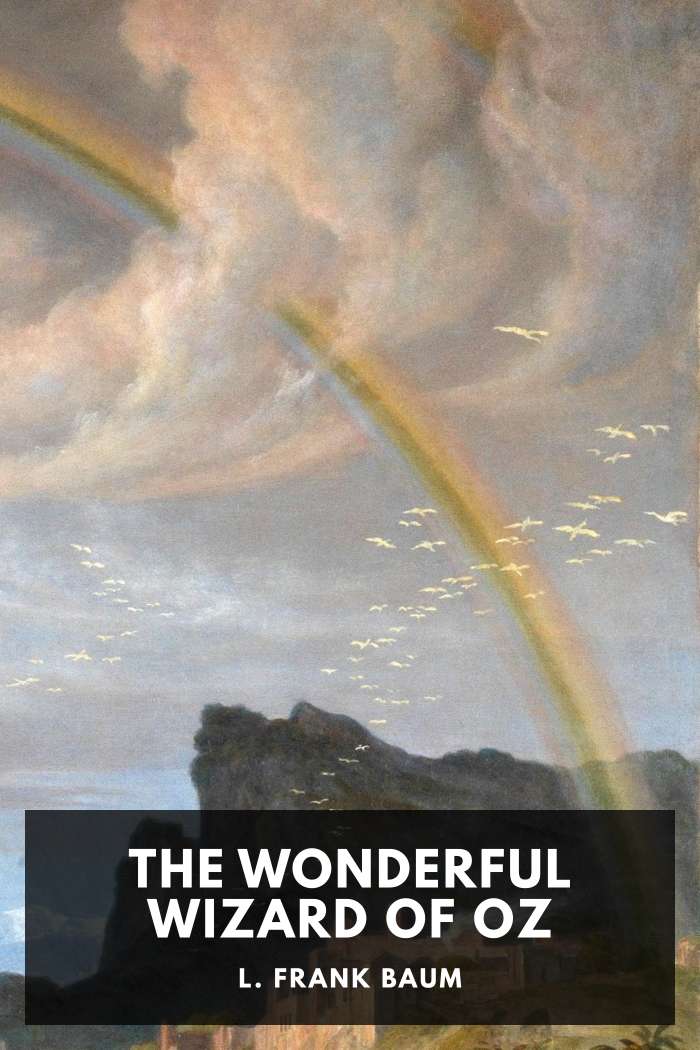
Children’s classics in plain prose. Our beginner shelf leans this way: short chapters, concrete scenes, more dialogue than description. The Wonderful Wizard of Oz and Peter Pan read far easier than they sound.
Quick test for any book: open a random page and count the words you don’t know per 100. More than 5? Too hard for now — put it back, no guilt. That’s the standard extensive-reading rule, and it’s the single most useful thing you can remember. Note that it’s a word-coverage test — about 95% of the words known — which isn’t the same as the “understand 70–80%” comprehension guideline you’ll see for podcasts and video. Reading rewards a higher known-word ratio because there’s no audio or picture to lean on when a word stumps you. (Want a number instead of a guess? Paste any text into our free reading level analyzer and it estimates the CEFR level for you.)
B1–B2 — where the library actually lives
This is the sweet spot. 828 of our 1,405 books sit here, and it’s where reading stops being homework and starts being fun. A few that reliably work:
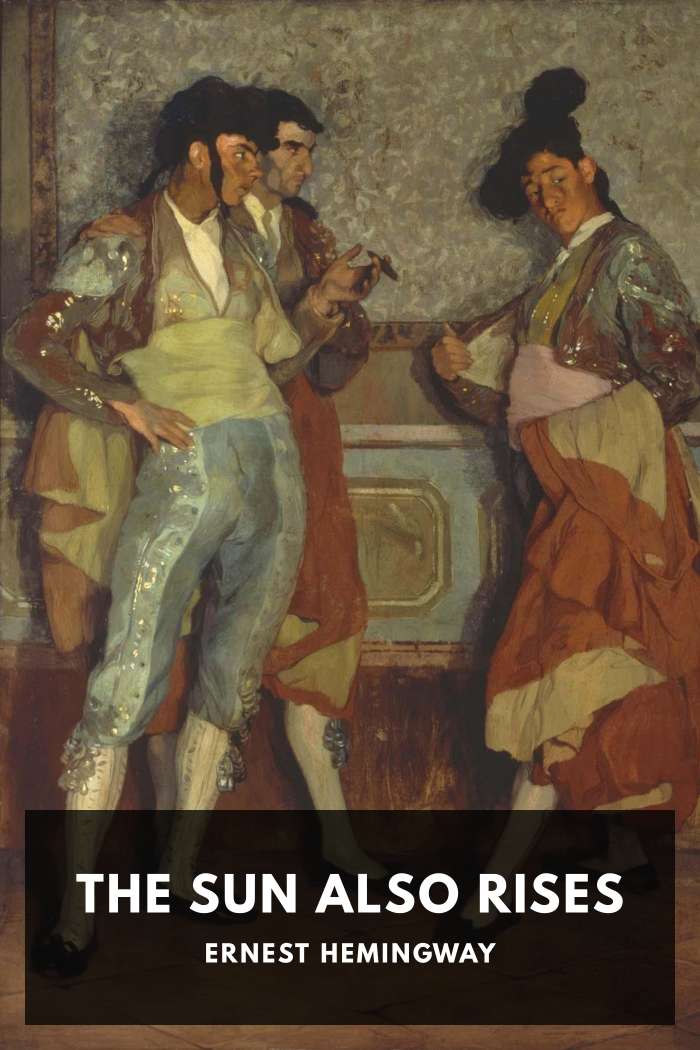
- The Sun Also Rises — Hemingway writes short, plain, gut-punch sentences. His whole style is “use the simplest true word,” and it’s the one we see finished more than almost anything.
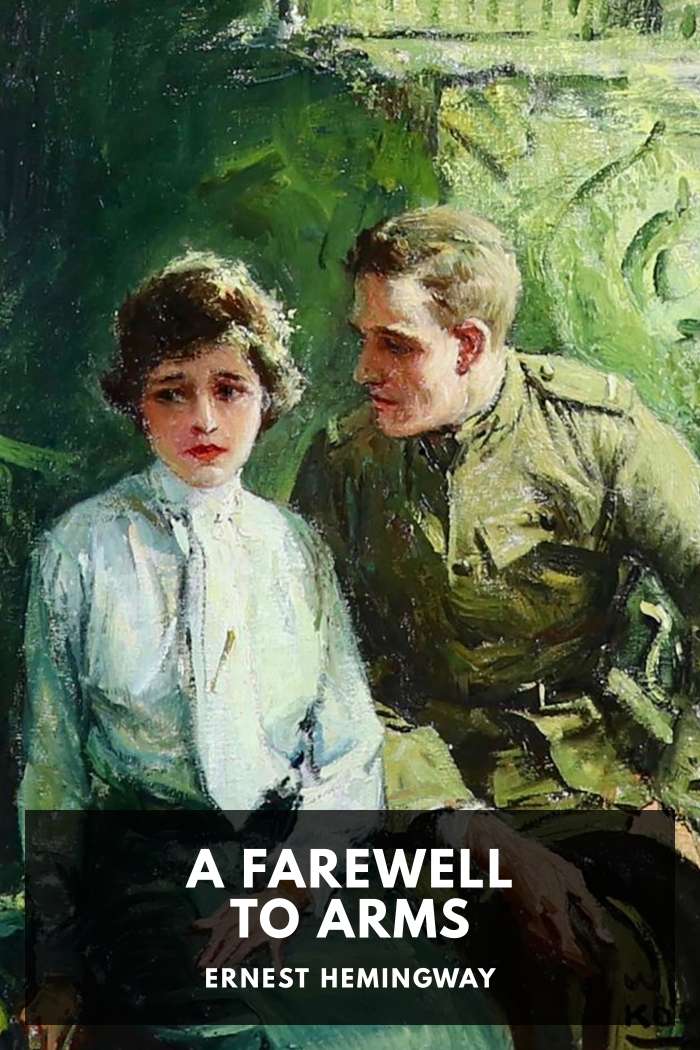
- A Farewell to Arms — more Hemingway, a little longer, just as clear-eyed. If the first one lands, this is the natural next step.
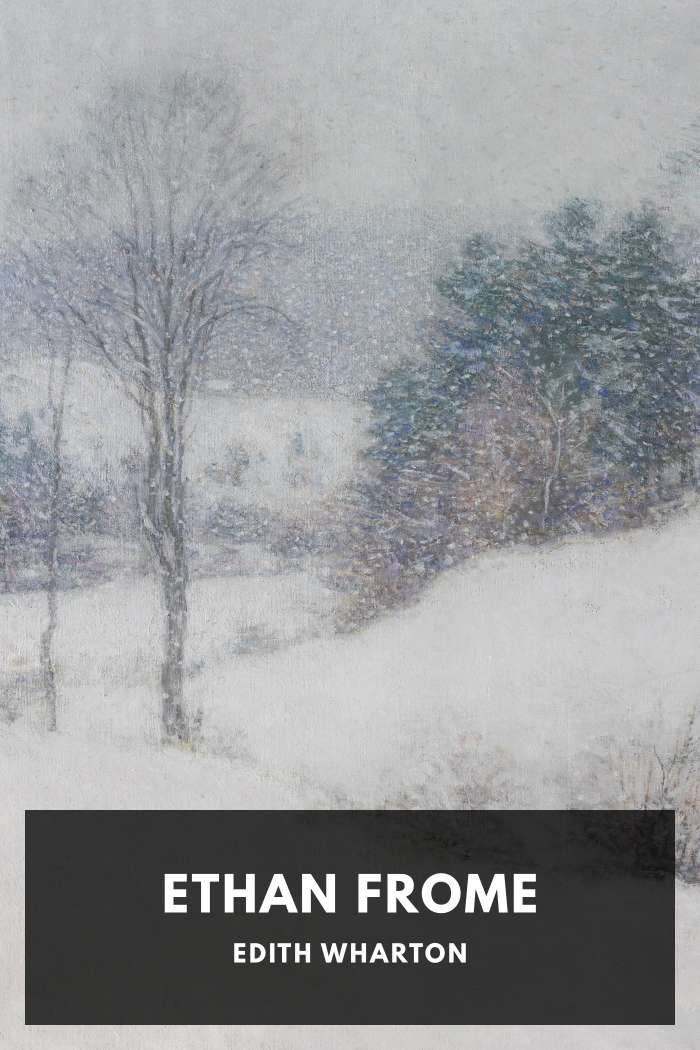
- Ethan Frome — Edith Wharton’s shortest, bleakest story. Plain language, big feeling, and finishable in a couple of evenings.
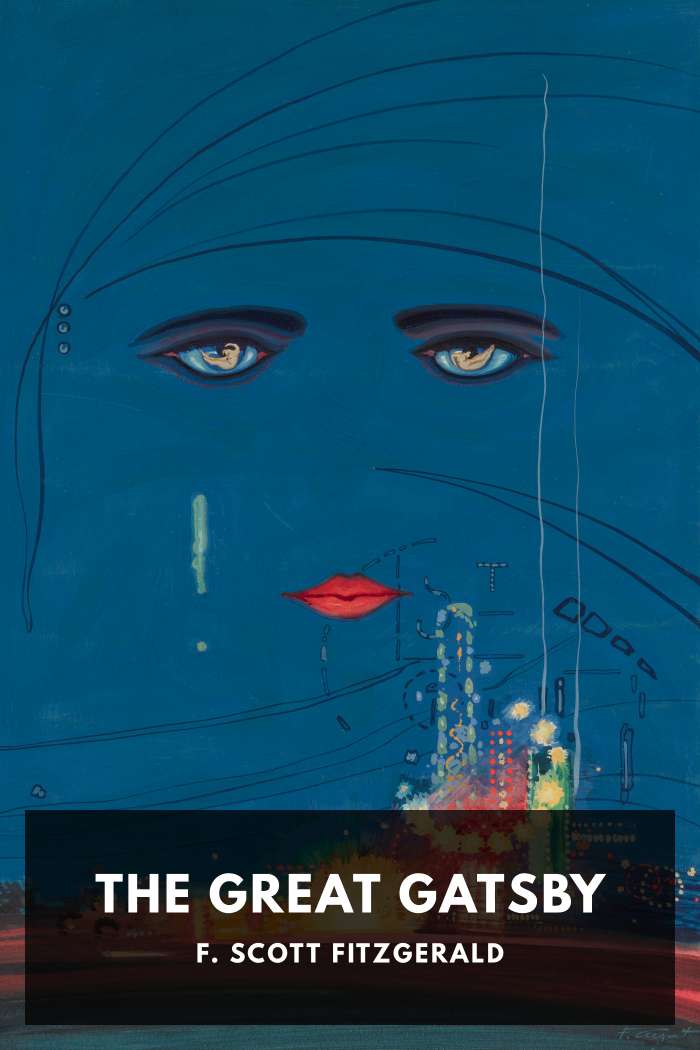
- The Great Gatsby — one step up (B2), beautiful, and short enough to actually finish.
At this level, drop the graded readers and read real books. You’ll hit words you don’t know — that’s the job now. The skill to build: reading through the fog. Guess from context, keep moving, and only stop for a word if the sentence falls apart without it.
C1–C2 — read whatever you want (almost)
514 of our books are advanced, and at C1 the training wheels come off — pick by what interests you, not by level. The one thing that still matters is density. Some writers are hard because of ideas (great, you slow down and think). Others are hard because of ornate style — Faulkner, Woolf, Henry James — and that’s a rougher, more punishing kind of hard.
Want the reward without the punishment? Reach for writers who are hard to match but easy to read — Fitzgerald’s luminous, clear prose in The Great Gatsby, or Hemingway’s spare, load-bearing sentences in The Sun Also Rises — the kind the advanced reading guide breaks down. Want the punishment on purpose? Then open Faulkner.
One honest thing about any book catalog
Here’s what the genre numbers also showed us — and what most lists won’t tell you. 675 of our 1,405 books are “classics” — nearly half the shelf.
| Genre | Books |
|---|---|
| Classic | 675 |
| Mystery | 154 |
| Adventure | 99 |
| Poetry | 85 |
(The full genre-by-level breakdown — all fourteen categories, with the beginner-shelf split — lives in our data study, The State of Reading in English 2026.)
That’s not really a taste choice — it’s a copyright one. Free English books are overwhelmingly pre-1928 literature. And that matters for you in a specific way: older books teach older English. Dickens will grow your vocabulary and also hand you words nobody’s said out loud since 1860. Not useless — but if your goal is to follow a podcast or a work email next month, a modern mystery (we’ve got 154) or some current nonfiction pays off faster than Bleak House.
Match the book to the goal. Studying for exam vocabulary? Classics are gold. Trying to sound like a person in 2026? Go modern.
How to actually read without quitting
The mechanics matter more than the list. People almost never quit because of the book — they quit because of the friction. Every unknown word breaks the flow: stop reading, find a dictionary, type the word, lose the thread, lose the mood, close the book. Never open it again.
Killing that friction is the whole reason we built Hinto: you read inside the app, tap any word to see what it means right there without leaving the page, and the words you save come back later for review so they actually stick. It’s on iOS and Android, and the reading — like the podcasts and YouTube — is free to try.
But honestly? The method works with any tool: read a notch below the level that scares you, don’t stop for every word, and keep a light record of the ones that matter. Do that for a month and you’ll feel it click.
The 63 beginner books are the door. Walk through it before you reach for the other 1,342.
Read these free on Hinto
Frequently asked questions
What level of English do I need to read a real book? +
Most real English books sit at B1 or above. In our 1,405-book library, 59% are intermediate and 37% advanced, with only 4.5% truly beginner-friendly. If you're below B1, start with graded readers (Oxford Bookworms, Penguin Readers) rewritten to a controlled vocabulary, then move up to short real novels.
What are the best books to start reading in English? +
At B1–B2 the most-finished titles are short, plainly written novels: The Sun Also Rises, A Farewell to Arms, Ethan Frome, and The Great Gatsby. They use small vocabularies to carry big stories, so you stay engaged without drowning in unknown words.
How do I know if a book is too hard for me? +
Open a random page and count the words you don't know per 100. More than about 5 and it's too hard for now — pick something a level down. You want to understand roughly 95% of the words so you can read for meaning instead of stopping constantly.
Should I look up every word I don't know? +
No. Read through most unknown words and guess from context; only stop when a sentence doesn't make sense without the word. Save the words that keep recurring and review them later — that's where the vocabulary actually sticks.
Related articles
- English Phrasal Verbs and Idioms — Why Lists Don't Work, and What Does Phrasal verbs and idioms are what make English sound native — and memorizing lists of them barely works. Here's why, plus the method that actually gets them to stick: learning them in real context.
- English Idioms That Actually Come Up — 30 Real Ones, and How to Learn Them The idioms you'll actually hear in real English — grouped by theme, each with a plain meaning and where it shows up. Plus the honest way to learn idioms without sounding like a textbook.
- English for Beginners — An Honest First-Three-Months Plan (A0 to A2) A no-nonsense plan for absolute beginners: what to actually do in your first three months of English, which tools help, and when you're ready to graduate to real content.
- Learning English with Films and Subtitles — The Right Way (and the Wrong One) Films are great English practice — if you use subtitles right. Why native-language subtitles hold you back, which films work at which level, and how to actually learn from what you watch.