English Short Stories for Learners — The Fastest Way to Finish a Real Book in English

Editor, English content · Published July 27, 2026
If you’ve never finished a book in English, start with one you can finish in an afternoon.
That’s the whole case for short stories. A novel asks for weeks of commitment before you feel any payoff — and most learners quit around page 40. A short story gives you the entire experience — beginning, middle, the satisfying end — in one sitting. You finish it. And finishing is the habit that everything else is built on.
We have 32 short-story collections in our library, most of them at intermediate level, plus a deep bench of the classics they come from. Here’s how to use them, level by level.
A2 — your first finished story
At A2, reach for graded short stories or children’s tales with real plot but plain words.
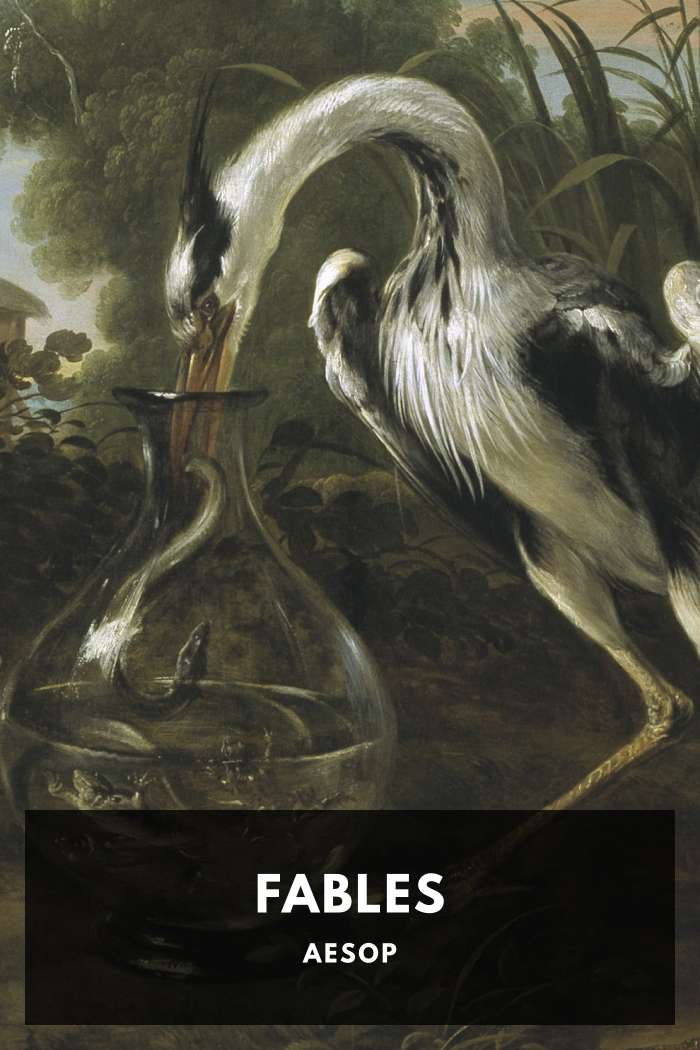
- Aesop’s Fables — tiny, complete, and you already know some of them, which makes the English easy to follow.
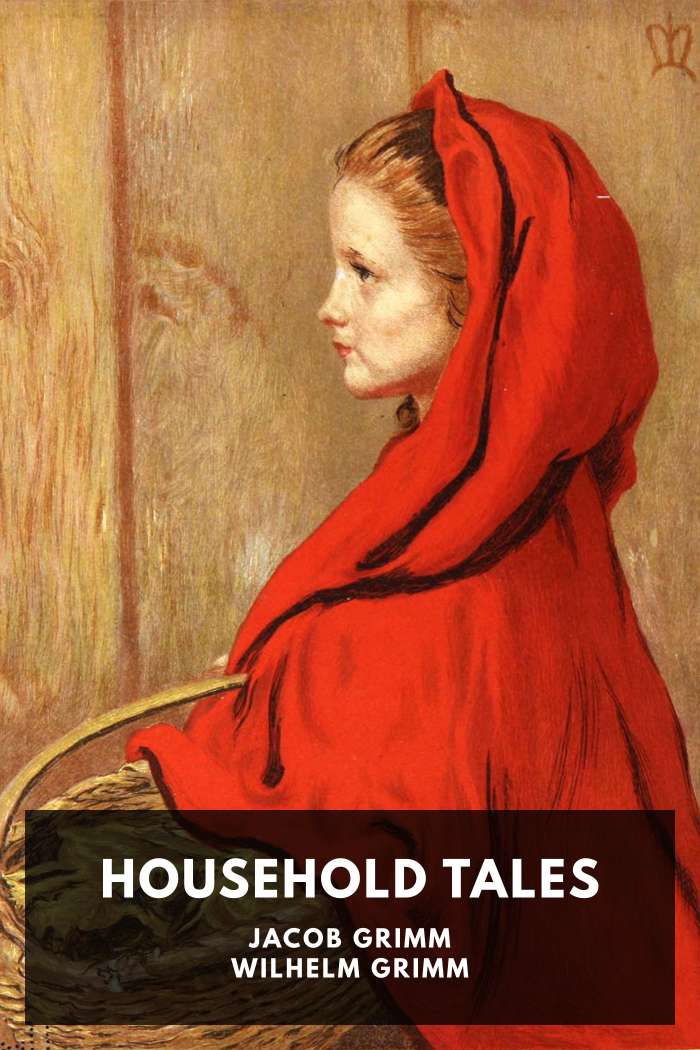
- Grimm’s Household Tales — the fairy tales you already know the plot of, which is exactly what carries you past the unfamiliar words.
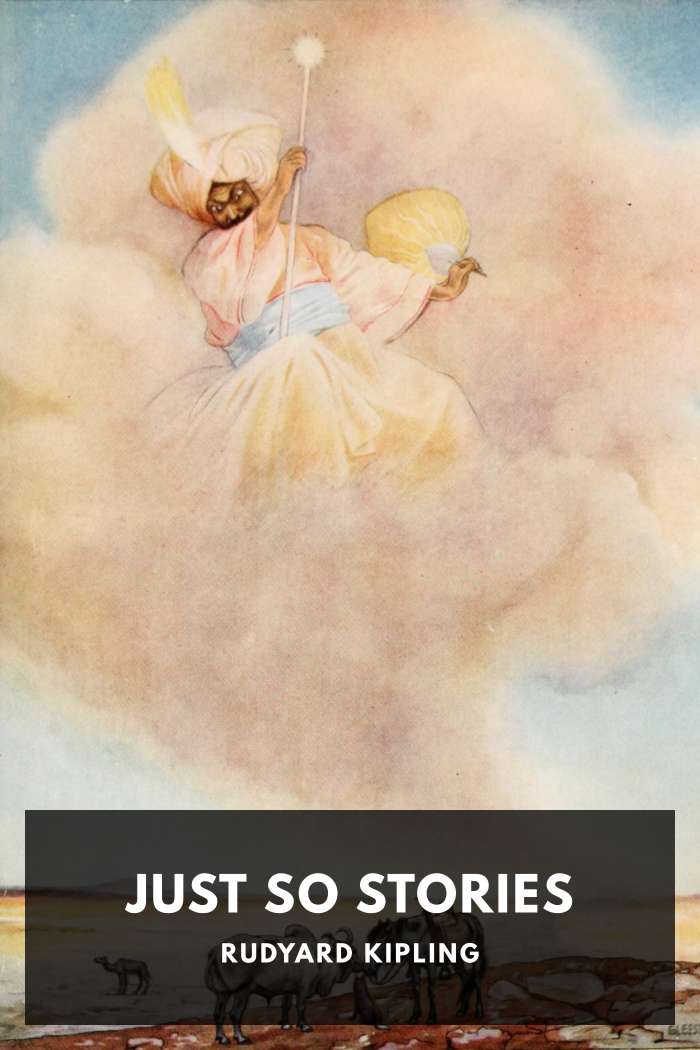
- Rudyard Kipling’s Just So Stories — playful origin stories written to be read aloud, so the rhythm does half the work.
- Oxford Bookworms / Penguin Readers short-story collections — real stories rewritten to a controlled vocabulary, graded to A2 so you can trust the level.
Pick a story, read it start to finish in one go, and don’t stop for every unknown word. The goal isn’t to understand everything. It’s to reach the end and feel the click of I just read a whole story in English.
B1–B2 — the sweet spot
This is where our library lives — 26 of our 32 collections are here, and it’s where short stories become genuinely fun.
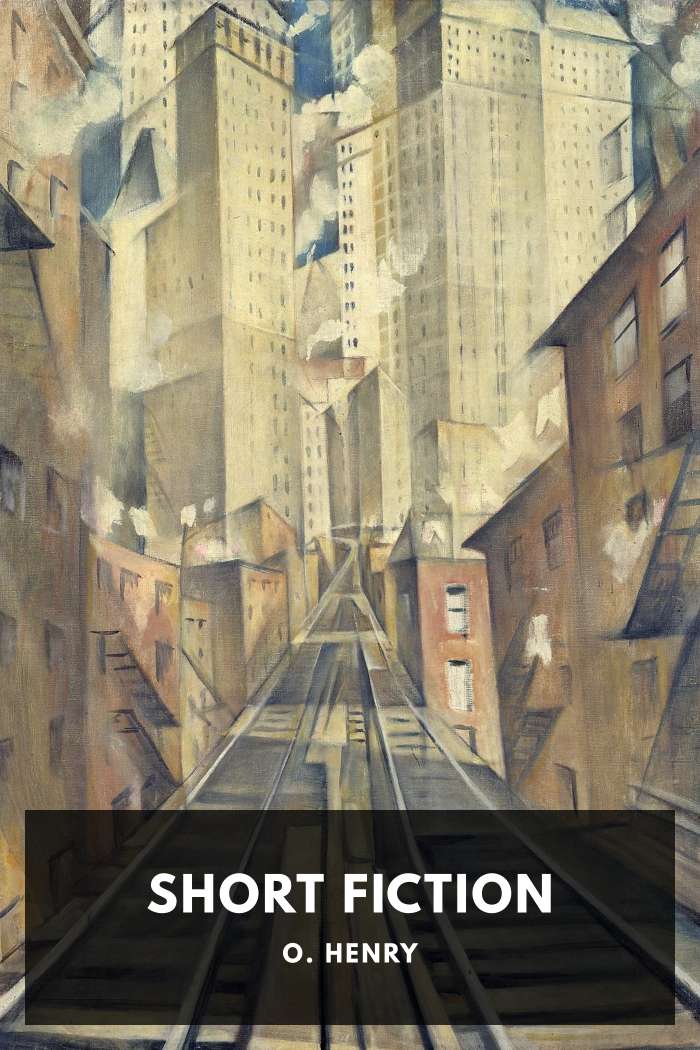
- O. Henry — short, twist endings, plain early-1900s English. “The Gift of the Magi” is the perfect first real story.
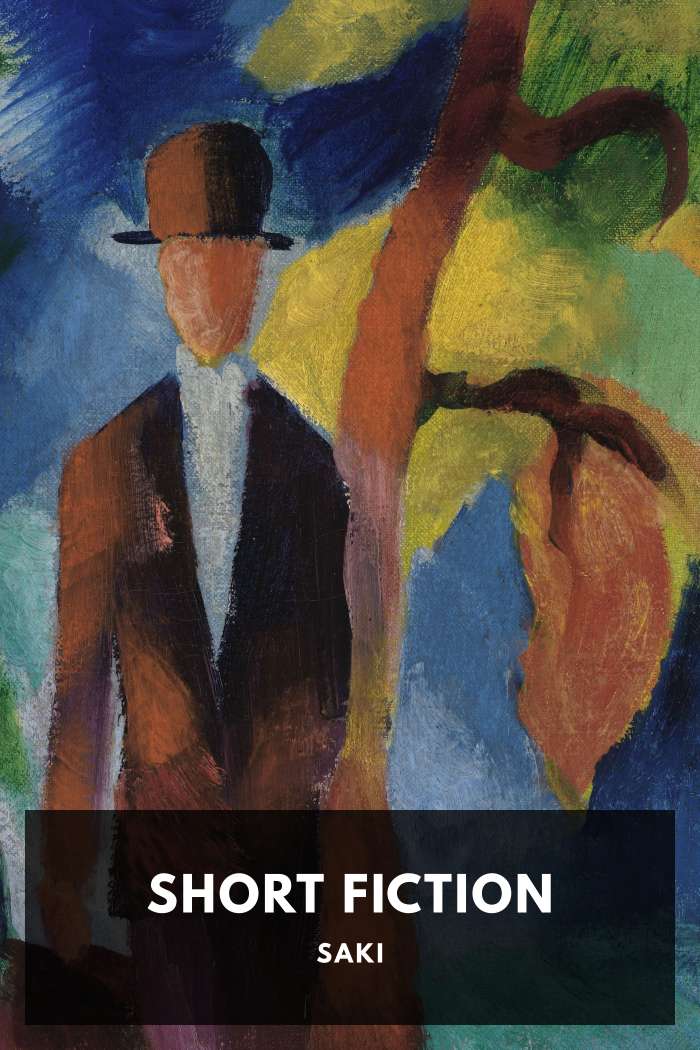
- Saki (H. H. Munro) — dark, funny, and told in clean, simple sentences, each with a sting in the tail.
- Ernest Hemingway — his short stories are the ultimate B1–B2 training: the vocabulary is small, the sentences are short, and the meaning is huge.
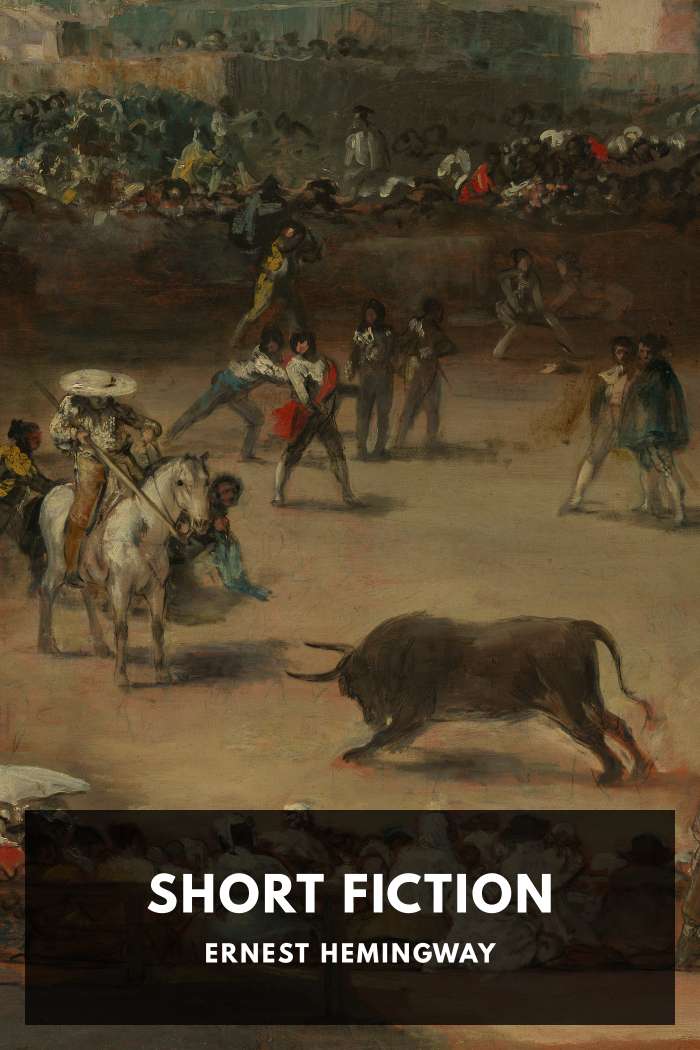
At this level, switch from graded readers to the real thing. You’ll hit unknown words — that’s the point now. Read through them: guess from context, keep going, and only stop when a sentence collapses without the word.
C1 — the best short stories to read now
At C1, short stories stop being practice and become literature you happen to be reading in your second language. The reward is that the greatest short-story writers are also, often, the clearest.
- Anton Chekhov — the master of the plain sentence carrying enormous weight. Almost no hard vocabulary, almost unlimited depth.
- Guy de Maupassant — sharp, unsettling, precise. The prose is direct; the meaning takes a second read.
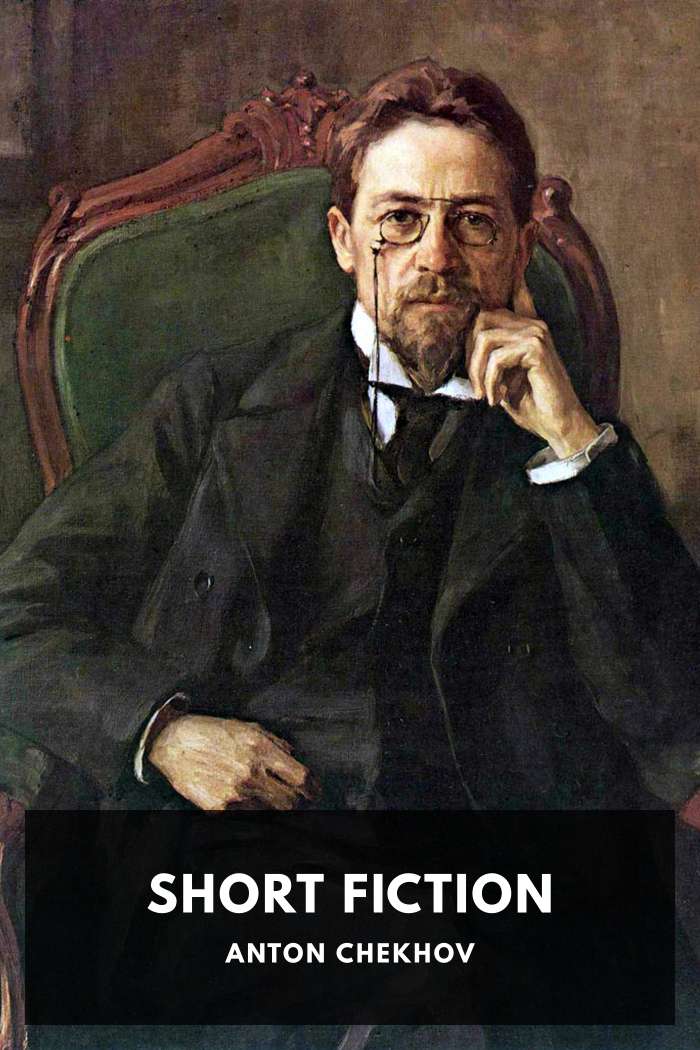

By C1 you shouldn’t need the training wheels. Read for the story; check a word only when you want the precise shade of it, not because you’re lost.
How to read a short story so it actually teaches you
The trick is the second pass. It sounds like extra work; it’s the opposite.
- First read: no stopping. Get to the end. Feel the story. Miss words freely.
- Second read: slow down. Now go back and tap the handful of words that mattered — the ones the story turned on. You’ll remember them because you already care about the sentence they’re in.
- Save those words and see them again in a day or two, while the story’s still warm.
That two-pass loop is why short stories teach faster than novels: they’re short enough to read twice, and the second read is where the vocabulary sticks. We built tap-to-translate and spaced review into Hinto so the whole loop happens without leaving the page — but a paperback and a notebook run the same play.
Why this works
Reading is the highest-leverage habit in language learning, and short stories are the lowest-friction way in. One sitting, one finished story, one small win — repeated until reading in English stops feeling like effort and starts feeling like reading.
Start with one you can finish today.
Read these free on Hinto
Frequently asked questions
Why are short stories good for learning English? +
You finish one in a single sitting, so you actually finish — and finishing is the habit everything else is built on. They're also short enough to read twice, and the second read is where vocabulary sticks. A novel asks weeks of commitment before any payoff; a short story gives you the whole experience in an afternoon.
What are the best C1 short stories to read? +
Anton Chekhov and Guy de Maupassant are the sweet spot: the greatest short-story writers are often also the clearest, and their stories are short enough to read twice. Both use plain, direct sentences to carry a lot of weight, so you can read for the story and check only the words that matter.
What short stories are good for beginners (A2–B1)? +
Start with Aesop's Fables (tiny, complete, often already familiar) and graded short-story collections from Oxford Bookworms or Penguin Readers. At B1, O. Henry's twist-ending stories like The Gift of the Magi use plain early-1900s English that's easy to follow.
How should I read a short story to actually learn from it? +
Read it once with no stopping to reach the end and feel the story. Then read it a second time, slowing down to tap the handful of words the story turned on, and save them for review a day or two later while it's still fresh.
Related articles
- English Tongue Twisters — 17 That Actually Fix Your Pronunciation (by Sound) Tongue twisters aren't just party tricks — they drill the exact English sounds learners struggle with. Here are 17, sorted by the sound they train, each with audio to copy.
- English Phrasal Verbs and Idioms — Why Lists Don't Work, and What Does Phrasal verbs and idioms are what make English sound native — and memorizing lists of them barely works. Here's why, plus the method that actually gets them to stick: learning them in real context.
- English Idioms That Actually Come Up — 30 Real Ones, and How to Learn Them The idioms you'll actually hear in real English — grouped by theme, each with a plain meaning and where it shows up. Plus the honest way to learn idioms without sounding like a textbook.
- English for Beginners — An Honest First-Three-Months Plan (A0 to A2) A no-nonsense plan for absolute beginners: what to actually do in your first three months of English, which tools help, and when you're ready to graduate to real content.