
Tagesnachrichten
The Daily
The New York Times
This is what the news should sound like. The biggest stories of our time, told by the best journalists in the world. Hosted by Michael Barbaro, Rachel Abrams and Natalie Kitroeff. Twenty minutes a day, six days a week, ready by 6 a.m. Subscribe today at nytimes.com/podcasts or on Apple Podcasts and Spotify. You can also subscribe via your favorite podcast app here https://www.nytimes.com/activate-access/audio?source=podcatcher.
 In Hinto öffnen
Folgen zum Englischlernen220
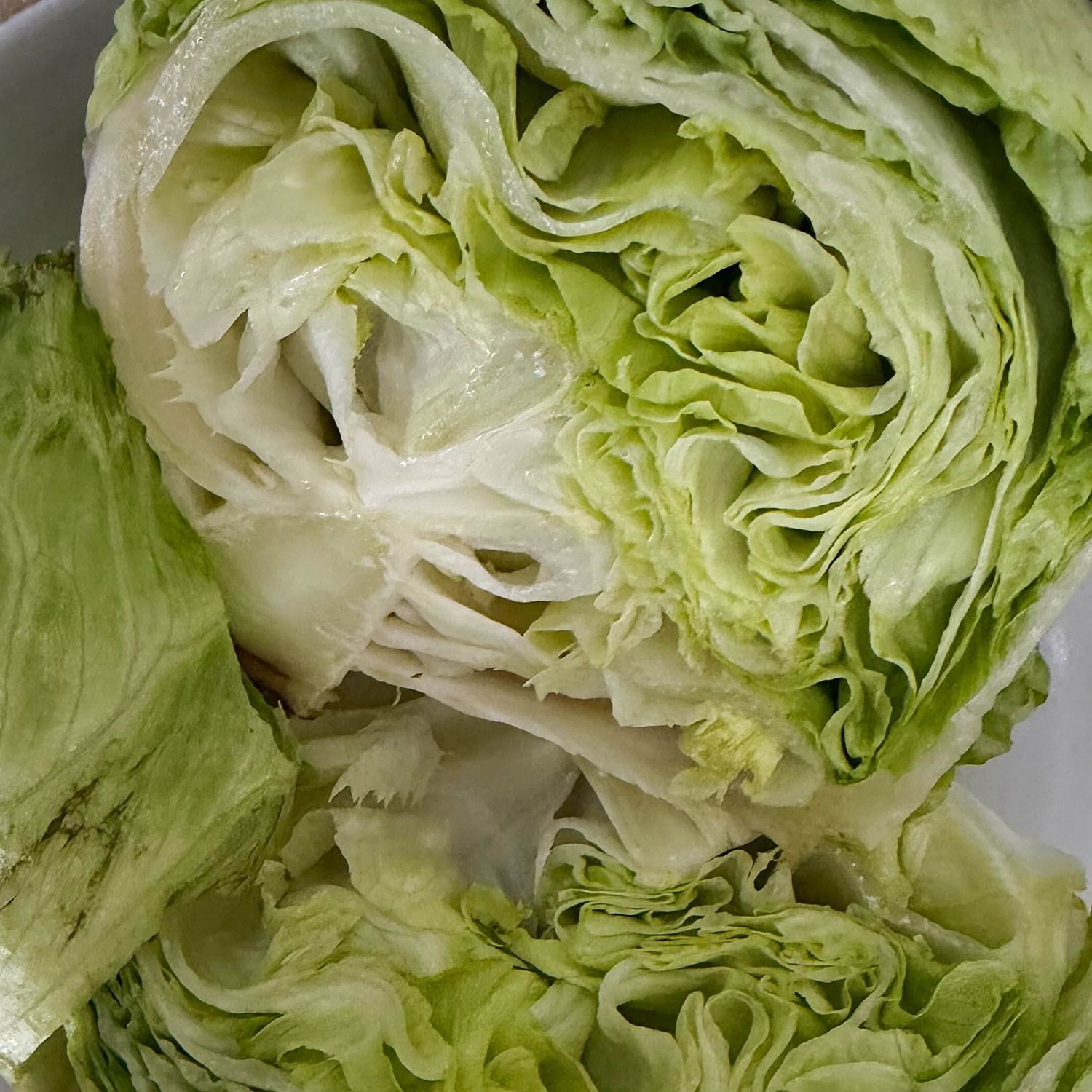
The Cyclospora Mystery: How Human Poop Got on So Much Lettuce
6. Aug. 202630 min<p>U.S. health officials linked six more states to what’s now the largest outbreak of cyclospora in American history — an outbreak that has contributed to at least two deaths, sickened thousands of people and left the rest of us increasingly scared of salad.</p> <p>Today, Christina Jewett and Caroline Hopkins Legaspi, two public health reporters who have covered the parasite for The New York Times, discuss what’s been learned about where it comes from, how it spread so quickly and why our food safety system seems to be powerless to stop it.</p> <p>Guest: </p> <ul> <li><a href="https://www.nytimes.com/by/christina-jewett" target="_blank" rel="noopener noreferrer"><strong>Christina Jewett</strong></a>, covers the Food and Drug Administration for The New York Times.</li> <li><a href="https://www.nytimes.com/by/caroline-hopkins-legaspi" target="_blank" rel="noopener noreferrer"><strong>Caroline Hopkins Legaspi</strong></a>, a health reporter focusing on nutrition and sleep for The New York Times.</li> </ul> <p>Background reading: </p> <ul> <li><a href="https://www.nytimes.com/2026/07/17/business/cyclospora-taylor-farms-lettuce.html" target="_blank" rel="noopener noreferrer">Taco Bell and the food distributor Sysco have pulled Taylor Farms lettuce</a> from supply chains after it was linked to cyclosporiasis.</li> <li>The Centers for Disease Control and Prevention has <a href="https://www.nytimes.com/2026/08/04/well/eat/cdc-cyclospora-outbreak-15-states.html" target="_blank" rel="noopener noreferrer">linked six more states to the cyclospora outbreak associated with iceberg lettuce.</a></li> </ul> <p>Photo: Michelle V. Agins / The New York Times</p> <p>For more information on today’s episode, visit <a href="http://nytimes.com/thedaily?smid=pc-thedaily" rel="noopener noreferrer">nytimes.com/thedaily</a>. Transcripts of each episode will be made available by the next workday. </p> <p><p>Subscribe today at <a href="http://nytimes.com/podcasts">nytimes.com/podcasts</a> or on Apple Podcasts and Spotify. You can also subscribe via your favorite podcast app here <a href="https://www.nytimes.com/activate-access/audio?source=podcatcher">https://www.nytimes.com/activate-access/audio?source=podcatcher</a>. For more podcasts and narrated articles, download The New York Times app at nytimes.com/app.</p></p><br/> <p>Hosted by Simplecast, an AdsWizz company. See <a href="https://pcm.adswizz.com">pcm.adswizz.com</a> for information about our collection and use of personal data for advertising.</p>

Arizona’s Food Stamp Crisis Is Coming for the Rest of the U.S.
5. Aug. 202631 min<p>The United States is undergoing one of the biggest changes to its social safety net in recent history, with huge numbers of people getting dropped from the government’s food assistance program. Nowhere has this been more dramatic than in Arizona.</p> <p>Jason DeParle, who covers poverty for The New York Times, explains why so many people are suddenly losing access to this key benefit, and what implications it could have for the rest of the country.</p> <p>Guest: <a href="https://www.nytimes.com/by/jason-deparle" target="_blank" rel="noopener noreferrer"><strong>Jason DeParle</strong></a>, who writes about poverty in the United States for The New York Times.</p> <p>Background reading: </p> <ul> <li><a href="https://www.nytimes.com/2026/07/20/us/politics/snap-food-stamps-arizona.html" target="_blank" rel="noopener noreferrer">Faced with piles of new paperwork, people are losing food stamps</a>.</li> <li>Video: <a href="https://www.nytimes.com/video/us/100000010943219/what-arizona-reveals-about-the-future-of-food-stamps.html" target="_blank" rel="noopener noreferrer">What Arizona reveals about the future of food stamps</a>.</li> </ul> <p>Photo: Adriana Zehbrauskas for The New York Times</p> <p>For more information on today’s episode, visit <a href="http://nytimes.com/thedaily?smid=pc-thedaily" rel="noopener noreferrer"><strong>nytimes.com/thedaily</strong></a>. Transcripts of each episode will be made available by the next workday. </p> <p><p>Subscribe today at <a href="http://nytimes.com/podcasts">nytimes.com/podcasts</a> or on Apple Podcasts and Spotify. You can also subscribe via your favorite podcast app here <a href="https://www.nytimes.com/activate-access/audio?source=podcatcher">https://www.nytimes.com/activate-access/audio?source=podcatcher</a>. For more podcasts and narrated articles, download The New York Times app at nytimes.com/app.</p></p><br/> <p>Hosted by Simplecast, an AdsWizz company. See <a href="https://pcm.adswizz.com">pcm.adswizz.com</a> for information about our collection and use of personal data for advertising.</p>

Will Michigan Rewrite the Rules of Democratic Politics?
4. Aug. 202641 min<p>In Michigan, a race for U.S. Senate is not only testing the growing appeal of left-wing populism. It could also be a turning point in a long-running debate among Democratic voters about the importance of electability.</p> <p>Michael Kruse, who writes about politics for The New York Times, traveled to Michigan with the producers Asthaa Chaturvedi and Anna Foley of “The Daily” to speak to voters and campaign volunteers.</p> <p>Guest: <a href="https://www.nytimes.com/by/michael-kruse" target="_blank" rel="noopener noreferrer"><strong>Michael Kruse</strong></a>, a politics reporter for The New York Times.</p> <p>Background reading: </p> <ul> <li>Michigan’s tense Democratic Senate race <a href="https://www.nytimes.com/2026/08/03/us/michigan-senate-primary-democrats-el-sayed-stevens.html" target="_blank" rel="noopener noreferrer">poses a big test for a divided party</a>.</li> <li><a href="https://www.nytimes.com/2026/07/27/us/politics/el-sayed-michigan-senate.html" target="_blank" rel="noopener noreferrer">Can a progressive win in a purple state?</a> Abdul El-Sayed wants to find out.</li> </ul> <p>Photo: Nic Antaya for The New York Times</p> <p>For more information on today’s episode, visit <a href="http://nytimes.com/thedaily?smid=pc-thedaily" rel="noopener noreferrer"><strong>nytimes.com/thedaily</strong></a>. Transcripts of each episode will be made available by the next workday. </p> <p><p>Subscribe today at <a href="http://nytimes.com/podcasts">nytimes.com/podcasts</a> or on Apple Podcasts and Spotify. You can also subscribe via your favorite podcast app here <a href="https://www.nytimes.com/activate-access/audio?source=podcatcher">https://www.nytimes.com/activate-access/audio?source=podcatcher</a>. For more podcasts and narrated articles, download The New York Times app at nytimes.com/app.</p></p><br/> <p>Hosted by Simplecast, an AdsWizz company. See <a href="https://pcm.adswizz.com">pcm.adswizz.com</a> for information about our collection and use of personal data for advertising.</p>

The Tangled Tale of the Tate Brothers and the Trumps
3. Aug. 202640 min<p><i>Warning: This episode contains strong language.</i></p> <p>Over the past decade, the Tate brothers have built a global empire around pornography, hypermasculinity and overt misogyny. At the same time, they have been repeatedly accused of assaulting and trafficking women.</p> <p>A Times investigation found that as their legal troubles mounted, the Tates found powerful allies in the Trump family and administration.</p> <p>Megan Twohey, who has been covering the story, explains just how important those alliances became and why they are now starting to unravel.</p> <p>Guest: <a href="https://www.nytimes.com/by/megan-twohey" target="_blank" rel="noopener noreferrer"><strong>Megan Twohey</strong></a>, an investigative reporter for The New York Times.</p> <p>Background reading: </p> <ul> <li><a href="https://www.nytimes.com/2025/12/10/us/andrew-tate-barron-trump-romania.html" target="_blank" rel="noopener noreferrer">How a manosphere star</a> accused of rape and trafficking was freed last year.</li> <li>The Tate brothers were <a href="https://www.nytimes.com/2026/07/18/us/tate-brothers-arrest-miami.html" target="_blank" rel="noopener noreferrer">arrested in Miami last month</a> as the British authorities filed new rape and trafficking charges.</li> <li>The brothers, in federal custody, <a href="https://www.nytimes.com/2026/07/23/us/tate-brothers-trump-tucker-carlson.html" target="_blank" rel="noopener noreferrer">are seeing their powerful backers go quiet</a>.</li> </ul> <p>Photo: Eduard Vinatoru/Inquam Photos, via Reuters</p> <p>For more information on today’s episode, visit <a href="http://nytimes.com/thedaily?smid=pc-thedaily" rel="noopener noreferrer"><strong>nytimes.com/thedaily</strong></a>. Transcripts of each episode will be made available by the next workday. </p> <p><p>Subscribe today at <a href="http://nytimes.com/podcasts">nytimes.com/podcasts</a> or on Apple Podcasts and Spotify. You can also subscribe via your favorite podcast app here <a href="https://www.nytimes.com/activate-access/audio?source=podcatcher">https://www.nytimes.com/activate-access/audio?source=podcatcher</a>. For more podcasts and narrated articles, download The New York Times app at nytimes.com/app.</p></p><br/> <p>Hosted by Simplecast, an AdsWizz company. See <a href="https://pcm.adswizz.com">pcm.adswizz.com</a> for information about our collection and use of personal data for advertising.</p>

After Losing Her Limbs, Our Cooking Columnist Returns to the Kitchen
2. Aug. 202631 min<p>For decades, the kitchen was the centerpiece of Yewande Komolafe’s life. She spent long hours there, first as a restaurant cook and later as a recipe developer. But though she loved the often-intense culinary world, she had to navigate it with certain limitations: She was born with sickle cell disease, an inherited blood disorder, which required her to carefully manage her working life. She did so successfully, becoming a celebrated cookbook author and food writer for The Times.</p> <p>A medical crisis in December 2023 changed all of that. Komolafe ended up in a coma for six weeks, and after emerging learned that both her legs and her fingers would need to be amputated. In this episode of “The Sunday Daily,” Komolafe tells Rachel Abrams about what happened and how, after everything, she made her way back into the kitchen.</p> <p><strong>On Today’s Episode:</strong></p> <p><a href="https://www.nytimes.com/by/yewande-komolafe" target="_blank" rel="noopener noreferrer"><strong>Yewande Komolafe</strong></a> is a cooking columnist for The New York Times.</p> <p><strong>Background Reading:</strong></p> <p><a href="https://www.nytimes.com/2026/01/27/dining/yewande-komolafe-losing-limbs-different-kind-of-cook.html" target="_blank" rel="noopener noreferrer">How Losing My Limbs Turned Me Into a Different Kind of Cook</a></p> <p><a href="https://cooking.nytimes.com/article/chef-accessibility" target="_blank" rel="noopener noreferrer">The Chef Imagining a More Accessible World, One Meal at a Time</a></p> <p>Photo credit: Lanna Apisukh.</p> <p><p>For more information on today’s episode, visit <a href="http://nytimes.com/thedaily?smid=pc-thedaily"><strong>nytimes.com/thedaily</strong></a>. Transcripts of each episode will be made available by the next workday. </p><p> </p><p>Subscribe today at <a href="http://nytimes.com/podcasts">nytimes.com/podcasts</a> or on Apple Podcasts, Spotify and Amazon Music. You can also subscribe via your favorite podcast app here <a href="https://www.nytimes.com/activate-access/audio?source=podcatcher">https://www.nytimes.com/activate-access/audio?source=podcatcher</a>. For more podcasts and narrated articles, download The New York Times app at nytimes.com/app.</p></p><br/> <p>Hosted by Simplecast, an AdsWizz company. See <a href="https://pcm.adswizz.com">pcm.adswizz.com</a> for information about our collection and use of personal data for advertising.</p>

The Fight Tearing Apart Silicon Valley
31. Juli 202627 min<p>For years, a debate has been simmering in Silicon Valley over the right way to build artificial intelligence. Should it be open and free for anyone to use, or should we tightly control how it’s made and who can access it?</p> <p>Mike Isaac, who covers technology for The New York Times, explains why the release of two Chinese models pushed that debate to a boiling point this week, and how it could end up reshaping the future of A.I.</p> <p>Guest: <a href="https://www.nytimes.com/by/mike-isaac" target="_blank" rel="noopener noreferrer"><strong>Mike Isaac</strong></a>, a New York Times reporter based in the San Francisco Bay Area, covering tech companies and Silicon Valley.</p> <p>Background reading: </p> <ul> <li><a href="https://www.nytimes.com/2026/07/25/technology/open-source-silicon-valley-china.html" target="_blank" rel="noopener noreferrer">Silicon Valley splits</a> over closing the borders to Chinese A.I.</li> <li><a href="https://www.nytimes.com/2026/07/28/technology/open-weight-ai.html" target="_blank" rel="noopener noreferrer">What is open-weights A.I.?</a></li> </ul> <p>Photo: Hector Retamal/Agence France-Presse — Getty Images</p> <p>For more information on today’s episode, visit <a href="http://nytimes.com/thedaily?smid=pc-thedaily" rel="noopener noreferrer"><strong>nytimes.com/thedaily</strong></a>. Transcripts of each episode will be made available by the next workday. </p> <p><p>Subscribe today at <a href="http://nytimes.com/podcasts">nytimes.com/podcasts</a> or on Apple Podcasts and Spotify. You can also subscribe via your favorite podcast app here <a href="https://www.nytimes.com/activate-access/audio?source=podcatcher">https://www.nytimes.com/activate-access/audio?source=podcatcher</a>. For more podcasts and narrated articles, download The New York Times app at nytimes.com/app.</p></p><br/> <p>Hosted by Simplecast, an AdsWizz company. See <a href="https://pcm.adswizz.com">pcm.adswizz.com</a> for information about our collection and use of personal data for advertising.</p>

Europe Is Burning
30. Juli 202630 min<p>This summer, wildfires have been raging across Europe. France and Spain have been hit particularly badly, with hundreds of thousands of acres incinerated and entire communities devastated.</p> <p>Chico Harlan, the global climate correspondent for The New York Times, and Mark Landler, the Paris bureau chief, explain how much the continent may need to adapt to climate change.</p> <p>Guest:</p> <ul> <li><a href="https://www.nytimes.com/by/chico-harlan" target="_blank" rel="noopener noreferrer"><strong>Chico Harlan</strong></a>, the global climate correspondent for The New York Times, covering the changing planet.</li> <li><a href="https://www.nytimes.com/by/mark-landler" target="_blank" rel="noopener noreferrer"><strong>Mark Landler</strong></a>, the Paris bureau chief of The New York Times, covering France, trans-Atlantic relations and the future of Europe.</li> </ul> <p>Background reading: </p> <ul> <li>Europe’s summer of reckoning is <a href="https://www.nytimes.com/2026/07/29/world/europe/summer-heat-wave-fires-climate-change.html" target="_blank" rel="noopener noreferrer">“just the beginning.”</a></li> <li>The fires in France and Spain have been <a href="https://www.nytimes.com/interactive/2026/07/28/world/europe/france-spain-wildfires-2026-fire-season.html" target="_blank" rel="noopener noreferrer">breaking modern records</a>.</li> </ul> <p>Photo: Baz Ratner/Agence France-Presse — Getty Images</p> <p>For more information on today’s episode, visit <a href="http://nytimes.com/thedaily?smid=pc-thedaily" rel="noopener noreferrer"><strong>nytimes.com/thedaily</strong></a>. Transcripts of each episode will be made available by the next workday. </p> <p><p>Subscribe today at <a href="http://nytimes.com/podcasts">nytimes.com/podcasts</a> or on Apple Podcasts and Spotify. You can also subscribe via your favorite podcast app here <a href="https://www.nytimes.com/activate-access/audio?source=podcatcher">https://www.nytimes.com/activate-access/audio?source=podcatcher</a>. For more podcasts and narrated articles, download The New York Times app at nytimes.com/app.</p></p><br/> <p>Hosted by Simplecast, an AdsWizz company. See <a href="https://pcm.adswizz.com">pcm.adswizz.com</a> for information about our collection and use of personal data for advertising.</p>

Israel, AIPAC and Difficult Questions for Democrats
29. Juli 202640 min<p>The American Israel Public Affairs Committee, a pro-Israel lobbying group known as AIPAC, has spent a record amount of money in this year’s midterm elections to either oust or support candidates based on their support of Israel.</p> <p>Jonathan Mahler, a writer for The New York Times Magazine, discusses the new litmus test for the left at a time when the United States’ relationship with Israel is under scrutiny.</p> <p>Guest: <a href="https://www.nytimes.com/by/jonathan-mahler" target="_blank" rel="noopener noreferrer"><strong>Jonathan Mahler</strong></a>, a staff writer for The New York Times Magazine covering a wide range of topics, including politics, entertainment, education, media, the law and sports.</p> <p>Background reading: </p> <ul> <li>AIPAC wants Democrats to back Israel. <a href="https://www.nytimes.com/2026/06/12/magazine/aipac-democrats-israel.html" target="_blank" rel="noopener noreferrer">Instead, they’re turning on the group</a>.</li> </ul> <p>Photo: Cheriss May/Sipa, via Associated Press Images</p> <p>For more information on today’s episode, visit <a href="http://nytimes.com/thedaily?smid=pc-thedaily" rel="noopener noreferrer"><strong>nytimes.com/thedaily</strong></a>. Transcripts of each episode will be made available by the next workday. </p> <p><p>Subscribe today at <a href="http://nytimes.com/podcasts">nytimes.com/podcasts</a> or on Apple Podcasts and Spotify. You can also subscribe via your favorite podcast app here <a href="https://www.nytimes.com/activate-access/audio?source=podcatcher">https://www.nytimes.com/activate-access/audio?source=podcatcher</a>. For more podcasts and narrated articles, download The New York Times app at nytimes.com/app.</p></p><br/> <p>Hosted by Simplecast, an AdsWizz company. See <a href="https://pcm.adswizz.com">pcm.adswizz.com</a> for information about our collection and use of personal data for advertising.</p>

The Iranians Who Want More War
28. Juli 202629 min<p>Fractures in Tehran are pitting a faction favoring negotiation with Washington against hard-liners who oppose making a deal with the United States. </p> <p>Guest:</p> <ul> <li><a href="https://www.nytimes.com/by/abdi-latif-dahir" target="_blank" rel="noopener noreferrer"><strong>Abdi Latif Dahir</strong></a>, a Middle East correspondent for The New York Times, covering Lebanon and Syria.</li> <li><a href="https://www.nytimes.com/by/farnaz-fassihi" target="_blank" rel="noopener noreferrer"><strong>Farnaz Fassihi</strong></a>, the United Nations bureau chief for The New York Times. She also covers Iran and how countries around the world deal with conflicts in the Middle East.</li> </ul> <p>Background reading: </p> <ul> <li>What <a href="https://www.nytimes.com/2026/07/25/world/middleeast/iran-war-journey-scars.html" target="_blank" rel="noopener noreferrer">a journey through wartime Iran</a> revealed.</li> <li><a href="https://www.nytimes.com/2026/07/08/world/middleeast/iran-divisions-us-leaders.html" target="_blank" rel="noopener noreferrer">Divisions festered within Iran</a> over talks with the United States.</li> </ul> <p>Photo: Agence France-Presse — Getty Images</p> <p>For more information on today’s episode, visit <a href="http://nytimes.com/thedaily?smid=pc-thedaily" rel="noopener noreferrer"><strong>nytimes.com/thedaily</strong></a>. Transcripts of each episode will be made available by the next workday. </p> <p><p>Subscribe today at <a href="http://nytimes.com/podcasts">nytimes.com/podcasts</a> or on Apple Podcasts and Spotify. You can also subscribe via your favorite podcast app here <a href="https://www.nytimes.com/activate-access/audio?source=podcatcher">https://www.nytimes.com/activate-access/audio?source=podcatcher</a>. For more podcasts and narrated articles, download The New York Times app at nytimes.com/app.</p></p><br/> <p>Hosted by Simplecast, an AdsWizz company. See <a href="https://pcm.adswizz.com">pcm.adswizz.com</a> for information about our collection and use of personal data for advertising.</p>
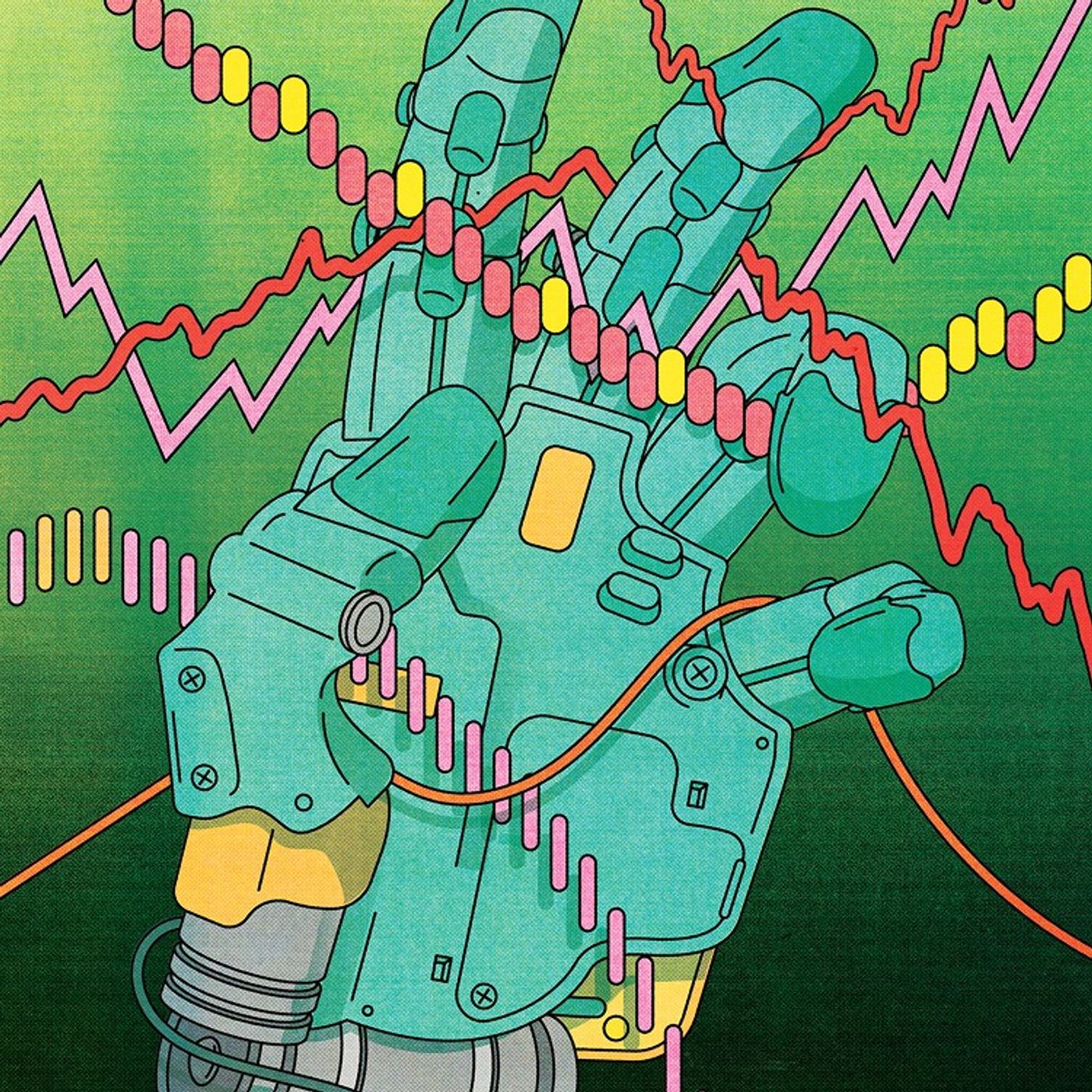
What A.I. Is Actually Doing to the Economy
27. Juli 202634 min<p>As artificial intelligence becomes more advanced, people are getting more nervous about how it could change the economy and their jobs.</p> <p>Ben Casselman, the chief economics correspondent for The New York Times, explains why A.I.’s impact is so hard to pin down and what we can learn from the tech disruptions of the past.</p> <p>Guest: <a href="https://www.nytimes.com/by/ben-casselman" target="_blank" rel="noopener noreferrer"><strong>Ben Casselman</strong></a>, the chief economics correspondent for The New York Times.</p> <p>Background reading: </p> <ul> <li><a href="https://www.nytimes.com/by/ben-casselman" target="_blank" rel="noopener noreferrer"><strong>Ben Casselman</strong></a>, the chief economics correspondent for The New York Times.</li> </ul> <p>Photo: George Wylesol</p> <p>For more information on today’s episode, visit <a href="http://nytimes.com/thedaily?smid=pc-thedaily" rel="noopener noreferrer"><strong>nytimes.com/thedaily</strong></a>. Transcripts of each episode will be made available by the next workday. </p> <p><p>Subscribe today at <a href="http://nytimes.com/podcasts">nytimes.com/podcasts</a> or on Apple Podcasts and Spotify. You can also subscribe via your favorite podcast app here <a href="https://www.nytimes.com/activate-access/audio?source=podcatcher">https://www.nytimes.com/activate-access/audio?source=podcatcher</a>. For more podcasts and narrated articles, download The New York Times app at nytimes.com/app.</p></p><br/> <p>Hosted by Simplecast, an AdsWizz company. See <a href="https://pcm.adswizz.com">pcm.adswizz.com</a> for information about our collection and use of personal data for advertising.</p>

Why Do Some Memories Survive Dementia?
26. Juli 202629 min<p>When the Times reporter Ellen Barry’s father developed dementia after a fall, her family spent years trying to manage his erratic behavior and confusion. They struggled to convince him that he was home, he was safe, and he shouldn’t try to leave. The experience was exasperating and impossible to understand.</p> <p>Today, Ellen tells the story of those years, and of how she discovered scientific research that helped explain everything her family had lived through — research that could potentially help to save precious memories from being lost forever.</p> <p><strong>On Today’s Episode</strong></p> <p><a href="https://www.nytimes.com/by/ellen-barry" target="_blank" rel="noopener noreferrer"><strong>Ellen Barry</strong></a>, a mental health reporter for The New York Times</p> <p><strong>Background Reading</strong></p> <p><a href="https://www.nytimes.com/2026/05/07/science/dementia-memory-brain-injury.html" target="_blank" rel="noopener noreferrer">When My Father’s Canary Flew Away</a></p> <p><p>For more information on today’s episode, visit <a href="http://nytimes.com/thedaily?smid=pc-thedaily"><strong>nytimes.com/thedaily</strong></a>. Transcripts of each episode will be made available by the next workday. </p><p> </p><p>Subscribe today at <a href="http://nytimes.com/podcasts">nytimes.com/podcasts</a> or on Apple Podcasts, Spotify and Amazon Music. You can also subscribe via your favorite podcast app here <a href="https://www.nytimes.com/activate-access/audio?source=podcatcher">https://www.nytimes.com/activate-access/audio?source=podcatcher</a>. For more podcasts and narrated articles, download The New York Times app at nytimes.com/app.</p></p><br/> <p>Hosted by Simplecast, an AdsWizz company. See <a href="https://pcm.adswizz.com">pcm.adswizz.com</a> for information about our collection and use of personal data for advertising.</p>

Karl-Anthony Towns Knows the Knicks' Win Was Bigger Than Basketball
25. Juli 202639 min<p>New York’s star center on playing for his mom, Patrick Ewing. generations of emotional fans — and himself.</p> <ul> <li>Thoughts? Email us at <strong>theinterview@nytimes.com</strong></li> <li>Watch our show on YouTube: <a href="https://www.youtube.com/@theinterviewpodcast" rel="noopener noreferrer"><strong>youtube.com/@TheInterviewPodcast</strong></a></li> <li>For transcripts and more, visit: <a href="https://www.nytimes.com/column/the-interview" rel="noopener noreferrer"><strong>nytimes.com/theinterview</strong></a></li> </ul> <p><p>Subscribe today at <a href="http://nytimes.com/podcasts">nytimes.com/podcasts</a> or on Apple Podcasts and Spotify. You can also subscribe via your favorite podcast app here <a href="https://www.nytimes.com/activate-access/audio?source=podcatcher">https://www.nytimes.com/activate-access/audio?source=podcatcher</a>. For more podcasts and narrated articles, download The New York Times app at nytimes.com/app.</p></p><br/> <p>Hosted by Simplecast, an AdsWizz company. See <a href="https://pcm.adswizz.com">pcm.adswizz.com</a> for information about our collection and use of personal data for advertising.</p>
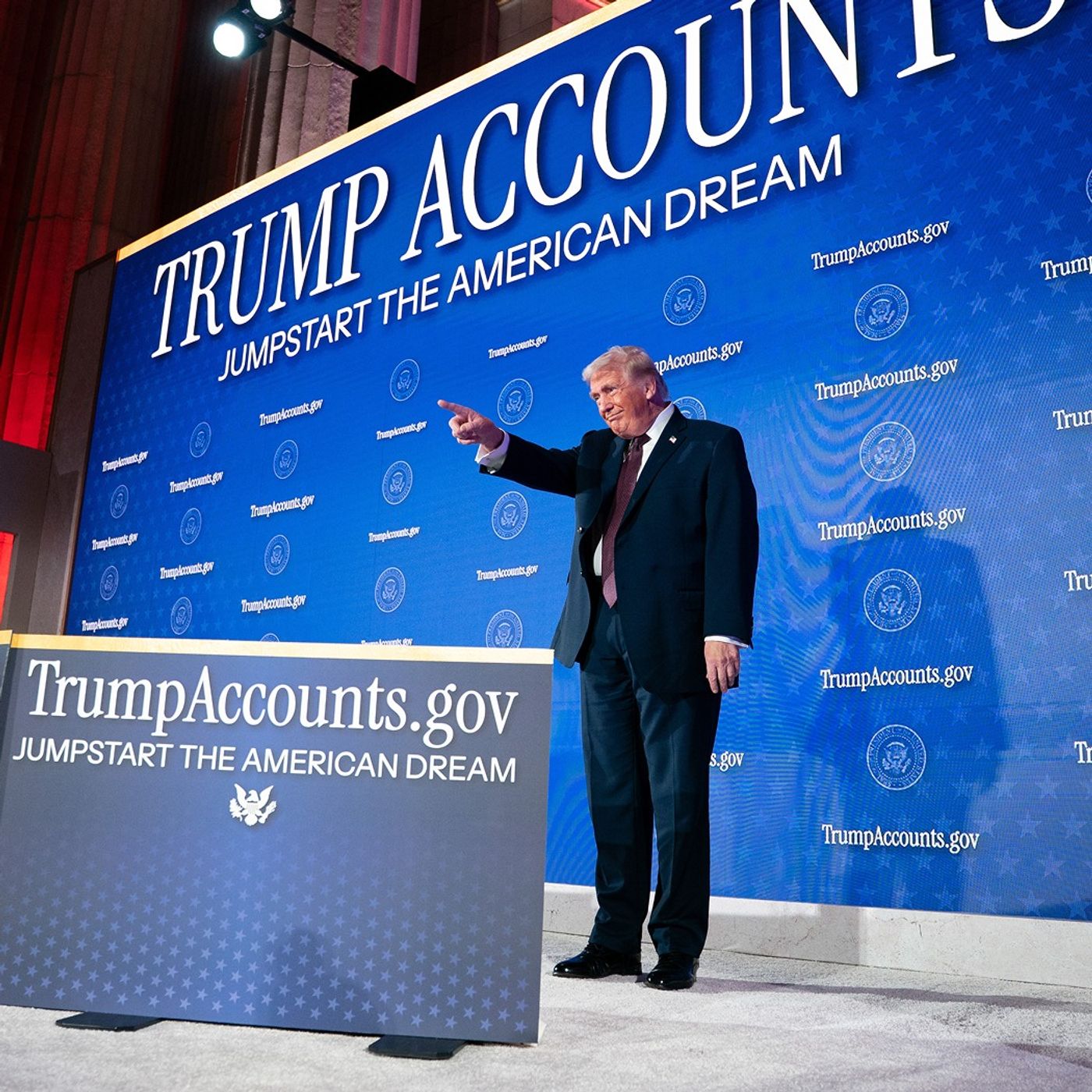
Could ‘Trump Accounts’ Actually Close the Wealth Gap?
24. Juli 202631 min<p>This month, President Trump announced the start of “Trump accounts,” an investment device that could eventually help address the nation’s wealth gap.</p> <p>Claire Cain Miller, who covers families and education for The New York Times, explains how these accounts work and why so many Americans have yet to sign up.</p> <p>Guest: <a href="https://www.nytimes.com/by/claire-cain-miller" target="_blank" rel="noopener noreferrer"><strong>Claire Cain Miller</strong></a> writes for <a href="https://www.nytimes.com/section/upshot" target="_blank" rel="noopener noreferrer">The Upshot</a>, which uses data and visuals to help explain the world.</p> <p>Background reading: </p> <ul> <li>Many children don’t have Trump accounts. <a href="https://www.nytimes.com/2026/07/02/upshot/trump-investment-accounts-children.html" target="_blank" rel="noopener noreferrer">Some are missing out on $1,000</a>.</li> </ul> <p>Photo: Allison Robbert for The New York Times</p> <p>For more information on today’s episode, visit <a href="http://nytimes.com/thedaily?smid=pc-thedaily" rel="noopener noreferrer"><strong>nytimes.com/thedaily</strong></a>. Transcripts of each episode will be made available by the next workday. </p> <p><p>Subscribe today at <a href="http://nytimes.com/podcasts">nytimes.com/podcasts</a> or on Apple Podcasts and Spotify. You can also subscribe via your favorite podcast app here <a href="https://www.nytimes.com/activate-access/audio?source=podcatcher">https://www.nytimes.com/activate-access/audio?source=podcatcher</a>. For more podcasts and narrated articles, download The New York Times app at nytimes.com/app.</p></p><br/> <p>Hosted by Simplecast, an AdsWizz company. See <a href="https://pcm.adswizz.com">pcm.adswizz.com</a> for information about our collection and use of personal data for advertising.</p>

Why Is the U.S. Building the Saudi Nuclear Program While Destroying Iran’s?
23. Juli 202625 min<p>The United States signed a landmark deal on Wednesday that allows Saudi Arabia to develop a nuclear program. At the same time, President Trump is escalating the war in Iran, a conflict that the White House says aims to destroy the country’s nuclear capabilities.</p> <p>David E. Sanger, a national security correspondent for The New York Times, explains what Saudi Arabia and the United States are getting out of the deal.</p> <p>Guest: <a href="https://www.nytimes.com/by/david-e-sanger" target="_blank" rel="noopener noreferrer"><strong>David E. Sanger</strong></a>, the White House and national security correspondent for The New York Times.</p> <p>Background reading: </p> <ul> <li><a href="https://www.nytimes.com/2026/07/22/us/trump-saudi-nuclear-deal.html" target="_blank" rel="noopener noreferrer">The United States signed a deal</a> to help Saudi Arabia obtain nuclear power.</li> <li>With his latest threats, <a href="https://www.nytimes.com/2026/07/21/us/politics/trump-iran-threats.html" target="_blank" rel="noopener noreferrer">Mr. Trump has signaled to Iran that he is willing to escalate</a>.</li> </ul> <p>Photo: Kenny Holston/The New York Times</p> <p>For more information on today’s episode, visit <a href="http://nytimes.com/thedaily?smid=pc-thedaily" rel="noopener noreferrer"><strong>nytimes.com/thedaily</strong></a>. Transcripts of each episode will be made available by the next workday. </p> <p><p>Subscribe today at <a href="http://nytimes.com/podcasts">nytimes.com/podcasts</a> or on Apple Podcasts and Spotify. You can also subscribe via your favorite podcast app here <a href="https://www.nytimes.com/activate-access/audio?source=podcatcher">https://www.nytimes.com/activate-access/audio?source=podcatcher</a>. For more podcasts and narrated articles, download The New York Times app at nytimes.com/app.</p></p><br/> <p>Hosted by Simplecast, an AdsWizz company. See <a href="https://pcm.adswizz.com">pcm.adswizz.com</a> for information about our collection and use of personal data for advertising.</p>
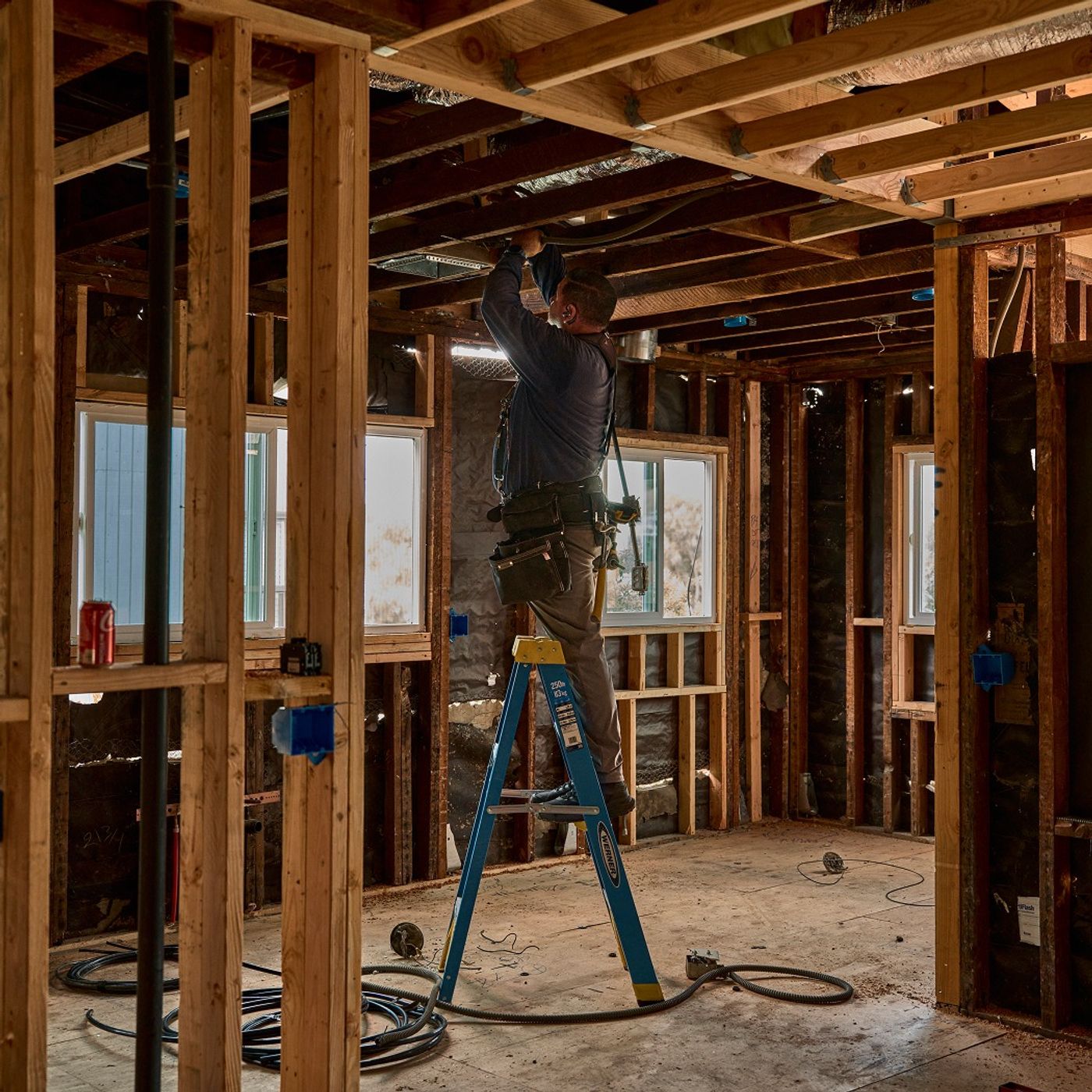
Trump’s Clashing Goals: More Housing, Fewer Immigrants
22. Juli 202636 min<p>To address the United States’ acute housing shortage, Congress recently passed a landmark piece of legislation designed to encourage the construction of new homes.</p> <p>The problem is that President Trump’s crackdown on immigration has taken aim at the work force required to build those homes.</p> <p>Ronda Kaysen, who covers housing for The New York Times, explains how the U.S. housing industry became so dependent on immigrant labor.</p> <p>Guest: <a href="https://www.nytimes.com/by/ronda-kaysen" target="_blank" rel="noopener noreferrer"><strong>Ronda Kaysen</strong></a>, a real estate reporter for The New York Times who covers the intersection of housing and society.</p> <p>Background reading: </p> <ul> <li><a href="https://www.nytimes.com/2026/01/14/upshot/home-construction-roofers-immigration.html" target="_blank" rel="noopener noreferrer">Where did all the American-born roofers go</a>?</li> <li><a href="https://www.nytimes.com/2026/07/11/business/economy/housing-bill-affordability.html" target="_blank" rel="noopener noreferrer">Here’s what is in the housing bill</a> that just became law.</li> </ul> <p>Photo: Philip Cheung for The New York Times</p> <p>For more information on today’s episode, visit <a href="http://nytimes.com/thedaily?smid=pc-thedaily" rel="noopener noreferrer"><strong>nytimes.com/thedaily</strong></a>. Transcripts of each episode will be made available by the next workday. </p> <p><p>Subscribe today at <a href="http://nytimes.com/podcasts">nytimes.com/podcasts</a> or on Apple Podcasts and Spotify. You can also subscribe via your favorite podcast app here <a href="https://www.nytimes.com/activate-access/audio?source=podcatcher">https://www.nytimes.com/activate-access/audio?source=podcatcher</a>. For more podcasts and narrated articles, download The New York Times app at nytimes.com/app.</p></p><br/> <p>Hosted by Simplecast, an AdsWizz company. See <a href="https://pcm.adswizz.com">pcm.adswizz.com</a> for information about our collection and use of personal data for advertising.</p>

As the Iran War Escalates, Is the U.S. Hiding Its Toll?
21. Juli 202626 min<p>The war in Iran has recently escalated in dangerous new ways, drawing in Bahrain, Kuwait and Saudi Arabia, as the Trump administration reeled from the Iranian killing of U.S. service members in Jordan.</p> <p>Eric Schmitt, a national security correspondent for The New York Times, discusses the latest attacks, and how they’ve coincided with a decision by the U.S. military to disclose less about the war.<br><br> Guest: <a href="https://www.nytimes.com/by/eric-schmitt" target="_blank" rel="noopener noreferrer"><strong>Eric Schmitt</strong></a>, a national security correspondent for The New York Times based in Washington.</p> <p>Background reading: </p> <ul> <li>The Pentagon has <a href="https://www.nytimes.com/2026/07/20/us/iran-war-us-soldiers-killed-jordan-identified.html" target="_blank" rel="noopener noreferrer">identified two U.S. soldiers</a> who were killed in an Iranian attack in Jordan.</li> <li><a href="https://www.nytimes.com/2026/07/20/us/politics/troops-injured-jordan-iran-war.html" target="_blank" rel="noopener noreferrer">The Pentagon withheld dozens of U.S. military injuries</a> in the war in Iran.</li> <li><a href="https://www.nytimes.com/live/2026/07/20/world/iran-war-strikes-trump-hormuz" target="_blank" rel="noopener noreferrer">Read live updates</a> on the war.</li> </ul> <p>Photo: Salwan Georges for The New York Times</p> <p>For more information on today’s episode, visit <a href="http://nytimes.com/thedaily?smid=pc-thedaily" rel="noopener noreferrer"><strong>nytimes.com/thedaily</strong></a>. Transcripts of each episode will be made available by the next workday. </p> <p><p>Subscribe today at <a href="http://nytimes.com/podcasts">nytimes.com/podcasts</a> or on Apple Podcasts and Spotify. You can also subscribe via your favorite podcast app here <a href="https://www.nytimes.com/activate-access/audio?source=podcatcher">https://www.nytimes.com/activate-access/audio?source=podcatcher</a>. For more podcasts and narrated articles, download The New York Times app at nytimes.com/app.</p></p><br/> <p>Hosted by Simplecast, an AdsWizz company. See <a href="https://pcm.adswizz.com">pcm.adswizz.com</a> for information about our collection and use of personal data for advertising.</p>

More Trump Tariffs Are Coming
20. Juli 202640 min<p>At a moment when inflation and affordability are on virtually everyone’s mind in America, Jamieson Greer, the U.S. trade representative, said the Trump administration was planning a new slate of tariffs.</p> <p>Ana Swanson, who covers international trade for The New York Times and spoke to Mr. Greer, explains why Greer thinks the policy has been a success.</p> <p>Guest: <a href="https://www.nytimes.com/by/ana-swanson" target="_blank" rel="noopener noreferrer"><strong>Ana Swanson</strong></a> covers trade and international economics for The New York Times.</p> <p>Background reading: </p> <ul> <li><a href="https://www.nytimes.com/2026/02/16/business/economy/jamieson-greer-trump-trade.html" target="_blank" rel="noopener noreferrer">Mr. Greer is the quiet architect</a> of President Trump’s global trade war.</li> </ul> <p>Photo: Tierney L. Cross/The New York Times</p> <p>For more information on today’s episode, visit <a href="http://nytimes.com/thedaily?smid=pc-thedaily" rel="noopener noreferrer"><strong>nytimes.com/thedaily</strong></a>. Transcripts of each episode will be made available by the next workday. </p> <p><p>Subscribe today at <a href="http://nytimes.com/podcasts">nytimes.com/podcasts</a> or on Apple Podcasts and Spotify. You can also subscribe via your favorite podcast app here <a href="https://www.nytimes.com/activate-access/audio?source=podcatcher">https://www.nytimes.com/activate-access/audio?source=podcatcher</a>. For more podcasts and narrated articles, download The New York Times app at nytimes.com/app.</p></p><br/> <p>Hosted by Simplecast, an AdsWizz company. See <a href="https://pcm.adswizz.com">pcm.adswizz.com</a> for information about our collection and use of personal data for advertising.</p>

The World Cup Final Is Here
19. Juli 202631 min<p>After a month of competition across North America and 103 matches, the 2026 World Cup is down to its final game. Spain and Argentina will meet this afternoon in a match expected to draw over one billion viewers around the world. <br><br> Spain is hoping its well-oiled machine and young star can bring it its second World Cup win. Argentina is looking to Lionel Messi, its longtime star, to secure victory in what could be his last game at the World Cup.</p> <p>On today’s episode, Tariq Panja traces the road to this historic final and explains what to know before kickoff.</p> <p><strong>Tariq Panja</strong>, a global sports correspondent for The New York Times.<br><br><strong>Background Reading</strong></p> <p><a href="https://www.nytimes.com/2026/06/29/podcasts/the-daily/world-cup-iran.html" target="_blank" rel="noopener noreferrer">Why Everyone Cares About This World Cup</a></p> <p> </p> <p><p>For more information on today’s episode, visit <a href="http://nytimes.com/thedaily?smid=pc-thedaily"><strong>nytimes.com/thedaily</strong></a>. Transcripts of each episode will be made available by the next workday. </p><p> </p><p>Subscribe today at <a href="http://nytimes.com/podcasts">nytimes.com/podcasts</a> or on Apple Podcasts, Spotify and Amazon Music. You can also subscribe via your favorite podcast app here <a href="https://www.nytimes.com/activate-access/audio?source=podcatcher">https://www.nytimes.com/activate-access/audio?source=podcatcher</a>. For more podcasts and narrated articles, download The New York Times app at nytimes.com/app.</p></p><br/> <p>Hosted by Simplecast, an AdsWizz company. See <a href="https://pcm.adswizz.com">pcm.adswizz.com</a> for information about our collection and use of personal data for advertising.</p>

Zohran Mamdani Knows He Has Political Capital. And He Intends to Spend It.
18. Juli 20261h 6m<p>Lulu Garcia-Navarro sits down for an interview with the mayor of New York City.</p> <ul> <li>Thoughts? Email us at <strong>theinterview@nytimes.com</strong></li> <li>Watch our show on YouTube: <a href="https://www.youtube.com/@theinterviewpodcast" rel="noopener noreferrer"><strong>youtube.com/@TheInterviewPodcast</strong></a></li> <li>For transcripts and more, visit: <a href="https://www.nytimes.com/column/the-interview" rel="noopener noreferrer"><strong>nytimes.com/theinterview</strong></a></li> </ul> <p><p>Subscribe today at <a href="http://nytimes.com/podcasts">nytimes.com/podcasts</a> or on Apple Podcasts and Spotify. You can also subscribe via your favorite podcast app here <a href="https://www.nytimes.com/activate-access/audio?source=podcatcher">https://www.nytimes.com/activate-access/audio?source=podcatcher</a>. For more podcasts and narrated articles, download The New York Times app at nytimes.com/app.</p></p><br/> <p>Hosted by Simplecast, an AdsWizz company. See <a href="https://pcm.adswizz.com">pcm.adswizz.com</a> for information about our collection and use of personal data for advertising.</p>

The President, His Plane and the Press
17. Juli 202629 min<p>Last Friday night, F.B.I. agents showed up at the homes of several New York Times journalists and summoned them to testify before a grand jury.</p> <p>The move was a response by the Trump administration to an article about the safety of the new Air Force One.</p> <p>Tyler Pager, one of the journalists, discusses the story and the subpoenas.</p> <p>Guest: <a href="https://www.nytimes.com/by/tyler-pager" target="_blank" rel="noopener noreferrer"><strong>Tyler Pager</strong></a>, a White House correspondent for The New York Times.</p> <p>Background reading: </p> <ul> <li><a href="https://www.nytimes.com/2026/07/11/business/media/new-york-times-trump-subpoenas.html" target="_blank" rel="noopener noreferrer">Several Times journalists were subpoenaed</a> as Trump escalates pressure on the media.</li> <li>Officials said the new Air Force One plane <a href="https://www.nytimes.com/2026/07/09/us/politics/new-air-force-one-defensive-countermeasures.html" target="_blank" rel="noopener noreferrer">lacks defensive countermeasures of previous model</a>.</li> </ul> <p>Photo: Doug Mills/The New York Times</p> <p>For more information on today’s episode, visit <a href="http://nytimes.com/thedaily?smid=pc-thedaily" rel="noopener noreferrer"><strong>nytimes.com/thedaily</strong></a>. Transcripts of each episode will be made available by the next workday. </p> <p><p>Subscribe today at <a href="http://nytimes.com/podcasts">nytimes.com/podcasts</a> or on Apple Podcasts and Spotify. You can also subscribe via your favorite podcast app here <a href="https://www.nytimes.com/activate-access/audio?source=podcatcher">https://www.nytimes.com/activate-access/audio?source=podcatcher</a>. For more podcasts and narrated articles, download The New York Times app at nytimes.com/app.</p></p><br/> <p>Hosted by Simplecast, an AdsWizz company. See <a href="https://pcm.adswizz.com">pcm.adswizz.com</a> for information about our collection and use of personal data for advertising.</p>

ICE Ramps Back Up, With Deadly Results
16. Juli 202625 min<p>Two fatal shootings by federal immigration agents in Texas and Maine have put the spotlight back on the Trump administration’s deportation tactics.</p> <p>Hamed Aleaziz, who reports on immigration policy, explains how these killings signal a return to a more aggressive form of enforcement.</p> <p>Guest: <a href="https://www.nytimes.com/by/hamed-aleaziz" target="_blank" rel="noopener noreferrer"><strong>Hamed Aleaziz</strong></a>, who covers the Department of Homeland Security and immigration policy in the United States for The New York Times.</p> <p>Background reading: </p> <ul> <li>The <a href="https://www.nytimes.com/2026/07/10/us/ice-immigration-arrests-surge.html" target="_blank" rel="noopener noreferrer">ICE killing in Houston</a> put focus on a surge in immigration arrests.</li> <li>ICE was ordered to cease most vehicle stops <a href="https://www.nytimes.com/2026/07/14/us/ice-agents-traffic-stops.html" target="_blank" rel="noopener noreferrer">after two killings in a week</a>, but then <a href="https://www.nytimes.com/2026/07/15/us/politics/trump-ice-traffic-stops.html" target="_blank" rel="noopener noreferrer">President Trump demanded</a> that the officers continue to stop vehicles.</li> </ul> <p>Photo: Meridith Kohut for The New York Times</p> <p>For more information on today’s episode, visit <a href="http://nytimes.com/thedaily?smid=pc-thedaily" rel="noopener noreferrer"><strong>nytimes.com/thedaily</strong></a>. Transcripts of each episode will be made available by the next workday. </p> <p><p>Subscribe today at <a href="http://nytimes.com/podcasts">nytimes.com/podcasts</a> or on Apple Podcasts and Spotify. You can also subscribe via your favorite podcast app here <a href="https://www.nytimes.com/activate-access/audio?source=podcatcher">https://www.nytimes.com/activate-access/audio?source=podcatcher</a>. For more podcasts and narrated articles, download The New York Times app at nytimes.com/app.</p></p><br/> <p>Hosted by Simplecast, an AdsWizz company. See <a href="https://pcm.adswizz.com">pcm.adswizz.com</a> for information about our collection and use of personal data for advertising.</p>

From Trump’s Attorney to Attorney General: The Rise of Todd Blanche
15. Juli 202630 min<p>To be confirmed as the next attorney general, Todd Blanche must convince members of the U.S. Senate that as political as the Department of Justice has become, it would be even worse without him on top.</p> <p>As his confirmation hearing begins, Glenn Thrush, a Justice Department reporter for The New York Times, recounts the unlikely story of how Mr. Blanche became President Trump’s legal enforcer.</p> <p>Guest: <a href="https://www.nytimes.com/by/glenn-thrush" target="_blank" rel="noopener noreferrer"><strong>Glenn Thrush</strong></a>, a Justice Department reporter for The New York Times.</p> <p>Background reading: </p> <ul> <li>A single Republican vote against Mr. Blanche on the Senate Judiciary Committee <a href="https://www.nytimes.com/2026/07/12/us/politics/todd-blanche-attorney-general-confirmation.html" target="_blank" rel="noopener noreferrer">could effectively sink his confirmation</a>, giving Republican senators leverage to extract concessions from him.</li> <li>Mr. Blanche’s cooperation in Mr. Trump’s campaign to identify, investigate and punish those who had once pursued him and his supporters will be a <a href="https://www.nytimes.com/2026/07/14/us/politics/todd-blanche-trump-enemies-emails.html" target="_blank" rel="noopener noreferrer">flashpoint in his confirmation hearing</a>.</li> </ul> <p>Photo: Demetrius Freeman for The New York Times</p> <p>For more information on today’s episode, visit <a href="http://nytimes.com/thedaily?smid=pc-thedaily" rel="noopener noreferrer">nytimes.com/thedaily</a>. Transcripts of each episode will be made available by the next workday. </p> <p><p>Subscribe today at <a href="http://nytimes.com/podcasts">nytimes.com/podcasts</a> or on Apple Podcasts and Spotify. You can also subscribe via your favorite podcast app here <a href="https://www.nytimes.com/activate-access/audio?source=podcatcher">https://www.nytimes.com/activate-access/audio?source=podcatcher</a>. For more podcasts and narrated articles, download The New York Times app at nytimes.com/app.</p></p><br/> <p>Hosted by Simplecast, an AdsWizz company. See <a href="https://pcm.adswizz.com">pcm.adswizz.com</a> for information about our collection and use of personal data for advertising.</p>

Why the Cease-Fire With Iran Keeps Crumbling
14. Juli 202627 min<p>After back-and-forth attacks and an exchange of fiery language between President Trump and Iran’s leaders, it appears that both sides have returned to open conflict.</p> <p>Today, David Sanger, the White House and national security correspondent for The New York Times, explains what brought us to this point, and what this new phase of the war tells us about how difficult it will be to end.</p> <p>Guest: <a href="https://www.nytimes.com/by/david-e-sanger" target="_blank" rel="noopener noreferrer"><strong>David E. Sanger</strong></a>, the White House and national security correspondent for The New York Times.</p> <p>Background reading: </p> <ul> <li>After several days of strikes, <a href="https://www.nytimes.com/2026/07/13/us/politics/trump-iran-ceasefire.html" target="_blank" rel="noopener noreferrer">Mr. Trump notified Congress that fighting with Iran had begun again</a>, and he announced shipping fees that his administration previously deemed illegal.</li> <li>Analysis: As the cease-fire unraveled, <a href="https://www.nytimes.com/2026/07/09/us/politics/trump-iran-war.html" target="_blank" rel="noopener noreferrer">the president’s aides insisted that they were not in violation of the preliminary accord</a>.</li> </ul> <p>Photo: Reuters</p> <p>For more information on today’s episode, visit <a href="http://nytimes.com/thedaily?smid=pc-thedaily" rel="noopener noreferrer">nytimes.com/thedaily</a>. Transcripts of each episode will be made available by the next workday. </p> <p><p>Subscribe today at <a href="http://nytimes.com/podcasts">nytimes.com/podcasts</a> or on Apple Podcasts and Spotify. You can also subscribe via your favorite podcast app here <a href="https://www.nytimes.com/activate-access/audio?source=podcatcher">https://www.nytimes.com/activate-access/audio?source=podcatcher</a>. For more podcasts and narrated articles, download The New York Times app at nytimes.com/app.</p></p><br/> <p>Hosted by Simplecast, an AdsWizz company. See <a href="https://pcm.adswizz.com">pcm.adswizz.com</a> for information about our collection and use of personal data for advertising.</p>
Why Are Grocery Store Prices So High
13. Juli 202638 min<p>According to the Economic Research Service at the Department of Agriculture, prices across all food categories are expected to rise 3.2 percent in 2026.</p> <p>Today, Jessica Cheung, a senior audio producer for “The Daily,” talks with the general manager of a food co-op in Pittsburgh about how the store is being affected by the quickly increasing costs.</p> <p>Guest: </p> <ul> <li><a href="https://www.nytimes.com/by/jessica-cheung" target="_blank" rel="noopener noreferrer"><strong>Jessica Cheung</strong></a>, a senior audio producer on “The Daily” for The New York Times.</li> <li>Tyler Kulp, general manager of the <a href="https://linktr.ee/eastendfoodcoop" target="_blank" rel="noopener noreferrer">East End Food Co-op</a></li> </ul> <p>Background reading: </p> <ul> <li>Walmart said last week that it would lower some prices. While shoppers there and at other grocery stores may get better deals on some items, <a href="https://www.nytimes.com/2026/07/09/business/grocery-stores-lower-food-prices.html" target="_blank" rel="noopener noreferrer">their overall grocery bill is unlikely to fall</a>.</li> <li>In a survey, roughly 35 percent of Americans identified <a href="https://www.nytimes.com/2026/06/27/opinion/grocery-prices-inflation.html?searchResultPosition=3" target="_blank" rel="noopener noreferrer">food as the single biggest source of financial pressure</a>.</li> <li>A U.S.D.A. official called grocery chains to <a href="https://www.wsj.com/business/retail/white-house-pressures-top-u-s-grocers-on-beef-prices-ae7f4822?st=k1rgUF&reflink=article_copyURL_share" target="_blank" rel="noopener noreferrer">lower the price of beef.</a></li> </ul> <p>Photo: Rachel Wisniewski for The New York Times</p> <p>For more information on today’s episode, visit <a href="http://nytimes.com/thedaily?smid=pc-thedaily" rel="noopener noreferrer">nytimes.com/thedaily</a>. Transcripts of each episode will be made available by the next workday. </p> <p><p>Subscribe today at <a href="http://nytimes.com/podcasts">nytimes.com/podcasts</a> or on Apple Podcasts and Spotify. You can also subscribe via your favorite podcast app here <a href="https://www.nytimes.com/activate-access/audio?source=podcatcher">https://www.nytimes.com/activate-access/audio?source=podcatcher</a>. For more podcasts and narrated articles, download The New York Times app at nytimes.com/app.</p></p><br/> <p>Hosted by Simplecast, an AdsWizz company. See <a href="https://pcm.adswizz.com">pcm.adswizz.com</a> for information about our collection and use of personal data for advertising.</p>

What’s Epic About the ‘Odyssey’? Everything.
12. Juli 202651 min<p>This Friday, “The Odyssey,” directed by Christopher Nolan, hits theaters. Even before the movie’s release, though, it’s proving to be a cultural event. Spirited discussions of Nolan’s cinematic interpretation of the epic poem already abound online, and they are likely to intensify after the public sees the film.</p> <p>Why does a 12,000-line poem that is nearly 3,000 years old still feel resonant today? In this episode of “The Sunday Daily,” Natalie Kitroeff talks about the “Odyssey” with two writers who have produced some critically acclaimed and widely read modern interpretations of Greek classics: Emily Wilson, the first woman to translate the “Odyssey” from ancient Greek, and Madeline Miller, the author of the best-selling novels “Circe” and “Song of Achilles.”</p> <p><strong>On Today’s Episode:</strong></p> <p><a href="https://www.emilyrcwilson.com/" target="_blank" rel="noopener noreferrer">Emily Wilson</a>, a professor, classicist, author and translator of the “Odyssey”</p> <p><a href="https://madelinemiller.com/" target="_blank" rel="noopener noreferrer">Madeline Miller</a>, the author of “Circe,” “Song of Achilles” and other books</p> <p><strong>Background Reading:</strong></p> <p><a href="https://www.nytimes.com/2026/07/09/books/review/odyssey-homer-romantasy-ghost-story-monster-high-seas.html" target="_blank" rel="noopener noreferrer">We’ll Help You Find Your Next Great Book. (Spoiler: It’s the ‘Odyssey.’)</a></p> <p><a href="https://www.nytimes.com/2017/11/02/magazine/the-first-woman-to-translate-the-odyssey-into-english.html" target="_blank" rel="noopener noreferrer">The First Woman to Translate the ‘Odyssey’ Into English</a></p> <p><a href="https://www.nytimes.com/2018/05/28/books/review/circe-madeline-miller.html" target="_blank" rel="noopener noreferrer">Book Review: Turning Circe Into a Good Witch</a></p> <p>Photo: Melinda Sue Gordon/Universal Pictures</p> <p><p>For more information on today’s episode, visit <a href="http://nytimes.com/thedaily?smid=pc-thedaily"><strong>nytimes.com/thedaily</strong></a>. Transcripts of each episode will be made available by the next workday. </p><p> </p><p>Subscribe today at <a href="http://nytimes.com/podcasts">nytimes.com/podcasts</a> or on Apple Podcasts, Spotify and Amazon Music. You can also subscribe via your favorite podcast app here <a href="https://www.nytimes.com/activate-access/audio?source=podcatcher">https://www.nytimes.com/activate-access/audio?source=podcatcher</a>. For more podcasts and narrated articles, download The New York Times app at nytimes.com/app.</p></p><br/> <p>Hosted by Simplecast, an AdsWizz company. See <a href="https://pcm.adswizz.com">pcm.adswizz.com</a> for information about our collection and use of personal data for advertising.</p>

Mick Jagger Knows He May Have Played His Last Rolling Stones Show
11. Juli 20261h 3m<p>The legendary rock star, now 82, on how fame, touring and aging have changed him.</p> <ul> <li>Thoughts? Email us at <strong>theinterview@nytimes.com</strong></li> <li>Watch our show on YouTube: <a href="https://www.youtube.com/@theinterviewpodcast" rel="noopener noreferrer"><strong>youtube.com/@TheInterviewPodcast</strong></a></li> <li>For transcripts and more, visit: <a href="https://www.nytimes.com/column/the-interview" rel="noopener noreferrer"><strong>nytimes.com/theinterview</strong></a></li> </ul> <p><p>Subscribe today at <a href="http://nytimes.com/podcasts">nytimes.com/podcasts</a> or on Apple Podcasts and Spotify. You can also subscribe via your favorite podcast app here <a href="https://www.nytimes.com/activate-access/audio?source=podcatcher">https://www.nytimes.com/activate-access/audio?source=podcatcher</a>. For more podcasts and narrated articles, download The New York Times app at nytimes.com/app.</p></p><br/> <p>Hosted by Simplecast, an AdsWizz company. See <a href="https://pcm.adswizz.com">pcm.adswizz.com</a> for information about our collection and use of personal data for advertising.</p>

Cuba Under Siege
10. Juli 202647 min<p>In January, after the capture of President Nicolás Maduro of Venezuela, the Trump administration turned its attention to Cuba. In the months since, the White House has used every tool at its disposal to unseat the Communist government.</p> <p>In May, sparking fears of a humanitarian crisis, Cuba reported that it had officially run out of oil as a result of the U.S. oil blockade.</p> <p>Today, Lynsea Garrison, a senior producer for “The Daily,” talks with one Cuban about how his life has transformed under President Trump’s pressure campaign, and what the future holds for Cuban people.</p> <p>Guest: <a href="https://www.nytimes.com/by/lynsea-garrison" target="_blank" rel="noopener noreferrer"><strong>Lynsea Garrison</strong></a><strong>,</strong> senior producer on “The Daily” for The New York Times.</p> <p>Background reading: </p> <ul> <li><a href="https://www.nytimes.com/2026/06/22/world/americas/cuba-oil-gas-crisis-schools-education.html" target="_blank" rel="noopener noreferrer">Cuba’s already-struggling schools are ending the academic year early</a> because of the crippling fuel shortage caused by the U.S. oil blockade.</li> <li><a href="https://www.nytimes.com/2026/07/07/world/americas/cuba-power-crisis-oil-blockade.html" target="_blank" rel="noopener noreferrer">The blockade has deepened a humanitarian crisis</a>, forcing Cubans to lean on the island’s long tradition of community solidarity.</li> </ul> <p>Photo: Lisette Poole González for The New York Times</p> <p>For more information on today’s episode, visit <a href="http://nytimes.com/thedaily?smid=pc-thedaily" rel="noopener noreferrer">nytimes.com/thedaily</a>. Transcripts of each episode will be made available by the next workday. </p> <p><p>Subscribe today at <a href="http://nytimes.com/podcasts">nytimes.com/podcasts</a> or on Apple Podcasts and Spotify. You can also subscribe via your favorite podcast app here <a href="https://www.nytimes.com/activate-access/audio?source=podcatcher">https://www.nytimes.com/activate-access/audio?source=podcatcher</a>. For more podcasts and narrated articles, download The New York Times app at nytimes.com/app.</p></p><br/> <p>Hosted by Simplecast, an AdsWizz company. See <a href="https://pcm.adswizz.com">pcm.adswizz.com</a> for information about our collection and use of personal data for advertising.</p>
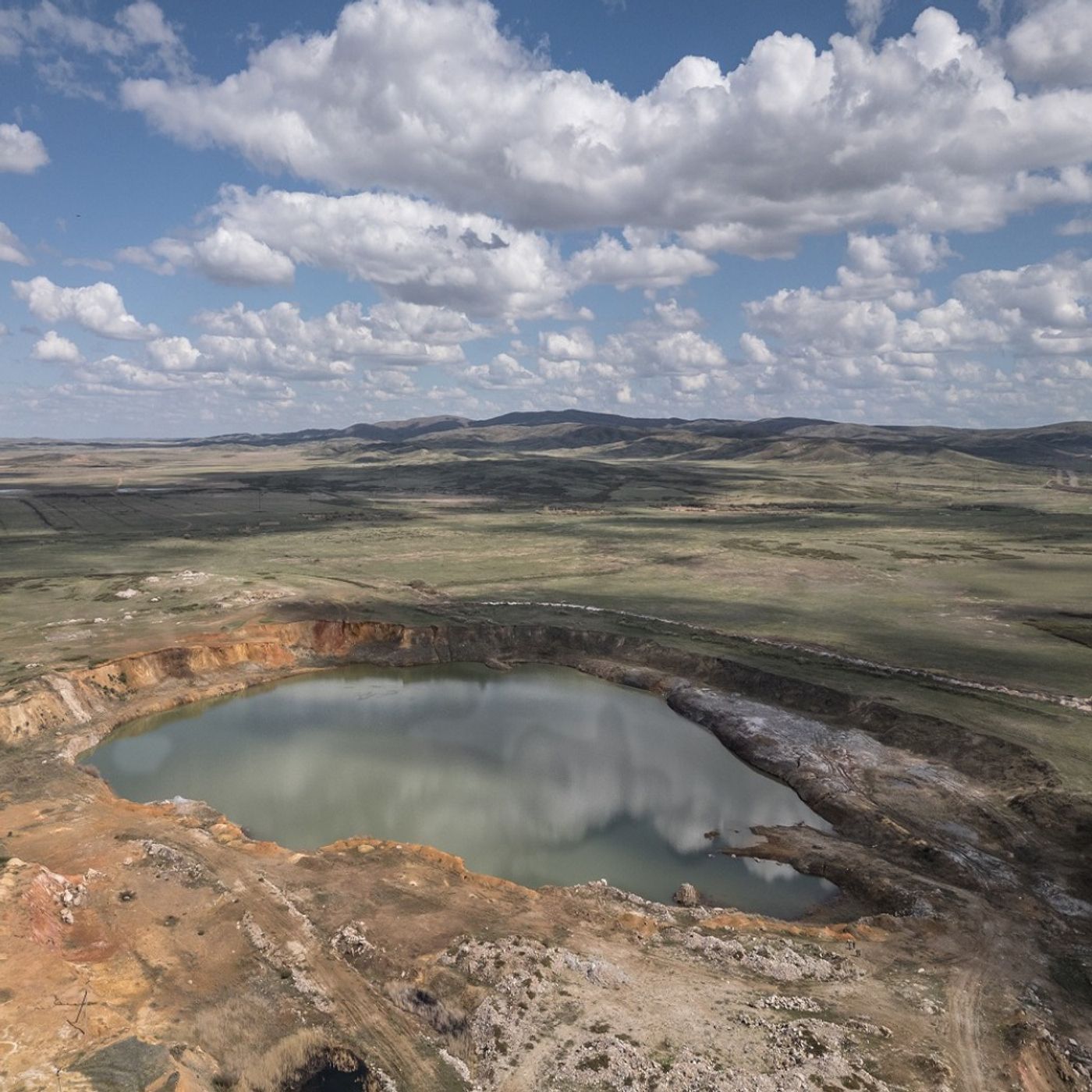
The Unprecedented Personal Profits of Trump’s Presidency
9. Juli 202630 min<p>A recent financial disclosure shows that President Trump has made $2.2 billion since he returned to office.</p> <p>Today, Eric Lipton, a New York Times investigative reporter, reveals the Trump family’s next potential windfall and how the president’s position is once again helping it happen.</p> <p>Guest: <a href="https://www.nytimes.com/by/eric-lipton" target="_blank" rel="noopener noreferrer"><strong>Eric Lipton</strong></a>, an investigative reporter for The New York Times.</p> <p>Background reading: </p> <ul> <li>Mr. Trump and his family reaped <a href="https://www.nytimes.com/2026/07/01/us/politics/trump-crypto-memecoin-world-liberty.html" target="_blank" rel="noopener noreferrer">huge financial rewards from a crypto venture</a>, even as routine investors suffered vast losses.</li> <li>He has collected about $1.4 billion in new revenue from <a href="https://www.nytimes.com/2026/06/30/us/politics/trump-moneymaking-presidential-history.html" target="_blank" rel="noopener noreferrer">businesses that directly benefited</a> from his actions as president.</li> </ul> <p>Photo: Sergey Ponomarev for The New York Times</p> <p>For more information on today’s episode, visit <a href="http://nytimes.com/thedaily?smid=pc-thedaily" rel="noopener noreferrer">nytimes.com/thedaily</a>. Transcripts of each episode will be made available by the next workday. </p> <p><p>Subscribe today at <a href="http://nytimes.com/podcasts">nytimes.com/podcasts</a> or on Apple Podcasts and Spotify. You can also subscribe via your favorite podcast app here <a href="https://www.nytimes.com/activate-access/audio?source=podcatcher">https://www.nytimes.com/activate-access/audio?source=podcatcher</a>. For more podcasts and narrated articles, download The New York Times app at nytimes.com/app.</p></p><br/> <p>Hosted by Simplecast, an AdsWizz company. See <a href="https://pcm.adswizz.com">pcm.adswizz.com</a> for information about our collection and use of personal data for advertising.</p>

The Implosion of Graham Platner
8. Juli 202635 min<p>The campaign for Graham Platner, the Democratic nominee for Senate from Maine, imploded this week after he was accused of rape.</p> <p>Lisa Lerer and Shane Goldmacher, national political correspondents for The New York Times, discuss the battle over who should replace him on the ballot and the identity crisis inside the Democratic Party.</p> <p>Guest:</p> <ul> <li><a href="https://www.nytimes.com/by/lisa-lerer" target="_blank" rel="noopener noreferrer"><strong>Lisa Lerer</strong></a>, a national political correspondent for The New York Times.</li> <li><a href="https://www.nytimes.com/by/shane-goldmacher" target="_blank" rel="noopener noreferrer"><strong>Shane Goldmacher</strong></a>, a national political correspondent for The New York Times.</li> </ul> <p>Background reading: </p> <ul> <li><a href="https://www.nytimes.com/2026/07/06/us/politics/graham-platner-maine-assault.html" target="_blank" rel="noopener noreferrer">Mr. Platner’s Democratic support evaporated</a> after the sexual assault allegation.</li> <li>Progressives and moderates are gearing up for a fight over an <a href="https://www.nytimes.com/2026/07/07/us/politics/graham-platner-maine-replacements-democrats.html" target="_blank" rel="noopener noreferrer">as-yet-undecided process in Maine to name a replacement for Mr. Platner</a>.</li> </ul> <p>Photo: Sophie Park for The New York Times</p> <p>For more information on today’s episode, visit <a href="http://nytimes.com/thedaily?smid=pc-thedaily" rel="noopener noreferrer"><strong>nytimes.com/thedaily</strong></a>. Transcripts of each episode will be made available by the next workday. </p> <p><p>Subscribe today at <a href="http://nytimes.com/podcasts">nytimes.com/podcasts</a> or on Apple Podcasts and Spotify. You can also subscribe via your favorite podcast app here <a href="https://www.nytimes.com/activate-access/audio?source=podcatcher">https://www.nytimes.com/activate-access/audio?source=podcatcher</a>. For more podcasts and narrated articles, download The New York Times app at nytimes.com/app.</p></p><br/> <p>Hosted by Simplecast, an AdsWizz company. See <a href="https://pcm.adswizz.com">pcm.adswizz.com</a> for information about our collection and use of personal data for advertising.</p>
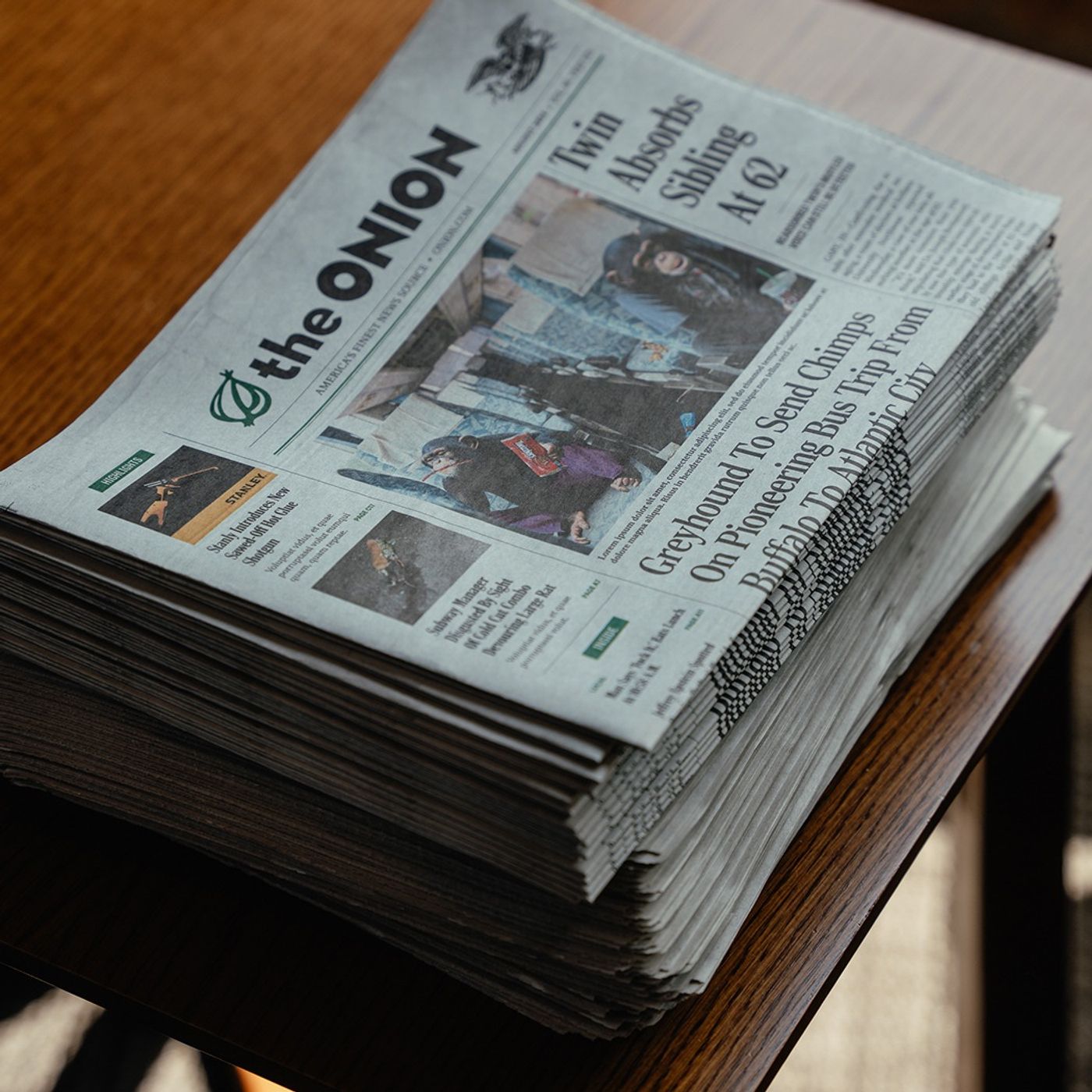
The Onion’s Latest Joke: Taking Over Infowars
7. Juli 202622 min<p>Last Thursday, the satirical newspaper The Onion started its own version of Infowars, the infamous online hub of misinformation created by Alex Jones.</p> <p>The takeover has been years in the making. After Mr. Jones lost two defamation cases, his assets were put up for auction. The Onion took over Infowars and said it planned to convert the site into a parody of itself.</p> <p>Ben Collins, who is the chief executive of The Onion, and the comedian Tim Heidecker talk about what they plan to do with the newly acquired platform and why they pushed so hard to take control of it. </p> <p>Guest:</p> <ul> <li><strong>Ben Collins</strong>, chief executive of The Onion</li> <li><strong>Tim Heidecker</strong>, actor and comedian</li> </ul> <p>Background reading: </p> <ul> <li><a href="https://www.nytimes.com/2026/04/20/business/infowars-alex-jones-the-onion.html" target="_blank" rel="noopener noreferrer">The Onion’s plan</a> to take over Infowars.</li> </ul> <p>Photo: Jamie Kelter Davis for The New York Times</p> <p>For more information on today’s episode, visit <a href="http://nytimes.com/thedaily?smid=pc-thedaily" rel="noopener noreferrer"><strong>nytimes.com/thedaily</strong></a>. Transcripts of each episode will be made available by the next workday. </p> <p><p>Subscribe today at <a href="http://nytimes.com/podcasts">nytimes.com/podcasts</a> or on Apple Podcasts and Spotify. You can also subscribe via your favorite podcast app here <a href="https://www.nytimes.com/activate-access/audio?source=podcatcher">https://www.nytimes.com/activate-access/audio?source=podcatcher</a>. For more podcasts and narrated articles, download The New York Times app at nytimes.com/app.</p></p><br/> <p>Hosted by Simplecast, an AdsWizz company. See <a href="https://pcm.adswizz.com">pcm.adswizz.com</a> for information about our collection and use of personal data for advertising.</p>