

Politique
The New Yorker Radio Hour
WNYC Studios and The New Yorker
Profiles, storytelling and insightful conversations, hosted by David Remnick.
 Ouvrir dans Hinto
Épisodes pour apprendre l'anglais1066

John Wilson and “The History of Concrete”
15 sept. 202620 min<p>John Wilson is a documentary filmmaker, a comedian, and a contemporary philosopher. On his hit HBO show, “How To with John Wilson,” he wandered around New York City filming everyday life, pontificating, and asking strangers questions ranging from the mundane to the esoteric. The <i>New Yorker</i> staff writer <a href="https://www.newyorker.com/contributors/andrew-marantz" rel="noopener noreferrer"><u>Andrew Marantz</u></a> has written about Wilson, and recently met him at the independent movie theatre that he runs, Low Cinema, in Queens. They discuss Wilson’s newest film, “The History of Concrete,” which premières September 18th. </p><p>Further reading:</p><ul><li>“<a href="https://www.newyorker.com/magazine/2025/08/11/how-to-make-a-movie-house-with-john-wilson" rel="noopener noreferrer"><u>How to Make a Movie House with John Wilson</u></a>,” by Madeleine Wulfahrt</li><li>“<a href="https://www.newyorker.com/magazine/2023/07/24/john-wilsons-sewage-treatment-plant-adventure" rel="noopener noreferrer"><u>John Wilson’s Sewage-Treatment-Plant Adventure</u></a>,” by Andrew Marantz</li><li>“ <a href="https://www.newyorker.com/magazine/2020/12/21/how-to-with-john-wilson-offers-a-martians-eye-view-of-homo-sapiens-habits" rel="noopener noreferrer"><u>‘How To with John Wilson’ Offers a Martian’s-Eye View of Homo Sapiens’ Habits</u></a>,” by Alexandra Schwartz<br> </li></ul><p>New episodes of The New Yorker Radio Hour drop every Tuesday and Friday. Follow the show wherever <a href="http://swap.fm/l/tny-radiohour-eBFv3Y" rel="noopener noreferrer"><u>you get your podcasts</u></a>. <br> </p><br/> <p>Hosted by Simplecast, an AdsWizz company. See <a href="https://pcm.adswizz.com">pcm.adswizz.com</a> for information about our collection and use of personal data for advertising.</p>

Colin Kaepernick, Ten Years After Taking a Knee
11 sept. 202649 min<p>Colin Kaepernick had a stunning rise as an N.F.L. quarterback after becoming a full-time starter, in 2012. He was a legitimate dual threat—as effective running the ball as he was throwing it. And, to this day, Kaepernick still holds the record for rushing yards by an N.F.L. quarterback in a playoff game. But his formidable skills as a player were quickly overshadowed by his decision—quiet at first—to engage in protest for social justice a decade ago. He knelt during the national anthem at games, and that generated an enormous amount of controversy, with everyone from his fellow-players to a future President weighing in on his decision. In the aftermath of his demonstrations, the San Francisco 49ers told him that they were going to cut him, and no other team would sign him. In his new memoir, “<a href="https://www.hachettebookgroup.com/titles/colin-kaepernick/the-perilous-fight/9781538777879/" rel="noopener noreferrer"><u>The Perilous Fight</u></a>,” Kaepernick describes how this wasn’t even the full extent of the league’s efforts to punish him. He and David Remnick discuss his new book and the consequences of his political activism. “I had football taken away from me,” Kaepernick explains. “I didn’t get to leave on my terms. And I didn’t get to leave because, ‘Oh, you're not good enough to play anymore.’ It was because of the causes I was supporting and the change I was trying to effect. So that leaves a sour taste in your mouth.”</p><p>Further reading: </p><ul><li>“<a href="https://www.newyorker.com/sports/sporting-scene/the-nfls-change-of-tone-and-the-limits-of-merely-listening" rel="noopener noreferrer"><u>The N.F.L.’s Change of Tone, and the Limits of Merely Listening</u></a>,” by Louisa Thomas</li><li>“<a href="https://www.newyorker.com/sports/sporting-scene/colin-kaepernick-contested-workout-and-the-power-plays-of-the-nfl" rel="noopener noreferrer"><u>Colin Kaepernick’s Contested Workout and the Power Plays of the N.F.L.</u></a>,” by Louisa Thomas</li><li>“<a href="https://www.newyorker.com/news/daily-comment/behind-nikes-decision-to-stand-by-colin-kaepernick" rel="noopener noreferrer"><u>Behind Nike’s Decision to Stand by Colin Kaepernick</u></a>,” by Jelani Cobb</li><li>“<a href="https://www.newyorker.com/culture/annals-of-appearances/what-will-taking-the-knee-mean-now" rel="noopener noreferrer"><u>What Will Taking the Knee Mean Now?</u></a>,” by Doreen St. Félix</li><li>“<a href="https://www.newyorker.com/news/daily-comment/the-racial-demagoguery-of-trumps-assaults-on-colin-kaepernick-and-steph-curry" rel="noopener noreferrer"><u>The Racial Demagoguery of Trump’s Assaults on Colin Kaepernick and Steph Curry</u></a>,” by David Remnick</li></ul><p> </p><p>New episodes of The New Yorker Radio Hour drop every Tuesday and Friday. Follow the show wherever <a href="http://swap.fm/l/tny-radiohour-eBFv3Y" rel="noopener noreferrer"><u>you get your podcasts</u></a>. <br> </p><br/> <p>Hosted by Simplecast, an AdsWizz company. See <a href="https://pcm.adswizz.com">pcm.adswizz.com</a> for information about our collection and use of personal data for advertising.</p>

Edwidge Danticat on Haitian Americans in a Time of Peril
8 sept. 202623 min<p>For more than thirty years, Edwidge Danticat has written about the experiences of Haitians and Haitian Americans in fiction, memoir, and journalism. In <i>The New Yorker</i>, she has <a href="https://www.newyorker.com/contributors/edwidge-danticat" rel="noopener noreferrer"><u>covered</u></a> the ways in which the Trump Administration has targeted Haitian immigrants with lies and threats of deportation. In a new novel about a Miami real-estate broker, called “<a href="https://www.penguinrandomhouse.com/books/768725/dey-by-edwidge-danticat/" rel="noopener noreferrer"><u>Dèy</u></a>”—which means “grief” or “mourning” in Haitian Creole—Danticat considers the meaning of home “when home may not want you,” and when violence in Haiti may preclude returning there. She speaks with the <i>New Yorker</i> staff writer <a href="https://www.newyorker.com/contributors/doreen-st-felix" rel="noopener noreferrer"><u>Doreen St. Félix</u></a> about the novel, and what the revocation of Temporary Protected Status for Haitians means for the large Haitian American community. </p><p>Further reading:</p><ul><li>“<a href="https://www.newyorker.com/news/the-lede/the-great-delegalization#intcid=_the-new-yorker-article-bottom-recirc_98fb5355-a143-490d-be07-b353110232c0_closr" rel="noopener noreferrer"><u>The Great Delegalization</u></a>,” by Dara Lind</li><li>“<a href="https://www.newyorker.com/culture/critics-notebook/the-world-cup-and-the-changing-psyche-of-the-haitian-diaspora" rel="noopener noreferrer"><u>The World Cup and the Changing Psyche of the Haitian Diaspora</u></a>,” by Doreen St. Félix</li><li>“<a href="https://www.newyorker.com/news/the-lede/miamis-haitian-community-braces-for-deportations" rel="noopener noreferrer"><u>Miami’s Haitian Community Braces for Deportations</u></a>,” by Edwidge Danticat</li><li>“<a href="https://www.newyorker.com/culture/essay/the-haiti-that-still-dreams" rel="noopener noreferrer"><u>The Haiti That Still Dreams</u></a>,” by Edwidge Danticat</li></ul><p> </p><p>New episodes of The New Yorker Radio Hour drop every Tuesday and Friday. Join host David Remnick as he discusses the latest in politics, news, and current events in conversation with political leaders, newsmakers, innovators, <i>New Yorker</i> staff writers, authors, actors, and musicians.</p><br/> <p>Hosted by Simplecast, an AdsWizz company. See <a href="https://pcm.adswizz.com">pcm.adswizz.com</a> for information about our collection and use of personal data for advertising.</p>

Sarah Longwell, a Former Republican, on “How to Eat an Elephant”
4 sept. 202628 min<p>The political consultant Sarah Longwell runs focus groups of voters, and she has a lot of advice for Democrats seeking to wrest control of the government from MAGA. Longwell, a former Republican disaffected from Donald Trump’s party, presents her playbook to the <i>New Yorker</i> staff writer <a href="https://www.newyorker.com/contributors/evan-osnos" rel="noopener noreferrer"><u>Evan Osnos</u></a>: go on the offensive talking about corruption; make a positive case for immigration; and adapt to a podcast-driven media environment. “You can go on ‘Joe Rogan’ or not go on ‘Joe Rogan,’ ” she says. “The question is: can you sit for a long period of time and talk to someone who doesn’t know that much about politics and have an engaging conversation? . . . This is how trust is built now, in this screen-to-screen environment.” Longwell’s new book is called “<a href="https://static.macmillan.com/static/smp/how-to-eat-an-elephant-9781250464170/" rel="noopener noreferrer"><u>How to Eat an Elephant: One Voter at a Time</u></a>.” </p><p>Further listening: </p><ul><li>“<a href="https://www.newyorker.com/podcast/the-new-yorker-radio-hour/can-trump-voters-still-change-their-minds" rel="noopener noreferrer"><u>Can Trump Voters Still Change Their Minds?</u></a>,” an episode of The New Yorker Radio Hour</li><li>“<a href="https://www.newyorker.com/podcast/political-scene/a-gop-strategist-on-the-republican-voters-who-could-abandon-trump#rid=0dc969ab-16a7-48f6-b624-852a0144519a&q=sarah+longwell" rel="noopener noreferrer"><u>A G.O.P. Strategist on the Republican Voters Who Could Abandon Trump</u></a>,” an episode of The Political Scene</li></ul><p> </p><p>New episodes of The New Yorker Radio Hour drop every Tuesday and Friday. Join host David Remnick as he discusses the latest in politics, news, and current events in conversation with political leaders, newsmakers, innovators, <i>New Yorker</i> staff writers, authors, actors, and musicians.</p><br/> <p>Hosted by Simplecast, an AdsWizz company. See <a href="https://pcm.adswizz.com">pcm.adswizz.com</a> for information about our collection and use of personal data for advertising.</p>
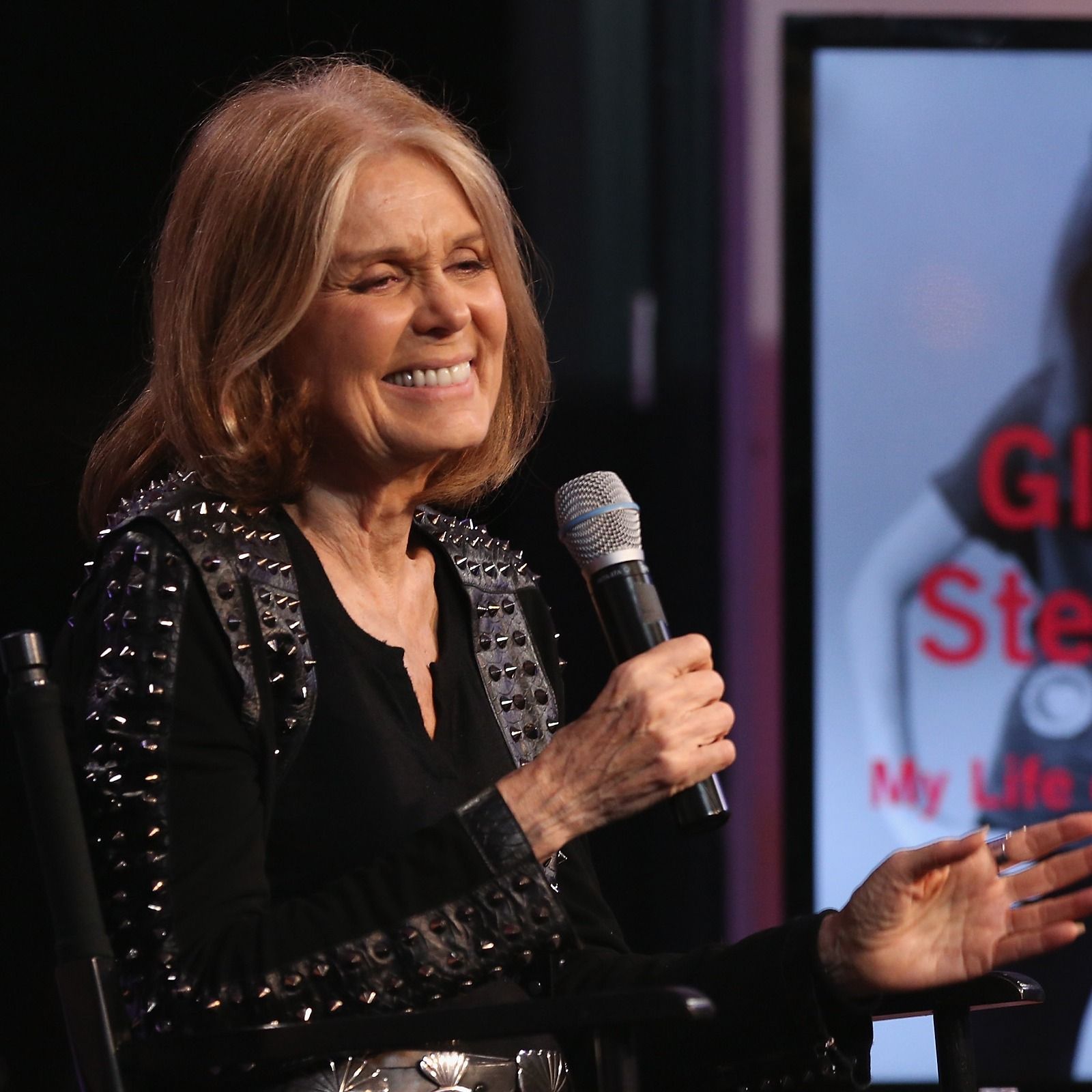
Gloria Steinem in Conversation with David Remnick, from 2015
3 sept. 202615 min<p>Gloria Steinem, who died on September 2nd, at the age of ninety-two, was one of the most influential figures of our time in politics and feminism. Her work shaped the ideas of generations of Americans. Steinem was one of David Remnick’s very first guests after The New Yorker Radio Hour launched, in 2015; her autobiography, “<a href="https://www.amazon.com/dp/0345408160" rel="noopener noreferrer"><u>My Life on the Road</u></a>,” had just come out. </p><p>Further reading and viewing:</p><ul><li>“<a href="https://www.newyorker.com/magazine/2020/10/12/a-feminist-fractal-in-the-glorias#rid=8ef0011b-068c-4d6b-bed9-a2e5dd89500d&q=gloria+steinem" rel="noopener noreferrer"><u>A Feminist Fractal in ‘The Glorias</u></a>,’ ” by Anthony Lane from 2020</li><li>“<a href="https://www.newyorker.com/magazine/2015/10/19/gloria-steinem-profile-jane-kramer" rel="noopener noreferrer"><u>Road Warrior</u></a>,” by Jane Kramer from 2015</li><li>“<a href="https://www.newyorker.com/video/watch/notes-from-all-over-gloria-steinem" rel="noopener noreferrer"><u>Glora Steinem Doesn’t Drive</u></a>,” a short film by <i>The New Yorker</i> from 2015</li><li>“<a href="https://www.newyorker.com/magazine/2013/03/25/feminism-101" rel="noopener noreferrer"><u>Feminism 101</u></a>,” by Rebecca Mead from 2013</li><li>“<a href="https://www.newyorker.com/magazine/1974/09/23/cover-woman" rel="noopener noreferrer"><u>Cover Woman</u></a>,” by Hendrik Hertzberg from 1974</li><li>“<a href="https://www.newyorker.com/magazine/1970/09/05/liberation" rel="noopener noreferrer"><u>Liberation</u></a>,” by <a href="https://www.newyorker.com/contributors/anthony-hiss" rel="noopener noreferrer">Anthony Hiss</a>, <a href="https://www.newyorker.com/contributors/jane-boutwell" rel="noopener noreferrer">Jane Boutwell</a>, and <a href="https://www.newyorker.com/contributors/hendrik-hertzberg" rel="noopener noreferrer">Hendrik Hertzberg</a> from 1970</li></ul><p> </p><p>New episodes of The New Yorker Radio Hour drop every Tuesday and Friday. Join host David Remnick as he discusses the latest in politics, news, and current events in conversation with political leaders, newsmakers, innovators, New Yorker staff writers, authors, actors, and musicians.</p><p><br> </p><br/> <p>Hosted by Simplecast, an AdsWizz company. See <a href="https://pcm.adswizz.com">pcm.adswizz.com</a> for information about our collection and use of personal data for advertising.</p>

Ian Frazier and Samy Burch on “Coyote vs. Acme”
1 sept. 202616 min<p>In the film “Coyote vs. Acme,” which was released this week, the ingenious but unlucky Wile E. Coyote sues the Acme Corporation for damages caused by its malfunctioning merchandise. That is also the premise of the <i>New Yorker </i>staff writer Ian Frazier’s <a href="https://www.newyorker.com/magazine/1990/02/26/coyote-v-acme" rel="noopener noreferrer">original piece</a>, which inspired the film. The screenwriter Samy Burch reimagined Frazier’s premise as a satire of legal thrillers. “What if Wile E. was actually like a Dustin Hoffman character?” Burch wondered. “This guy out in the desert, working on something obsessively, addicted. . . . If this were humans, would the plot make any sense?” The film features actors such as Will Forte alongside Coyote, Foghorn Leghorn, and other “Looney Tunes” characters. Frazier talks with Burch, who was nominated for an Academy Award for “<a href="https://www.newyorker.com/culture/the-front-row/may-december-knows-what-it-thinks-and-thats-a-problem" rel="noopener noreferrer">May December</a>,” a drama starring Natalie Portman and Julianne Moore. </p> <p>Further reading:</p> <ul> <li>“<a href="https://www.newyorker.com/magazine/1990/02/26/coyote-v-acme" rel="noopener noreferrer">Coyote V. Acme</a>,” by Ian Frazier</li> <li>“<a href="https://www.newyorker.com/magazine/2026/08/24/coyote-vs-acme-movie-review" rel="noopener noreferrer">Toons Have Seldom Been Loonier Than in ‘Coyote vs. Acme</a>,’ ” by Justin Chang</li> </ul> <p>New episodes of The New Yorker Radio Hour drop every Tuesday and Friday. Join host David Remnick as he discusses the latest in politics, news, and current events in conversation with political leaders, newsmakers, innovators, <i>New Yorker</i> staff writers, authors, actors, and musicians.</p><br/> <p>Hosted by Simplecast, an AdsWizz company. See <a href="https://pcm.adswizz.com">pcm.adswizz.com</a> for information about our collection and use of personal data for advertising.</p>
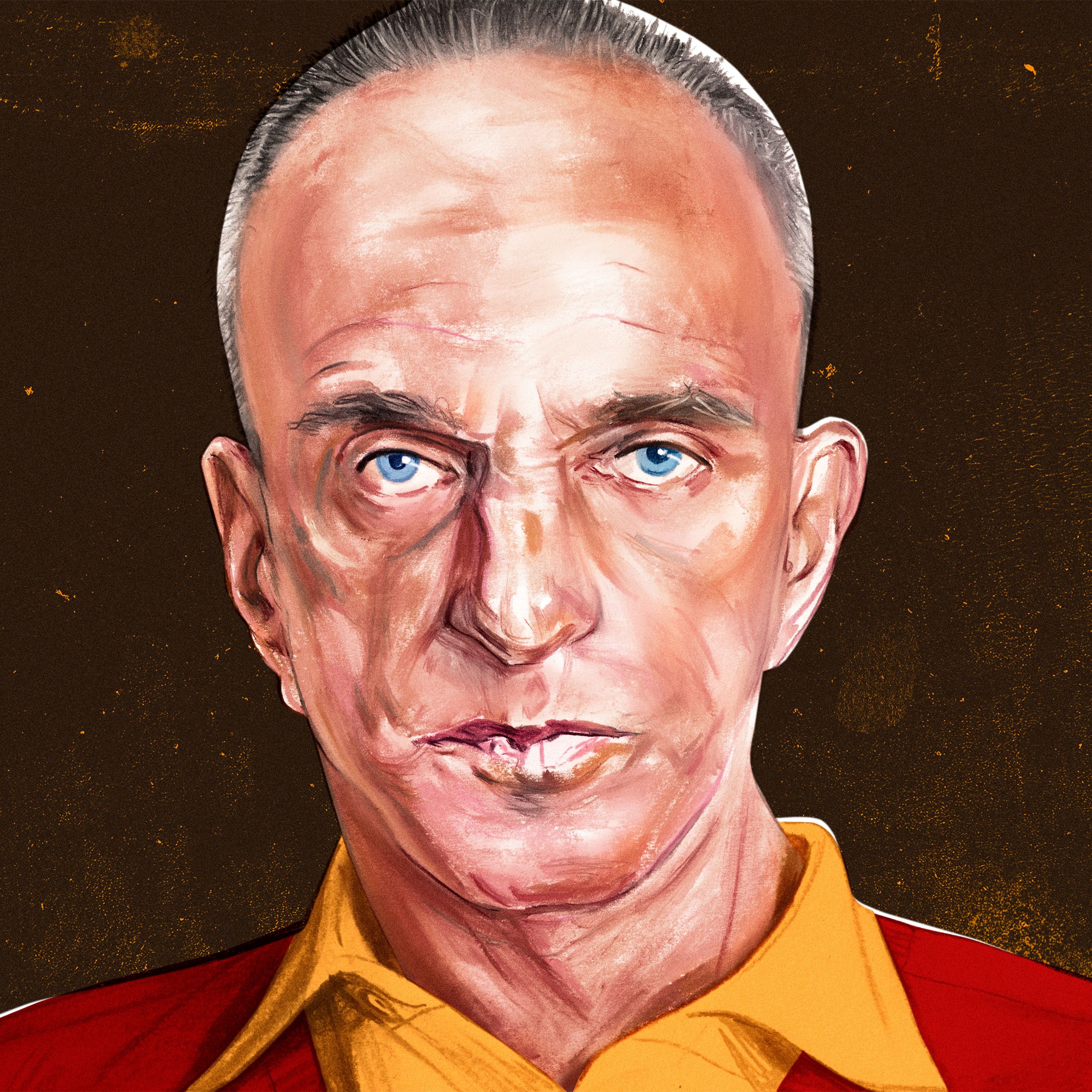
Kai Bird on Roy Cohn, a Founding Father of Donald Trump’s America
28 août 202635 min<p>During the height of Roy Cohn’s friendship with Donald Trump, according to the historian Kai Bird, “they were on the phone with each other a dozen times a day.” Bird’s new book, “<a href="https://www.amazon.com/dp/1668031574" rel="noopener noreferrer">American Scoundrel</a>,” details Cohn’s profound influence on Trump—whom he met as a young real-estate heir in the nineteen-seventies—and how Cohn is “haunting” politics in our time. “I had written about Roy Cohn in [previous biographies] as this nefarious, minor, awful figure who was disruptive and divisive and unethical. And I suddenly realized that the establishment that I’d been writing about for forty years is gone. Their values and culture, the politics, the bipartisanship . . . that’s all gone,” he tells David Remnick. “Roy Cohn explains something about the dark side of America that I just didn’t understand.” They discuss Cohn’s early career as a prosecutor and his role as the “mastermind” of the McCarthy purges; his service as a lawyer and fixer for Mafia members, politicians, and celebrities; and an allegation of being involved in sex trafficking.</p> <p>Further reading and listening: </p> <ul> <li>“<a href="https://www.newyorker.com/magazine/2026/08/10/roy-cohn-profile" rel="noopener noreferrer">How Roy Cohn Taught Donald Trump Everything</a>,” by Kai Bird and Susan Goldmark</li> <li>“<a href="https://www.newyorker.com/news/daily-comment/the-mobster-cosplay-of-donald-trump" rel="noopener noreferrer">The Mobster Cosplay of Donald Trump</a>,” by David Remnick</li> <li>“<a href="https://www.wnycstudios.org/podcasts/tnyradiohour/segments/oppenheimer-film-kai-bird" rel="noopener noreferrer">Adapting Oppenheimer’s Life Story to Film, with Biographer Kai Bird</a>,” an episode of The New Yorker Radio Hour</li> <li>“<a href="https://www.newyorker.com/culture/cultural-comment/roy-cohn-and-the-making-of-a-winner-take-all-america#rid=5d5ca84d-f403-4426-a4c8-3074093f2e55&q=roy+cohn" rel="noopener noreferrer">Roy Cohn and the Making of a Winner-Take-All America</a>,” by Naomi Fry</li> </ul> <p>New episodes of The New Yorker Radio Hour drop every Tuesday and Friday. Join host David Remnick as he discusses the latest in politics, news, and current events in conversation with political leaders, newsmakers, innovators, <i>New Yorker</i> staff writers, authors, actors, and musicians.</p><br/> <p>Hosted by Simplecast, an AdsWizz company. See <a href="https://pcm.adswizz.com">pcm.adswizz.com</a> for information about our collection and use of personal data for advertising.</p>

Jessica Tarlov, a Lonely Liberal on Fox News’ “The Five”
25 août 202622 min<p>Fox News’ “The Five” is the most-watched program on cable news. So there are millions of eyes on Jessica Tarlov, who occupies the liberal hot seat (alternating with Harold Ford, Jr.) on a panel featuring the diehard conservatives Dana Perino, Greg Gutfeld, and Jesse Watters. Her exchanges with fellow-panellists tend to get heated, but Tarlov is constantly aware of how she represents liberal views in front of a largely hostile audience—and of how liberal viewers may misunderstand her colleagues. Her new book, largely inspired by her work on Fox, is called “<a href="https://www.penguinrandomhouse.com/books/803493/i-disagree-by-jessica-tarlov/" rel="noopener noreferrer">I Disagree: Winning Arguments Without Losing Friends</a>.” </p> <p>Further listening:</p> <ul> <li>“<a href="https://www.newyorker.com/podcast/the-new-yorker-radio-hour/bret-baier-on-trumps-love-hate-relationship-with-fox-news#rid=d13cc649-4d61-475b-9b24-54aff2cd2240&q=fox+news" rel="noopener noreferrer">Bret Baier on Trump’s Love-Hate Relationship with Fox News</a>,” an episode of The New Yorker Radio Hour</li> </ul> <p> </p> <p>New episodes of The New Yorker Radio Hour drop every Tuesday and Friday. Join host David Remnick as he discusses the latest in politics, news, and current events in conversation with political leaders, newsmakers, innovators, <i>New Yorker</i> staff writers, authors, actors, and musicians.</p> <p><i>The New Yorker Radio Hour is a co-production of WNYC and The New Yorker.</i></p><br/> <p>Hosted by Simplecast, an AdsWizz company. See <a href="https://pcm.adswizz.com">pcm.adswizz.com</a> for information about our collection and use of personal data for advertising.</p>
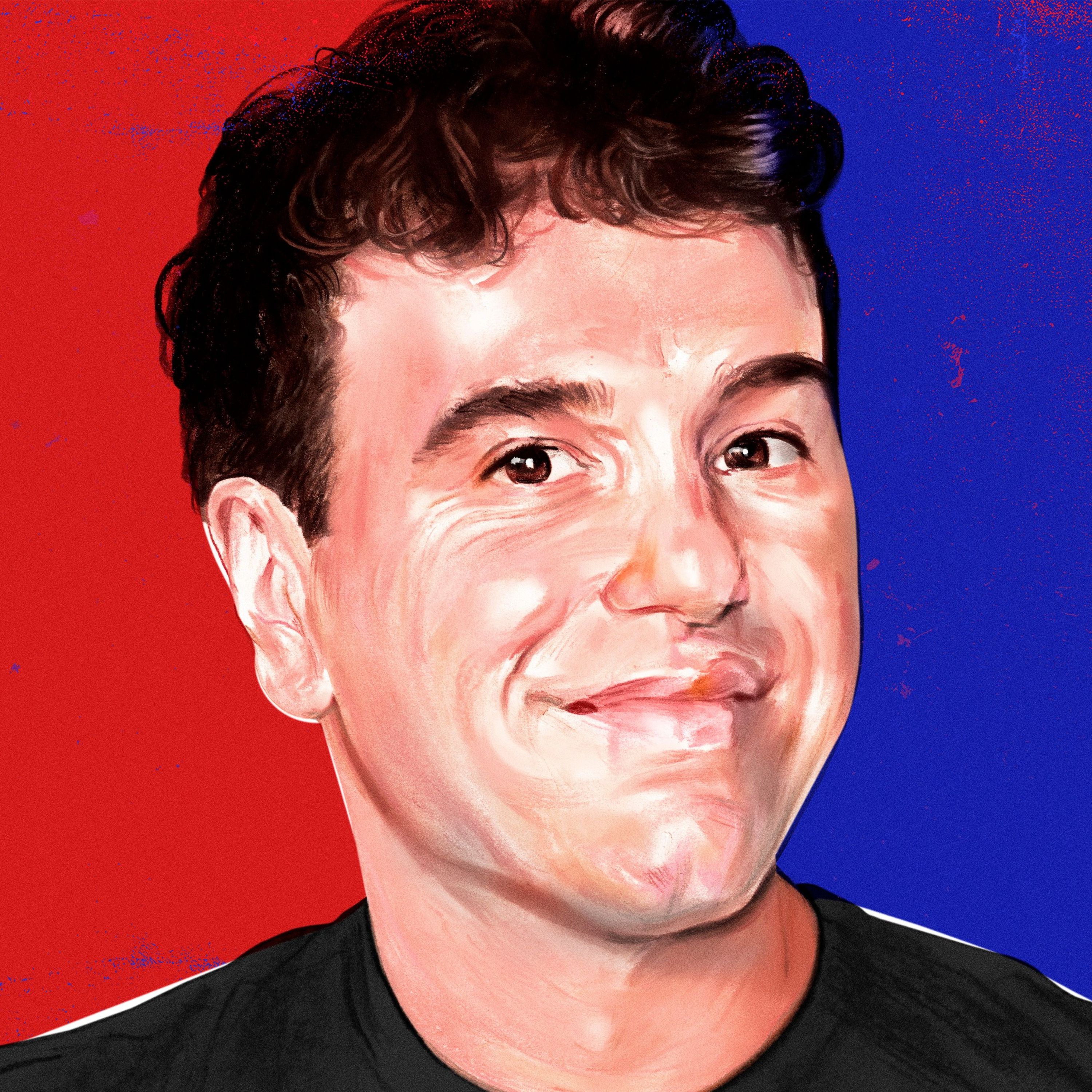
Jon Lovett Answers Your Questions
21 août 202628 min<p>In the 2026 midterm elections, close finishes in crucial swing states have put a spotlight on the divide between the Democratic Party’s moderate and progressive wings. Jon Lovett straddles that divide. He was a longtime speechwriter for Hillary Clinton and then for Barack Obama, but, as a host of the podcasts “Pod Save America” and “Lovett or Leave It,” he’s been critical of the Party’s establishment. Lovett sat down with David Remnick to answer listeners’ questions about the midterms and what they suggest about the 2028 Presidential election. In a “broad trend,” Lovett says, centrist Democrats “put up candidates, and they say, ‘Vote for us, or else.’ And [voters] just keep picking ‘or else.’ . . . Across the board, I don’t know what this establishment of the Democratic Party stands for, and neither does the country.”</p> <p>Further listening: </p> <ul> <li>“ ‘<a href="https://www.newyorker.com/podcast/the-new-yorker-radio-hour/pod-save-america-s-jon-lovett-on-trump-the-threat-of-jail-time-sharpens-the-mind#rid=57c2e195-7b82-42d8-81c1-daccc085d074&q=lovett" rel="noopener noreferrer">Pod Save America’ ’s Jon Lovett on Trump: ‘The Threat of Jail Time Sharpens the Mind</a>,’ ” an episode of The New Yorker Radio Hour</li> </ul> <p> </p> <p>New episodes of The New Yorker Radio Hour drop every Tuesday and Friday. Join host David Remnick as he discusses the latest in politics, news, and current events in conversation with political leaders, newsmakers, innovators, <i>New Yorker</i> staff writers, authors, actors, and musicians.</p> <p><i>The New Yorker Radio Hour is a co-production of WNYC and The New Yorker.</i></p><br/> <p>Hosted by Simplecast, an AdsWizz company. See <a href="https://pcm.adswizz.com">pcm.adswizz.com</a> for information about our collection and use of personal data for advertising.</p>
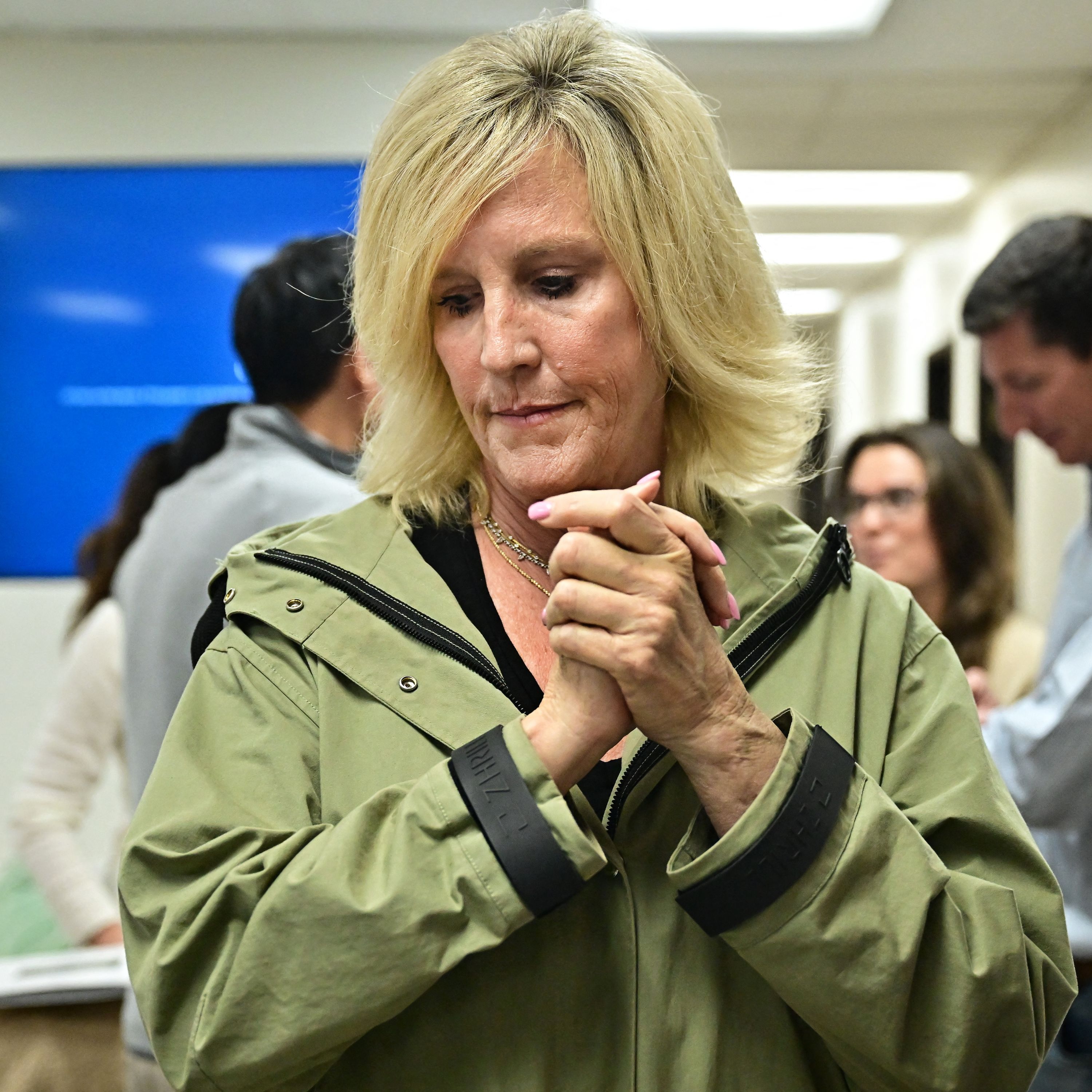
Erin Brockovich Takes on Data Centers
18 août 202624 min<p>Since a famous case against a California utility, the name Erin Brockovich has become synonymous with a fighter taking on big polluters. Earlier this year, Brockovich began receiving e-mails from people worried about the construction of A.I. data centers, which is happening at a frenetic rate all over the country. People expressed concerns about the loss of farmland and natural areas; disruptions to the water table; deleterious noise; and substantial usage of electricity and water, leading to rising utility bills. She speaks with David Remnick about her <a href="https://www.brockovichdatacenter.com/index.html#" rel="noopener noreferrer">mapping project</a> to document data-center construction and environmental complaints. “In my thirty years,” she tells Remnick, “I’ve never really seen the people show up like they are at a very local level.” </p> <p>Further reading:</p> <ul> <li>“<a href="https://www.newyorker.com/magazine/2026/08/17/ai-is-now-a-major-election-issue#rid=bbb981d5-5569-47a7-b937-afe2d03edbed&q=data+centers" rel="noopener noreferrer">A.I. Is Now a Major Election Issue</a>,” by Benjamin Wallace-Wells</li> <li>“<a href="https://www.newyorker.com/magazine/2025/11/03/inside-the-data-centers-that-train-ai-and-drain-the-electrical-grid#rid=bbb981d5-5569-47a7-b937-afe2d03edbed&q=data+centers" rel="noopener noreferrer">Inside the Data Centers That Train A.I. and Drain the Electrical Grid</a>,” by Stephen Witt</li> </ul> <p> </p> <p>New episodes of The New Yorker Radio Hour drop every Tuesday and Friday. Join host David Remnick as he discusses the latest in politics, news, and current events in conversation with political leaders, newsmakers, innovators, <i>New Yorker</i> staff writers, authors, actors, and musicians.</p> <p><i>The New Yorker Radio Hour is a co-production of WNYC and The New Yorker.</i></p><br/> <p>Hosted by Simplecast, an AdsWizz company. See <a href="https://pcm.adswizz.com">pcm.adswizz.com</a> for information about our collection and use of personal data for advertising.</p>

Bernie Sanders Takes on Data Centers
14 août 202626 min<p>The data centers that power artificial intelligence are being built at a rampant pace, and are spurring resistance all over the country. Apart from public concerns about A.I.’s impact on jobs, privacy, and other aspects of life, data centers consume vast amounts of electricity and water. New York has passed a moratorium on new data centers; fourteen other states have considered restrictions. The Vermont senator Bernie Sanders is taking this fight to the national level. He and Representative Alexandria Ocasio-Cortez have introduced legislation that calls for a nationwide moratorium on data centers to allow time for more research and public input on the issue. The furor, Sanders tells David Remnick, cuts across political divisions. The opponents “are conservatives, they are progressives, they are moderates,” he adds. “They’re saying, What the hell are we doing? What is this gonna contribute to? Is this gonna result in my kid not being able to have a job? Is this gonna result in my not having any privacy? Why am I aiding these large corporations owned by the wealthiest people in the world who [couldn’t] care less about me? Let’s stand up.” </p> <p>Further reading and listening: </p> <ul> <li>“<a href="https://www.newyorker.com/magazine/2026/01/26/bernie-for-burlington-the-rise-of-the-peoples-politician-dan-chiasson-book-review#rid=a1a2a462-500f-4c1f-82e2-7429b519ed58&q=bernie+sanders" rel="noopener noreferrer">When Bernie Sanders Headed for the Hills</a>,” by Jill Lepore</li> <li>“<a href="https://www.newyorker.com/news/the-lede/bernie-sanders-and-alexandria-ocasio-cortez-fight-the-oligarchy#rid=b17b2549-7054-40bf-b366-e94874557bbc&q=bernie+sanders" rel="noopener noreferrer">Bernie Sanders and Alexandria Ocasio-Cortez Fight the Oligarchy</a>,” by Emily Witt</li> <li>“<a href="https://www.wnycstudios.org/podcasts/tnyradiohour/articles/geoffrey-hinton-its-far-too-late-to-stop-artificial-intelligence" rel="noopener noreferrer">Geoffrey Hinton: ‘It’s Far Too Late’ to Stop Artificial Intelligence</a>,” an episode of The New Yorker Radio Hour</li> </ul> <p> </p> <p>New episodes of The New Yorker Radio Hour drop every Tuesday and Friday. Join host David Remnick as he discusses the latest in politics, news, and current events in conversation with political leaders, newsmakers, innovators, New Yorker staff writers, authors, actors, and musicians.<i>The New Yorker Radio Hour is a co-production of WNYC and The New Yorker.</i></p><br/> <p>Hosted by Simplecast, an AdsWizz company. See <a href="https://pcm.adswizz.com">pcm.adswizz.com</a> for information about our collection and use of personal data for advertising.</p>

Sam Smith on Their New Album, “Hazel Eyes”
11 août 202628 min<p>Sam Smith burst onto the music scene in 2014 with their début album, “In the Lonely Hour.” It was one of the best-selling albums of the decade and won Smith three Grammys, for Best Pop Vocal Album and both Record and Song of the Year, for the massive hit “Stay With Me.” Smith’s early hits were ballads of heartbreak and unrequited love, so their new album marks something of a change: it’s an album of love songs, requited in this case. Many were written about Smith’s fiancé, the fashion designer Christian Cowan. Smith talked about the writing process that led to their new album “Hazel Eyes,” which comes out August 21st, with New Yorker Radio Hour producer Jeffrey Masters.</p> <p>Further reading:</p> <ul> <li>“<a href="https://www.newyorker.com/culture/listening-booth/sam-smiths-sugary-loneliness-and-the-choir-effect#rid=d10b4920-f363-4903-94e1-d4dd61fc0968&q=sam+smith" rel="noopener noreferrer">Sam Smith’s Sugary Loneliness and the Choir Effect</a>,” by Doreen St. Félix</li> <li>“<a href="https://www.newyorker.com/culture/culture-desk/getting-the-james-bond-song-right#rid=cd95ac59-e038-40aa-99e6-d6c6945f9812&q=sam+smith" rel="noopener noreferrer">Getting the James Bond Song Right</a>,” by Ian Crouch</li> </ul> <p> </p> <p>New episodes of The New Yorker Radio Hour drop every Tuesday and Friday. Join host David Remnick as he discusses the latest in politics, news, and current events in conversation with political leaders, newsmakers, innovators, <i>New Yorker</i> staff writers, authors, actors, and musicians.</p><br/> <p>Hosted by Simplecast, an AdsWizz company. See <a href="https://pcm.adswizz.com">pcm.adswizz.com</a> for information about our collection and use of personal data for advertising.</p>
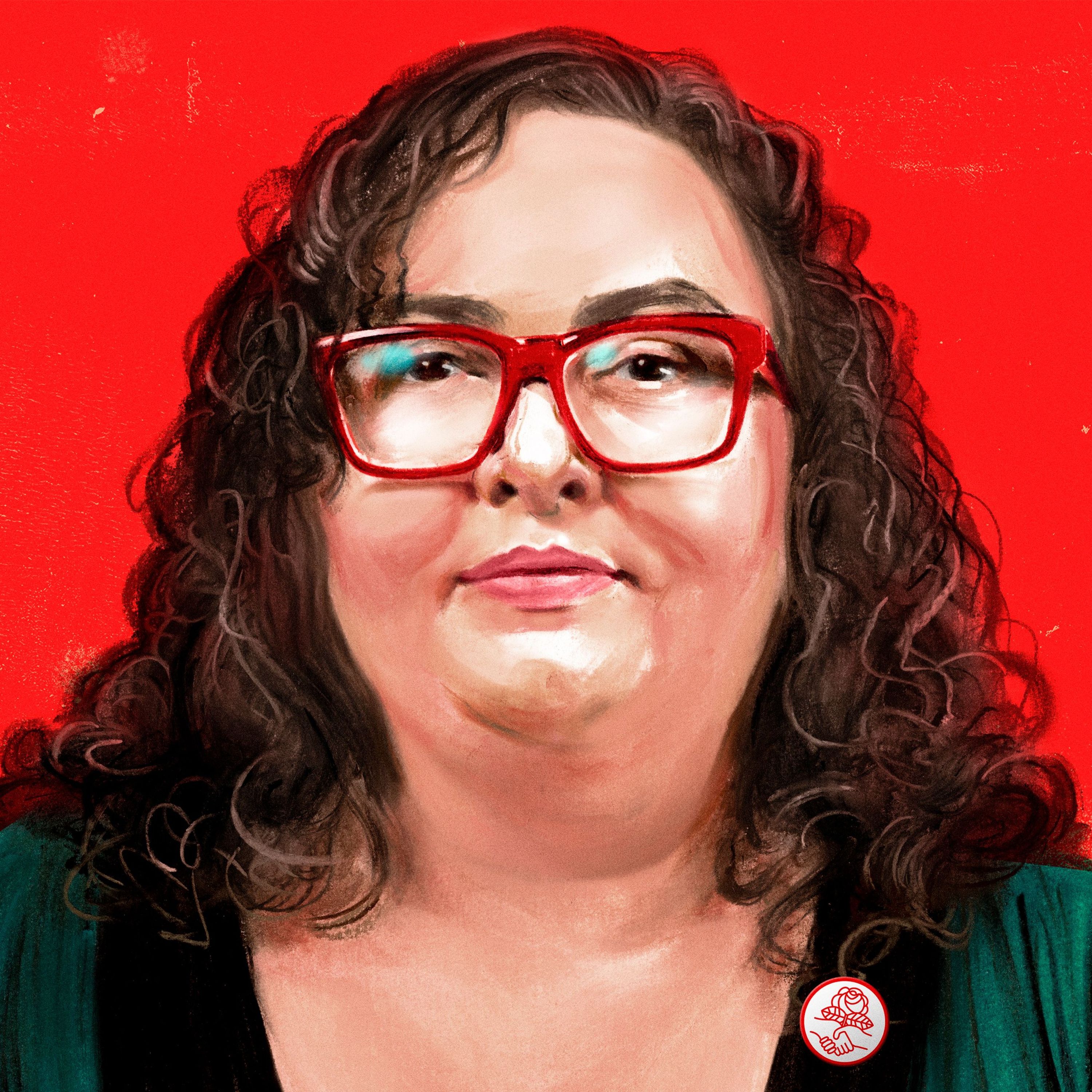
How Socialist Is the D.S.A.? Megan Romer Explains
7 août 202633 min<p>One of the biggest stories of this election cycle is the emergence, for the first time in a long time, of socialism as a force on the national stage. Inspired perhaps by Alexandria Ocasio-Cortez and Zohran Mamdani, D.S.A. candidates are running in congressional and state-level races all over the country. But some of those candidates, David Remnick thinks, talk more like F.D.R. Democrats than like students of Marx. How socialist is democratic socialism, and how does it square with the future of the Democratic Party? Remnick talks with a co-chair of the D.S.A., Megan Romer, who recently went viral for a lightning round of questions pitched at her on Fox News. Romer defends controversial D.S.A. positions on workers’ ownership of the means of production, U.S. support of Israel, the war in Ukraine, and defunding the police. </p> <p>Further reading: </p> <ul> <li>“<a href="https://www.newyorker.com/news/q-and-a/will-left-wing-democrats-re-invent-the-party-or-hurt-its-chances-in-november#rid=53249935-3fd7-4a4a-ba96-e2c44ad6a73a&q=democratic+socialists+of+america" rel="noopener noreferrer">Will Left-Wing Democrats Reinvent the Party or Hurt Its Chances in November?</a>,” by Isaac Chotiner</li> <li>“<a href="https://www.newyorker.com/magazine/2026/08/03/which-way-should-the-democratic-party-go-now#rid=53249935-3fd7-4a4a-ba96-e2c44ad6a73a&q=democratic+socialists+of+america" rel="noopener noreferrer">Which Way Should the Democratic Party Go Now?</a>,” by Benjamin Wallace-Wells</li> <li>“<a href="https://www.newyorker.com/an-idea-for-democrats-to-keep-it-together-in-2028#rid=53249935-3fd7-4a4a-ba96-e2c44ad6a73a&q=democratic+socialists+of+america" rel="noopener noreferrer">An Idea for Democrats to Keep It Together in 2028</a>,” by Bill McKibben</li> <li>“<a href="https://www.newyorker.com/news/the-lede/can-zohran-mamdani-sway-the-commie-corridors-civil-war#rid=53249935-3fd7-4a4a-ba96-e2c44ad6a73a&q=democratic+socialists+of+america" rel="noopener noreferrer">Can Zohran Mamdani Sway the Commie Corridor’s ‘Civil War’?</a>,” by Naaman Zhou</li> <li>“<a href="https://www.newyorker.com/news/new-york-journal/the-woman-who-made-the-machine-that-made-zohran-mamdani#rid=10381765-6b28-401b-b167-4e0f1c8c089b&q=d.s.a." rel="noopener noreferrer">The Woman Who Made the Machine That Made Zohran Mamdani</a>,” by Molly Fischer</li> </ul> <p> </p> <p>New episodes of The New Yorker Radio Hour drop every Tuesday and Friday. Join host David Remnick as he discusses the latest in politics, news, and current events in conversation with political leaders, newsmakers, innovators, New Yorker staff writers, authors, actors, and musicians.</p><br/> <p>Hosted by Simplecast, an AdsWizz company. See <a href="https://pcm.adswizz.com">pcm.adswizz.com</a> for information about our collection and use of personal data for advertising.</p>

The Democratic Socialist Running for Mayor of Los Angeles
3 août 202615 min<p>An incumbent mayor of Los Angeles normally faces smooth sailing for reëlection, but for the Democrat Karen Bass her term has been marked by criticism of her handling of last year’s devastating wildfires and the city’s ongoing homelessness crisis. The city-council member Nithya Raman was a former ally of Bass who now faces her in a November runoff election. Raman is aligned with the Democratic Socialists of America, and she talks with David Remnick about her frustration with Democratic leadership, which she says is lacking “urgency around the issues that I felt mattered most, and, in some ways, a moving away from the direction that I felt L.A. needed to be moving.”</p> <p>Further listening:</p> <ul> <li>“<a href="https://www.newyorker.com/podcast/the-new-yorker-radio-hour/mayor-karen-bass-on-marines-in-los-angeles" rel="noopener noreferrer">Mayor Karen Bass on Marines in Los Angeles</a>,” an episode of The New Yorker Radio Hour</li> </ul> <p> </p> <p>New episodes of The New Yorker Radio Hour drop every Tuesday and Friday. Join host David Remnick as he discusses the latest in politics, news, and current events in conversation with political leaders, newsmakers, innovators, <i>New Yorker</i> staff writers, authors, actors, and musicians.</p><br/> <p>Hosted by Simplecast, an AdsWizz company. See <a href="https://pcm.adswizz.com">pcm.adswizz.com</a> for information about our collection and use of personal data for advertising.</p>
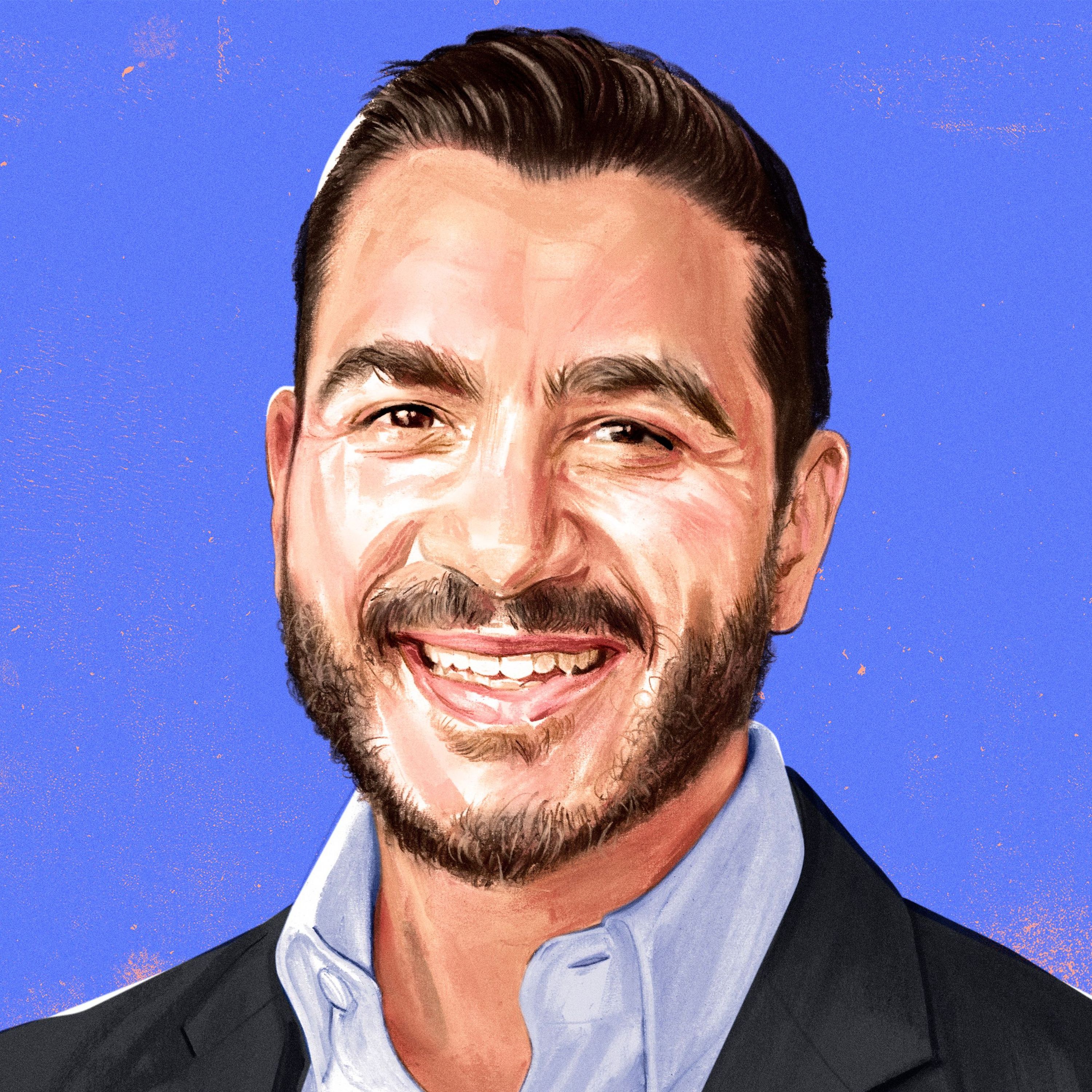
Michigan’s Abdul El-Sayed Is “Not a Burn-It-Down Kind” of Candidate
31 juil. 202635 min<p>Michigan’s Senate seat is a must-win for Democrats hoping to take control of the Senate in 2026. The midterms are reflecting a surge of energy behind left-leaning Democratic candidates—sometimes known as the Mamdani effect—challenging their party’s establishment and its tarnished image. Abdul El-Sayed, a former health official, firmly supports Medicare for All and the abolition of ICE. He’s ahead of his moderate Democratic rival, Haley Stevens, in most polls. But that has some Democrats worried that El-Sayed is too radical to win the general election in a state that narrowly voted for Trump in 2024. El-Sayed talks with David Remnick about being “radicalized in medical school,” the trap of expressing righteous anger as an Arab candidate, how Robert F. Kennedy’s anti-science views have taken such a hold on the public, and why AIPAC and other lobbying groups have spent sixty million dollars opposing him in this election. </p> <p>Further reading and listening: </p> <ul> <li>“<a href="https://www.newyorker.com/news/election-2026/michigan-is-the-next-big-test-for-the-democratic-party#rid=44627b07-4cae-4904-8650-ae44ba431ec3&q=gretchen+whitmer" rel="noopener noreferrer">Michigan Is the Next Big Test for the Democratic Party,” by Jason Zengerle</a></li> <li>“<a href="https://www.newyorker.com/magazine/2026/03/09/can-the-democrats-get-it-together#rid=44627b07-4cae-4904-8650-ae44ba431ec3&q=gretchen+whitmer" rel="noopener noreferrer">Can the Democrats Get It Together?,” by </a><a href="https://www.newyorker.com/contributors/amy-davidson-sorkin" rel="noopener noreferrer">Amy Davidson Sorkin</a></li> <li>“<a href="https://www.wnycstudios.org/podcasts/tnyradiohour/segments/governor-gretchen-whitmer-covid-19-trump-and-accusations-against-joe-biden" rel="noopener noreferrer">Governor Gretchen Whitmer on COVID-19, Trump, and the Accusations Against Joe Biden</a>,” an episode of The New Yorker Radio Hour</li> </ul> <p> </p> <p>New episodes of The New Yorker Radio Hour drop every Tuesday and Friday. Join host David Remnick as he discusses the latest in politics, news, and current events in conversation with political leaders, newsmakers, innovators, <i>New Yorker</i> staff writers, authors, actors, and musicians.</p><br/> <p>Hosted by Simplecast, an AdsWizz company. See <a href="https://pcm.adswizz.com">pcm.adswizz.com</a> for information about our collection and use of personal data for advertising.</p>

A Democrat and a Republican in Congress on the Blowback from Mass Detention
28 juil. 202616 min<p>Though President Donald Trump came back to the White House with broad support for his border policies, his Administration’s immigration crackdown has been broadly unpopular. The staff writer <a href="https://www.newyorker.com/contributors/jonathan-blitzer" rel="noopener noreferrer">Jonathan Blitzer</a> spoke with two representatives in Congress about the blowback: Jason Crow, of Colorado, and María Salazar, of Florida. Crow is one of the Democratic Party’s recruitment co-chairs for the midterm elections, a role that entails helping candidates figure out what to say about issues that have proved controversial for their party. Salazar, whose district includes much of Miami, is a diehard Trump supporter, but many of her Republican constituents are outraged at how ICE has been operating, and she remains hopeful that the Administration might make a sharp turn. “Mr. President, you’ve got to change the way when it comes to immigration,” she’d like to tell him. “Otherwise, we’re not going to have a Republican Party.”</p> <p>Further listening:</p> <ul> <li>“<a href="https://www.newyorker.com/podcast/political-scene/a-member-of-the-seditious-six-on-reviving-the-democratic-party" rel="noopener noreferrer">A Member of the ‘Seditious Six’ on Reviving the Democratic Party</a>,” an episode of The Political Scene featuring Jason Crow</li> </ul> <p>New episodes of The New Yorker Radio Hour drop every Tuesday and Friday. Join host David Remnick as he discusses the latest in politics, news, and current events in conversation with political leaders, newsmakers, innovators, <i>New Yorker</i> staff writers, authors, actors, and musicians.</p><br/> <p>Hosted by Simplecast, an AdsWizz company. See <a href="https://pcm.adswizz.com">pcm.adswizz.com</a> for information about our collection and use of personal data for advertising.</p>

One Refugee’s Journey Through ICE Detention
24 juil. 202634 min<p>In 2025, as ICE was struggling to meet an impossible goal of three thousand immigration arrests per day, the agency took an unprecedented step: picking people up when they arrived at immigration court. These were immigrants seeking legal status through appropriate channels. The staff writer <a href="https://www.newyorker.com/contributors/jonathan-blitzer" rel="noopener noreferrer">Jonathan Blitzer</a>, who has been reporting on immigration for over a decade, tells the story of one man detained this way, a Guinean refugee who was seeking asylum after a severe beating and death threats by his government. His first name is Alsainy, and his story exemplifies the ways that the Trump Administration is sabotaging the system of legal immigration. </p> <p>Further reading: </p> <ul> <li>“<a href="https://www.newyorker.com/magazine/2026/07/20/locked-away" rel="noopener noreferrer">Inside ICE’s Largest Detention Center</a>,” by Jonathan Blitzer</li> <li>“<a href="https://www.newyorker.com/magazine/2026/06/15/for-the-nations-birthday-making-it-harder-to-become-an-american" rel="noopener noreferrer">For the Nation’s Birthday, Making It Harder to Become an American</a>,” by Jonathan Blitzer</li> <li>“<a href="https://www.newyorker.com/magazine/2026/03/23/trumps-mass-detention-campaign" rel="noopener noreferrer">Trump’s Mass-Detention Campaign</a>,” by Jonathan Blitzer</li> </ul> <p>New episodes of The New Yorker Radio Hour drop every Tuesday and Friday. Join host David Remnick as he discusses the latest in politics, news, and current events in conversation with political leaders, newsmakers, innovators, <i>New Yorker</i> staff writers, authors, actors, and musicians.</p><br/> <p>Hosted by Simplecast, an AdsWizz company. See <a href="https://pcm.adswizz.com">pcm.adswizz.com</a> for information about our collection and use of personal data for advertising.</p>

Pick Three: Richard Brody on “The Odyssey” and Other Summer Films
21 juil. 202614 min<p>The film critic <a href="https://www.newyorker.com/contributors/richard-brody" rel="noopener noreferrer">Richard Brody</a> talks with David Remnick about three notable films this summer: Christopher Nolan’s “The Odyssey,” an epic adaptation of Homer’s poem, arriving amid buzz and huge advance ticket sales; the shoplifting comedy “I Love Boosters,” the second film from the sci-fi-inflected director Boots Riley; and “Remake,” the latest from the documentary legend Ross McElwee, in which he pays tribute to his late son, Adrian, an aspiring filmmaker. </p> <p>Further reading:</p> <ul> <li>“<a href="https://www.newyorker.com/magazine/2026/07/27/the-odyssey-christopher-nolan-movie-review?utm_source=nl&utm_brand=tny&utm_mailing=TNY_Daily_071526&utm_campaign=aud-dev&utm_medium=email&utm_term=tny_daily_digest&bxid=668c3cf41928b5e9fe0fd89e&cndid=83564384&hasha=a62c35fd0176526bd3ec241e2949b7ee&hashb=8fd2d0bf371f7dd10d464593a34c9ace4ee33754&hashc=527d3b461d0011e2b7b16605ca2be7cf72c09dbf1385b28f41e1f0d4d8d38222&esrc=newsletter-registration-gate&mbid=CRMNYR012019" rel="noopener noreferrer">Christopher Nolan’s ‘The Odyssey’ Leaves the Gods in the Outtakes</a>,” by Richard Brody</li> <li>“ <a href="https://www.newyorker.com/culture/the-front-row/remake-confronts-a-fathers-grief-and-a-filmmakers-responsibility" rel="noopener noreferrer">‘Remake’ Confronts a Father’s Grief and a Filmmaker’s Responsibility</a>,” by Richard Brody</li> <li>“<a href="https://www.newyorker.com/magazine/2026/06/29/why-the-odyssey-keeps-defeating-filmmakers" rel="noopener noreferrer">Why the Odyssey Keeps Defeating Filmmakers</a>,” by David Denby</li> <li>“ <a href="https://www.newyorker.com/magazine/2026/06/01/i-love-boosters-movie-review" rel="noopener noreferrer">‘I Love Boosters,’ Reviewed: A Socialist-Surrealist Shoplifting Fantasy</a>,” by Richard Brody</li> </ul> <p> </p> <p>New episodes of The New Yorker Radio Hour drop every Tuesday and Friday. Join host David Remnick as he discusses the latest in politics, news, and current events in conversation with political leaders, newsmakers, innovators, <i>New Yorker</i> staff writers, authors, actors, and musicians.</p><br/> <p>Hosted by Simplecast, an AdsWizz company. See <a href="https://pcm.adswizz.com">pcm.adswizz.com</a> for information about our collection and use of personal data for advertising.</p>
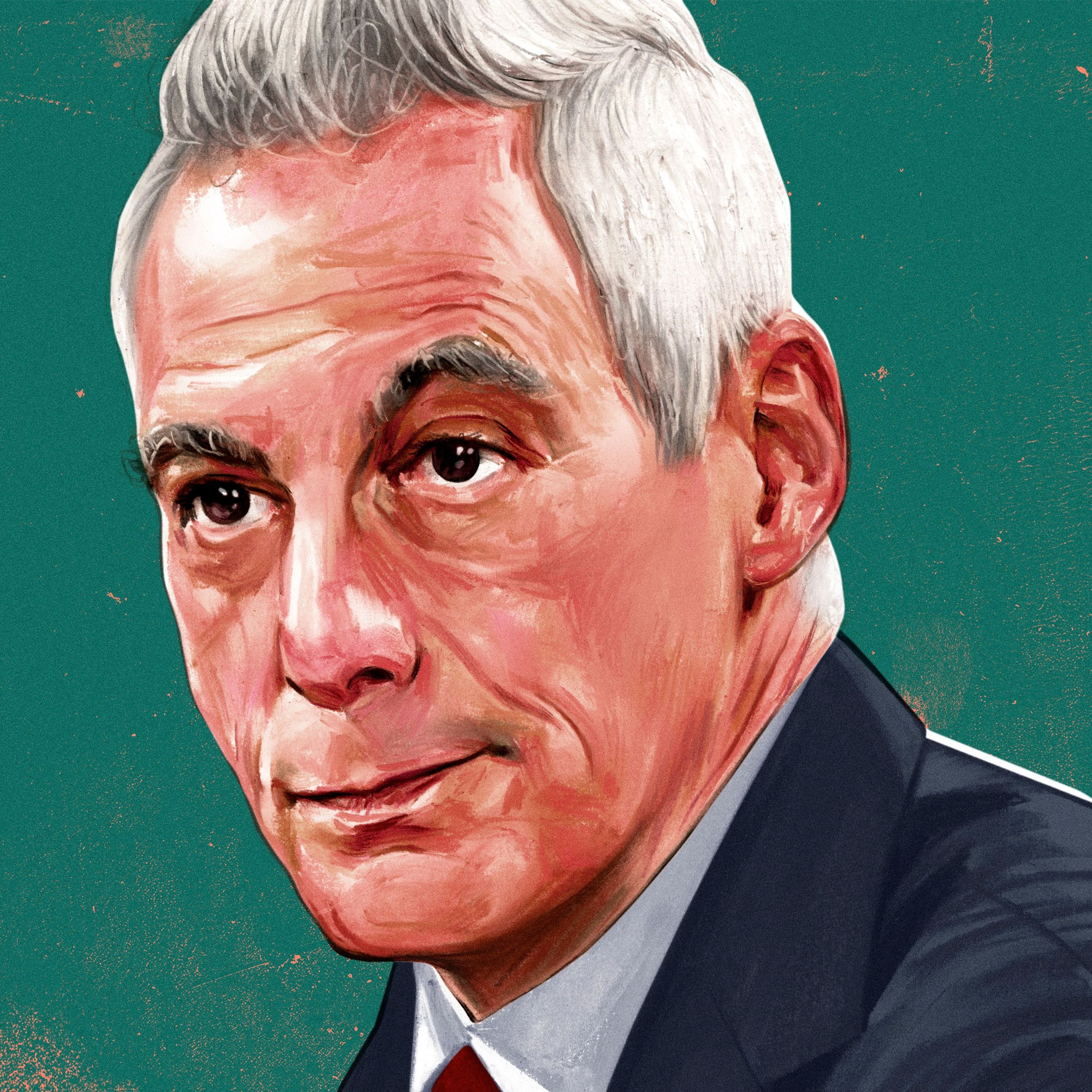
Rahm Emanuel Says Israel’s Path Is “Not Sustainable Politically”
17 juil. 202636 min<p>Rahm Emanuel is a Democratic Party elder, having served in the Clinton and Obama Administrations and as mayor of his native Chicago for two terms. He’s a centrist known for valuing political wins over ideology, making it especially notable that Emanuel recently gave a blistering speech in Israel, calling the country’s path “not sustainable politically.” He says that the United States should no longer grant Israel unconditional military support, and explains his own plan for a diplomatic Middle East solution that he calls a “twenty-three-state solution.” Emanuel, who hasn’t formally announced but appears to have embarked on a campaign for the 2028 Presidency, defends his position on trans rights, which has angered many on the left, and his contention that the Democratic Party is overly concerned with identity politics. </p> <p>Further reading: </p> <ul> <li>“<a href="https://www.newyorker.com/news/news-desk/why-declaring-chicago-a-trump-free-zone-isnt-enough" rel="noopener noreferrer">Trump and Rahm Emanuel Both Love a Fight, Especially Against Each Other</a>,” by Susan B. Glasser.</li> <li>“<a href="https://www.newyorker.com/news/benjamin-wallace-wells/rahm-emanuels-lessons-for-hillary-clinton" rel="noopener noreferrer">Rahm Emanuel’s Lessons for Hilary Clinton</a>,” by Benjamin Wallace-Wells</li> <li>“<a href="https://www.newyorker.com/news/daily-comment/the-sudden-but-well-deserved-fall-of-rahm-emanuel?_sp=3d012d91-4ca6-4c08-8c59-a560a4b16c01.1784046879624" rel="noopener noreferrer">The Sudden but Well-Deserved Fall of Rahm Emanuel</a>,” by Rick Perlstein</li> <li>“<a href="https://www.newyorker.com/magazine/2008/11/17/emanuel-in-full" rel="noopener noreferrer">Emanuel in Full</a>,” by Lizzie Widdicombe</li> </ul> <p> </p> <p>New episodes of The New Yorker Radio Hour drop every Tuesday and Friday. Join host David Remnick as he discusses the latest in politics, news, and current events in conversation with political leaders, newsmakers, innovators, <i>New Yorker</i> staff writers, authors, actors, and musicians.</p><br/> <p>Hosted by Simplecast, an AdsWizz company. See <a href="https://pcm.adswizz.com">pcm.adswizz.com</a> for information about our collection and use of personal data for advertising.</p>

How an Estimated Seven Hundred Thousand People Have Died from DOGE’s U.S.A.I.D. Cuts
12 juil. 202632 min<p>The Department of Government Efficiency, better known as DOGE, has officially been terminated. Its July 4th sunset date was part of Donald Trump’s original executive order that created the agency, which Elon Musk ran. During his tenure, Musk oversaw the dismantling of U.S.A.I.D., which used to provide life-saving medical and nutritional programs around the world. Musk, who recently became the world’s first trillionaire, claims that there is no evidence that a single person died after DOGE cancelled more than eighty per cent of U.S.A.I.D.’s programs, cutting basic health-care access to some ninety-five million people. <a href="https://www.newyorker.com/contributors/atul-gawande" rel="noopener noreferrer">Atul Gawande</a> disagrees. He was the assistant administrator for global health at U.S.A.I.D. until he stepped down, the same week Trump ended U.S. foreign assistance. Gawande says an estimated seven hundred thousand people have already died as a result of the cuts. David Remnick speaks with the longtime <i>New Yorker</i> contributor about the profound effects of ending U.S.A.I.D.’s work abroad, Musk’s involvement in these decisions, and the deaths it all has wrought. </p> <p>Further reading, viewing, and listening: </p> <ul> <li>“<a href="https://www.newyorker.com/culture/the-new-yorker-documentary/the-shutdown-of-usaid-has-already-killed-hundreds-of-thousands" rel="noopener noreferrer">The Shutdown of U.S.A.I.D. Has Already Killed Hundreds of Thousands</a>,” film by <a href="https://www.newyorker.com/contributors/thomas-jennings" rel="noopener noreferrer">Thomas Jennings</a> and <a href="https://www.newyorker.com/contributors/annie-wong" rel="noopener noreferrer">Annie Wong</a>, text by <a href="https://www.newyorker.com/contributors/atul-gawande" rel="noopener noreferrer">Atul Gawande</a></li> <li>“<a href="https://www.newyorker.com/podcast/the-new-yorker-radio-hour/atul-gawande-on-elon-musks-surgery-with-a-chainsaw" rel="noopener noreferrer">Hundreds of Thousands Will Die</a>,” an episode of The New Yorker Radio Hour</li> <li>“<a href="https://www.newyorker.com/news/the-lede/behind-the-chaotic-attempt-to-freeze-federal-assistance" rel="noopener noreferrer">Behind the Chaotic Attempt to Freeze Federal Assistance</a>,” by Atul Gawande</li> </ul> <p>New episodes of The New Yorker Radio Hour drop every Tuesday and Friday. Follow the show wherever <a href="https://link.chtbl.com/XL9LVVAk" rel="noopener noreferrer">you get your podcasts</a>.</p><br/> <p>Hosted by Simplecast, an AdsWizz company. See <a href="https://pcm.adswizz.com">pcm.adswizz.com</a> for information about our collection and use of personal data for advertising.</p>

The World Cup, the Knicks, and LeBron James’s Fate: An All-Time Summer in Sports
10 juil. 202618 min<p>With all the sports news at play this summer, from the New York Knicks winning the N.B.A. Finals to Donald Trump having a direct impact on FIFA’s decisions during the World Cup, it’s time for a deep dive into the biggest sports moments of late. The<i> New Yorker</i> sportswriter Louisa Thomas and David Remnick talk about the most significant stories of the week, and what to keep an eye on in the days and weeks ahead.</p> <p>Further reading, viewing, and listening:</p> <ul> <li>“<a href="https://www.newyorker.com/sports/world-cup-2026/the-us-crashes-out-of-the-world-cup" rel="noopener noreferrer">The U.S. Crashes Out of the World Cup</a>,” by Louisa Thomas</li> <li>“<a href="https://www.newyorker.com/sports/sporting-scene/serena-williams-returns-to-wimbledon" rel="noopener noreferrer">Serena Williams Returns to Wimbledon</a>,” by Louisa Thomas</li> <li>“<a href="https://www.newyorker.com/sports/sporting-scene/the-knicks-win-the-nba-title-a-post-game-conversation" rel="noopener noreferrer">The Knicks Win the N.B.A. Title: A Post-Game Conversation</a>,” with David Remnick, Vinson Cunningham, and Louisa Thomas</li> </ul> <p>New episodes of The New Yorker Radio Hour drop every Tuesday and Friday. Follow the show wherever <a href="https://link.chtbl.com/XL9LVVAk" rel="noopener noreferrer">you get your podcasts</a>.</p><br/> <p>Hosted by Simplecast, an AdsWizz company. See <a href="https://pcm.adswizz.com">pcm.adswizz.com</a> for information about our collection and use of personal data for advertising.</p>

The Sounds of Summer, with Fred Armisen
7 juil. 202618 min<p>The comedian Fred Armisen has a thing for sound: he’s a former punk-rocker who gets a lot of comic mileage from doing accents, and he released an album of sound effects—a modern update of a novelty genre from his youth. “100 Sound Effects” came out last year, on the venerable indie label Drag City. The track titles are themselves little punch lines: “Guitar Tuned but Still Somehow Out of Tune,” “Supportive Booing at a Speech,” and “Terrified Audience at an Authoritarian Nation Official Event.” Armisen talked with the staff writer <a href="https://www.newyorker.com/contributors/michael-schulman" rel="noopener noreferrer">Michael Schulman</a> about sound effects and the origins of his love for accents, and they went out to do some sound recording of their own on the summer streets of New York. </p> <p><i>This segment was produced with assistance from John DeLore. </i></p> <p><i>This segment originally aired on August 29, 2025.</i></p> <p>Further reading: </p> <ul> <li>“<a href="https://www.newyorker.com/magazine/2025/09/01/fred-armisen-goes-bang-zip-zoop#rid=30745452-85fd-468e-9a0a-45541f61725d&q=fred+armisen" rel="noopener noreferrer">Fred Armisen Goes Bang! Zip! Zoop!</a>,” by Michael Schulman</li> <li>“<a href="https://www.newyorker.com/magazine/2018/01/22/shakespeare-off-the-cuff" rel="noopener noreferrer">Shakespeare, Off the Cuff</a>,” by <a href="https://www.newyorker.com/contributors/mike-obrien" rel="noopener noreferrer">Mike O’Brien</a> and <a href="https://www.newyorker.com/contributors/fred-armisen" rel="noopener noreferrer">Fred Armisen</a></li> </ul> <p> </p> <p>New episodes of The New Yorker Radio Hour drop every Tuesday and Friday. Join host David Remnick as he discusses the latest in politics, news, and current events in conversation with political leaders, newsmakers, innovators, <i>New Yorker</i> staff writers, authors, actors, and musicians.</p><br/> <p>Hosted by Simplecast, an AdsWizz company. See <a href="https://pcm.adswizz.com">pcm.adswizz.com</a> for information about our collection and use of personal data for advertising.</p>

Alicia Keys’s New York Musical Goes on National Tour
3 juil. 202632 min<p>The unofficial anthem of New York City is “Empire State of Mind,” the Jay-Z song with that unforgettable hook, sung by Alicia Keys. So it was only fitting that when New York celebrated the Knicks’ N.B.A. Finals victory, Keys took the stage at City Hall to sing it. It was a classic New York moment, for an artist who is herself a true New Yorker. In her musical, “Hell’s Kitchen,” Keys uses her songs to tell the story of a teen-ager growing up, like Keys, in the titular Manhattan neighborhood, near Times Square—a “place of the have-nots,” as she told David Remnick, with “this unique balance between that grime, and the potential of Broadway.” They spoke when “Hell’s Kitchen” was in previews; it went on to win two Tony Awards, and recently began a national tour. </p> <p><i>This segment originally aired on March 29, 2024.</i></p> <p>Further reading: </p> <ul> <li>“<a href="https://www.newyorker.com/magazine/2023/12/04/hells-kitchen-theatre-review-the-gardens-of-anuncia#rid=3e42b442-fd00-43f6-9608-3755b369dc9d&q=alicia+keys" rel="noopener noreferrer">‘Hell’s Kitchen’ Brings Alicia Keys’s Musical Power to the Public</a>,” by Helen Shaw</li> </ul> <p> </p> <p>New episodes of The New Yorker Radio Hour drop every Tuesday and Friday. Join host David Remnick as he discusses the latest in politics, news, and current events in conversation with political leaders, newsmakers, innovators, New Yorker staff writers, authors, actors, and musicians.</p><br/> <p>Hosted by Simplecast, an AdsWizz company. See <a href="https://pcm.adswizz.com">pcm.adswizz.com</a> for information about our collection and use of personal data for advertising.</p>

From The Political Scene: Donald Trump’s Dangerous Politicization of America’s Spy Agencies
30 juin 202637 min<p>The Washington Roundtable is joined by Jeff Stein, the veteran political reporter and founding editor of the newsletter “Spytalk,” to examine Donald Trump’s appointment of Bill Pulte as the new acting Director of National Intelligence, a position that, in theory, oversees the C.I.A., N.S.A., F.B.I., and fifteen other agencies. Pulte has no intelligence background and no national-security experience, but does have a track record of going after the President’s perceived enemies. Plus, the panel discusses a recent <a href="https://www.washingtonpost.com/investigations/2026/06/21/tulsi-gabbard-her-guru-mysterious-messages-that-helped-shape-her-political-career/" target="_blank" rel="noopener noreferrer">Washington <i>Post</i> investigation</a> that raised new questions about the outgoing director, Tulsi Gabbard, and her alleged ties to a religious cult.</p><br/> <p>Hosted by Simplecast, an AdsWizz company. See <a href="https://pcm.adswizz.com">pcm.adswizz.com</a> for information about our collection and use of personal data for advertising.</p>
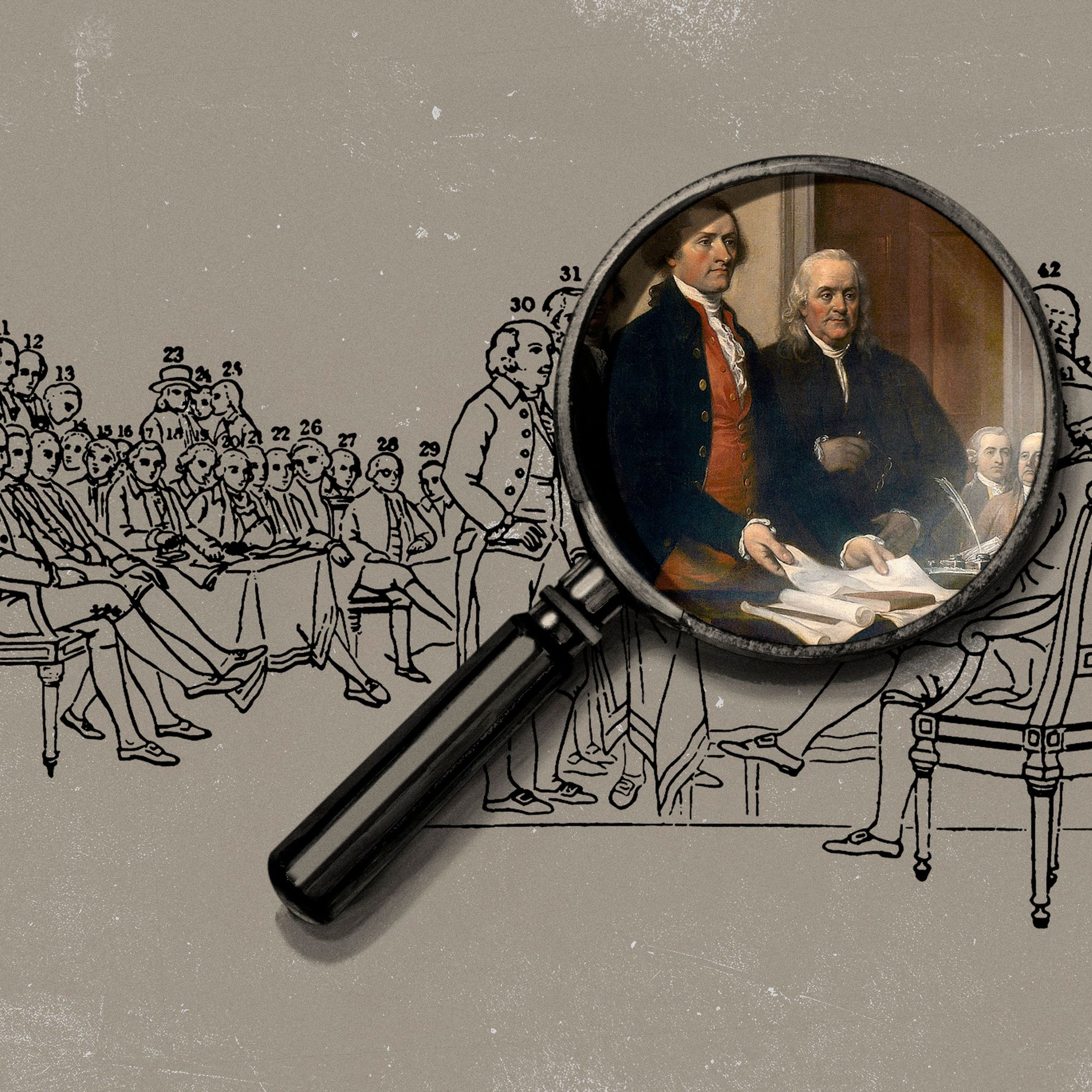
America at 250: A View from Britain, with “The Rest Is History”
26 juin 202649 min<p>Americans tend to see the Declaration of Independence and the Revolutionary War as milestones in world history that inaugurated the era of modern democracy. But the British, unsurprisingly, see these events quite differently. David Remnick talks with the historians who host the popular podcast “The Rest Is History,” Dominic Sandbrook and Tom Holland. Growing up in Britain, Sandbrook explains, the Revolution seemed like “a parade of quite boring men talking very earnestly about liberty, [with] battles that involved twenty people in a field somewhere. . . . It’s not Waterloo!” The King was “annoyed” to lose the thirteen colonies to the new nation, but, for his government, “it could have been a lot worse.” Sandbrook and Holland discuss historical events that overshadow the American Revolution in the British mind; the 1619 Project and the subject of slavery; the “colossally consequential” Presidency of Donald Trump; and the fate of the British monarchy. </p> <p>Further reading and listening: </p> <ul> <li>“<a href="https://www.newyorker.com/magazine/2026/05/11/republic-and-empire-trevor-burnard-andrew-jackson-oshaughnessy-book-review-freedom-round-the-globe-sarah-pearsall" rel="noopener noreferrer">The American Revolution Wasn’t the Main Event</a>,” by Daniel Immerwahr</li> <li><a href="https://www.newyorker.com/america-at-250" rel="noopener noreferrer">America at 250</a>, a special issue of <i>The New Yorker</i></li> <li>“<a href="https://www.newyorker.com/magazine/2026/05/11/why-the-declaration-of-independence-went-through-seventeen-drafts" rel="noopener noreferrer">Was the Declaration of Independence Better Before the Edits?</a>,” by Jill Lepore</li> <li>“<a href="https://www.newyorker.com/magazine/2026/03/09/scandal-protest-goofiness-and-grandeur-at-the-us-bicentennial" rel="noopener noreferrer">Scandal, Protest, Goofiness, and Grandeur at the U.S. Bicentennial</a>,” by Jill Lepore</li> <li>“<a href="https://www.newyorker.com/magazine/2017/05/15/we-could-have-been-canada" rel="noopener noreferrer">We Could Have Been Canada</a>,” by Adam Gopnik </li> </ul> <p> </p> <p>New episodes of The New Yorker Radio Hour drop every Tuesday and Friday. Join host David Remnick as he discusses the latest in politics, news, and current events in conversation with political leaders, newsmakers, innovators, <i>New Yorker</i> staff writers, authors, actors, and musicians.</p><br/> <p>Hosted by Simplecast, an AdsWizz company. See <a href="https://pcm.adswizz.com">pcm.adswizz.com</a> for information about our collection and use of personal data for advertising.</p>

From Critics at Large: Steve Spielberg's Blockbusters
23 juin 202651 min<p>When “Jaws” hit theatres in 1975, no one—neither the studio executives involved nor the film’s twenty-six-year-old director, Steven Spielberg—was betting on its success. But it dominated at the box office and promptly revolutionized the way movies were promoted, distributed, and merchandised. On this episode of Critics at Large, Vinson Cunningham, Naomi Fry, and Alexandra Schwartz trace how Spielberg inaugurated a new phenomenon in Hollywood: the blockbuster. He would tap his own playbook again and again with such hits as “Close Encounters of the Third Kind,” “E.T.,” and “Jurassic Park,” all of which drew impressive audiences and profits. The hosts talk through his filmography, culminating in his new release, “Disclosure Day,” which both replicates and iterates on themes and techniques found in his earlier work. Though other directors may share his capacity for spectacle and action-packed set pieces, much of his appeal lies in his profound earnestness. “What Spielberg is so good at is bringing the human to the fore in these extreme, sci-fi circumstances,” Schwartz says. “And <i>that’s</i> what makes a great blockbuster.”</p> <p> </p> <p>New episodes of The New Yorker Radio Hour drop every Tuesday and Friday. Join host David Remnick as he discusses the latest in politics, news, and current events in conversation with political leaders, newsmakers, innovators, <i>New Yorker</i> staff writers, authors, actors, and musicians.</p><br/> <p>Hosted by Simplecast, an AdsWizz company. See <a href="https://pcm.adswizz.com">pcm.adswizz.com</a> for information about our collection and use of personal data for advertising.</p>

Hillary Clinton on How Donald Trump Lost the Iran War
18 juin 202649 min<p>The former Secretary of State Hillary Clinton sat down with David Remnick at the 92nd Street Y, in New York, on Monday evening, after the Trump Administration announced a memorandum of understanding to end its war in Iran. Remnick asked whether the United States lost this war. “Yes,” Clinton replied. “The United States has come out weaker. Iran has come out stronger.” According to Clinton, Israel repeatedly tried to pressure the Obama Administration into backing a similar action in Iran, but she didn’t take the bait. “They would say things like ‘Our planes are on the tarmac,’ ” Clinton recalled. “And I’d say, ‘Well, good luck. Great. Why are you doing this?’ ” They also discuss Joe Biden’s decision to run for a second term, and its fateful consequences. “He made a terrible mistake,” she said. Had Biden stayed with his plan of serving for one term, “I believe whoever emerged . . . would have beaten Donald Trump.”</p> <p> </p> <p>Further reading and listening: </p> <ul> <li>“<a href="https://www.newyorker.com/podcast/political-scene/hillary-clinton-on-the-psychology-of-autocrats" rel="noopener noreferrer">Hillary Clinton on the Psychology of Autocrats</a>,” an episode of The Political Scene </li> <li>“<a href="https://www.newyorker.com/podcast/the-new-yorker-radio-hour/hillary-clinton-explains-what-happened" rel="noopener noreferrer">Hillary Clinton Explains What Happened</a>,” an episode of The New Yorker Radio Hour</li> <li>“<a href="https://www.newyorker.com/culture/cultural-comment/the-broadway-life-of-hillary-clinton" rel="noopener noreferrer">The Broadway Life of Hillary Clinton</a>,” by Michael Schulman</li> <li>“<a href="https://www.newyorker.com/books/page-turner/curtis-sittenfelds-rodham-offers-the-catharsis-of-uncomplicated-regret" rel="noopener noreferrer">Curtis Sittenfeld’s ‘Rodham’ Offers the Catharsis of Uncomplicated Regret</a>,” by Nora Caplan-Bricker</li> </ul> <p> </p> <p>New episodes of The New Yorker Radio Hour drop every Tuesday and Friday. Join host David Remnick as he discusses the latest in politics, news, and current events in conversation with political leaders, newsmakers, innovators, <i>New Yorker</i> staff writers, authors, actors, and musicians.</p><br/> <p>Hosted by Simplecast, an AdsWizz company. See <a href="https://pcm.adswizz.com">pcm.adswizz.com</a> for information about our collection and use of personal data for advertising.</p>

The Sports Journalist Pablo Torre Has a Pulitzer, but Still Feels Like the “Turd” in the Pool
16 juin 202621 min<p>The sports journalist Pablo Torre recently won the 2026 Pulitzer Prize for audio reporting for an investigation on his podcast, “Pablo Torre Finds Out.” Torre talks with David Remnick about the challenge of investigative reporting in professional sports—where leagues, owners, players, and sometimes even fans don’t welcome hard questions. “As much as I am doing that and urging people to join me in the pool,” he says, “it kind of feels like I’m the guy who is the proverbial turd” in that pool. But as private equity invests massive sums in teams, he says, the work is even more necessary—and that fans do care when misdeeds are revealed.</p> <p>Further reading: </p> <ul> <li>“<a href="https://www.newyorker.com/culture/the-lede/lessons-in-fanhood-from-the-knicks" rel="noopener noreferrer">Lessons in Fanhood from the Knicks</a>,” by Vinson Cunnigham</li> <li>“<a href="https://www.newyorker.com/magazine/2026/06/08/the-knicks-and-the-greatest-night-in-new-york-sports" rel="noopener noreferrer">The Knicks: The Only Game in Town</a>,” by David Remnick</li> </ul> <p> </p> <p>New episodes of The New Yorker Radio Hour drop every Tuesday and Friday. Join host David Remnick as he discusses the latest in politics, news, and current events in conversation with political leaders, newsmakers, innovators, <i>New Yorker</i> staff writers, authors, actors, and musicians.</p><br/> <p>Hosted by Simplecast, an AdsWizz company. See <a href="https://pcm.adswizz.com">pcm.adswizz.com</a> for information about our collection and use of personal data for advertising.</p>
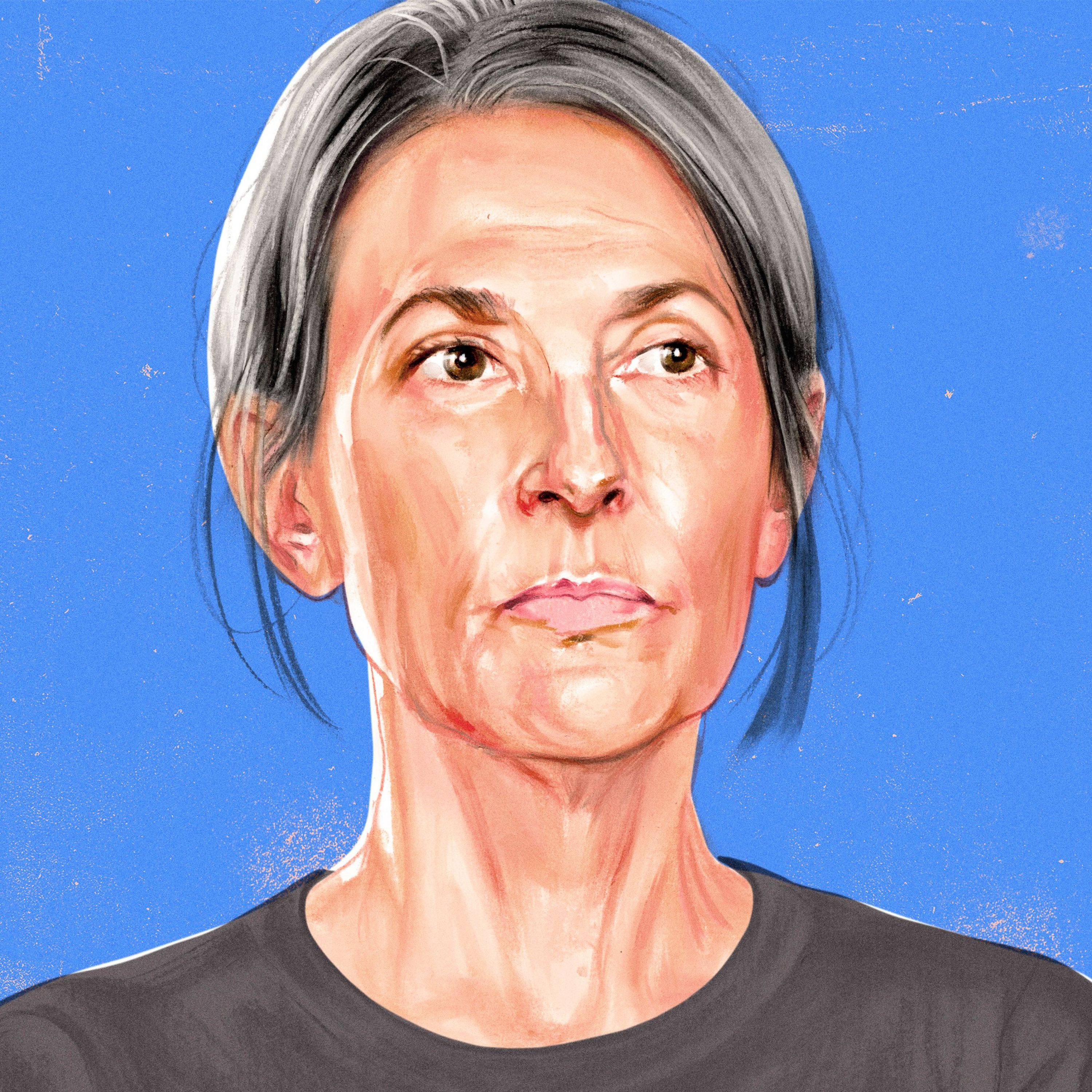
Rachel Goldberg-Polin on Losing a Son in Gaza
12 juin 202639 min<p>When Rachel Goldberg-Polin’s son, Hersh, was taken hostage by Hamas on October 7, 2023, she became a prominent spokesperson for the families of Israeli hostages. Throughout Hersh’s captivity, and then after his murder, Goldberg-Polin, who was born in Chicago and emigrated to Israel in 2008, argued that Israel’s priority should be to bring the hostages home, and that the killing of all innocents, Israeli and Palestinian, must stop. She advocated with Israeli politicians, Pope Francis, and other leaders, and she addressed the Democratic National Convention in 2024. She recently spoke with David Remnick about her new book, “<a href="https://www.penguinrandomhouse.com/books/824238/when-we-see-you-again-by-rachel-goldberg-polin/" rel="noopener noreferrer">When We See You Again</a>,” and how she has continued her work as a public figure despite unending grief. “People are desperate for us to be angry . . . to feel things that I think that they assume they would feel if they were in the position that we are in. But the truth is, I’m open to feeling anything,” she reflects. “I put Hersh in the ground on September 2, 2024. After that, I’m in a completely different universe.” </p> <p>Further reading: </p> <ul> <li>“<a href="https://www.newyorker.com/news/essay/gazas-broken-politics" rel="noopener noreferrer">Gaza’s Broken Politics</a>,” by Mohammed R. Mhawish</li> <li>“<a href="https://www.newyorker.com/news/the-lede/the-end-of-israels-hostage-ordeal" rel="noopener noreferrer">The End of Israel’s Hostage Ordeal</a>,” by Ruth Margalit</li> <li>“<a href="https://www.newyorker.com/news/q-and-a/why-hamas-agreed-to-release-the-hostages" rel="noopener noreferrer">Why Hamas Agreed to Release the Hostages</a>,” by Isaac Chotiner</li> <li>“<a href="https://www.newyorker.com/news/the-lede/hope-and-grief-in-israel-after-the-gaza-ceasefire-deal" rel="noopener noreferrer">Hope and Grief in Israel After the Gaza Ceasefire Deal</a>,” by Ruth Margalit</li> </ul> <p> </p> <p>New episodes of The New Yorker Radio Hour drop every Tuesday and Friday. Join host David Remnick as he discusses the latest in politics, news, and current events in conversation with political leaders, newsmakers, innovators, <i>New Yorker</i> staff writers, authors, actors, and musicians.</p><br/> <p>Hosted by Simplecast, an AdsWizz company. See <a href="https://pcm.adswizz.com">pcm.adswizz.com</a> for information about our collection and use of personal data for advertising.</p>

Seeing the Dark Side of the Moon on NASA’s Artemis II Mission
9 juin 202624 min<p>In April, the four crew members of NASA’s Artemis II mission were the first humans to ever glimpse something that cannot be seen from Earth—the so-called dark side of the moon. The mission’s commander, the former Navy captain Reid Wiseman, is fifty years old, which also makes him the oldest person ever to travel beyond low Earth orbit. Wiseman <a href="https://www.newyorker.com/news/the-new-yorker-interview/the-leader-of-nasas-artemis-ii-mission-is-still-moonstruck" rel="noopener noreferrer">sat down recently</a> with the <i>New Yorker </i>contributor David W. Brown. They talked about the challenge of NASA returning to the moon after many decades, Wiseman’s struggle to parent his two daughters while training, and the strangeness and beauty of returning to Earth. “One thing that really did surprise me was how quickly Earth gets so small out the window,” Wiseman explains. “It’s like a fingernail, almost; the size of a quarter. It’s just impossibly tiny out there. There’s a little tiny super-bright crescent of an Earth.” </p> <p>Further reading and listening: </p> <ul> <li>“<a href="https://www.newyorker.com/news/the-new-yorker-interview/the-leader-of-nasas-artemis-ii-mission-is-still-moonstruck" rel="noopener noreferrer">The Leader of NASA’s Artemis II Mission Is Still Moonstruck</a>,” by David W. Brown</li> <li>“<a href="https://www.newyorker.com/news/the-lede/what-will-the-artemis-ii-moon-mission-teach-us#rid=34e0e3f2-bd1a-4ad5-85ac-e4ebee5c28e9&q=artemis" rel="noopener noreferrer">What Will the Artemis II Moon Mission Teach Us?</a>,” by David W. Brown</li> <li>“<a href="https://www.newyorker.com/tech/annals-of-technology/a-new-era-of-moon-exploration-is-upon-us#rid=34e0e3f2-bd1a-4ad5-85ac-e4ebee5c28e9&q=artemis" rel="noopener noreferrer">A New Era of Moon Exploration Is Upon Us</a>,” by David W. Brown</li> </ul> <p> </p> <p>New episodes of The New Yorker Radio Hour drop every Tuesday and Friday. Join host David Remnick as he discusses the latest in politics, news, and current events in conversation with political leaders, newsmakers, innovators, <i>New Yorker</i> staff writers, authors, actors, and musicians.</p><br/> <p>Hosted by Simplecast, an AdsWizz company. See <a href="https://pcm.adswizz.com">pcm.adswizz.com</a> for information about our collection and use of personal data for advertising.</p>