

Notizie quotidiane
The Daily
The New York Times
This is what the news should sound like. The biggest stories of our time, told by the best journalists in the world. Hosted by Michael Barbaro, Rachel Abrams and Natalie Kitroeff. Twenty minutes a day, six days a week, ready by 6 a.m. Subscribe today at nytimes.com/podcasts or on Apple Podcasts and Spotify. You can also subscribe via your favorite podcast app here https://www.nytimes.com/activate-access/audio?source=podcatcher.
 Apri in Hinto
Episodi per imparare l'inglese168

The Secret Spy Network Feeding Russia’s War Machine
14 ago 202631 min<p>Ukraine is running desperately low on interceptor missiles, leaving its cities and people nearly defenseless against Russian missile and drone attacks. How Russia has been able to sustain those attacks has been a mystery — until now.</p> <p>Today, Jane Bradley, a Britain-based investigative reporter for The New York Times, explains her investigation into the spy network that has allowed the Kremlin to keep this war going.</p> <p>Guest: <a href="https://www.nytimes.com/by/jane-bradley" target="_blank" rel="noopener noreferrer"><strong>Jane Bradley</strong></a>, a Britain-based investigative reporter for The New York Times.</p> <p>Background reading: </p> <ul> <li>A <a href="https://www.nytimes.com/2026/07/23/world/asia/russian-spy-flees-japan.html" target="_blank" rel="noopener noreferrer">Russian spy who used the Aeroflot office in Tokyo to smuggle high-tech weapon components into Russia has left Japan</a> after a Times report.</li> <li>Operating out of a Tokyo high-rise, <a href="https://www.nytimes.com/2026/07/12/world/asia/russia-spies-japan-war-drones-electronics.html" target="_blank" rel="noopener noreferrer">a military intelligence unit takes advantage of Japan’s weak espionage laws</a> to find the high-tech equipment that Russia needs to wage war.</li> </ul> <p>Photo: Chang W. Lee/The New York Times</p> <p>For more information on today’s episode, visit <a href="http://nytimes.com/thedaily?smid=pc-thedaily" rel="noopener noreferrer">nytimes.com/thedaily</a>. Transcripts of each episode will be made available by the next workday. </p> <p><p>Subscribe today at <a href="http://nytimes.com/podcasts">nytimes.com/podcasts</a> or on Apple Podcasts and Spotify. You can also subscribe via your favorite podcast app here <a href="https://www.nytimes.com/activate-access/audio?source=podcatcher">https://www.nytimes.com/activate-access/audio?source=podcatcher</a>. For more podcasts and narrated articles, download The New York Times app at nytimes.com/app.</p></p><br/> <p>Hosted by Simplecast, an AdsWizz company. See <a href="https://pcm.adswizz.com">pcm.adswizz.com</a> for information about our collection and use of personal data for advertising.</p>

Are The Democratic Socialists Winning or Losing?
13 ago 202630 min<p>This week, Francesca Hong, a democratic socialist running for governor in Wisconsin, suffered an upset after a double-digit lead in the polls. Last week, Dr. Abdul El-Sayed, a progressive, pulled off a stunning victory in Michigan against his well-funded opponent.</p> <p>Nate Cohn, the chief political analyst for The New York Times, makes sense of what happened in Wisconsin and Michigan, and what it might tell us about the future of the Democratic Party.</p> <p>Guest: <a href="https://www.nytimes.com/by/nate-cohn" target="_blank" rel="noopener noreferrer"><strong>Nate Cohn</strong></a>, the chief political analyst for The New York Times.</p> <p>Background reading: </p> <ul> <li>Dr. El-Sayed’s triumph against an establishment-backed candidate in Michigan was <a href="https://www.nytimes.com/2026/08/05/upshot/democrats-michigan-progressives-left.html" target="_blank" rel="noopener noreferrer">a big win for the left</a>.</li> <li>Ms. Hong’s defeat in Wisconsin <a href="https://www.nytimes.com/2026/08/12/us/elections/david-crowley-wisconsin-governors-primary.html" target="_blank" rel="noopener noreferrer">defied expectations</a> and may have shown that the democratic socialist wave cannot reach beyond urban centers.</li> </ul> <p>Photo: Nick Hagen for The New York Times</p> <p>For more information on today’s episode, visit <a href="http://nytimes.com/thedaily?smid=pc-thedaily" rel="noopener noreferrer">nytimes.com/thedaily</a>. Transcripts of each episode will be made available by the next workday. </p> <p><p>Subscribe today at <a href="http://nytimes.com/podcasts">nytimes.com/podcasts</a> or on Apple Podcasts and Spotify. You can also subscribe via your favorite podcast app here <a href="https://www.nytimes.com/activate-access/audio?source=podcatcher">https://www.nytimes.com/activate-access/audio?source=podcatcher</a>. For more podcasts and narrated articles, download The New York Times app at nytimes.com/app.</p></p><br/> <p>Hosted by Simplecast, an AdsWizz company. See <a href="https://pcm.adswizz.com">pcm.adswizz.com</a> for information about our collection and use of personal data for advertising.</p>

All the President’s Planes
12 ago 202624 min<p>When President Trump left Turkey, the White House said publicly that he was boarding the old Air Force One — but that plane was a decoy. In a highly elaborate escape plan prompted by a credible Iranian threat, Trump was secretly moved through a catering cart to a military aircraft, leaving passengers unknowingly flying on the decoy plane.</p> <p>Today, Maggie Haberman, a White House correspondent for The New York Times, details the operation’s risks and what it reveals about how seriously the administration views the danger to the president.</p> <p>Guest: <a href="https://www.nytimes.com/by/maggie-haberman" target="_blank" rel="noopener noreferrer"><strong>Maggie Haberman</strong></a>, a White House correspondent for The New York Times.</p> <p>Background reading: </p> <ul> <li><a href="https://www.nytimes.com/2026/08/10/us/politics/trump-plane-ruse.html" target="_blank" rel="noopener noreferrer">President Trump hid in an airport catering container and was transported to a military jet</a> for a secret flight out of country.</li> </ul> <p>Photo: Doug Mills/The New York Times</p> <p>For more information on today’s episode, visit <a href="http://nytimes.com/thedaily?smid=pc-thedaily" rel="noopener noreferrer">nytimes.com/thedaily</a>. Transcripts of each episode will be made available by the next workday. </p> <p><p>Subscribe today at <a href="http://nytimes.com/podcasts">nytimes.com/podcasts</a> or on Apple Podcasts and Spotify. You can also subscribe via your favorite podcast app here <a href="https://www.nytimes.com/activate-access/audio?source=podcatcher">https://www.nytimes.com/activate-access/audio?source=podcatcher</a>. For more podcasts and narrated articles, download The New York Times app at nytimes.com/app.</p></p><br/> <p>Hosted by Simplecast, an AdsWizz company. See <a href="https://pcm.adswizz.com">pcm.adswizz.com</a> for information about our collection and use of personal data for advertising.</p>

The U.S. Missile Stockpile Is Dangerously Low
11 ago 202632 min<p>As the fighting with Iran has dragged on, American forces have been burning through their weapons, creating a shortage of munitions that is leaving the United States and its allies in the region much more vulnerable.</p> <p>Today, Eric Schmitt, a national security correspondent for The New York Times, explains why Washington is running out of key missiles so quickly, and how the munitions shortage might affect the safety of U.S. troops and the Trump administration’s efforts to end the war.</p> <p>Guest: <a href="https://www.nytimes.com/by/eric-schmitt" target="_blank" rel="noopener noreferrer"><strong>Eric Schmitt</strong></a>, a national security correspondent for The New York Times.</p> <p>Background reading: <a href="https://www.nytimes.com/2026/08/08/us/politics/pentagon-weapons-stockpiles-china-russia.html" target="_blank" rel="noopener noreferrer">The war in Iran has depleted U.S. weapons stockpiles</a>, resulting in a significant erosion of firepower.</p> <p>Photo: Martin Divisek/EPA, via Shutterstock</p> <p>For more information on today’s episode, visit <a href="http://nytimes.com/thedaily?smid=pc-thedaily" rel="noopener noreferrer">nytimes.com/thedaily</a>. Transcripts of each episode will be made available by the next workday. </p> <p><p>Subscribe today at <a href="http://nytimes.com/podcasts">nytimes.com/podcasts</a> or on Apple Podcasts and Spotify. You can also subscribe via your favorite podcast app here <a href="https://www.nytimes.com/activate-access/audio?source=podcatcher">https://www.nytimes.com/activate-access/audio?source=podcatcher</a>. For more podcasts and narrated articles, download The New York Times app at nytimes.com/app.</p></p><br/> <p>Hosted by Simplecast, an AdsWizz company. See <a href="https://pcm.adswizz.com">pcm.adswizz.com</a> for information about our collection and use of personal data for advertising.</p>

Why Adults Are Getting Cancer at a Younger Age
10 ago 202628 min<p>For years, cancer has been seen as a disease people mostly get when they’re older. That seems to be changing as more young people are getting cancer than ever before.</p> <p>Today, Nina Agrawal, a health reporter for The New York Times, explains what scientists are learning about the factors driving the rise and what it means for a generation of young cancer survivors.</p> <p>Guest: <a href="https://www.nytimes.com/by/nina-agrawal" target="_blank" rel="noopener noreferrer"><strong>Nina Agrawal</strong></a>, a health reporter for The New York Times.</p> <p>Background reading: </p> <ul> <li>Hundreds of New York Times readers shared their experiences with early-onset cancers. <a href="https://www.nytimes.com/interactive/2026/04/04/well/early-onset-cancer.html" target="_blank" rel="noopener noreferrer">Here are seven of their stories</a>.</li> <li>Research is starting to offer clues about why <a href="https://www.nytimes.com/2025/10/01/well/cancer-young-people.html" target="_blank" rel="noopener noreferrer">more than a dozen types of cancer have increased among people under 50 in the past decade</a>.</li> </ul> <p>Photo: Leah Nash for The New York Times</p> <p>For more information on today’s episode, visit <a href="http://nytimes.com/thedaily?smid=pc-thedaily" rel="noopener noreferrer">nytimes.com/thedaily</a>. Transcripts of each episode will be made available by the next workday. </p> <p><p>Subscribe today at <a href="http://nytimes.com/podcasts">nytimes.com/podcasts</a> or on Apple Podcasts and Spotify. You can also subscribe via your favorite podcast app here <a href="https://www.nytimes.com/activate-access/audio?source=podcatcher">https://www.nytimes.com/activate-access/audio?source=podcatcher</a>. For more podcasts and narrated articles, download The New York Times app at nytimes.com/app.</p></p><br/> <p>Hosted by Simplecast, an AdsWizz company. See <a href="https://pcm.adswizz.com">pcm.adswizz.com</a> for information about our collection and use of personal data for advertising.</p>

Is 'Gentle Parenting' Ruining French Children?
9 ago 202639 min<p>“Traditional” French parenting is built on a foundation of firm boundaries, strictness and punishment for misbehavior. Within these rules, children are also allowed freedom and autonomy, which some say results in both well-behaved children and stress-free parents.</p> <p>In recent years, though, American-style “gentle” or “positive” parenting has gained a toehold in the country, unsettling decades of orthodoxy about the best way to raise a French child. It has prompted a fierce debate, with both sides accusing the other of being harmful.</p> <p>In today’s episode, Madeleine Schwartz, a journalist who lives in Paris, talks with Michael Barbaro about the dispute over parenting styles in France and what it says about the eternal search for the “right” way to raise children.</p> <p><strong>On Today’s Episode:</strong></p> <p><a href="https://www.madeleineschwartz.com/" target="_blank" rel="noopener noreferrer"><strong>Madeleine Schwartz</strong></a> is a journalist and editor in Paris.</p> <p><strong>Background Reading:</strong></p> <p><a href="https://www.nytimes.com/2026/06/29/magazine/american-parenting-french-children.html" target="_blank" rel="noopener noreferrer">Did American-Style ‘Gentle Parenting’ Spoil French Children?</a></p> <p>Art Credit: Illustration by Kimberly Elliott</p> <p><p>For more information on today’s episode, visit <a href="http://nytimes.com/thedaily?smid=pc-thedaily"><strong>nytimes.com/thedaily</strong></a>. Transcripts of each episode will be made available by the next workday. </p><p> </p><p>Subscribe today at <a href="http://nytimes.com/podcasts">nytimes.com/podcasts</a> or on Apple Podcasts and Spotify. You can also subscribe via your favorite podcast app here <a href="https://www.nytimes.com/activate-access/audio?source=podcatcher">https://www.nytimes.com/activate-access/audio?source=podcatcher</a>. For more podcasts and narrated articles, download The New York Times app at nytimes.com/app.</p></p><br/> <p>Hosted by Simplecast, an AdsWizz company. See <a href="https://pcm.adswizz.com">pcm.adswizz.com</a> for information about our collection and use of personal data for advertising.</p>

Billy Strings Escaped the Darkness. He’s Playing to Not Go Back.
8 ago 202652 min<p>The genre-straddling musician could have been lost to addiction and trauma. Instead he’s filling arenas.</p> <ul> <li>Thoughts? Email us at <strong>theinterview@nytimes.com</strong></li> <li>Watch our show on YouTube: <a href="https://www.youtube.com/@theinterviewpodcast" rel="noopener noreferrer"><strong>youtube.com/@TheInterviewPodcast</strong></a></li> <li>For transcripts and more, visit: <a href="https://www.nytimes.com/column/the-interview" rel="noopener noreferrer"><strong>nytimes.com/theinterview</strong></a></li> </ul> <p> </p> <p><p>Subscribe today at <a href="http://nytimes.com/podcasts">nytimes.com/podcasts</a> or on Apple Podcasts and Spotify. You can also subscribe via your favorite podcast app here <a href="https://www.nytimes.com/activate-access/audio?source=podcatcher">https://www.nytimes.com/activate-access/audio?source=podcatcher</a>. For more podcasts and narrated articles, download The New York Times app at nytimes.com/app.</p></p><br/> <p>Hosted by Simplecast, an AdsWizz company. See <a href="https://pcm.adswizz.com">pcm.adswizz.com</a> for information about our collection and use of personal data for advertising.</p>

Is America’s Drinking Water the Next Front in the Iran War?
7 ago 202628 min<p>Over the past week, a growing number of municipalities across the United States have reported that their water systems were hacked. The Times has found that the attacks were most likely perpetrated by Iran.</p> <p>Today, Dustin Volz, a cybersecurity and intelligence correspondent for The New York Times, explains how the hacking exposes yearslong failed efforts to shore up vulnerabilities in U.S. infrastructure, and how Iran may be seeking a new kind of leverage that could extend the war’s reach to within U.S. borders and affect something as elemental as the water we drink.</p> <p>Guest: <a href="https://www.nytimes.com/by/dustin-volz" target="_blank" rel="noopener noreferrer"><strong>Dustin Volz</strong></a>, a cybersecurity and intelligence correspondent for The New York Times.</p> <p>Background reading: </p> <ul> <li>Federal and state officials are racing to address an assault on the <a href="https://www.nytimes.com/2026/08/05/us/politics/water-supply-warnings.html" target="_blank" rel="noopener noreferrer">nation’s water supply</a>.</li> <li>Cyberattacks on water systems nationwide that affected Michigan and Minnesota <a href="https://www.nytimes.com/2026/08/01/us/politics/iran-cyberattack-water-systems.html" target="_blank" rel="noopener noreferrer">also included at least five more states</a>. Evidence points to Iranian involvement.</li> </ul> <p>Photo: Jenn Ackerman for The New York Times</p> <p>For more information on today’s episode, visit <a href="http://nytimes.com/thedaily?smid=pc-thedaily" rel="noopener noreferrer">nytimes.com/thedaily</a>. Transcripts of each episode will be made available by the next workday. </p> <p><p>Subscribe today at <a href="http://nytimes.com/podcasts">nytimes.com/podcasts</a> or on Apple Podcasts and Spotify. You can also subscribe via your favorite podcast app here <a href="https://www.nytimes.com/activate-access/audio?source=podcatcher">https://www.nytimes.com/activate-access/audio?source=podcatcher</a>. For more podcasts and narrated articles, download The New York Times app at nytimes.com/app.</p></p><br/> <p>Hosted by Simplecast, an AdsWizz company. See <a href="https://pcm.adswizz.com">pcm.adswizz.com</a> for information about our collection and use of personal data for advertising.</p>

The Cyclospora Mystery: How Human Poop Got on So Much Lettuce
6 ago 202630 min<p>U.S. health officials linked six more states to what’s now the largest outbreak of cyclospora in American history — an outbreak that has contributed to at least two deaths, sickened thousands of people and left the rest of us increasingly scared of salad.</p> <p>Today, Christina Jewett and Caroline Hopkins Legaspi, two public health reporters who have covered the parasite for The New York Times, discuss what’s been learned about where it comes from, how it spread so quickly and why our food safety system seems to be powerless to stop it.</p> <p>Guest: </p> <ul> <li><a href="https://www.nytimes.com/by/christina-jewett" target="_blank" rel="noopener noreferrer"><strong>Christina Jewett</strong></a>, covers the Food and Drug Administration for The New York Times.</li> <li><a href="https://www.nytimes.com/by/caroline-hopkins-legaspi" target="_blank" rel="noopener noreferrer"><strong>Caroline Hopkins Legaspi</strong></a>, a health reporter focusing on nutrition and sleep for The New York Times.</li> </ul> <p>Background reading: </p> <ul> <li><a href="https://www.nytimes.com/2026/07/17/business/cyclospora-taylor-farms-lettuce.html" target="_blank" rel="noopener noreferrer">Taco Bell and the food distributor Sysco have pulled Taylor Farms lettuce</a> from supply chains after it was linked to cyclosporiasis.</li> <li>The Centers for Disease Control and Prevention has <a href="https://www.nytimes.com/2026/08/04/well/eat/cdc-cyclospora-outbreak-15-states.html" target="_blank" rel="noopener noreferrer">linked six more states to the cyclospora outbreak associated with iceberg lettuce.</a></li> </ul> <p>Photo: Michelle V. Agins / The New York Times</p> <p>For more information on today’s episode, visit <a href="http://nytimes.com/thedaily?smid=pc-thedaily" rel="noopener noreferrer">nytimes.com/thedaily</a>. Transcripts of each episode will be made available by the next workday. </p> <p><p>Subscribe today at <a href="http://nytimes.com/podcasts">nytimes.com/podcasts</a> or on Apple Podcasts and Spotify. You can also subscribe via your favorite podcast app here <a href="https://www.nytimes.com/activate-access/audio?source=podcatcher">https://www.nytimes.com/activate-access/audio?source=podcatcher</a>. For more podcasts and narrated articles, download The New York Times app at nytimes.com/app.</p></p><br/> <p>Hosted by Simplecast, an AdsWizz company. See <a href="https://pcm.adswizz.com">pcm.adswizz.com</a> for information about our collection and use of personal data for advertising.</p>

Arizona’s Food Stamp Crisis Is Coming for the Rest of the U.S.
5 ago 202631 min<p>The United States is undergoing one of the biggest changes to its social safety net in recent history, with huge numbers of people getting dropped from the government’s food assistance program. Nowhere has this been more dramatic than in Arizona.</p> <p>Jason DeParle, who covers poverty for The New York Times, explains why so many people are suddenly losing access to this key benefit, and what implications it could have for the rest of the country.</p> <p>Guest: <a href="https://www.nytimes.com/by/jason-deparle" target="_blank" rel="noopener noreferrer"><strong>Jason DeParle</strong></a>, who writes about poverty in the United States for The New York Times.</p> <p>Background reading: </p> <ul> <li><a href="https://www.nytimes.com/2026/07/20/us/politics/snap-food-stamps-arizona.html" target="_blank" rel="noopener noreferrer">Faced with piles of new paperwork, people are losing food stamps</a>.</li> <li>Video: <a href="https://www.nytimes.com/video/us/100000010943219/what-arizona-reveals-about-the-future-of-food-stamps.html" target="_blank" rel="noopener noreferrer">What Arizona reveals about the future of food stamps</a>.</li> </ul> <p>Photo: Adriana Zehbrauskas for The New York Times</p> <p>For more information on today’s episode, visit <a href="http://nytimes.com/thedaily?smid=pc-thedaily" rel="noopener noreferrer"><strong>nytimes.com/thedaily</strong></a>. Transcripts of each episode will be made available by the next workday. </p> <p><p>Subscribe today at <a href="http://nytimes.com/podcasts">nytimes.com/podcasts</a> or on Apple Podcasts and Spotify. You can also subscribe via your favorite podcast app here <a href="https://www.nytimes.com/activate-access/audio?source=podcatcher">https://www.nytimes.com/activate-access/audio?source=podcatcher</a>. For more podcasts and narrated articles, download The New York Times app at nytimes.com/app.</p></p><br/> <p>Hosted by Simplecast, an AdsWizz company. See <a href="https://pcm.adswizz.com">pcm.adswizz.com</a> for information about our collection and use of personal data for advertising.</p>

Will Michigan Rewrite the Rules of Democratic Politics?
4 ago 202641 min<p>In Michigan, a race for U.S. Senate is not only testing the growing appeal of left-wing populism. It could also be a turning point in a long-running debate among Democratic voters about the importance of electability.</p> <p>Michael Kruse, who writes about politics for The New York Times, traveled to Michigan with the producers Asthaa Chaturvedi and Anna Foley of “The Daily” to speak to voters and campaign volunteers.</p> <p>Guest: <a href="https://www.nytimes.com/by/michael-kruse" target="_blank" rel="noopener noreferrer"><strong>Michael Kruse</strong></a>, a politics reporter for The New York Times.</p> <p>Background reading: </p> <ul> <li>Michigan’s tense Democratic Senate race <a href="https://www.nytimes.com/2026/08/03/us/michigan-senate-primary-democrats-el-sayed-stevens.html" target="_blank" rel="noopener noreferrer">poses a big test for a divided party</a>.</li> <li><a href="https://www.nytimes.com/2026/07/27/us/politics/el-sayed-michigan-senate.html" target="_blank" rel="noopener noreferrer">Can a progressive win in a purple state?</a> Abdul El-Sayed wants to find out.</li> </ul> <p>Photo: Nic Antaya for The New York Times</p> <p>For more information on today’s episode, visit <a href="http://nytimes.com/thedaily?smid=pc-thedaily" rel="noopener noreferrer"><strong>nytimes.com/thedaily</strong></a>. Transcripts of each episode will be made available by the next workday. </p> <p><p>Subscribe today at <a href="http://nytimes.com/podcasts">nytimes.com/podcasts</a> or on Apple Podcasts and Spotify. You can also subscribe via your favorite podcast app here <a href="https://www.nytimes.com/activate-access/audio?source=podcatcher">https://www.nytimes.com/activate-access/audio?source=podcatcher</a>. For more podcasts and narrated articles, download The New York Times app at nytimes.com/app.</p></p><br/> <p>Hosted by Simplecast, an AdsWizz company. See <a href="https://pcm.adswizz.com">pcm.adswizz.com</a> for information about our collection and use of personal data for advertising.</p>

The Tangled Tale of the Tate Brothers and the Trumps
3 ago 202640 min<p><i>Warning: This episode contains strong language.</i></p> <p>Over the past decade, the Tate brothers have built a global empire around pornography, hypermasculinity and overt misogyny. At the same time, they have been repeatedly accused of assaulting and trafficking women.</p> <p>A Times investigation found that as their legal troubles mounted, the Tates found powerful allies in the Trump family and administration.</p> <p>Megan Twohey, who has been covering the story, explains just how important those alliances became and why they are now starting to unravel.</p> <p>Guest: <a href="https://www.nytimes.com/by/megan-twohey" target="_blank" rel="noopener noreferrer"><strong>Megan Twohey</strong></a>, an investigative reporter for The New York Times.</p> <p>Background reading: </p> <ul> <li><a href="https://www.nytimes.com/2025/12/10/us/andrew-tate-barron-trump-romania.html" target="_blank" rel="noopener noreferrer">How a manosphere star</a> accused of rape and trafficking was freed last year.</li> <li>The Tate brothers were <a href="https://www.nytimes.com/2026/07/18/us/tate-brothers-arrest-miami.html" target="_blank" rel="noopener noreferrer">arrested in Miami last month</a> as the British authorities filed new rape and trafficking charges.</li> <li>The brothers, in federal custody, <a href="https://www.nytimes.com/2026/07/23/us/tate-brothers-trump-tucker-carlson.html" target="_blank" rel="noopener noreferrer">are seeing their powerful backers go quiet</a>.</li> </ul> <p>Photo: Eduard Vinatoru/Inquam Photos, via Reuters</p> <p>For more information on today’s episode, visit <a href="http://nytimes.com/thedaily?smid=pc-thedaily" rel="noopener noreferrer"><strong>nytimes.com/thedaily</strong></a>. Transcripts of each episode will be made available by the next workday. </p> <p><p>Subscribe today at <a href="http://nytimes.com/podcasts">nytimes.com/podcasts</a> or on Apple Podcasts and Spotify. You can also subscribe via your favorite podcast app here <a href="https://www.nytimes.com/activate-access/audio?source=podcatcher">https://www.nytimes.com/activate-access/audio?source=podcatcher</a>. For more podcasts and narrated articles, download The New York Times app at nytimes.com/app.</p></p><br/> <p>Hosted by Simplecast, an AdsWizz company. See <a href="https://pcm.adswizz.com">pcm.adswizz.com</a> for information about our collection and use of personal data for advertising.</p>

After Losing Her Limbs, Our Cooking Columnist Returns to the Kitchen
2 ago 202631 min<p>For decades, the kitchen was the centerpiece of Yewande Komolafe’s life. She spent long hours there, first as a restaurant cook and later as a recipe developer. But though she loved the often-intense culinary world, she had to navigate it with certain limitations: She was born with sickle cell disease, an inherited blood disorder, which required her to carefully manage her working life. She did so successfully, becoming a celebrated cookbook author and food writer for The Times.</p> <p>A medical crisis in December 2023 changed all of that. Komolafe ended up in a coma for six weeks, and after emerging learned that both her legs and her fingers would need to be amputated. In this episode of “The Sunday Daily,” Komolafe tells Rachel Abrams about what happened and how, after everything, she made her way back into the kitchen.</p> <p><strong>On Today’s Episode:</strong></p> <p><a href="https://www.nytimes.com/by/yewande-komolafe" target="_blank" rel="noopener noreferrer"><strong>Yewande Komolafe</strong></a> is a cooking columnist for The New York Times.</p> <p><strong>Background Reading:</strong></p> <p><a href="https://www.nytimes.com/2026/01/27/dining/yewande-komolafe-losing-limbs-different-kind-of-cook.html" target="_blank" rel="noopener noreferrer">How Losing My Limbs Turned Me Into a Different Kind of Cook</a></p> <p><a href="https://cooking.nytimes.com/article/chef-accessibility" target="_blank" rel="noopener noreferrer">The Chef Imagining a More Accessible World, One Meal at a Time</a></p> <p>Photo credit: Lanna Apisukh.</p> <p><p>For more information on today’s episode, visit <a href="http://nytimes.com/thedaily?smid=pc-thedaily"><strong>nytimes.com/thedaily</strong></a>. Transcripts of each episode will be made available by the next workday. </p><p> </p><p>Subscribe today at <a href="http://nytimes.com/podcasts">nytimes.com/podcasts</a> or on Apple Podcasts and Spotify. You can also subscribe via your favorite podcast app here <a href="https://www.nytimes.com/activate-access/audio?source=podcatcher">https://www.nytimes.com/activate-access/audio?source=podcatcher</a>. For more podcasts and narrated articles, download The New York Times app at nytimes.com/app.</p></p><br/> <p>Hosted by Simplecast, an AdsWizz company. See <a href="https://pcm.adswizz.com">pcm.adswizz.com</a> for information about our collection and use of personal data for advertising.</p>

The Fight Tearing Apart Silicon Valley
31 lug 202627 min<p>For years, a debate has been simmering in Silicon Valley over the right way to build artificial intelligence. Should it be open and free for anyone to use, or should we tightly control how it’s made and who can access it?</p> <p>Mike Isaac, who covers technology for The New York Times, explains why the release of two Chinese models pushed that debate to a boiling point this week, and how it could end up reshaping the future of A.I.</p> <p>Guest: <a href="https://www.nytimes.com/by/mike-isaac" target="_blank" rel="noopener noreferrer"><strong>Mike Isaac</strong></a>, a New York Times reporter based in the San Francisco Bay Area, covering tech companies and Silicon Valley.</p> <p>Background reading: </p> <ul> <li><a href="https://www.nytimes.com/2026/07/25/technology/open-source-silicon-valley-china.html" target="_blank" rel="noopener noreferrer">Silicon Valley splits</a> over closing the borders to Chinese A.I.</li> <li><a href="https://www.nytimes.com/2026/07/28/technology/open-weight-ai.html" target="_blank" rel="noopener noreferrer">What is open-weights A.I.?</a></li> </ul> <p>Photo: Hector Retamal/Agence France-Presse — Getty Images</p> <p>For more information on today’s episode, visit <a href="http://nytimes.com/thedaily?smid=pc-thedaily" rel="noopener noreferrer"><strong>nytimes.com/thedaily</strong></a>. Transcripts of each episode will be made available by the next workday. </p> <p><p>Subscribe today at <a href="http://nytimes.com/podcasts">nytimes.com/podcasts</a> or on Apple Podcasts and Spotify. You can also subscribe via your favorite podcast app here <a href="https://www.nytimes.com/activate-access/audio?source=podcatcher">https://www.nytimes.com/activate-access/audio?source=podcatcher</a>. For more podcasts and narrated articles, download The New York Times app at nytimes.com/app.</p></p><br/> <p>Hosted by Simplecast, an AdsWizz company. See <a href="https://pcm.adswizz.com">pcm.adswizz.com</a> for information about our collection and use of personal data for advertising.</p>

Europe Is Burning
30 lug 202630 min<p>This summer, wildfires have been raging across Europe. France and Spain have been hit particularly badly, with hundreds of thousands of acres incinerated and entire communities devastated.</p> <p>Chico Harlan, the global climate correspondent for The New York Times, and Mark Landler, the Paris bureau chief, explain how much the continent may need to adapt to climate change.</p> <p>Guest:</p> <ul> <li><a href="https://www.nytimes.com/by/chico-harlan" target="_blank" rel="noopener noreferrer"><strong>Chico Harlan</strong></a>, the global climate correspondent for The New York Times, covering the changing planet.</li> <li><a href="https://www.nytimes.com/by/mark-landler" target="_blank" rel="noopener noreferrer"><strong>Mark Landler</strong></a>, the Paris bureau chief of The New York Times, covering France, trans-Atlantic relations and the future of Europe.</li> </ul> <p>Background reading: </p> <ul> <li>Europe’s summer of reckoning is <a href="https://www.nytimes.com/2026/07/29/world/europe/summer-heat-wave-fires-climate-change.html" target="_blank" rel="noopener noreferrer">“just the beginning.”</a></li> <li>The fires in France and Spain have been <a href="https://www.nytimes.com/interactive/2026/07/28/world/europe/france-spain-wildfires-2026-fire-season.html" target="_blank" rel="noopener noreferrer">breaking modern records</a>.</li> </ul> <p>Photo: Baz Ratner/Agence France-Presse — Getty Images</p> <p>For more information on today’s episode, visit <a href="http://nytimes.com/thedaily?smid=pc-thedaily" rel="noopener noreferrer"><strong>nytimes.com/thedaily</strong></a>. Transcripts of each episode will be made available by the next workday. </p> <p><p>Subscribe today at <a href="http://nytimes.com/podcasts">nytimes.com/podcasts</a> or on Apple Podcasts and Spotify. You can also subscribe via your favorite podcast app here <a href="https://www.nytimes.com/activate-access/audio?source=podcatcher">https://www.nytimes.com/activate-access/audio?source=podcatcher</a>. For more podcasts and narrated articles, download The New York Times app at nytimes.com/app.</p></p><br/> <p>Hosted by Simplecast, an AdsWizz company. See <a href="https://pcm.adswizz.com">pcm.adswizz.com</a> for information about our collection and use of personal data for advertising.</p>

Israel, AIPAC and Difficult Questions for Democrats
29 lug 202640 min<p>The American Israel Public Affairs Committee, a pro-Israel lobbying group known as AIPAC, has spent a record amount of money in this year’s midterm elections to either oust or support candidates based on their support of Israel.</p> <p>Jonathan Mahler, a writer for The New York Times Magazine, discusses the new litmus test for the left at a time when the United States’ relationship with Israel is under scrutiny.</p> <p>Guest: <a href="https://www.nytimes.com/by/jonathan-mahler" target="_blank" rel="noopener noreferrer"><strong>Jonathan Mahler</strong></a>, a staff writer for The New York Times Magazine covering a wide range of topics, including politics, entertainment, education, media, the law and sports.</p> <p>Background reading: </p> <ul> <li>AIPAC wants Democrats to back Israel. <a href="https://www.nytimes.com/2026/06/12/magazine/aipac-democrats-israel.html" target="_blank" rel="noopener noreferrer">Instead, they’re turning on the group</a>.</li> </ul> <p>Photo: Cheriss May/Sipa, via Associated Press Images</p> <p>For more information on today’s episode, visit <a href="http://nytimes.com/thedaily?smid=pc-thedaily" rel="noopener noreferrer"><strong>nytimes.com/thedaily</strong></a>. Transcripts of each episode will be made available by the next workday. </p> <p><p>Subscribe today at <a href="http://nytimes.com/podcasts">nytimes.com/podcasts</a> or on Apple Podcasts and Spotify. You can also subscribe via your favorite podcast app here <a href="https://www.nytimes.com/activate-access/audio?source=podcatcher">https://www.nytimes.com/activate-access/audio?source=podcatcher</a>. For more podcasts and narrated articles, download The New York Times app at nytimes.com/app.</p></p><br/> <p>Hosted by Simplecast, an AdsWizz company. See <a href="https://pcm.adswizz.com">pcm.adswizz.com</a> for information about our collection and use of personal data for advertising.</p>

The Iranians Who Want More War
28 lug 202629 min<p>Fractures in Tehran are pitting a faction favoring negotiation with Washington against hard-liners who oppose making a deal with the United States. </p> <p>Guest:</p> <ul> <li><a href="https://www.nytimes.com/by/abdi-latif-dahir" target="_blank" rel="noopener noreferrer"><strong>Abdi Latif Dahir</strong></a>, a Middle East correspondent for The New York Times, covering Lebanon and Syria.</li> <li><a href="https://www.nytimes.com/by/farnaz-fassihi" target="_blank" rel="noopener noreferrer"><strong>Farnaz Fassihi</strong></a>, the United Nations bureau chief for The New York Times. She also covers Iran and how countries around the world deal with conflicts in the Middle East.</li> </ul> <p>Background reading: </p> <ul> <li>What <a href="https://www.nytimes.com/2026/07/25/world/middleeast/iran-war-journey-scars.html" target="_blank" rel="noopener noreferrer">a journey through wartime Iran</a> revealed.</li> <li><a href="https://www.nytimes.com/2026/07/08/world/middleeast/iran-divisions-us-leaders.html" target="_blank" rel="noopener noreferrer">Divisions festered within Iran</a> over talks with the United States.</li> </ul> <p>Photo: Agence France-Presse — Getty Images</p> <p>For more information on today’s episode, visit <a href="http://nytimes.com/thedaily?smid=pc-thedaily" rel="noopener noreferrer"><strong>nytimes.com/thedaily</strong></a>. Transcripts of each episode will be made available by the next workday. </p> <p><p>Subscribe today at <a href="http://nytimes.com/podcasts">nytimes.com/podcasts</a> or on Apple Podcasts and Spotify. You can also subscribe via your favorite podcast app here <a href="https://www.nytimes.com/activate-access/audio?source=podcatcher">https://www.nytimes.com/activate-access/audio?source=podcatcher</a>. For more podcasts and narrated articles, download The New York Times app at nytimes.com/app.</p></p><br/> <p>Hosted by Simplecast, an AdsWizz company. See <a href="https://pcm.adswizz.com">pcm.adswizz.com</a> for information about our collection and use of personal data for advertising.</p>
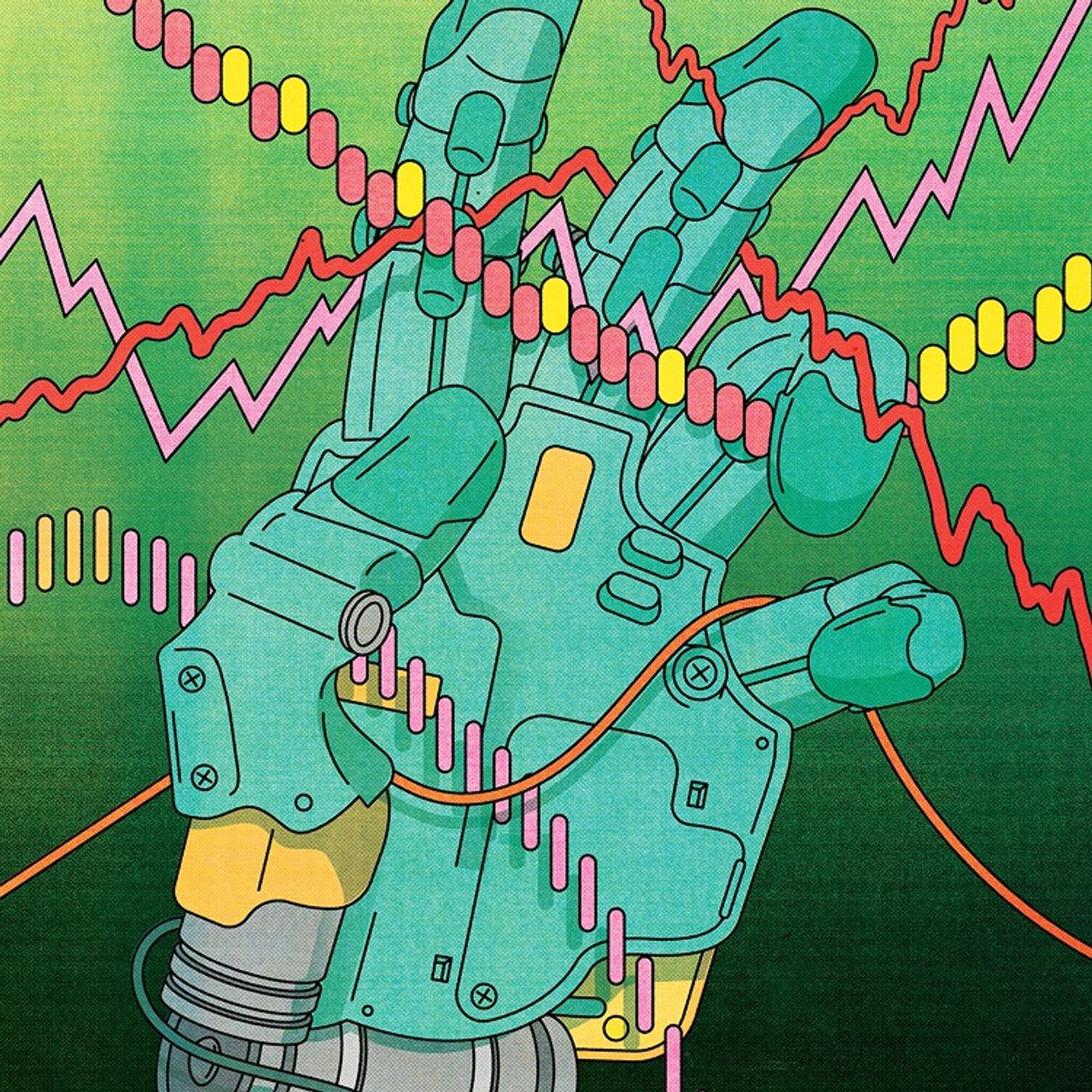
What A.I. Is Actually Doing to the Economy
27 lug 202634 min<p>As artificial intelligence becomes more advanced, people are getting more nervous about how it could change the economy and their jobs.</p> <p>Ben Casselman, the chief economics correspondent for The New York Times, explains why A.I.’s impact is so hard to pin down and what we can learn from the tech disruptions of the past.</p> <p>Guest: <a href="https://www.nytimes.com/by/ben-casselman" target="_blank" rel="noopener noreferrer"><strong>Ben Casselman</strong></a>, the chief economics correspondent for The New York Times.</p> <p>Background reading: </p> <ul> <li><a href="https://www.nytimes.com/by/ben-casselman" target="_blank" rel="noopener noreferrer"><strong>Ben Casselman</strong></a>, the chief economics correspondent for The New York Times.</li> </ul> <p>Photo: George Wylesol</p> <p>For more information on today’s episode, visit <a href="http://nytimes.com/thedaily?smid=pc-thedaily" rel="noopener noreferrer"><strong>nytimes.com/thedaily</strong></a>. Transcripts of each episode will be made available by the next workday. </p> <p><p>Subscribe today at <a href="http://nytimes.com/podcasts">nytimes.com/podcasts</a> or on Apple Podcasts and Spotify. You can also subscribe via your favorite podcast app here <a href="https://www.nytimes.com/activate-access/audio?source=podcatcher">https://www.nytimes.com/activate-access/audio?source=podcatcher</a>. For more podcasts and narrated articles, download The New York Times app at nytimes.com/app.</p></p><br/> <p>Hosted by Simplecast, an AdsWizz company. See <a href="https://pcm.adswizz.com">pcm.adswizz.com</a> for information about our collection and use of personal data for advertising.</p>

Why Do Some Memories Survive Dementia?
26 lug 202629 min<p>When the Times reporter Ellen Barry’s father developed dementia after a fall, her family spent years trying to manage his erratic behavior and confusion. They struggled to convince him that he was home, he was safe, and he shouldn’t try to leave. The experience was exasperating and impossible to understand.</p> <p>Today, Ellen tells the story of those years, and of how she discovered scientific research that helped explain everything her family had lived through — research that could potentially help to save precious memories from being lost forever.</p> <p><strong>On Today’s Episode</strong></p> <p><a href="https://www.nytimes.com/by/ellen-barry" target="_blank" rel="noopener noreferrer"><strong>Ellen Barry</strong></a>, a mental health reporter for The New York Times</p> <p><strong>Background Reading</strong></p> <p><a href="https://www.nytimes.com/2026/05/07/science/dementia-memory-brain-injury.html" target="_blank" rel="noopener noreferrer">When My Father’s Canary Flew Away</a></p> <p><p>For more information on today’s episode, visit <a href="http://nytimes.com/thedaily?smid=pc-thedaily"><strong>nytimes.com/thedaily</strong></a>. Transcripts of each episode will be made available by the next workday. </p><p> </p><p>Subscribe today at <a href="http://nytimes.com/podcasts">nytimes.com/podcasts</a> or on Apple Podcasts and Spotify. You can also subscribe via your favorite podcast app here <a href="https://www.nytimes.com/activate-access/audio?source=podcatcher">https://www.nytimes.com/activate-access/audio?source=podcatcher</a>. For more podcasts and narrated articles, download The New York Times app at nytimes.com/app.</p></p><br/> <p>Hosted by Simplecast, an AdsWizz company. See <a href="https://pcm.adswizz.com">pcm.adswizz.com</a> for information about our collection and use of personal data for advertising.</p>

Karl-Anthony Towns Knows the Knicks' Win Was Bigger Than Basketball
25 lug 202639 min<p>New York’s star center on playing for his mom, Patrick Ewing. generations of emotional fans — and himself.</p> <ul> <li>Thoughts? Email us at <strong>theinterview@nytimes.com</strong></li> <li>Watch our show on YouTube: <a href="https://www.youtube.com/@theinterviewpodcast" rel="noopener noreferrer"><strong>youtube.com/@TheInterviewPodcast</strong></a></li> <li>For transcripts and more, visit: <a href="https://www.nytimes.com/column/the-interview" rel="noopener noreferrer"><strong>nytimes.com/theinterview</strong></a></li> </ul> <p><p>Subscribe today at <a href="http://nytimes.com/podcasts">nytimes.com/podcasts</a> or on Apple Podcasts and Spotify. You can also subscribe via your favorite podcast app here <a href="https://www.nytimes.com/activate-access/audio?source=podcatcher">https://www.nytimes.com/activate-access/audio?source=podcatcher</a>. For more podcasts and narrated articles, download The New York Times app at nytimes.com/app.</p></p><br/> <p>Hosted by Simplecast, an AdsWizz company. See <a href="https://pcm.adswizz.com">pcm.adswizz.com</a> for information about our collection and use of personal data for advertising.</p>

Could ‘Trump Accounts’ Actually Close the Wealth Gap?
24 lug 202631 min<p>This month, President Trump announced the start of “Trump accounts,” an investment device that could eventually help address the nation’s wealth gap.</p> <p>Claire Cain Miller, who covers families and education for The New York Times, explains how these accounts work and why so many Americans have yet to sign up.</p> <p>Guest: <a href="https://www.nytimes.com/by/claire-cain-miller" target="_blank" rel="noopener noreferrer"><strong>Claire Cain Miller</strong></a> writes for <a href="https://www.nytimes.com/section/upshot" target="_blank" rel="noopener noreferrer">The Upshot</a>, which uses data and visuals to help explain the world.</p> <p>Background reading: </p> <ul> <li>Many children don’t have Trump accounts. <a href="https://www.nytimes.com/2026/07/02/upshot/trump-investment-accounts-children.html" target="_blank" rel="noopener noreferrer">Some are missing out on $1,000</a>.</li> </ul> <p>Photo: Allison Robbert for The New York Times</p> <p>For more information on today’s episode, visit <a href="http://nytimes.com/thedaily?smid=pc-thedaily" rel="noopener noreferrer"><strong>nytimes.com/thedaily</strong></a>. Transcripts of each episode will be made available by the next workday. </p> <p><p>Subscribe today at <a href="http://nytimes.com/podcasts">nytimes.com/podcasts</a> or on Apple Podcasts and Spotify. You can also subscribe via your favorite podcast app here <a href="https://www.nytimes.com/activate-access/audio?source=podcatcher">https://www.nytimes.com/activate-access/audio?source=podcatcher</a>. For more podcasts and narrated articles, download The New York Times app at nytimes.com/app.</p></p><br/> <p>Hosted by Simplecast, an AdsWizz company. See <a href="https://pcm.adswizz.com">pcm.adswizz.com</a> for information about our collection and use of personal data for advertising.</p>

Why Is the U.S. Building the Saudi Nuclear Program While Destroying Iran’s?
23 lug 202625 min<p>The United States signed a landmark deal on Wednesday that allows Saudi Arabia to develop a nuclear program. At the same time, President Trump is escalating the war in Iran, a conflict that the White House says aims to destroy the country’s nuclear capabilities.</p> <p>David E. Sanger, a national security correspondent for The New York Times, explains what Saudi Arabia and the United States are getting out of the deal.</p> <p>Guest: <a href="https://www.nytimes.com/by/david-e-sanger" target="_blank" rel="noopener noreferrer"><strong>David E. Sanger</strong></a>, the White House and national security correspondent for The New York Times.</p> <p>Background reading: </p> <ul> <li><a href="https://www.nytimes.com/2026/07/22/us/trump-saudi-nuclear-deal.html" target="_blank" rel="noopener noreferrer">The United States signed a deal</a> to help Saudi Arabia obtain nuclear power.</li> <li>With his latest threats, <a href="https://www.nytimes.com/2026/07/21/us/politics/trump-iran-threats.html" target="_blank" rel="noopener noreferrer">Mr. Trump has signaled to Iran that he is willing to escalate</a>.</li> </ul> <p>Photo: Kenny Holston/The New York Times</p> <p>For more information on today’s episode, visit <a href="http://nytimes.com/thedaily?smid=pc-thedaily" rel="noopener noreferrer"><strong>nytimes.com/thedaily</strong></a>. Transcripts of each episode will be made available by the next workday. </p> <p><p>Subscribe today at <a href="http://nytimes.com/podcasts">nytimes.com/podcasts</a> or on Apple Podcasts and Spotify. You can also subscribe via your favorite podcast app here <a href="https://www.nytimes.com/activate-access/audio?source=podcatcher">https://www.nytimes.com/activate-access/audio?source=podcatcher</a>. For more podcasts and narrated articles, download The New York Times app at nytimes.com/app.</p></p><br/> <p>Hosted by Simplecast, an AdsWizz company. See <a href="https://pcm.adswizz.com">pcm.adswizz.com</a> for information about our collection and use of personal data for advertising.</p>
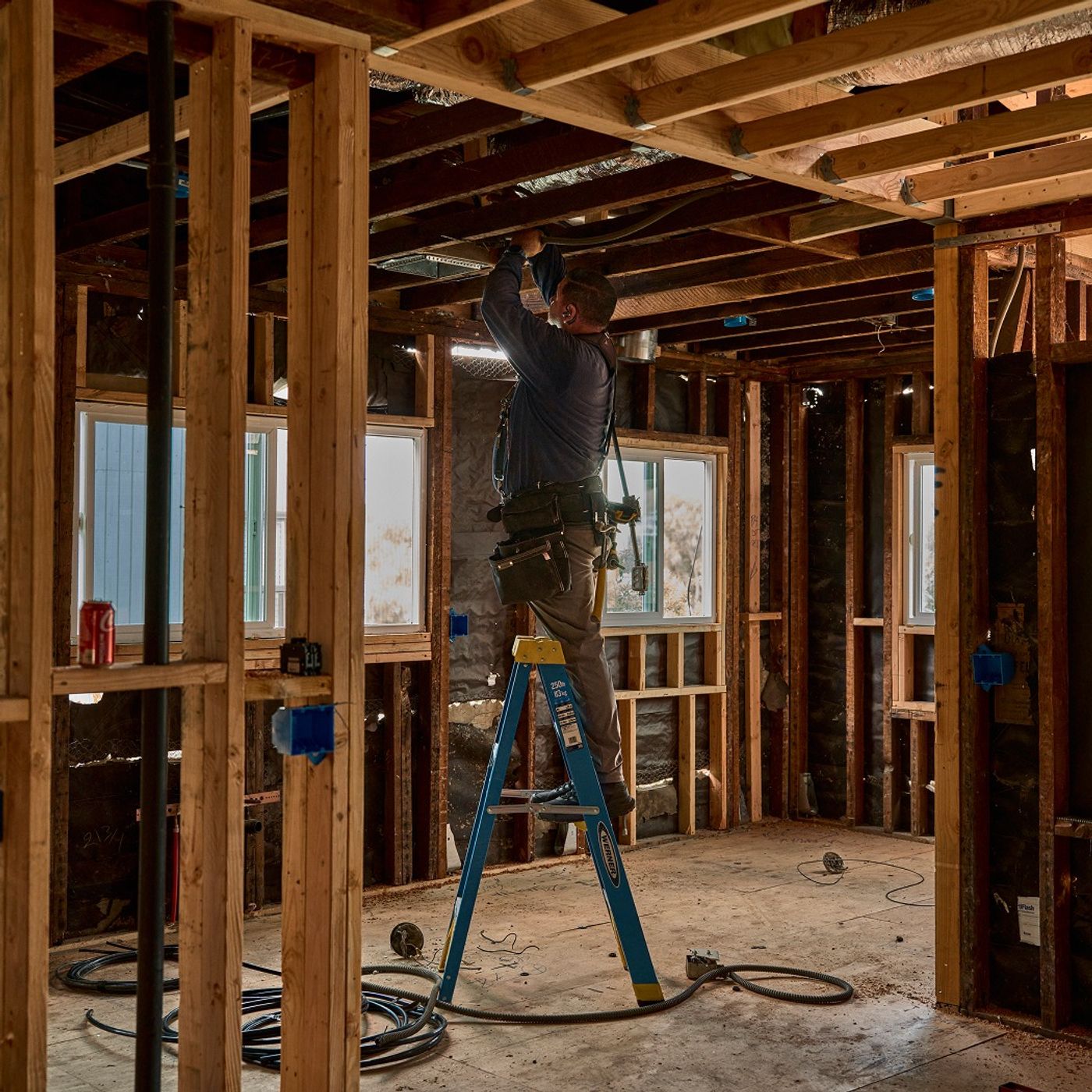
Trump’s Clashing Goals: More Housing, Fewer Immigrants
22 lug 202636 min<p>To address the United States’ acute housing shortage, Congress recently passed a landmark piece of legislation designed to encourage the construction of new homes.</p> <p>The problem is that President Trump’s crackdown on immigration has taken aim at the work force required to build those homes.</p> <p>Ronda Kaysen, who covers housing for The New York Times, explains how the U.S. housing industry became so dependent on immigrant labor.</p> <p>Guest: <a href="https://www.nytimes.com/by/ronda-kaysen" target="_blank" rel="noopener noreferrer"><strong>Ronda Kaysen</strong></a>, a real estate reporter for The New York Times who covers the intersection of housing and society.</p> <p>Background reading: </p> <ul> <li><a href="https://www.nytimes.com/2026/01/14/upshot/home-construction-roofers-immigration.html" target="_blank" rel="noopener noreferrer">Where did all the American-born roofers go</a>?</li> <li><a href="https://www.nytimes.com/2026/07/11/business/economy/housing-bill-affordability.html" target="_blank" rel="noopener noreferrer">Here’s what is in the housing bill</a> that just became law.</li> </ul> <p>Photo: Philip Cheung for The New York Times</p> <p>For more information on today’s episode, visit <a href="http://nytimes.com/thedaily?smid=pc-thedaily" rel="noopener noreferrer"><strong>nytimes.com/thedaily</strong></a>. Transcripts of each episode will be made available by the next workday. </p> <p><p>Subscribe today at <a href="http://nytimes.com/podcasts">nytimes.com/podcasts</a> or on Apple Podcasts and Spotify. You can also subscribe via your favorite podcast app here <a href="https://www.nytimes.com/activate-access/audio?source=podcatcher">https://www.nytimes.com/activate-access/audio?source=podcatcher</a>. For more podcasts and narrated articles, download The New York Times app at nytimes.com/app.</p></p><br/> <p>Hosted by Simplecast, an AdsWizz company. See <a href="https://pcm.adswizz.com">pcm.adswizz.com</a> for information about our collection and use of personal data for advertising.</p>

As the Iran War Escalates, Is the U.S. Hiding Its Toll?
21 lug 202626 min<p>The war in Iran has recently escalated in dangerous new ways, drawing in Bahrain, Kuwait and Saudi Arabia, as the Trump administration reeled from the Iranian killing of U.S. service members in Jordan.</p> <p>Eric Schmitt, a national security correspondent for The New York Times, discusses the latest attacks, and how they’ve coincided with a decision by the U.S. military to disclose less about the war.<br><br> Guest: <a href="https://www.nytimes.com/by/eric-schmitt" target="_blank" rel="noopener noreferrer"><strong>Eric Schmitt</strong></a>, a national security correspondent for The New York Times based in Washington.</p> <p>Background reading: </p> <ul> <li>The Pentagon has <a href="https://www.nytimes.com/2026/07/20/us/iran-war-us-soldiers-killed-jordan-identified.html" target="_blank" rel="noopener noreferrer">identified two U.S. soldiers</a> who were killed in an Iranian attack in Jordan.</li> <li><a href="https://www.nytimes.com/2026/07/20/us/politics/troops-injured-jordan-iran-war.html" target="_blank" rel="noopener noreferrer">The Pentagon withheld dozens of U.S. military injuries</a> in the war in Iran.</li> <li><a href="https://www.nytimes.com/live/2026/07/20/world/iran-war-strikes-trump-hormuz" target="_blank" rel="noopener noreferrer">Read live updates</a> on the war.</li> </ul> <p>Photo: Salwan Georges for The New York Times</p> <p>For more information on today’s episode, visit <a href="http://nytimes.com/thedaily?smid=pc-thedaily" rel="noopener noreferrer"><strong>nytimes.com/thedaily</strong></a>. Transcripts of each episode will be made available by the next workday. </p> <p><p>Subscribe today at <a href="http://nytimes.com/podcasts">nytimes.com/podcasts</a> or on Apple Podcasts and Spotify. You can also subscribe via your favorite podcast app here <a href="https://www.nytimes.com/activate-access/audio?source=podcatcher">https://www.nytimes.com/activate-access/audio?source=podcatcher</a>. For more podcasts and narrated articles, download The New York Times app at nytimes.com/app.</p></p><br/> <p>Hosted by Simplecast, an AdsWizz company. See <a href="https://pcm.adswizz.com">pcm.adswizz.com</a> for information about our collection and use of personal data for advertising.</p>

More Trump Tariffs Are Coming
20 lug 202640 min<p>At a moment when inflation and affordability are on virtually everyone’s mind in America, Jamieson Greer, the U.S. trade representative, said the Trump administration was planning a new slate of tariffs.</p> <p>Ana Swanson, who covers international trade for The New York Times and spoke to Mr. Greer, explains why Greer thinks the policy has been a success.</p> <p>Guest: <a href="https://www.nytimes.com/by/ana-swanson" target="_blank" rel="noopener noreferrer"><strong>Ana Swanson</strong></a> covers trade and international economics for The New York Times.</p> <p>Background reading: </p> <ul> <li><a href="https://www.nytimes.com/2026/02/16/business/economy/jamieson-greer-trump-trade.html" target="_blank" rel="noopener noreferrer">Mr. Greer is the quiet architect</a> of President Trump’s global trade war.</li> </ul> <p>Photo: Tierney L. Cross/The New York Times</p> <p>For more information on today’s episode, visit <a href="http://nytimes.com/thedaily?smid=pc-thedaily" rel="noopener noreferrer"><strong>nytimes.com/thedaily</strong></a>. Transcripts of each episode will be made available by the next workday. </p> <p><p>Subscribe today at <a href="http://nytimes.com/podcasts">nytimes.com/podcasts</a> or on Apple Podcasts and Spotify. You can also subscribe via your favorite podcast app here <a href="https://www.nytimes.com/activate-access/audio?source=podcatcher">https://www.nytimes.com/activate-access/audio?source=podcatcher</a>. For more podcasts and narrated articles, download The New York Times app at nytimes.com/app.</p></p><br/> <p>Hosted by Simplecast, an AdsWizz company. See <a href="https://pcm.adswizz.com">pcm.adswizz.com</a> for information about our collection and use of personal data for advertising.</p>

The World Cup Final Is Here
19 lug 202631 min<p>After a month of competition across North America and 103 matches, the 2026 World Cup is down to its final game. Spain and Argentina will meet this afternoon in a match expected to draw over one billion viewers around the world. <br><br> Spain is hoping its well-oiled machine and young star can bring it its second World Cup win. Argentina is looking to Lionel Messi, its longtime star, to secure victory in what could be his last game at the World Cup.</p> <p>On today’s episode, Tariq Panja traces the road to this historic final and explains what to know before kickoff.</p> <p><strong>Tariq Panja</strong>, a global sports correspondent for The New York Times.<br><br><strong>Background Reading</strong></p> <p><a href="https://www.nytimes.com/2026/06/29/podcasts/the-daily/world-cup-iran.html" target="_blank" rel="noopener noreferrer">Why Everyone Cares About This World Cup</a></p> <p> </p> <p><p>For more information on today’s episode, visit <a href="http://nytimes.com/thedaily?smid=pc-thedaily"><strong>nytimes.com/thedaily</strong></a>. Transcripts of each episode will be made available by the next workday. </p><p> </p><p>Subscribe today at <a href="http://nytimes.com/podcasts">nytimes.com/podcasts</a> or on Apple Podcasts and Spotify. You can also subscribe via your favorite podcast app here <a href="https://www.nytimes.com/activate-access/audio?source=podcatcher">https://www.nytimes.com/activate-access/audio?source=podcatcher</a>. For more podcasts and narrated articles, download The New York Times app at nytimes.com/app.</p></p><br/> <p>Hosted by Simplecast, an AdsWizz company. See <a href="https://pcm.adswizz.com">pcm.adswizz.com</a> for information about our collection and use of personal data for advertising.</p>

Zohran Mamdani Knows He Has Political Capital. And He Intends to Spend It.
18 lug 20261h 6m<p>Lulu Garcia-Navarro sits down for an interview with the mayor of New York City.</p> <ul> <li>Thoughts? Email us at <strong>theinterview@nytimes.com</strong></li> <li>Watch our show on YouTube: <a href="https://www.youtube.com/@theinterviewpodcast" rel="noopener noreferrer"><strong>youtube.com/@TheInterviewPodcast</strong></a></li> <li>For transcripts and more, visit: <a href="https://www.nytimes.com/column/the-interview" rel="noopener noreferrer"><strong>nytimes.com/theinterview</strong></a></li> </ul> <p><p>Subscribe today at <a href="http://nytimes.com/podcasts">nytimes.com/podcasts</a> or on Apple Podcasts and Spotify. You can also subscribe via your favorite podcast app here <a href="https://www.nytimes.com/activate-access/audio?source=podcatcher">https://www.nytimes.com/activate-access/audio?source=podcatcher</a>. For more podcasts and narrated articles, download The New York Times app at nytimes.com/app.</p></p><br/> <p>Hosted by Simplecast, an AdsWizz company. See <a href="https://pcm.adswizz.com">pcm.adswizz.com</a> for information about our collection and use of personal data for advertising.</p>

The President, His Plane and the Press
17 lug 202629 min<p>Last Friday night, F.B.I. agents showed up at the homes of several New York Times journalists and summoned them to testify before a grand jury.</p> <p>The move was a response by the Trump administration to an article about the safety of the new Air Force One.</p> <p>Tyler Pager, one of the journalists, discusses the story and the subpoenas.</p> <p>Guest: <a href="https://www.nytimes.com/by/tyler-pager" target="_blank" rel="noopener noreferrer"><strong>Tyler Pager</strong></a>, a White House correspondent for The New York Times.</p> <p>Background reading: </p> <ul> <li><a href="https://www.nytimes.com/2026/07/11/business/media/new-york-times-trump-subpoenas.html" target="_blank" rel="noopener noreferrer">Several Times journalists were subpoenaed</a> as Trump escalates pressure on the media.</li> <li>Officials said the new Air Force One plane <a href="https://www.nytimes.com/2026/07/09/us/politics/new-air-force-one-defensive-countermeasures.html" target="_blank" rel="noopener noreferrer">lacks defensive countermeasures of previous model</a>.</li> </ul> <p>Photo: Doug Mills/The New York Times</p> <p>For more information on today’s episode, visit <a href="http://nytimes.com/thedaily?smid=pc-thedaily" rel="noopener noreferrer"><strong>nytimes.com/thedaily</strong></a>. Transcripts of each episode will be made available by the next workday. </p> <p><p>Subscribe today at <a href="http://nytimes.com/podcasts">nytimes.com/podcasts</a> or on Apple Podcasts and Spotify. You can also subscribe via your favorite podcast app here <a href="https://www.nytimes.com/activate-access/audio?source=podcatcher">https://www.nytimes.com/activate-access/audio?source=podcatcher</a>. For more podcasts and narrated articles, download The New York Times app at nytimes.com/app.</p></p><br/> <p>Hosted by Simplecast, an AdsWizz company. See <a href="https://pcm.adswizz.com">pcm.adswizz.com</a> for information about our collection and use of personal data for advertising.</p>

ICE Ramps Back Up, With Deadly Results
16 lug 202625 min<p>Two fatal shootings by federal immigration agents in Texas and Maine have put the spotlight back on the Trump administration’s deportation tactics.</p> <p>Hamed Aleaziz, who reports on immigration policy, explains how these killings signal a return to a more aggressive form of enforcement.</p> <p>Guest: <a href="https://www.nytimes.com/by/hamed-aleaziz" target="_blank" rel="noopener noreferrer"><strong>Hamed Aleaziz</strong></a>, who covers the Department of Homeland Security and immigration policy in the United States for The New York Times.</p> <p>Background reading: </p> <ul> <li>The <a href="https://www.nytimes.com/2026/07/10/us/ice-immigration-arrests-surge.html" target="_blank" rel="noopener noreferrer">ICE killing in Houston</a> put focus on a surge in immigration arrests.</li> <li>ICE was ordered to cease most vehicle stops <a href="https://www.nytimes.com/2026/07/14/us/ice-agents-traffic-stops.html" target="_blank" rel="noopener noreferrer">after two killings in a week</a>, but then <a href="https://www.nytimes.com/2026/07/15/us/politics/trump-ice-traffic-stops.html" target="_blank" rel="noopener noreferrer">President Trump demanded</a> that the officers continue to stop vehicles.</li> </ul> <p>Photo: Meridith Kohut for The New York Times</p> <p>For more information on today’s episode, visit <a href="http://nytimes.com/thedaily?smid=pc-thedaily" rel="noopener noreferrer"><strong>nytimes.com/thedaily</strong></a>. Transcripts of each episode will be made available by the next workday. </p> <p><p>Subscribe today at <a href="http://nytimes.com/podcasts">nytimes.com/podcasts</a> or on Apple Podcasts and Spotify. You can also subscribe via your favorite podcast app here <a href="https://www.nytimes.com/activate-access/audio?source=podcatcher">https://www.nytimes.com/activate-access/audio?source=podcatcher</a>. For more podcasts and narrated articles, download The New York Times app at nytimes.com/app.</p></p><br/> <p>Hosted by Simplecast, an AdsWizz company. See <a href="https://pcm.adswizz.com">pcm.adswizz.com</a> for information about our collection and use of personal data for advertising.</p>

From Trump’s Attorney to Attorney General: The Rise of Todd Blanche
15 lug 202630 min<p>To be confirmed as the next attorney general, Todd Blanche must convince members of the U.S. Senate that as political as the Department of Justice has become, it would be even worse without him on top.</p> <p>As his confirmation hearing begins, Glenn Thrush, a Justice Department reporter for The New York Times, recounts the unlikely story of how Mr. Blanche became President Trump’s legal enforcer.</p> <p>Guest: <a href="https://www.nytimes.com/by/glenn-thrush" target="_blank" rel="noopener noreferrer"><strong>Glenn Thrush</strong></a>, a Justice Department reporter for The New York Times.</p> <p>Background reading: </p> <ul> <li>A single Republican vote against Mr. Blanche on the Senate Judiciary Committee <a href="https://www.nytimes.com/2026/07/12/us/politics/todd-blanche-attorney-general-confirmation.html" target="_blank" rel="noopener noreferrer">could effectively sink his confirmation</a>, giving Republican senators leverage to extract concessions from him.</li> <li>Mr. Blanche’s cooperation in Mr. Trump’s campaign to identify, investigate and punish those who had once pursued him and his supporters will be a <a href="https://www.nytimes.com/2026/07/14/us/politics/todd-blanche-trump-enemies-emails.html" target="_blank" rel="noopener noreferrer">flashpoint in his confirmation hearing</a>.</li> </ul> <p>Photo: Demetrius Freeman for The New York Times</p> <p>For more information on today’s episode, visit <a href="http://nytimes.com/thedaily?smid=pc-thedaily" rel="noopener noreferrer">nytimes.com/thedaily</a>. Transcripts of each episode will be made available by the next workday. </p> <p><p>Subscribe today at <a href="http://nytimes.com/podcasts">nytimes.com/podcasts</a> or on Apple Podcasts and Spotify. You can also subscribe via your favorite podcast app here <a href="https://www.nytimes.com/activate-access/audio?source=podcatcher">https://www.nytimes.com/activate-access/audio?source=podcatcher</a>. For more podcasts and narrated articles, download The New York Times app at nytimes.com/app.</p></p><br/> <p>Hosted by Simplecast, an AdsWizz company. See <a href="https://pcm.adswizz.com">pcm.adswizz.com</a> for information about our collection and use of personal data for advertising.</p>