
Society
Nouman Ali Khan - Official - Bayyinah
Connect Directly to the Words of Allah Beyond Translation. Go from simply hearing the beauty of the Quran to understanding, feeling and living its divine message. Subscribe to our channel to start your journey through the Quran.
 Open in Hinto
Videos to Learn English39

Struggling with Tawakkul and Hopeless Thoughts | Q&A with Nouman Ali Khan
Jun 4, 2026
Some people feel their hopelessness before they can feel their faith. That is the tension this question sits in: wanting tawakkul in Allah but facing a mind that keeps insisting nothing will change. In this recent live Q&A session during Ramadan, with questions taken from our new Revealed app, Ustadh Nouman Ali Khan draws a clear line between faith and the absence of doubt. Faith is not being unfazed. It is choosing to hold onto what Allah says when fear and doubt are loudest. The Quran does not ask us to be superhuman. It gives us real stories of real pain held with real faith. He points to Ya'qub (AS) who lost his son, lost his sight and lived daily beside the very brothers who caused his grief, yet still said in the 87th ayah of Surah Yusuf: لَا تَيْأَسُوا۟ مِن رَّوْحِ ٱللَّهِ (only disbelievers despair of God’s mercy). Ustadh Nouman also offers an honest reminder: if your mental distress is significant, it is not only a spiritual problem. Seeking real care is not a sign of weak faith. Let those Quranic stories sit with you, not as history but as companions in your own pain. Want to ask a question like this? Sign up for the Revealed app and submit your questions directly for future Q&A sessions: https://byna.tv/revealed2. ------------------------------ 📚 Start your Quran journey at https://www.bayyinahtv.com 🎁 Sponsor a soul who seeks the Quran with a Bayyinah TV membership at https://bayyinah.com/gift

Being Muslim Is Not the Same as Having Faith | Surah Al-Hujurat | Nouman Ali Khan
Jun 1, 2026
In this clip from Surah Al-Hujurat Deeper Look Series Ustadh Nouman Ali Khan talks about one of the most overlooked distinctions in the entire Quran: the difference between Islam and Iman. He explains that Islam is quantitative, you are either Muslim or you are not, but Iman is qualitative, meaning the depth of your faith is always in motion, always varying, and always being measured by Allah in ways we cannot see in each other. He also draws a line that cuts deep: when Muslims reduce their deen entirely to law, asking only "is it haram?" and nothing more, they strip away the entire moral and ethical dimension that makes Islam a complete way of life. Surah Al-Hujurat يَا أَيُّهَا الَّذِينَ آمَنُوا (49:11) addresses the Ummah not as a struggling minority, but as a civilization being shaped for the world and with that power comes serious accountability. This is not just history. It is a mirror for every Muslim navigating faith, community and identity today. Watch the full Deeper Look series exclusively on Bayyinah TV at https://byna.tv/338. ------------------------------ 📚 Start your Quran journey at https://byna.tv/338 🎁 Sponsor a soul who seeks the Quran with a Bayyinah TV membership at https://byna.tv/gift11

The Idols of Our Time (Prophet Ibrahim’s Legacy) | Eid Al Adha Khutbah | Nouman Ali Khan
May 27, 2026
During today's Eid al-Adha khutbah, Ustadh Nouman Ali Khan reflects on the legacy of Prophet Ibrahim عليه السلام through one powerful question from the Quran: “What are these statues to which you are so devoted?” Surah Al-Anbiya 21:52 The khutbah explores the word tamāthīl — representations, idols, or images that people give meaning to — and the word ‘ākifūn, referring to being deeply attached, devoted, or constantly occupied with something. While the people of Ibrahim عليه السلام had physical idols, this reminder brings the question into our lives today. What are the modern idols we carry in our minds? Status, beauty, influencers, followers, weddings, wealth, family pressure, cultural expectations, success, social media, reputation, or the need to be respected? This Eid reminder challenges us to think deeply about the ideas we have inherited, the expectations we have accepted, and the false connections we have made between happiness, success, and the things society tells us to chase. May Allah make us people who revive the legacy of Ibrahim عليه السلام by questioning false idols, freeing ourselves from harmful expectations, and making choices that are pleasing to Him. ------------------------------ 📚 Start your Quran journey at https://www.bayyinahtv.com 🎁 Sponsor a soul who seeks the Quran with a Bayyinah TV membership at https://bayyinah.com/gift
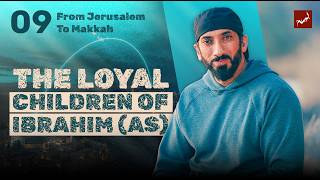
Ep 9 - Carrying What They Could Not | Dhul Hijjah 2026 | From Jerusalem to Makkah | Nouman Ali Khan
May 26, 2026
One of the most striking features of the Quran is echoes, moments where Allah says something to Bani Isra'il and then turns and says something remarkably similar to us, as if holding up a mirror. In this final episode of *From Jerusalem to Makkah*, Ustadh Nouman Ali Khan draws together the parallel passages that frame this entire section of Surah Al-Baqarah: what Allah told the Israelites and what He is now telling us, the pattern repeated so that we may recognize it and choose differently. The transition from Jerusalem to Makkah was not simply geographic. It was the passing of a trust from one Ummah to another, with all of the same tests, the same warnings and the same opportunities for failure waiting on the other side. Ibrahim (AS) is the foundation of Hajj. But this surah, Ustadh Nouman reminds us, is the surah of Muslim identity itself: the surah that changed our direction, inaugurated us as an Ummah and called us to be *ummatan wasata*. May we live up to what that means. Follow along with the series using the companion workbook. Download it here: https://bayyinah.com/fromjerusalemtomakkah These reflections come from my personal notes on Surah Al-Baqarah. You can experience the full, guided series of this surah and many more on Bayyinah TV: https://byna.tv/21 And if you want to open the Quran itself, to read it, understand it and reflect on it ayah by ayah, you can do that through the mushaf experience on Revealed: https://byna.tv/revealed2 Already a member? Gift someone a Bayyinah TV membership and let them experience the Quran with you: https://byna.tv/gift1

Ep 8 - Remember Me, I Will Remember You | Dhul Hijjah 2026 | Jerusalem to Makkah | Nouman Ali Khan
May 25, 2026
After all of the wisdom about the Qibla, its history and its implications, Allah says simply: "Therefore, remember Me. I shall remember you." In this episode, Ustadh Nouman Ali Khan unpacks why this is not a passive command. The word *fadhkuruni,* "therefore remember Me", is connected to everything that came before it, which means the remembrance Allah is calling us to is purposeful, directional and alive. When you remember Allah in that way, making Him your priority and your orientation, Allah says He will remember you, which means He will prioritize your guidance, your needs, your navigation through difficulty. Ustadh Nouman then brings the entire passage home with *ista'inu bis-sabri was-salah*: seek help through patience and prayer. The prayer came after the patience because behind the change of direction is the full story of sabr, the sabr of Ibrahim (AS) and the Prophet ﷺ. Real salah is a connection to that legacy, not a five-minute ritual. Follow along with the series using the companion workbook. Download it here: https://bayyinah.com/fromjerusalemtomakkah These reflections come from my personal notes on Surah Al-Baqarah. You can experience the full, guided series of this surah and many more on Bayyinah TV: https://byna.tv/21 And if you want to open the Quran itself, to read it, understand it and reflect on it ayah by ayah, you can do that through the mushaf experience on Revealed: https://byna.tv/revealed2 Already a member? Gift someone a Bayyinah TV membership and let them experience the Quran with you: https://byna.tv/gift1

Ep 7 - Fear Allah, Not People | Dhul Hijjah 2026 | From Jerusalem to Makkah | Nouman Ali Khan
May 24, 2026
Allah says almost the same thing three times in this passage: turn your face toward the Sacred Mosque. The Quran doesn't repeat without purpose. In this episode, Ustadh Nouman Ali Khan explains what the repetition is pointing to in Surah Al-Baqarah (2:149–150): every action we take should carry the same direction, the same purposefulness, as turning toward the Ka’bah in prayer. It cannot be that we face the Qibla for salah and then turn every other direction in our dealings, our character and our commitments. Allah makes the point explicit: turn toward Me so that people will not have a case against you on the Day of Judgment. Don't be afraid of them. Be afraid of Me. Ustadh Nouman connects this to the story of Ibrahim (AS), for whom standing against the pressure of people meant being thrown into fire and for whom Allah completed His favor anyway. The same promise is extended to us. Follow along with the series using the companion workbook. Download it here: https://bayyinah.com/fromjerusalemtomakkah These reflections come from my personal notes on Surah Al-Baqarah. You can experience the full, guided series of this surah and many more on Bayyinah TV: https://byna.tv/21 And if you want to open the Quran itself, to read it, understand it and reflect on it ayah by ayah, you can do that through the mushaf experience on Revealed: https://byna.tv/revealed2 Already a member? Gift someone a Bayyinah TV membership and let them experience the Quran with you: https://byna.tv/gift1

Ep 6 - Every Heart Has a Direction | Dhul Hijjah 2026 | From Jerusalem to Makkah | Nouman Ali Khan
May 23, 2026
After the elaborate wisdom of why the Qibla was changed, Allah steps back and offers an axiom: every single person in the world has a direction they are heading toward, and knowingly or not, they are pulling others with them. In this episode, Ustadh Nouman Ali Khan walks through Surah Al-Baqarah (2:148) and unpacks a word that changes everything: *istibaq*, the kind of racing where the only competitor is the goal itself. Not a race against others, but a sprint toward *al-khairat,* the plural, meaning the many unique opportunities for good that Allah has placed in front of each of us differently. Ustadh Nouman then opens up the image at the end of the ayah: wherever we are, doing different good, racing toward different khair, Allah will bring us all together. This episode turns what could be a simple motivational ayah into a complete framework for how we understand purpose, legacy and the limited time we've been given to run. Follow along with the series using the companion workbook. Download it here: https://bayyinah.com/fromjerusalemtomakkah These reflections come from my personal notes on Surah Al-Baqarah. You can experience the full, guided series of this surah and many more on Bayyinah TV: https://byna.tv/21 And if you want to open the Quran itself, to read it, understand it and reflect on it ayah by ayah, you can do that through the mushaf experience on Revealed: https://byna.tv/revealed2 Already a member? Gift someone a Bayyinah TV membership and let them experience the Quran with you: https://byna.tv/gift1

Ep 5 - Truth Above Credentials | Dhul Hijjah 2026 | From Jerusalem to Makkah | Nouman Ali Khan
May 22, 2026
What do you do when the people opposing the truth are themselves scholars, and their opposition is not based on evidence but on something much harder to see? In this episode, Ustadh Nouman Ali Khan examines the passage in Surah Al-Baqarah where Allah tells the Prophet ﷺ plainly: no matter what evidence you bring, they will not follow your direction. This is not an intellectual problem. It is a problem of bias. Ustadh Nouman draws out the two patterns Allah identifies: scholars who mask their rejection with credentials and social pressure, and scholars who hide parts of the truth by simply never mentioning them, flooding their audiences with content on everything else. The application is sobering. These same patterns can emerge in Muslim religious tradition when a particular strand of the faith is elevated at the expense of the rest. This is precisely why thoughtful, continuous engagement with the Quran in its entirety is not optional, it is the only protection against being pigeonholed into a corner of the truth. Follow along with the series using the companion workbook. Download it here: https://bayyinah.com/fromjerusalemtomakkah These reflections come from my personal notes on Surah Al-Baqarah. You can experience the full, guided series of this surah and many more on Bayyinah TV: https://byna.tv/21 And if you want to open the Quran itself, to read it, understand it and reflect on it ayah by ayah, you can do that through the mushaf experience on Revealed: https://byna.tv/revealed2 Already a member? Gift someone a Bayyinah TV membership and let them experience the Quran with you: https://byna.tv/gift1

Ep 4 - Smashing the Idols Within | Dhul Hijjah 2026 | From Jerusalem to Makkah | Nouman Ali Khan
May 21, 2026
Of all the things Allah could have captured in the moment the Qibla changed, He captured the Prophet's ﷺ face turning toward the sky. In this episode, Ustadh Nouman Ali Khan examines Surah Al-Baqarah (2:144) and resolves what seems like a contradiction, was the change of Qibla about Ibrahim's (AS) legacy, or about pleasing the Prophet ﷺ? The answer is that they are the same thing. Thousands of years apart, Ibrahim (AS) and the Prophet ﷺ felt the same ache: the longing to align with the truth when those around them were committed to suppressing it. Every time we turn toward the Ka’bah in prayer, Ustadh Nouman explains, we are reenacting that same act of resistance. The ritual is the surface. Underneath it is the continuous refusal to let the mob, whether a village, a tribe or a comment section, become our god. The idols have changed form. The smashing hasn't. Follow along with the series using the companion workbook. Download it here: https://bayyinah.com/fromjerusalemtomakkah These reflections come from my personal notes on Surah Al-Baqarah. You can experience the full, guided series of this surah and many more on Bayyinah TV: https://byna.tv/21 And if you want to open the Quran itself, to read it, understand it and reflect on it ayah by ayah, you can do that through the mushaf experience on Revealed: https://byna.tv/revealed2 Already a member? Gift someone a Bayyinah TV membership and let them experience the Quran with you: https://byna.tv/gift1