
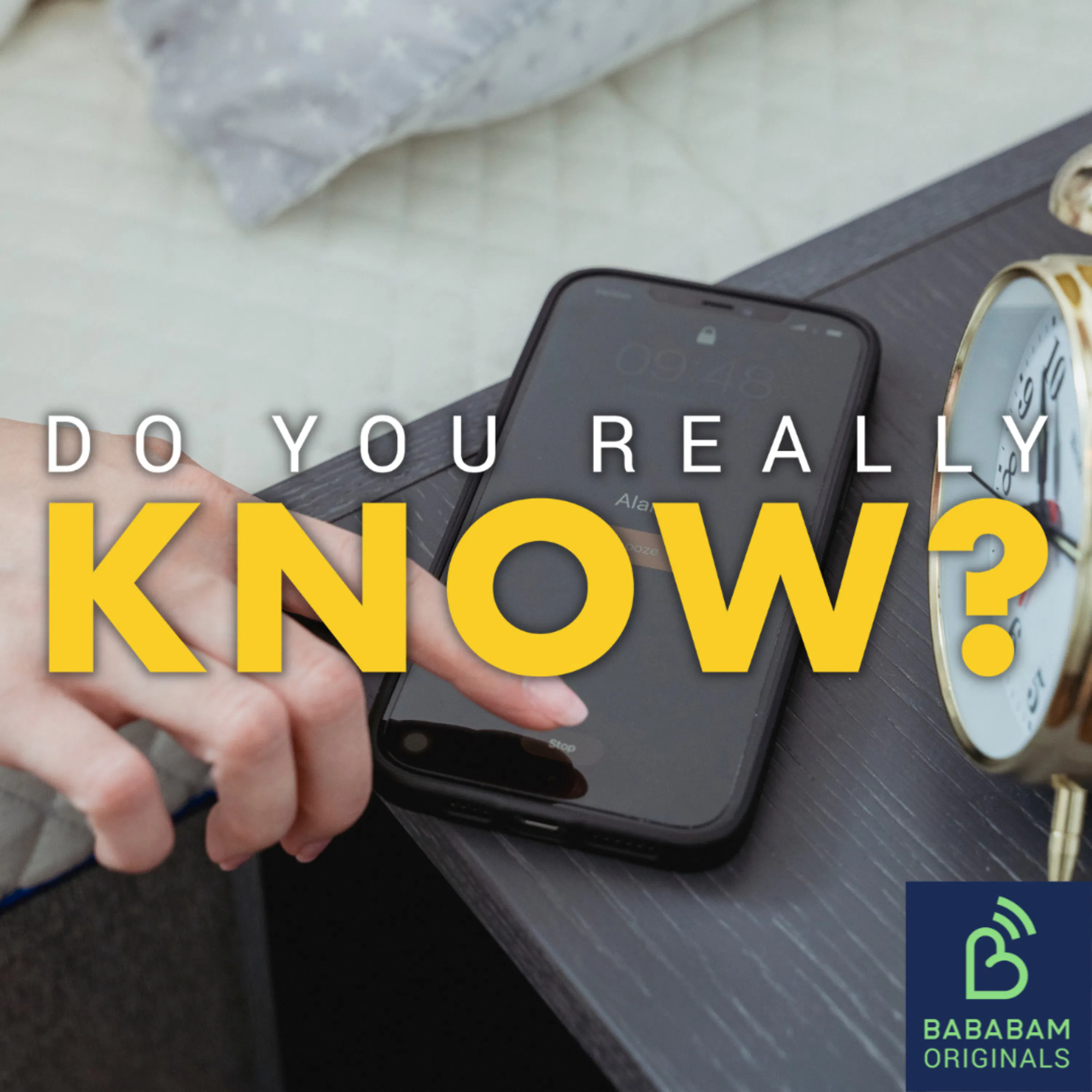
Why shouldn't we use the snooze function on our alarm clock?
 Do you really know?
 In Hinto öffnen
Über diese Folge
We all know the feeling of not wanting to get out of bed first thing in the morning. It can be tempting to press the "snooze" button on your alarm clock to grab a few extra minutes of sleep. And research has shown that it’s a very common habit. In October 2022, results from a University of Notre Dame study on the subject were published in Sleep journal. The study found that 57% of people snooze, with certain groups of people being more likely to do so than others. For example, the younger a study participant was, the more likely they were to snooze. Women were also more commonly snoozers than men. The thing is, neuroscientists say that snoozing isn’t actually the bright idea that it might seem. While the temporary respite is pleasant at the time, there are other health-related reasons for not snoozing. Why is that then? Does going back to sleep restart the sleep cycle? In under 3 minutes, we answer your questions! To listen to the last episodes, you can click here: Are gas cookers dangerous? How do I know if I'm allergic to gluten? Are men really more sensitive to pain than women? A podcast written and realised by Joseph Chance. First broadcast: 25/11/2023 Learn more about your ad choices. Visit megaphone.fm/adchoices
Hör diese Folge auf Englisch, um Englisch zu lernen
Podcast-Folgen sind eine der dichtesten Möglichkeiten, Englisch im nativen Tempo aufzunehmen. Why shouldn't we use the snooze function on our alarm clock? von Do you really know? bietet dir natürliche Dialoge, unvorbereitete Sprache und Vokabular, das wirklich in echten Gesprächen auftaucht.
In der Hinto-App ist jedes Wort im Transkript antippbar. Tippe auf ein unbekanntes Wort, sieh die Übersetzung in deiner Sprache sofort und höre weiter, ohne aus dem Fluss zu kommen.
Folgen zum Englischlernen
- How did Latin music take over the world? 6. Nov. 2026
- What is cookie jarring in the dating world? 6. Nov. 2026
- What is the Batman effect? 6. Nov. 2026
- Is it bad to drink water with a meal? 5. Nov. 2026
- What is the Werther effect? 5. Nov. 2026
- What are Butler Cafés? 5. Nov. 2026
- How long does love last according to science? 4. Nov. 2026
- What is reverse ageing? 4. Nov. 2026
- Why do we get screen apnea? 4. Nov. 2026
- Is it best sleeping in total darkness? 3. Nov. 2026
- What do you get better at with age? 3. Nov. 2026
- How does daylight saving affect your health? 3. Nov. 2026
- What is postpartum psychosis? 2. Nov. 2026
- How can I stop smoking? 2. Nov. 2026
- Why are some deadly diseases re-emerging? 2. Nov. 2026
- What household products should I avoid? 1. Nov. 2026
- Why is the brain our biggest sex organ? 1. Nov. 2026
- Are fresh vegetables better for you than frozen ones? 1. Nov. 2026
- Why do we celebrate Halloween? 31. Okt. 2026
- Why do we love horror films so much? 31. Okt. 2026
- What are some of the most common phobias? 31. Okt. 2026
- Can you still learn a new language as an adult? 30. Okt. 2026
- What does the popcorn index teach us about the economy? 30. Okt. 2026
- Can I cure my fear of spiders? 30. Okt. 2026
- Are twins really telepathic ? 29. Okt. 2026
- Could love echoing be damaging your relationship prospects? 29. Okt. 2026
- What are the best natural remedies for insomnia? 29. Okt. 2026
- How often should I cut my hair? 28. Okt. 2026
- How can you beat hangxiety? 28. Okt. 2026
- Why are some people always late? 28. Okt. 2026


