
 Do you really know?
  Open in Hinto
 About this episode
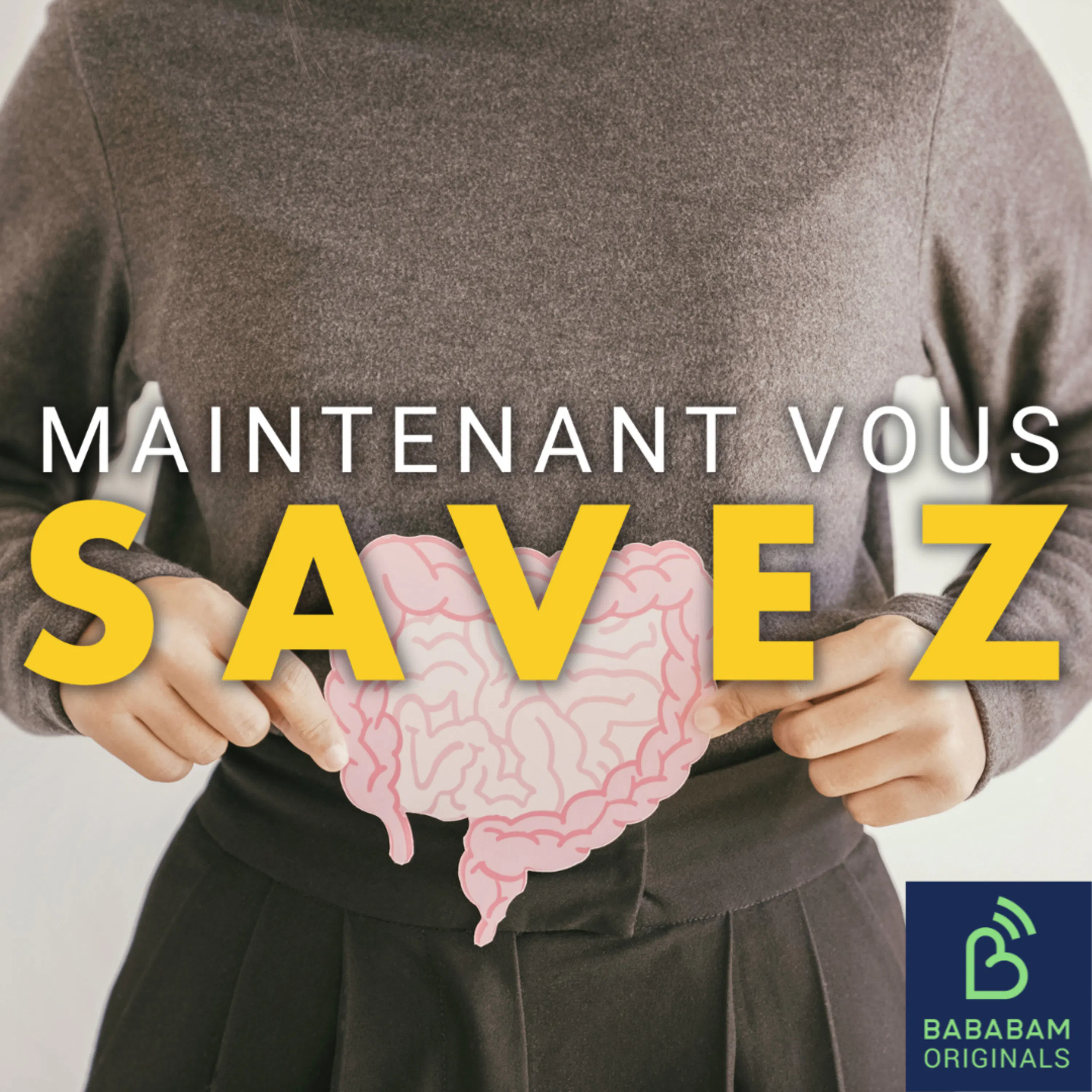
You have surely felt butterflies in your stomach before a big event or had a ‘gut’ feeling about something. You might even say you need to ‘digest’ some big news. Our stomach is sometimes dubbed the ‘second brain’ and it's more than just a metaphor. The term gained traction in the West in 1999, thanks to Dr. Michael Gershon’s book “The Second Brain.” However, the concept isn’t new. Ayurvedic medicine, an ancient Indian healing system, has recognized the gut-brain connection for thousands of years. In Ayurveda, the digestive system and the mind are intertwined; a disturbance in one affects the other. This link is embodied in the concept of Agni, or ‘digestive fire,’ which pertains to both physical digestion and the processing of emotions and thoughts. Nourishing our Agni with the right foods can make us feel better, both physically and mentally. Where did this idea originate? Is there scientific backing for this brain-gut connection? Can taking care of our gut improve our mental well-being? In under 3 minutes, we answer your questions! To listen to the last episodes, you can click here: Is taking milk with coffee good for you? What benefits can we get from journaling? Which foods and drinks stain teeth? A podcast written and realised by Amber Minogue. Learn more about your ad choices. Visit megaphone.fm/adchoices
Listen to this episode in English to learn English
Podcast episodes are one of the highest-density ways to absorb English at native pace. Is the gut really our "second brain"? from Do you really know? gives you natural dialogue, unscripted speech, and vocabulary that actually appears in real conversations.
In the Hinto app, every word in the transcript is tappable. Tap an unknown word, see the translation in your language instantly, and keep listening without breaking flow.
Episodes to Learn English
- How many people does it take to start a revolution? Sep 16, 2026
- What is PimEyes, the powerful tool ending online anonymity? Sep 16, 2026
- What is Munchausen Syndrome? Sep 16, 2026
- What is the best time of day to take a shower? Sep 15, 2026
- Who are the main victims of natural disasters? Sep 15, 2026
- Could job enrichment make your work more rewarding? Sep 15, 2026
- Why do we have irrational thoughts at nighttime? Sep 14, 2026
- What 5 foods can improve brain performance? Sep 14, 2026
- What does my urine colour say about my health? Sep 14, 2026
- Could insects replace meat? Sep 13, 2026
- Is nostalgia good or bad for us? Sep 13, 2026
- Why is the celibacy movement attracting young people? Sep 13, 2026
- Could using lube help you get more pleasure from sex? Sep 12, 2026
- Are our perfumes toxic? Sep 12, 2026
- How can I recognise a flying monkey, the narcissistic abuser’s best friend? Sep 12, 2026
- What is Focus Friday? Sep 11, 2026
- What is the Papageno effect, which helps prevent suicide? Sep 11, 2026
- What are the health benefits of walking up stairs? Sep 11, 2026
- Are you a time optimist? Sep 10, 2026
- Why do you get a stitch in your side? Sep 10, 2026
- Why is black associated with grief? Sep 10, 2026
- How can I free myself from negative thoughts? Sep 9, 2026
- Could Turmeric help indigestion? Sep 9, 2026
- What happens to your online life after you die? Sep 9, 2026
- What happens to our bodies when we die? Sep 8, 2026
- How can I stop snacking? Sep 8, 2026
- What is sad nipple syndrome? Sep 8, 2026
- Why do summer romances leave such a mark on us? Sep 7, 2026
- Do I have poor blood circulation? Sep 7, 2026
- How can I reduce damp and mould in your home? Sep 7, 2026