Battle of the texts: which books changed the world?
 The Intelligence from The Economist
  Openen in Hinto
 Over deze aflevering
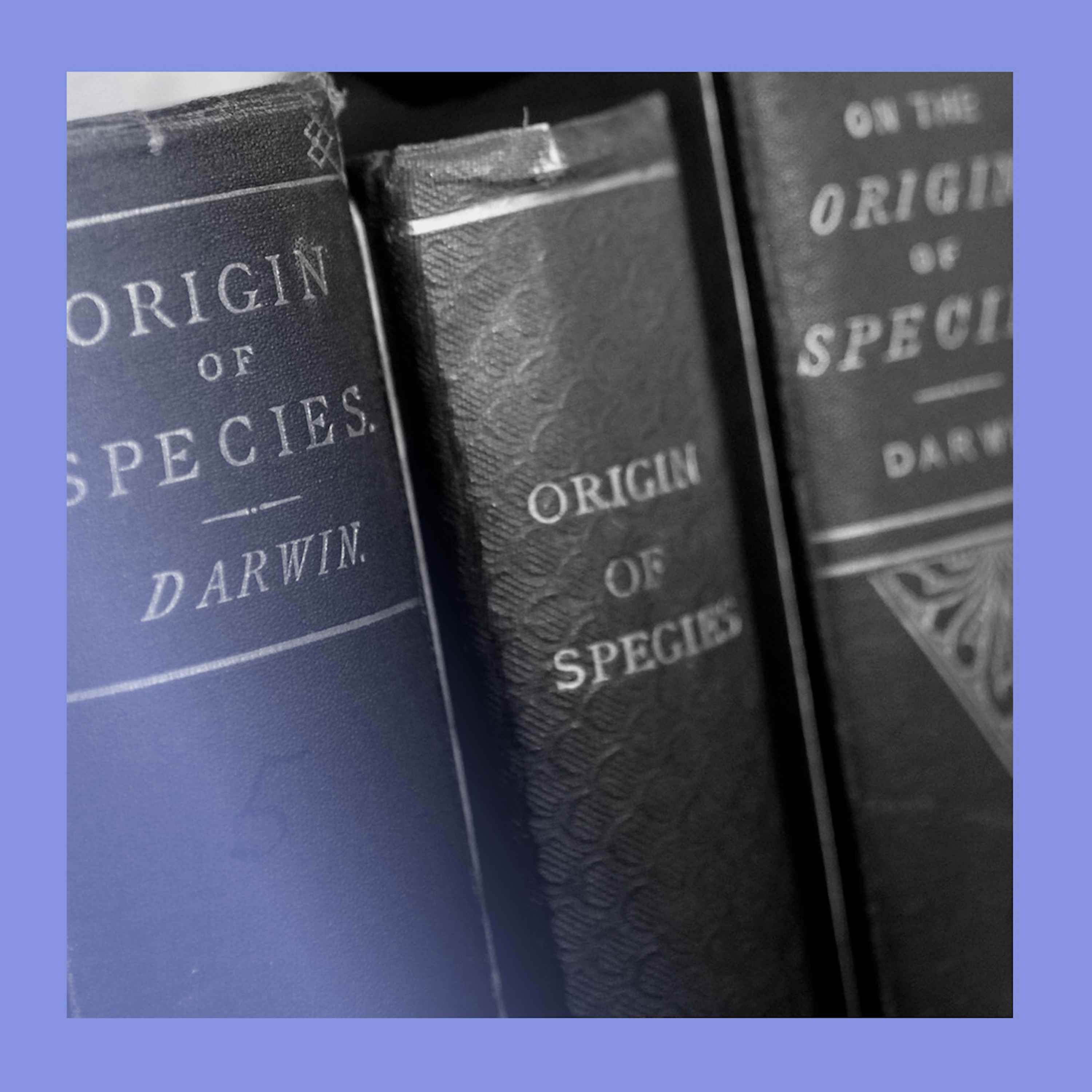
<p>So many books are published each year; few stand the test of time. Today we devote our whole show to asking which works have shaped the way we behave and how we think. Picks include “Frankenstein” by Mary Shelley, “Pride and Prejudice” by Jane Austen, “A Suitable Boy” by Vikram Seth and “Lord of the Rings” by JRR Tolkien.</p><br><p>Full list of books mentioned in the show:</p><p>The Bible</p><p>The Koran</p><p>“Pride and Prejudice” by Jane Austen&nbsp;</p><p>“The Hunger Games” by Suzanne Collins</p><p>“On the Origin of Species” by Charles Darwin</p><p>“Il Saggiatore” by Galileo Galilei</p><p>“Two New Sciences” by Galileo Galilei</p><p>“Capital in the Twenty-First Century” by Thomas Piketty</p><p>“Amusing Ourselves to Death” by Neil Postman</p><p>The novels of Philip Pullman</p><p>The Harry Potter series by J.K. Rowling</p><p>“The Satanic Verses” by Salman Rushdie</p><p>“Frankenstein” by Mary Shelley</p><p>“A Suitable Boy” by Vikram Seth&nbsp;</p><p>“Lord of the Rings” by J.R.R. Tolkien&nbsp;</p><p>“A Room of One’s Own” by Virginia Woolf</p> <hr><p style='color:grey; font-size:0.75em;'> Hosted on Acast. See <a style='color:grey;' target='_blank' rel='noopener noreferrer' href='https://acast.com/privacy'>acast.com/privacy</a> for more information.</p>
Luister naar deze aflevering in het Engels om Engels te leren
Podcastafleveringen zijn een van de meest intensieve manieren om Engels op natief tempo op te nemen. Battle of the texts: which books changed the world? van The Intelligence from The Economist geeft je natuurlijke dialogen, ongescripte spraak en woordenschat die echt voorkomt in echte gesprekken.
In de Hinto-app is elk woord in het transcript tikbaar. Tik op een onbekend woord, zie direct de vertaling in jouw taal en blijf doorluisteren zonder je flow te onderbreken.
Afleveringen om Engels te leren
- Islamism in Britain: what is the threat? 15 sep 2026
- Strait and narrowing: the Houthis’ striking advance 14 sep 2026
- The Weekend Intelligence: Shire folk 12 sep 2026
- Out-numbered: AI’s contentious maths milestone 11 sep 2026
- Working through it: the AI jobs boom dawns 10 sep 2026
- Chainsaw sputtering: Milei’s experiment falters 9 sep 2026
- School of shock: teenagers get dimmer 8 sep 2026
- All right on the night: AfD’s victory 7 sep 2026
- Bargaining chips: Nvidia is the bank of AI 4 sep 2026
- Ire and ICE: the toll of America’s deportations 3 sep 2026
- Right in front: AfD could win German state 2 sep 2026
- After the flood: Nepal’s ongoing rescue 1 sep 2026
- Stars in their AIs: tech is changing Hollywood 31 aug 2026
- Bots on the ground: China leads humanoid race 28 aug 2026
- Big shot: does a cancer vaccine work? 27 aug 2026
- Slip the surly bonds? Scott Bessent goes on a yield trip 26 aug 2026
- Even-more-maximum pressure: sanctions on Iran 25 aug 2026
- Elbows up, again: a US-Canada trade flare-up 24 aug 2026
- I, robot? AI and consciousness 21 aug 2026
- An interview with Yuval Noah Harari 20 aug 2026
- Bombs and bombshells: Zelensky under pressure 20 aug 2026
- Wake-up haul: an Ozempic moment for the brain 19 aug 2026
- Settler bet: a West Bank flashpoint 18 aug 2026
- It’s not easy being Green: Zack Polanski 17 aug 2026
- Afghanistan, five years on: our correspondent visits 14 aug 2026
- Caracas under pressure: democracy in Venezuela 13 aug 2026
- Pump and circumstance: is China the new OPEC? 12 aug 2026
- Spring, then fall: a weakened Muslim Brotherhood 11 aug 2026
- Under strAIn: breaking the British state 10 aug 2026
- Outsider chance: ending Sudan’s proxy war 7 aug 2026