
Politics
The New Yorker Radio Hour
WNYC Studios and The New Yorker
Profiles, storytelling and insightful conversations, hosted by David Remnick.
 Open in Hinto
Episodes to Learn English1066
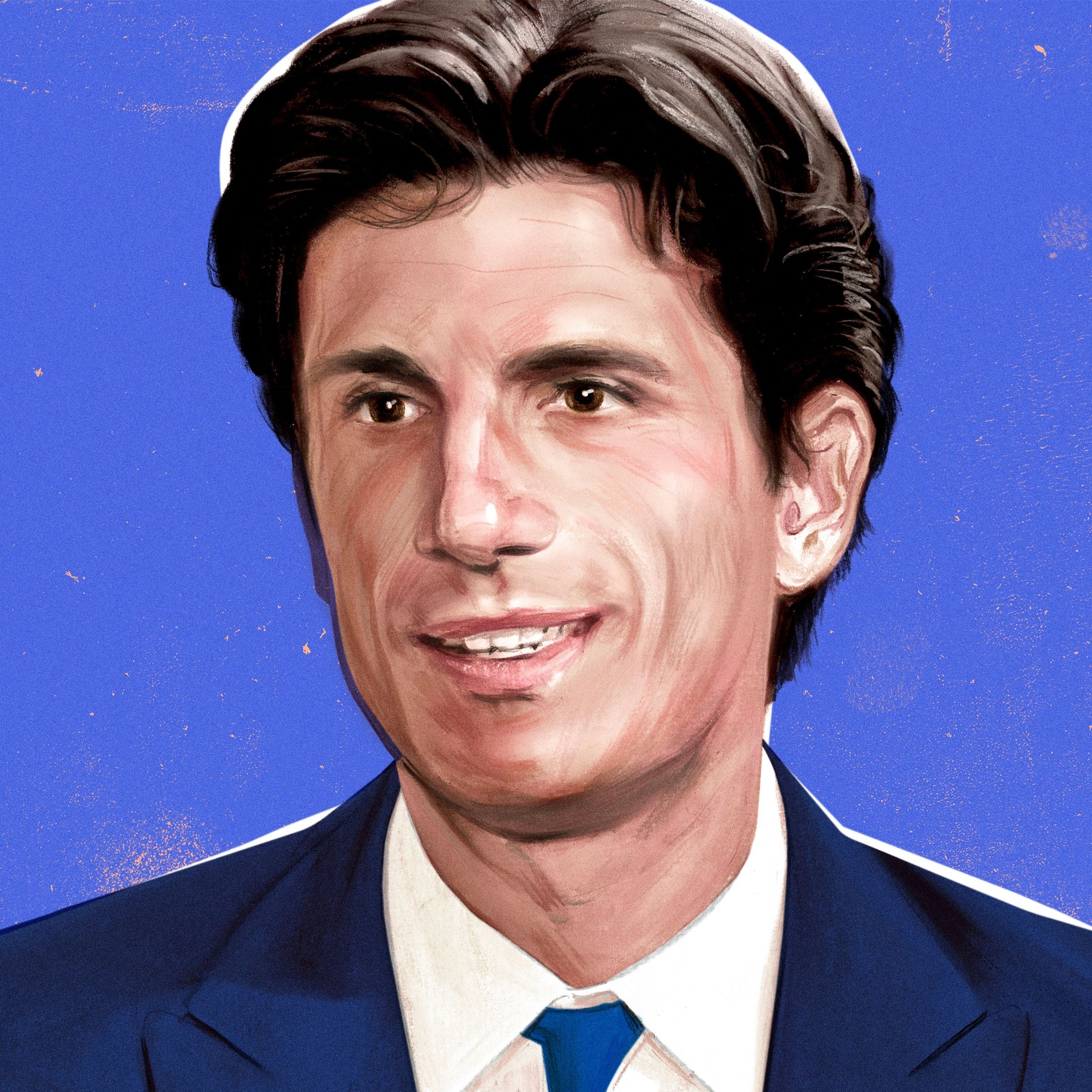
Jack Schlossberg, the Kennedy Running for Congress in New York
Jun 5, 202627 min<p>Jack Schlossberg, the grandson of John F. Kennedy, was one of a number of Kennedy family members who spoke out against the policies and the character of Robert F. Kennedy, Jr. Schlossberg became a public figure on social media, often trolling the right, doing his imitation of Vladimir Putin, or claiming that Usha Vance was carrying his baby. But, when Schlossberg decided to run for an open seat in Congress, critics pointed to his lack of experience in governing, or even holding a job. In some ways, Schlossberg seems a test case for how social-media influence may translate into electoral politics. “I understand that content creation is a new profession, and that it’s not synonymous for many people with a quote-unquote real job,” Schlossberg tells David Remnick. “I think that my experience is exactly what the Democratic Party needs right now from candidates.” </p> <p>Further reading: </p> <ul> <li>“<a href="https://www.newyorker.com/news/our-local-correspondents/how-a-congressional-primary-became-a-proxy-battle-over-ai#rid=cda9a6e5-3426-4398-8d34-cbdbe308c237&q=jack+schlossberg" rel="noopener noreferrer">How a Congressional Primary Became a Proxy Battle Over A.I.</a>,” by Gideon Lewis-Kraus</li> <li>“ <a href="https://www.newyorker.com/culture/critics-notebook/love-story-is-a-forgettable-elegy-for-gen-x#rid=cda9a6e5-3426-4398-8d34-cbdbe308c237&q=jack+schlossberg" rel="noopener noreferrer">‘Love Story’ Is a Forgettable Elegy for Gen X</a>,” by Doreen St. Félix</li> <li>“<a href="https://www.newyorker.com/culture/the-weekend-essay/a-battle-with-my-blood" rel="noopener noreferrer">A Battle with My Blood</a>,” by Tatiana Schlossberg</li> </ul> <p> </p> <p>New episodes of The New Yorker Radio Hour drop every Tuesday and Friday. Join host David Remnick as he discusses the latest in politics, news, and current events in conversation with political leaders, newsmakers, innovators, <i>New Yorker</i> staff writers, authors, actors, and musicians.</p><br/> <p>Hosted by Simplecast, an AdsWizz company. See <a href="https://pcm.adswizz.com">pcm.adswizz.com</a> for information about our collection and use of personal data for advertising.</p>
Bonus: David Remnick Takes Calls on the Midterms and the Media
Jun 4, 202645 min<p>In a guest appearance on WNYC’s “Brian Lehrer Show,” David Remnick, who hosts the New Yorker Radio Hour, discusses the Democratic Party’s identity crisis and the candidates vying in the midterm elections; the late newspaper magnate Donald Newhouse, and the importance of editorial independence in journalism; Remnick’s upcoming live taping at the Tribeca Festival, with “Pod Save America” ’s Jon Lovett, on June 10th; and, most important of all, the Knicks. </p> <p><a href="https://tribecafilm.com/films/new-yorker-radio-hour-live-with-david-remnick-with-guest-jon-lovett-2026" rel="noopener noreferrer"><i>Join David Remnick and Jon Lovett at the Tribeca Festival</i></a><i>.</i></p> <p> </p> <p>New episodes of The New Yorker Radio Hour drop every Tuesday and Friday. Follow the show wherever <a href="https://link.chtbl.com/XL9LVVAk" rel="noopener noreferrer">you get your podcasts</a>.</p><br/> <p>Hosted by Simplecast, an AdsWizz company. See <a href="https://pcm.adswizz.com">pcm.adswizz.com</a> for information about our collection and use of personal data for advertising.</p>

Colson Whitehead on His Harlem Trilogy
Jun 2, 202624 min<p>Colson Whitehead is one the few novelists, and the only still alive, to win two Pulitzer Prizes for Fiction—for “<a href="https://www.penguinrandomhouse.com/books/232365/the-underground-railroad-pulitzer-prize-winner-by-colson-whitehead/" rel="noopener noreferrer">The Underground Railroad</a>” and “<a href="https://www.penguinrandomhouse.com/books/223161/the-nickel-boys-winner-2020-pulitzer-prize-for-fiction-by-colson-whitehead/" rel="noopener noreferrer">The Nickel Boys</a>.” Whitehead’s protagonist in the Harlem trilogy is Ray Carney, a small-time crook who fences stolen goods while working as a furniture salesman. Ray first appeared in “<a href="https://www.penguinrandomhouse.com/books/608669/harlem-shuffle-by-colson-whitehead/" rel="noopener noreferrer">Harlem Shuffle</a>,” and the final book of the trilogy, “<a href="https://www.penguinrandomhouse.com/books/742026/cool-machine-by-colson-whitehead/" rel="noopener noreferrer">Cool Machine</a>,” will be published in July. David Remnick and Whitehead discuss the trilogy’s second book, “<a href="https://www.penguinrandomhouse.com/books/608670/crook-manifesto-by-colson-whitehead/" rel="noopener noreferrer">Crook Manifesto</a>,” and how David Bowie inspired Whitehead’s genre-hopping approach to fiction.</p> <p><i>This segment originally aired on July 21, 2023.</i></p> <p>Further reading and listening: </p> <ul> <li>“<a href="https://www.newyorker.com/magazine/2021/07/26/the-theresa-job#rid=e958a2c0-9b19-4097-8074-a6b9b7b9c31a&q=colson+whitehead" rel="noopener noreferrer">The Theresa Job</a>,” by Colson Whitehead</li> <li>“<a href="https://www.newyorker.com/books/this-week-in-fiction/colson-whitehead-07-26-21#rid=e958a2c0-9b19-4097-8074-a6b9b7b9c31a&q=colson+whitehead" rel="noopener noreferrer">Colson Whitehead on Historical Heists</a>,” by Deborah Treisman</li> <li>“<a href="https://www.newyorker.com/magazine/2019/04/01/the-match#rid=c6981f06-97f1-4369-85b1-58feb2d1fca6&q=colson+whitehead" rel="noopener noreferrer">The Match</a>,” by Colson Whitehead</li> </ul> <p> </p> <p>New episodes of The New Yorker Radio Hour drop every Tuesday and Friday. Join host David Remnick as he discusses the latest in politics, news, and current events in conversation with political leaders, newsmakers, innovators, <i>New Yorker</i> staff writers, authors, actors, and musicians.</p><br/> <p>Hosted by Simplecast, an AdsWizz company. See <a href="https://pcm.adswizz.com">pcm.adswizz.com</a> for information about our collection and use of personal data for advertising.</p>
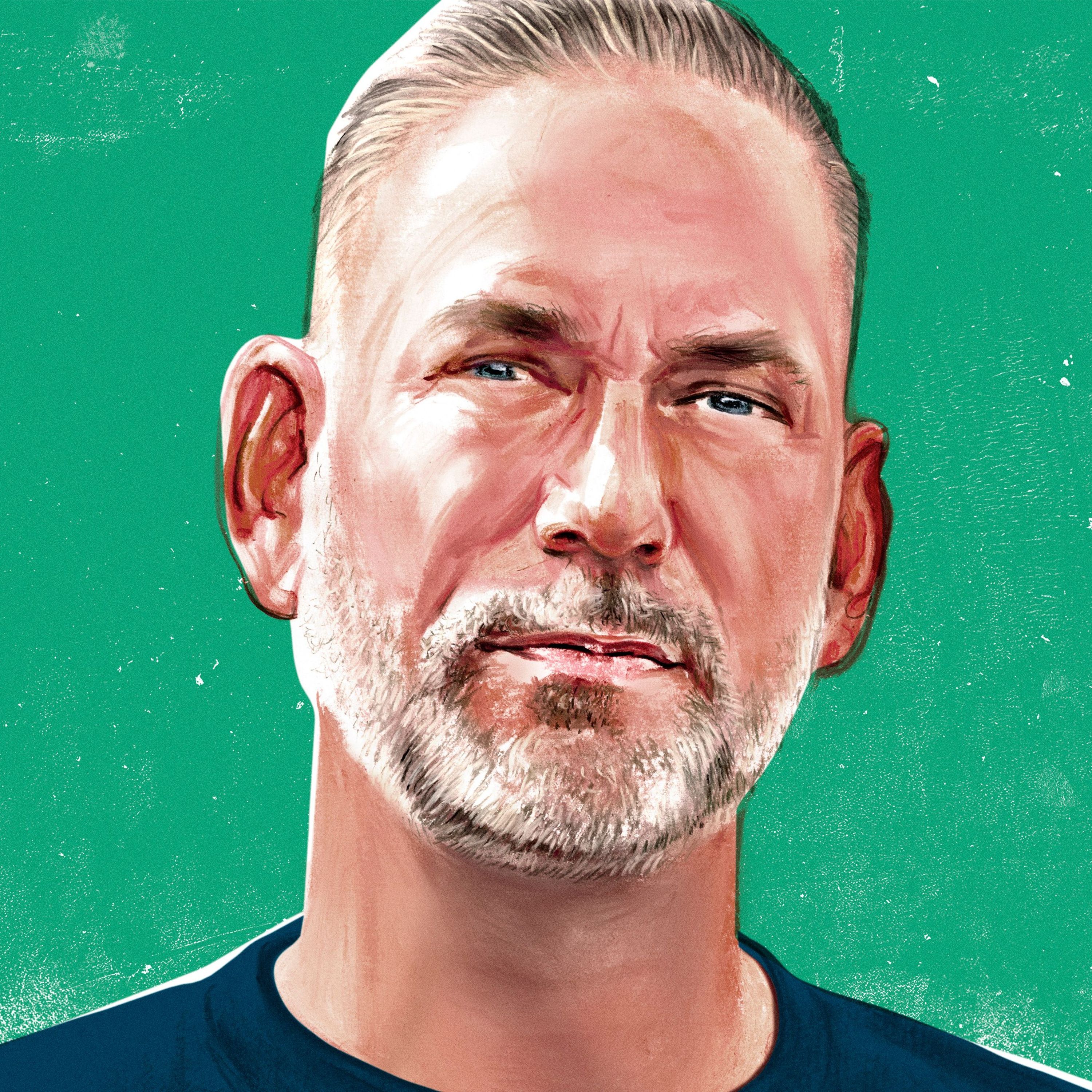
Dan Osborn, the Independent Senate Candidate Who Could Tip Nebraska
May 29, 202627 min<p>As control of the Senate hangs in the balance, many eyes are on Dan Osborn, of Nebraska. He’s a dream candidate for the Democrats: a mechanic in the food-processing industry, a former president of his local union, and a veteran of the Navy and the Army National Guard. But Osborn isn’t a Democrat; he’s running as an independent. Polls show a close or tied race with the Republican incumbent, Pete Ricketts, an heir to a financial fortune. David Remnick talks with Osborn about leading a strike at a Kellogg’s plant; how Donald Trump’s tariffs are affecting voters in an agricultural state; and Osborn’s decision to not caucus with either party if he wins the seat.</p> <p>Further reading: </p> <ul> <li>“<a href="https://www.newyorker.com/magazine/2026/05/25/can-the-democrats-take-back-the-senate#rid=8e63d86b-a0c1-4da8-8750-a87db37c04c7&q=dan+osborn" rel="noopener noreferrer">Can the Democrats Take Back the Senate?</a>,” by Amy Davidson Sorkin</li> </ul> <p> </p> <p>New episodes of The New Yorker Radio Hour drop every Tuesday and Friday. Join host David Remnick as he discusses the latest in politics, news, and current events in conversation with political leaders, newsmakers, innovators, <i>New Yorker</i> staff writers, authors, actors, and musicians.</p><br/> <p>Hosted by Simplecast, an AdsWizz company. See <a href="https://pcm.adswizz.com">pcm.adswizz.com</a> for information about our collection and use of personal data for advertising.</p>
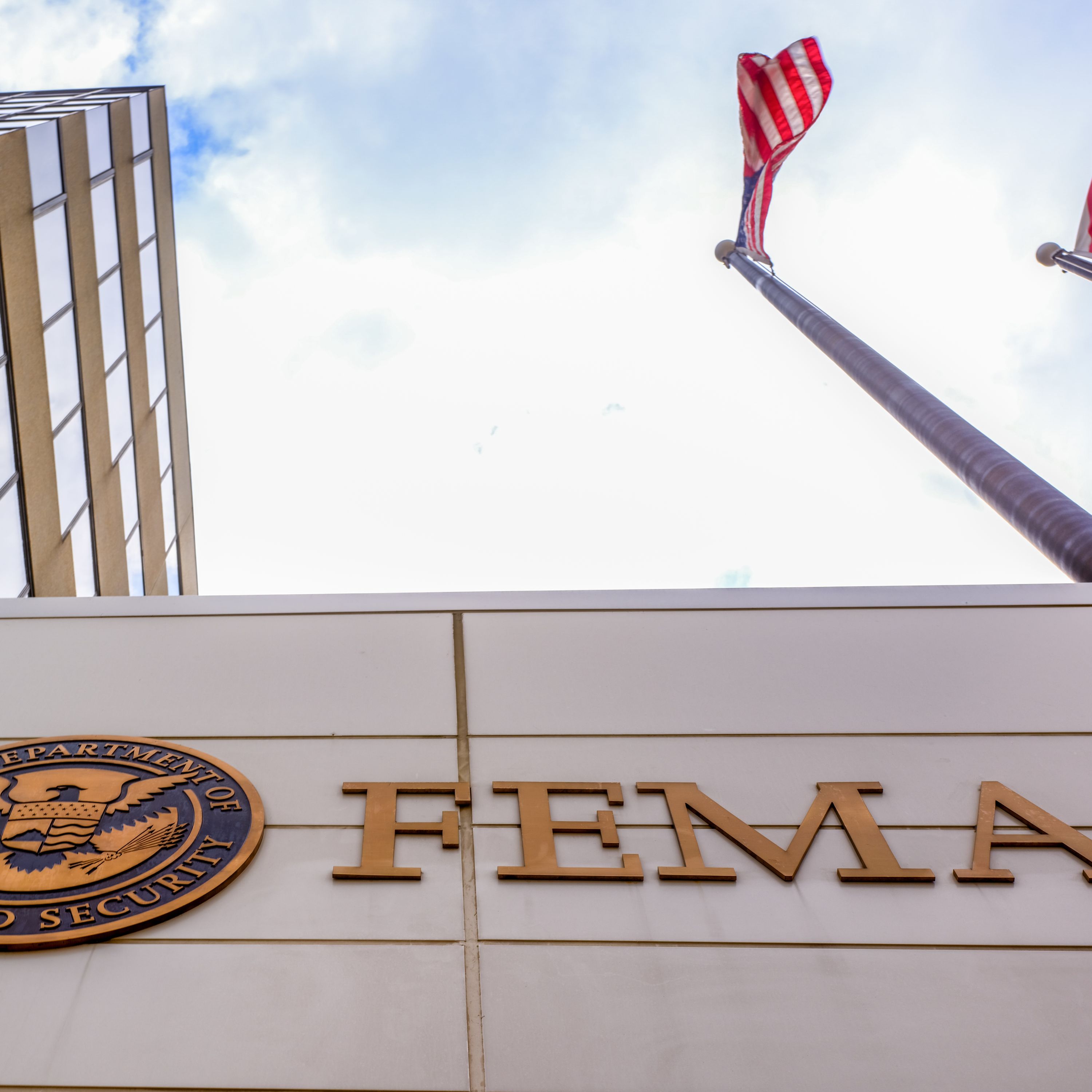
A FEMA Insider Says Morale Has Never Been Lower at the Embattled Agency
May 26, 202626 min<p>The Trump Administration has made little secret of its desire to dismantle the Federal Emergency Management Agency and give states the responsibility to respond to all manner of natural disasters on their own. FEMA has endured tremendous internal strife over leadership, and reports have suggested its mission has been compromised by partisan decision-making: President Trump—the sole arbiter of who ultimately gets FEMA relief—has rejected aid for Democratic-led states at the highest rate in the agency’s history. This has led to accusations of emergency aid being used as a “political cudgel,” and has had a chilling effect on some of the rank-and-file staff at the agency. The New Yorker Radio Hour’s <a href="https://www.wnycstudios.org/people/adam-howard" rel="noopener noreferrer">Adam Howard</a> speaks to a longtime employee of FEMA about what’s going on behind the scenes, and whether it could have a negative impact on the agency’s ability to respond to the next emergency. </p> <p><i>The subject of this interview is currently working for FEMA, a federal agency, and he asked to remain anonymous. His voice has been digitally regenerated for the audio of this interview.</i></p> <p>Further reading and listening: </p> <ul> <li>“<a href="https://www.wnycstudios.org/podcasts/otm/american-emergency-movement-kill-fema" rel="noopener noreferrer">American Emergency: The Movement to Kill FEMA</a>,” by “<a href="https://podcasts.apple.com/us/podcast/on-the-media/id73330715" rel="noopener noreferrer">On the Media</a>”</li> <li>“<a href="https://www.newyorker.com/news/the-lede/outrage-and-paranoia-after-hurricane-helene#rid=ec9924aa-5b0b-442e-a9dc-646d235b6280&q=fema" rel="noopener noreferrer">Outrage and Paranoia After Hurricane Helene</a>,” by Jessica Pishko</li> <li>“<a href="https://www.newyorker.com/news/dispatch/with-florence-the-trump-administration-gets-a-second-chance-to-do-hurricane-recovery-right#rid=ec9924aa-5b0b-442e-a9dc-646d235b6280&q=fema" rel="noopener noreferrer">For the Victims of Florence, Trump Needs to Prove that He Can Get Hurricane Recovery Right</a>,” by Doug Bock Clark and Charles Bethea</li> <li>“<a href="https://www.newyorker.com/news/news-desk/inequality-and-hurricane-harvey#rid=ec9924aa-5b0b-442e-a9dc-646d235b6280&q=fema" rel="noopener noreferrer">Inequality and Hurricane Harvey</a>,” by Ben Taub</li> </ul> <p> </p> <p>New episodes of The New Yorker Radio Hour drop every Tuesday and Friday. Join host David Remnick as he discusses the latest in politics, news, and current events in conversation with political leaders, newsmakers, innovators, <i>New Yorker</i> staff writers, authors, actors, and musicians.</p><br/> <p>Hosted by Simplecast, an AdsWizz company. See <a href="https://pcm.adswizz.com">pcm.adswizz.com</a> for information about our collection and use of personal data for advertising.</p>
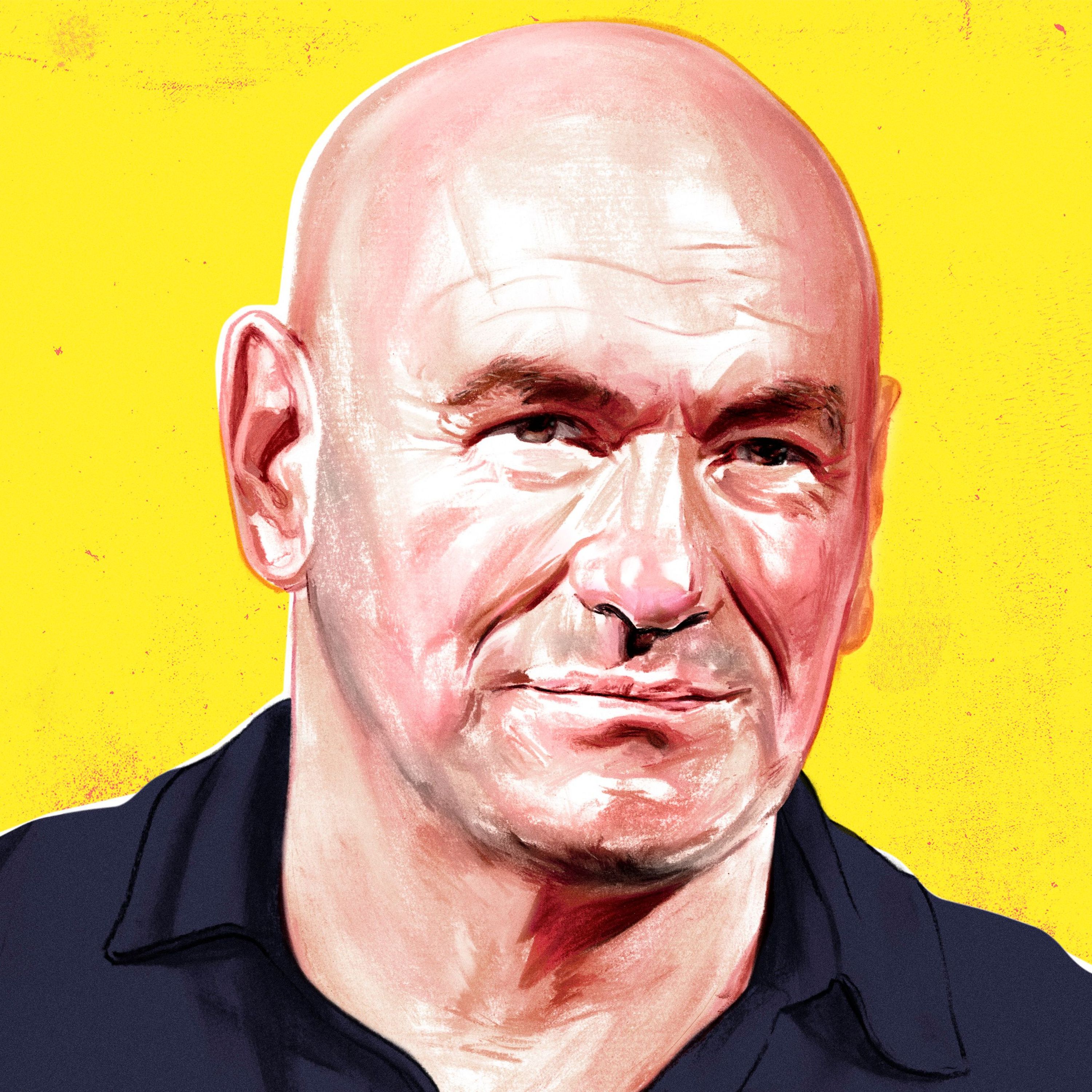
The U.F.C. President, Dana White, on Donald Trump: “He’s Not a Racist”
May 22, 202649 min<p>There will be a variety of celebrations to honor America’s two-hundred-and-fiftieth anniversary this year. Much of it is to be expected: fireworks, red, white, and blue lights, even a military parade. But something else is happening, something that probably wouldn’t occur if anyone other than Donald Trump were President. The Ultimate Fighting Championship, the premier league for mixed martial arts, is staging a fight at the White House. The U.F.C. was founded in 1993, and exploded in popularity after Dana White took over as president of the company, in 2001. He’s also been friends with Donald Trump for a quarter century, and spoke on the President’s behalf at all three Republican National Conventions where Trump was the nominee. He’s stumped for him at rallies, and Trump even called him up to speak at his victory celebration on Election Night in 2024. David Remnick and White discuss his remarkable rise to prominence, and his relationship with the increasingly unpopular President. “He’s not a racist,” White tells Remnick. “He’s not a fascist. He loves this country. And if you’re an American—race, religion, whatever it is—President Trump is on your team, that I guarantee you.”</p> <p>Further reading: </p> <ul> <li>“<a href="https://www.newyorker.com/news/the-lede/donald-trumps-ufc-victory-party#rid=c4a84f2e-17cc-4da9-a04d-396b12d52bbe&q=ufc" rel="noopener noreferrer">Donald Trump’s U.F.C. Victory Party</a>,” by Sam Eagan</li> <li>“<a href="https://www.newyorker.com/sports/sporting-scene/cage-fighting-during-a-pandemic-is-this-the-future-of-sports#rid=c4a84f2e-17cc-4da9-a04d-396b12d52bbe&q=ufc" rel="noopener noreferrer">Cage-Fighting During a Pandemic: Is This the Future of Sports?</a>,” by Kelefa Sanneh</li> <li>“<a href="https://www.newyorker.com/sports/sporting-scene/fighting-for-trump-the-u-f-c-comes-to-new-york-city#rid=c4a84f2e-17cc-4da9-a04d-396b12d52bbe&q=ufc" rel="noopener noreferrer">Fighting for Trump: The U.F.C. Comes to New York City</a>,” by Kelefa Sanneh</li> </ul> <p> </p> <p>New episodes of The New Yorker Radio Hour drop every Tuesday and Friday. Join host David Remnick as he discusses the latest in politics, news, and current events in conversation with political leaders, newsmakers, innovators, <i>New Yorker</i> staff writers, authors, actors, and musicians.</p><br/> <p>Hosted by Simplecast, an AdsWizz company. See <a href="https://pcm.adswizz.com">pcm.adswizz.com</a> for information about our collection and use of personal data for advertising.</p>

America at 250: A View from the Streets
May 19, 202618 min<p>The staff writer and historian <a href="https://www.newyorker.com/contributors/jill-lepore" rel="noopener noreferrer">Jill Lepore</a> is an admirer of the Federal Writers’ Project, and the man-on-the-street form of documentary it helped to pioneer. This type of journalism, she thinks, is integral to the democratic project. As part of a special episode of The New Yorker Radio Hour, Lepore collaborated with the audio-storytelling group Transom to create a new documentary on how Americans perceive their country on the eve of its two-hundred-and-fiftieth anniversary. Producers conducted interviews in Illinois, California, Louisiana, Vermont, and Utah, in gas stations, city parks, and malls, on street corners and dairy farms, asking people how they see themselves in the American story, how they feel about America at two hundred and fifty, and what they imagine the tricentennial of independence will be like. </p> <p><i>The New Yorker Radio Hour’s collaboration with Transom was produced by Sophie Crane. It was recorded by Eve Abrams, Scott Carrier, Erica Heilman, Yohance Lacour, and David Weinberg. Mixing and sound design by Josh Crane. Music by Jon Evans and Matthias Bossi at Stellwagen Symphonette. It was created as part of Transom’s </i><a href="http://transom.org/listeners" rel="noopener noreferrer"><i>Listeners Project</i></a><i>, an experiment in hyperlocal documentary storytelling. </i></p> <p> </p> <p>New episodes of The New Yorker Radio Hour drop every Tuesday and Friday. Join host David Remnick as he discusses the latest in politics, news, and current events in conversation with political leaders, newsmakers, innovators, <i>New Yorker</i> staff writers, authors, actors, and musicians.</p><br/> <p>Hosted by Simplecast, an AdsWizz company. See <a href="https://pcm.adswizz.com">pcm.adswizz.com</a> for information about our collection and use of personal data for advertising.</p>

The History Wars and America at 250, with the Historian Jill Lepore
May 15, 202633 min<p>The two-hundred-and-fiftieth anniversary of the Declaration of Independence arrives during intense disputes about American history, as the Trump Administration demands a more glorifying view of the nation’s past at federally run historical sites and in federally funded projects. The staff writer <a href="https://www.newyorker.com/contributors/jill-lepore" rel="noopener noreferrer">Jill Lepore</a> (who won the Pulitzer Prize in History this month for her book “<a href="https://wwnorton.com/books/9781631496080" rel="noopener noreferrer">We the People: A History of the U.S. Constitution</a>”) guest-hosts a special episode of The New Yorker Radio Hour about this fraught moment, reflecting on the responsibility of academic historians to shape the public debate. She compares our moment with the bicentennial—which fell in the wake of the Vietnam War and the scandals of Richard Nixon’s Presidency—in a conversation with the Yale historian Beverly Gage. Lepore looks at the nature of the country’s war over history with <a href="https://www.newyorker.com/contributors/jelani-cobb" rel="noopener noreferrer">Jelani Cobb</a>, the dean of Columbia Journalism School and a staff writer at <i>The New Yorker</i>. They discuss the Donald Trump-approved “Freedom 250” projection on the Washington Monument, and talk about how Americans can meaningfully participate in the semiquincentennial. If “we’re sitting around waiting for the occupant of the White House to tell us what American history means,” Lepore says, “you just kind of want to walk into traffic.” </p> <p>Further reading: </p> <ul> <li><a href="https://www.newyorker.com/america-at-250" rel="noopener noreferrer">America at 250</a>, a special issue of <i>The New Yorker</i></li> <li>“<a href="https://www.newyorker.com/magazine/2026/05/11/why-the-declaration-of-independence-went-through-seventeen-drafts" rel="noopener noreferrer">Was the Declaration of Independence Better Before the Edits?</a>,” by Jill Lepore</li> <li>“<a href="https://www.newyorker.com/magazine/2026/03/09/scandal-protest-goofiness-and-grandeur-at-the-us-bicentennial" rel="noopener noreferrer">Scandal, Protest, Goofiness, and Grandeur at the U.S. Bicentennial</a>,” by Jill Lepore</li> <li>“<a href="https://www.newyorker.com/magazine/2026/05/11/two-hundred-and-fifty-years-of-complicated-commemorations" rel="noopener noreferrer">Two Hundred and Fifty Years of Complicated Commemorations,” </a>by Jelani Cobb</li> <li>“<a href="https://www.simonandschuster.com/books/This-Land-is-Your-Land/Beverly-Gage/9781668033104" rel="noopener noreferrer">This Land Is Your Land: A Road Trip Through U.S. History</a>,” by Beverly Gage</li> </ul> <p> </p> <p>New episodes of The New Yorker Radio Hour drop every Tuesday and Friday. Join host David Remnick as he discusses the latest in politics, news, and current events in conversation with political leaders, newsmakers, innovators, <i>New Yorker</i> staff writers, authors, actors, and musicians.</p><br/> <p>Hosted by Simplecast, an AdsWizz company. See <a href="https://pcm.adswizz.com">pcm.adswizz.com</a> for information about our collection and use of personal data for advertising.</p>
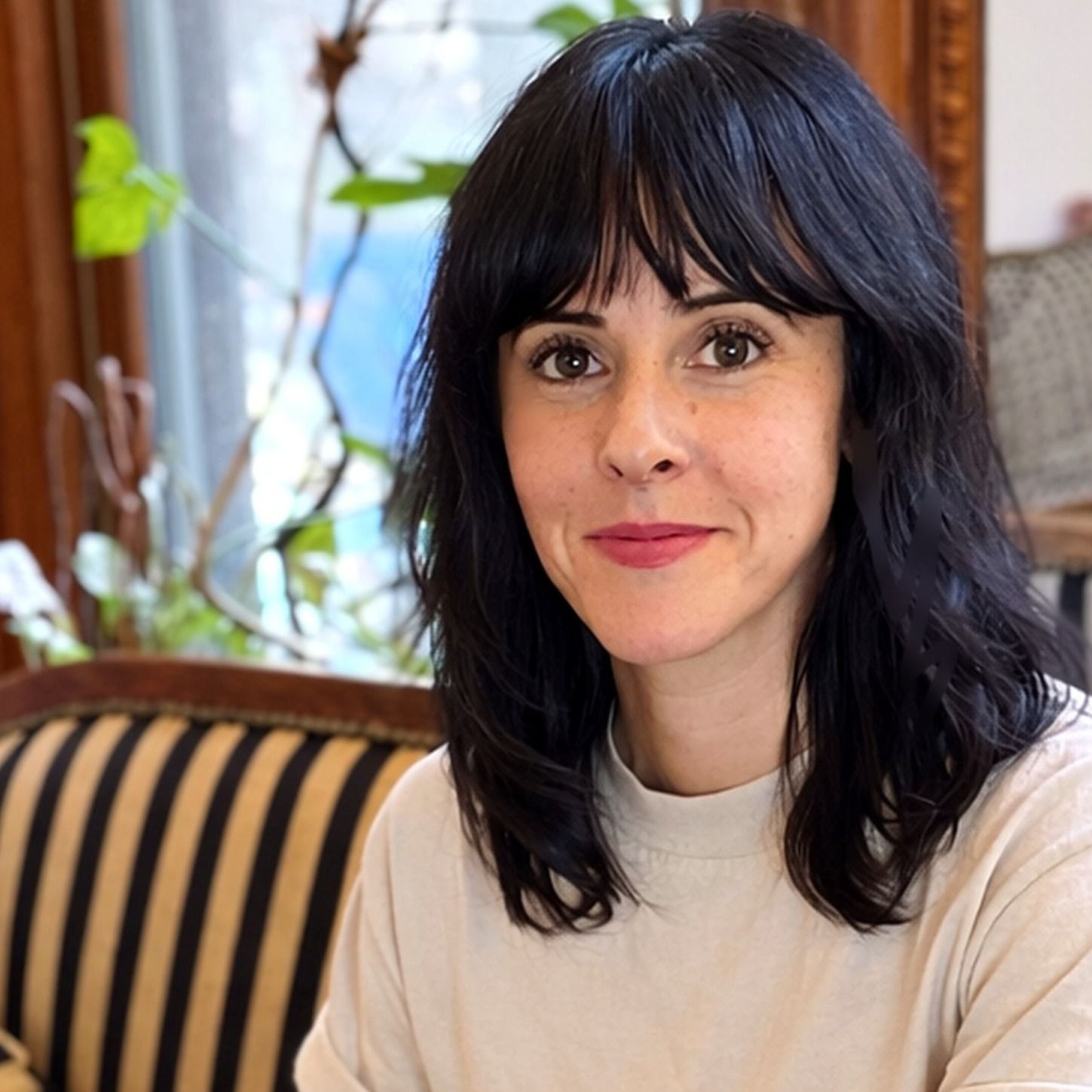
Growing Up with a Mother in Prison
May 12, 202624 min<p>Harriet Clark’s novel, “<a href="https://us.macmillan.com/books/9780374614546/thehill/" rel="noopener noreferrer">The Hill</a>,” is one of the most anticipated works of fiction of the year. It’s a story of a girl growing up visiting her mother, who is serving a life sentence in prison for a politically motivated crime. And although “The Hill” is a work of fiction, it follows the contours of Clark’s own life closely: her mother is Judy Clark, who drove a getaway car after a robbery in which two police officers and a security guard were killed. One of “The Hill” ’s enthusiastic admirers is Rachel Aviv, a staff writer at <i>The New Yorker</i>. She spoke with Clark about the power of fiction, her mother’s life story, and the power of narrative when thinking about how to confront carceral systems.</p> <p>Further reading: </p> <ul> <li>“<a href="https://www.newyorker.com/magazine/2026/05/11/the-hill-harriet-clark-book-review#rid=f9071ad2-f3ad-44d0-9034-f8e1a3d19509&q=harriet+clark" rel="noopener noreferrer">Harriet Clark’s Début Is a New Kind of Coming-of-Age Novel</a>,” by James Wood</li> <li>“<a href="https://www.newyorker.com/magazine/2026/03/02/the-trial-of-gisele-pelicots-rapists-united-france-and-fractured-her-family" rel="noopener noreferrer">The Trial of Gisèle Pelicot’s Rapists United France and Fractured Her Family</a>,” by Rachel Aviv</li> </ul> <p> </p> <p>New episodes of The New Yorker Radio Hour drop every Tuesday and Friday. Join host David Remnick as he discusses the latest in politics, news, and current events in conversation with political leaders, newsmakers, innovators, <i>New Yorker</i> staff writers, authors, actors, and musicians.</p><br/> <p>Hosted by Simplecast, an AdsWizz company. See <a href="https://pcm.adswizz.com">pcm.adswizz.com</a> for information about our collection and use of personal data for advertising.</p>
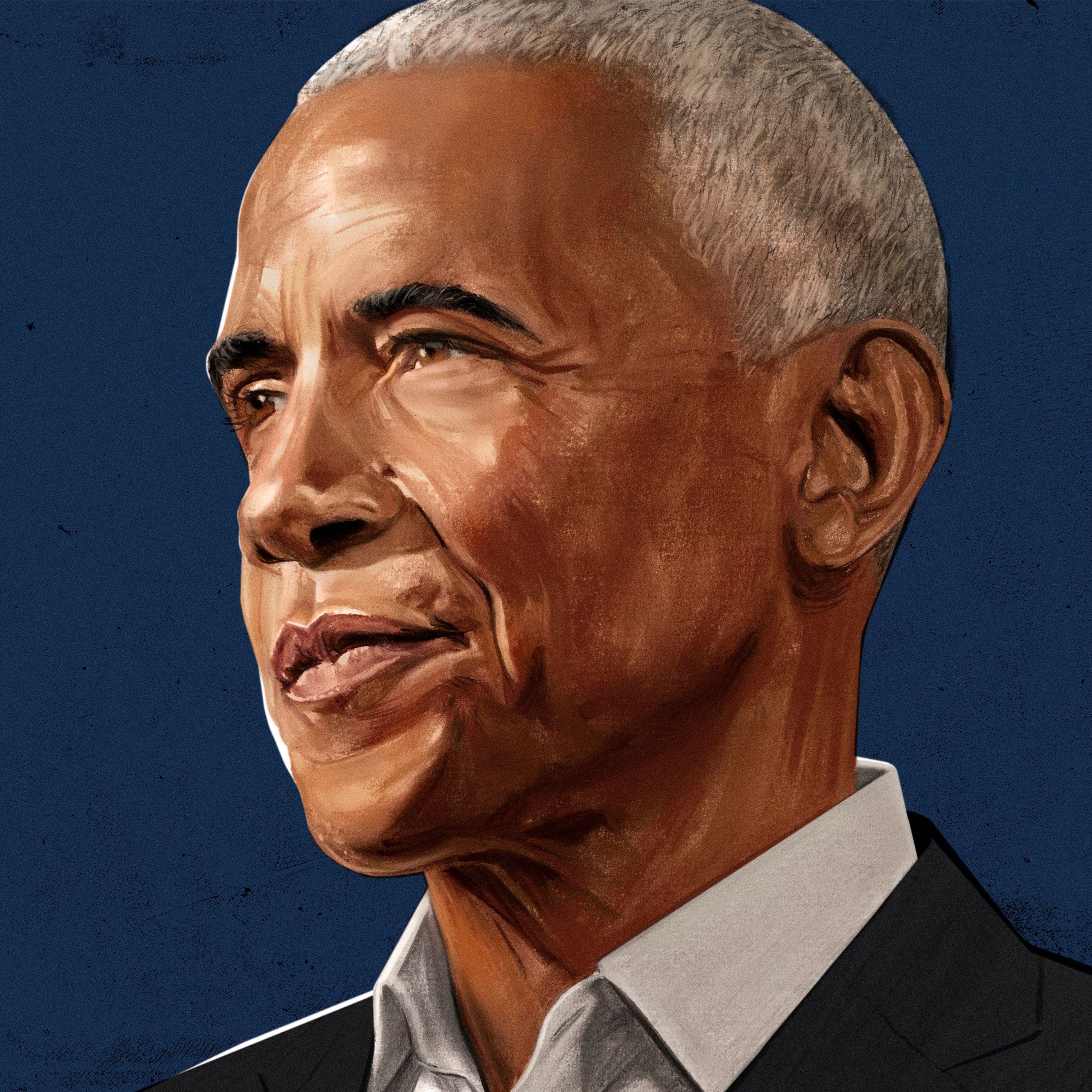
Barack Obama in the Trump Era
May 8, 202626 min<p>The contributing writer Peter Slevin met with Barack Obama at the new Obama Presidential Center, which opens next month, in Chicago, and asked him the question on a lot of Democrats’ minds: Where is he, and why isn’t he doing more to help the country in a moment of crisis? Slevin shares excerpts from his interview, during which Obama explains the limits of his role, and why he should no longer be the figurehead for his party. Slevin also speaks with David Remnick about why the famously optimistic President has lost some of his confidence in the American prospect. “I would be dishonest if I didn’t acknowledge that,” Obama admitted. </p> <p>Further reading: </p> <ul> <li>“<a href="https://www.newyorker.com/magazine/2026/05/11/barack-obama-in-the-age-of-trump" rel="noopener noreferrer">Barack Obama Considers His Role in the Age of Trump</a>,” by Peter Slevin</li> <li>“<a href="https://www.newyorker.com/news/the-lede/presidents-days-from-obama-to-trump#rid=4cef9e7d-ba9d-4751-abf9-5afd160e2fba&q=obama" rel="noopener noreferrer">Presidents’ Days: From Obama to Trump</a>,” by David Remnick</li> </ul> <p> </p> <p>New episodes of The New Yorker Radio Hour drop every Tuesday and Friday. Join host David Remnick as he discusses the latest in politics, news, and current events in conversation with political leaders, newsmakers, innovators, <i>New Yorker</i> staff writers, authors, actors, and musicians.</p><br/> <p>Hosted by Simplecast, an AdsWizz company. See <a href="https://pcm.adswizz.com">pcm.adswizz.com</a> for information about our collection and use of personal data for advertising.</p>

The N.B.A. Legend Steve Kerr
May 5, 202628 min<p>Most basketball fans first took note of Steve Kerr when he played for the Chicago Bulls in the nineteen-nineties, but it’s through coaching that Kerr really came to the fore in the N.B.A. For more than twelve years, he’s led the Golden State Warriors to four titles, and a record seventy-three-win season, in 2016. He also took home an Olympic gold medal as the coach of the U.S. men’s team in 2024. Kerr has used his platform, at times, to wade into politics. He’s spoken at the Democratic National Convention, and his name comes up in conversations about candidates for higher office. He’s also been vocal about President Donald Trump, which is not without some risk. “Calling the President a buffoon? I kind of regret that, even though I felt it in my heart, even though a lot of people agreed with me,” Kerr tells the staff writer <a href="https://www.newyorker.com/contributors/charles-bethea" rel="noopener noreferrer">Charles Bethea</a>.</p> <p> </p> <p>Further reading: </p> <ul> <li>“<a href="https://www.newyorker.com/news/the-new-yorker-interview/has-steve-kerr-had-enough#rid=d45238f4-9740-4a57-99e8-700ed8572648&q=steve+kerr" rel="noopener noreferrer">Has Steve Kerr Had Enough?</a>,” by Charles Bethea</li> <li>“<a href="https://www.newyorker.com/sports/sporting-scene/usa-basketball-is-still-an-awkward-fit-at-the-olympics#rid=d45238f4-9740-4a57-99e8-700ed8572648&q=steve+kerr" rel="noopener noreferrer">U.S.A. Basketball Is Still an Awkward Fit at the Olympics</a>,” by Louisa Thomas</li> </ul> <p> </p> <p>New episodes of The New Yorker Radio Hour drop every Tuesday and Friday. Join host David Remnick as he discusses the latest in politics, news, and current events in conversation with political leaders, newsmakers, innovators, <i>New Yorker</i> staff writers, authors, actors, and musicians.</p><br/> <p>Hosted by Simplecast, an AdsWizz company. See <a href="https://pcm.adswizz.com">pcm.adswizz.com</a> for information about our collection and use of personal data for advertising.</p>
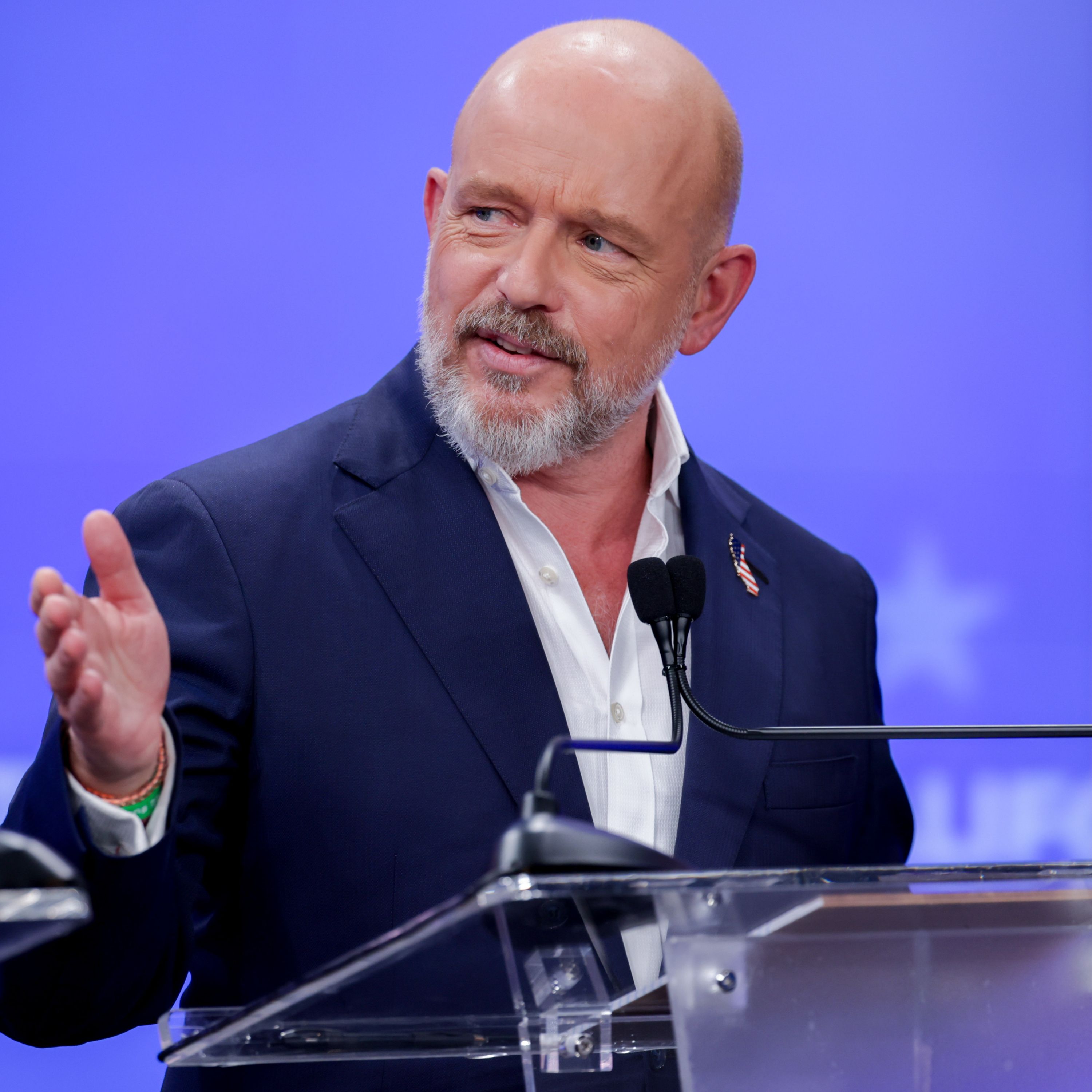
How a Trump-Endorsed Republican Could Become California’s Next Governor
May 1, 202622 min<p>In the governor’s race in California, the leading Republican candidate appears to be Steve Hilton, a British-born political consultant and former Fox News contributor. Hilton has been endorsed by Donald Trump, which may not help him in the heavily Democratic state. His lead may owe something to California’s unusual primary system, but it’s not the first time a Republican has had a strong showing in the state: former Republican governors include Ronald Reagan and Arnold Schwarzenegger. Hilton is running on a platform emphasizing affordability, cutting waste in the government, and increasing oil and natural-gas production. He talks with David Remnick about how a Republican might win this election, and how he would govern with a minority of Californians supporting him.</p> <p> </p> <p>Further reading: </p> <ul> <li>“<a href="https://www.newyorker.com/magazine/2026/02/09/gavin-newsom-profile#rid=3e00cfa1-9503-4f72-951d-42b2198a51ed&q=california+elections" rel="noopener noreferrer">Gavin Newsom Is Playing the Long Game</a>,” by Nathan Heller</li> <li>“<a href="https://www.newyorker.com/news/the-lede/california-strikes-back-in-the-redistricting-war#rid=3e00cfa1-9503-4f72-951d-42b2198a51ed&q=california+elections" rel="noopener noreferrer">California Strikes Back in the Redistricting War</a>,” by Jon Allsop</li> </ul> <p> </p> <p>New episodes of The New Yorker Radio Hour drop every Tuesday and Friday. Join host David Remnick as he discusses the latest in politics, news, and current events in conversation with political leaders, newsmakers, innovators, <i>New Yorker</i> staff writers, authors, actors, and musicians.</p><br/> <p>Hosted by Simplecast, an AdsWizz company. See <a href="https://pcm.adswizz.com">pcm.adswizz.com</a> for information about our collection and use of personal data for advertising.</p>
“Fat Swim” and Literature’s Fatphobia Problem
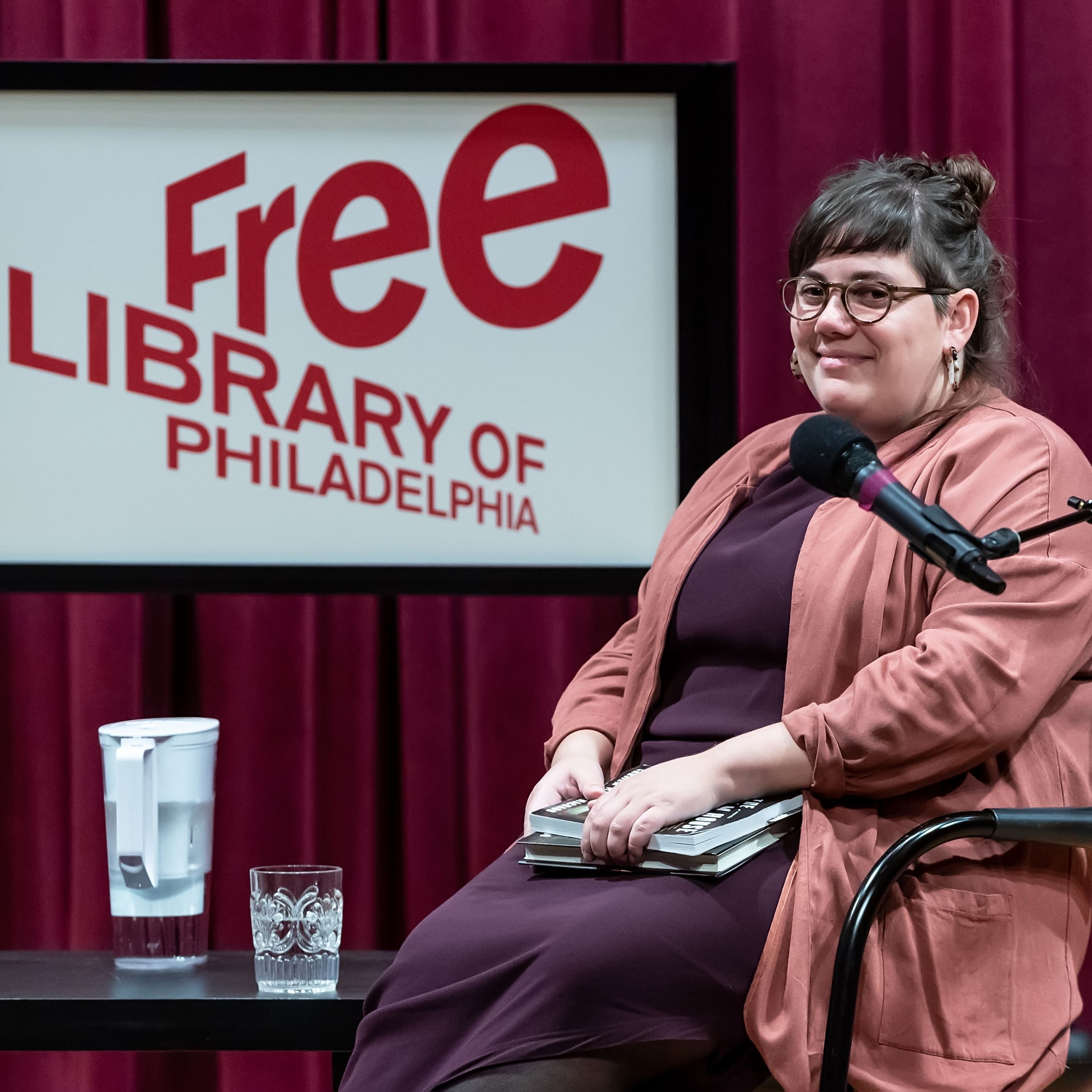
Apr 28, 202620 min<p>Emma Copley Eisenberg is the author of a new collection of short stories entitled “<a href="https://www.penguinrandomhouse.com/books/671799/fat-swim-by-emma-copley-eisenberg/" rel="noopener noreferrer">Fat Swim</a>.” Her work questions body image and the suppression of fatness in contemporary culture; Eisenberg recently paid for a billboard over a busy highway in Philadelphia bearing the slogan “Your gut is a terrible thing to lose.” Eisenberg talked with <i>The New Yorker’s</i> <a href="https://www.newyorker.com/contributors/jennifer-wilson" rel="noopener noreferrer">Jennifer Wilson</a> about using fiction to explore body image, and the fatphobia that she finds in literature by some of today’s acclaimed writers. <br> </p> <p>Further reading: </p> <ul> <li>“<a href="https://www.amazon.com/dp/0593242262" rel="noopener noreferrer">Fat Swim</a>,” by Emma Copley Eisenberg</li> </ul> <p> </p> <p>New episodes of The New Yorker Radio Hour drop every Tuesday and Friday. Join host David Remnick as he discusses the latest in politics, news, and current events in conversation with political leaders, newsmakers, innovators, <i>New Yorker</i> staff writers, authors, actors, and musicians.</p><br/> <p>Hosted by Simplecast, an AdsWizz company. See <a href="https://pcm.adswizz.com">pcm.adswizz.com</a> for information about our collection and use of personal data for advertising.</p>
Why Senator Rand Paul Voted to Limit Donald Trump’s War Powers
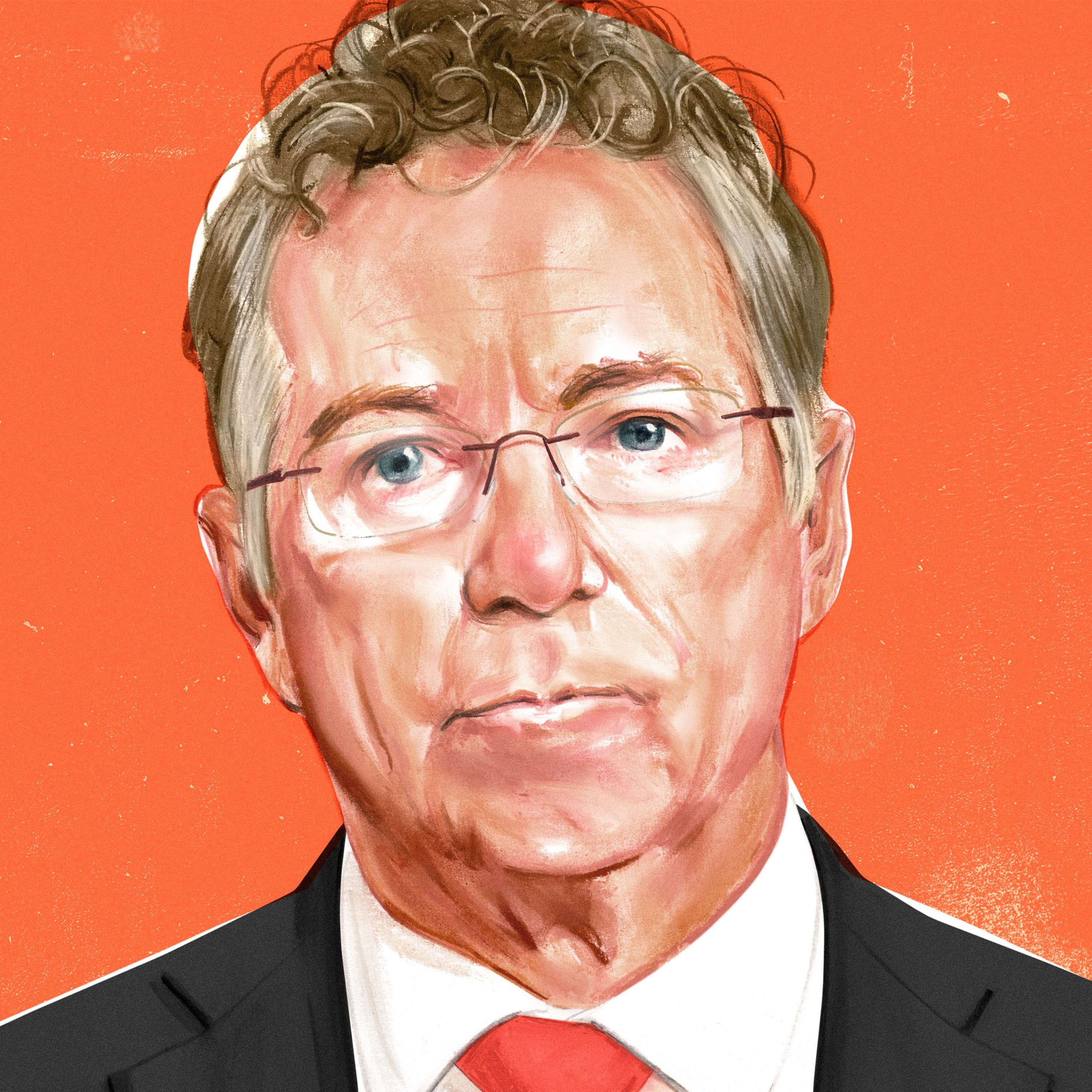
Apr 24, 202630 min<p>One of Donald Trump’s few critics within his party is the libertarian-leaning senator Rand Paul, from Kentucky. Paul was recently the sole Republican to vote in favor of restricting the President’s power to make war in Iran. He also opposed Trump on tariff policy, and on his budget bill in 2025. “He loves voting ‘NO’ on everything,” the President fumed. Paul ran for President in 2016, and is considering another run for the White House in 2028. He talks with David Remnick about how he would differentiate himself from J. D. Vance and Marco Rubio; about his opposition to the attack on Iran; and about Pete Hegseth invoking Christianity in the war. “People quoting the Old Testament about smiting the enemy” concerns Paul greatly: “If this becomes Christians versus Muslims, I don’t see a quick end to a war.”</p> <p> </p> <p>Further reading: </p> <ul> <li>“<a href="https://www.newyorker.com/news/the-lede/the-end-of-limits-on-a-presidents-wars#rid=7552e6fb-9507-41b3-a24f-793360e73340&q=rand+paul" rel="noopener noreferrer">The End of Limits on a President’s Wars</a>,” by Ruth Marcus</li> <li>“<a href="https://www.newyorker.com/news/news-desk/why-rand-paul-ran-aground" rel="noopener noreferrer">Why Rand Paul Ran Aground</a>,” by Kelefa Sanneh</li> </ul> <p> </p> <p>New episodes of The New Yorker Radio Hour drop every Tuesday and Friday. Join host David Remnick as he discusses the latest in politics, news, and current events in conversation with political leaders, newsmakers, innovators, <i>New Yorker</i> staff writers, authors, actors, and musicians.</p><br/> <p>Hosted by Simplecast, an AdsWizz company. See <a href="https://pcm.adswizz.com">pcm.adswizz.com</a> for information about our collection and use of personal data for advertising.</p>
Patrick Radden Keefe on “London Falling,” His Book About a Teen-Ager’s Mysterious Life and Death
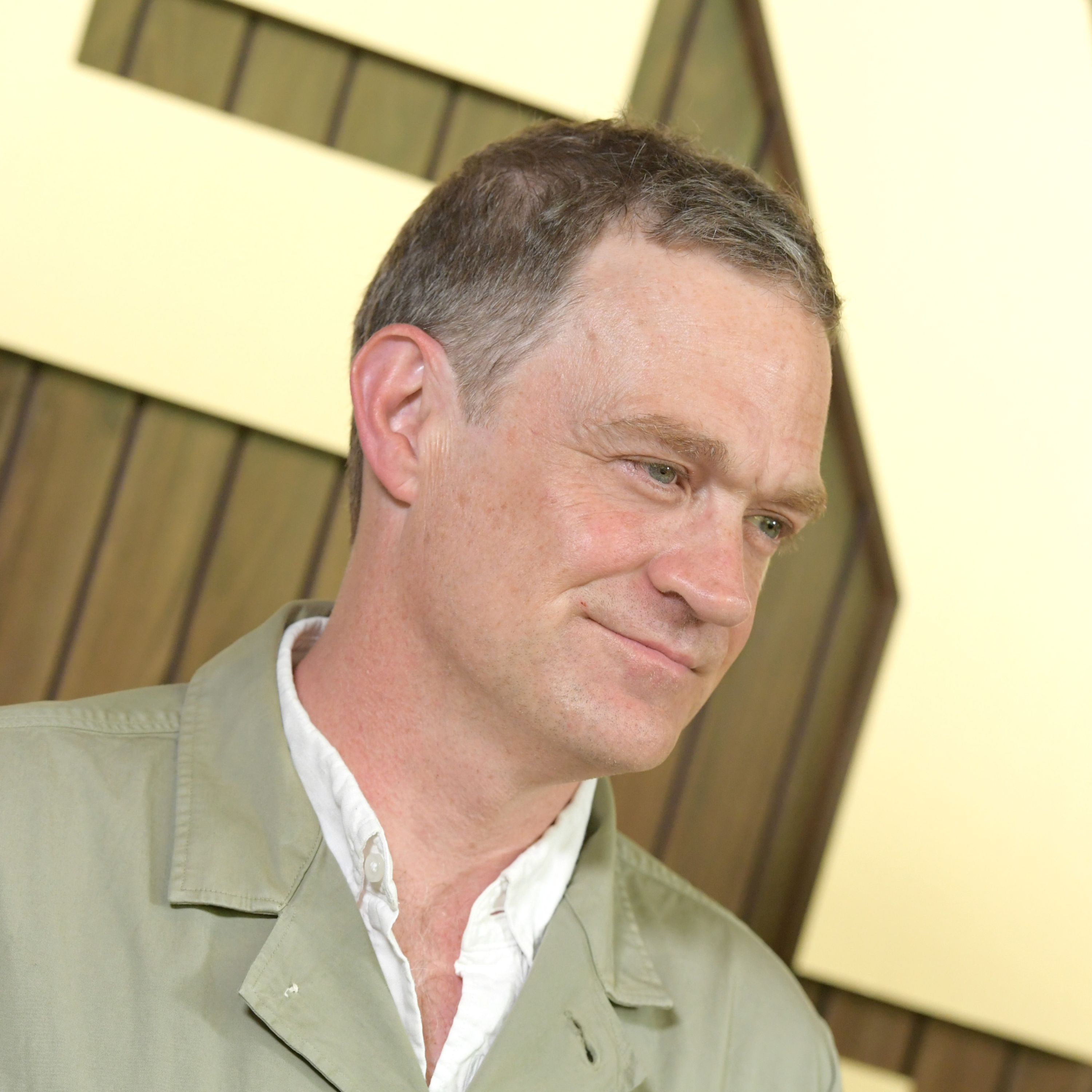
Apr 21, 202620 min<p>When Patrick Radden Keefe was living in London while shooting the TV adaptation of his book “<a href="https://www.penguinrandomhouse.com/books/90837/say-nothing-by-patrick-radden-keefe/" rel="noopener noreferrer">Say Nothing</a>,” he heard about a teen-ager who fell from a luxurious apartment tower in mysterious circumstances. As he looked into it, he learned that the boy, Zac Brettler, had assumed an alternate identity as the son of a Russian oligarch, and had connected with dangerous people—just as mysterious. His story in <i>The New Yorker</i>, “<a href="https://www.newyorker.com/magazine/2024/02/12/a-teens-fatal-plunge-into-the-london-underworld" rel="noopener noreferrer">A Teen’s Fatal Plunge into the London Underworld</a>,” became the basis of his new book “<a href="https://www.penguinrandomhouse.com/books/704979/london-falling-by-patrick-radden-keefe/" rel="noopener noreferrer">London Falling</a>.” “It’s not crime, per se, that interests me,” Radden Keefe tells David Remnick, “but the intermingling of the licit and illicit worlds, and the ways in which people deviate from a kind of conventional morality by degrees—and then the stories that they tell themselves about doing that.” He shares recordings from Brettler’s parents of conversations that they had as they sought to uncover what had happened to their son.</p> <p><br> </p> <p>Further reading: </p> <ul> <li>“<a href="https://www.penguinrandomhouse.com/books/704979/london-falling-by-patrick-radden-keefe/" rel="noopener noreferrer">London Falling</a>,” by Patrick Radden Keefe</li> <li>“<a href="https://www.newyorker.com/magazine/2024/02/12/a-teens-fatal-plunge-into-the-london-underworld" rel="noopener noreferrer">A Teen’s Fatal Plunge Into the London Underworld</a>,” by Patrick Radden Keefe</li> </ul> <p> </p> <p> </p> <p>New episodes of The New Yorker Radio Hour drop every Tuesday and Friday. Join host David Remnick as he discusses the latest in politics, news, and current events in conversation with political leaders, newsmakers, innovators, <i>New Yorker</i> staff writers, authors, actors, and musicians.</p><br/> <p>Hosted by Simplecast, an AdsWizz company. See <a href="https://pcm.adswizz.com">pcm.adswizz.com</a> for information about our collection and use of personal data for advertising.</p>

A Genocide Scholar Asks “What Went Wrong” in Israel
Apr 17, 202639 min<p>Omer Bartov is an Israeli professor of Holocaust and genocide studies at Brown University. He grew up in a Zionist home and served as an officer in the Israel Defense Forces, but he has long been concerned about Israel’s use of military power. In a new book called “<a href="https://us.macmillan.com/books/9781250436184/israel/" rel="noopener noreferrer">Israel: What Went Wrong?</a>,” Bartov argues that Zionism has morphed into an ideology of extremism that led to genocide in Gaza following the Hamas attacks of October 7th. “There is growing criticism of American support for these kinds of Israeli policies, both on the American left and on the American right,” Bartov tells David Remnick. Bartov believes that Israel requires “shock therapy” because “it has not still come to identify the limits of its own power, because those limits are in Washington, DC and it's there that those limits have to be set.” “For Israel, that would be good, because I think Israel needs to be liberated from that kind of dependence on American power. I think, for American society and for American Jewry, that’s a very bad thing because there is a rise of . . . antisemitism from the Tucker Carlsons of the world, who are a rising force right now.”</p> <p> </p> <p>Further reading: </p> <ul> <li>“<a href="https://us.macmillan.com/books/9781250436184/israel/" rel="noopener noreferrer">Israel: What Went Wrong?</a>,” by Omer Bartov</li> <li>“<a href="https://www.newyorker.com/news/q-and-a/a-holocaust-scholar-meets-with-israeli-reservists#rid=1c89eda6-8015-4785-b666-23f881f418d5&q=omer+bartov" rel="noopener noreferrer">A Holocaust Scholar Meets with Israeli Reservists</a>,” by Isaac Chotiner</li> <li>“<a href="https://www.newyorker.com/news/q-and-a/how-to-define-genocide#rid=1c89eda6-8015-4785-b666-23f881f418d5&q=omer+bartov" rel="noopener noreferrer">How to Define Genocide</a>,” by Isaac Chotiner</li> </ul> <p> </p> <p>New episodes of The New Yorker Radio Hour drop every Tuesday and Friday. Join host David Remnick as he discusses the latest in politics, news, and current events in conversation with political leaders, newsmakers, innovators, <i>New Yorker</i> staff writers, authors, actors, and musicians.</p><br/> <p>Hosted by Simplecast, an AdsWizz company. See <a href="https://pcm.adswizz.com">pcm.adswizz.com</a> for information about our collection and use of personal data for advertising.</p>

Anna Wintour as Vogue Icon
Apr 14, 202639 min<p>Anna Wintour graces the cover of <a href="https://www.vogue.com/article/meryl-streep-anna-wintour-may-cover-2026-interview" rel="noopener noreferrer"><i>Vogue’s May issue</i></a> alongside her theatrical double: Meryl Streep in the role of Miranda Priestly, from “The Devil Wears Prada,” whose much-anticipated sequel comes out on May 1st. Wintour and David Remnick spoke last fall on the day that a sea change took place at <i>Vogue</i>: it was announced that Chloe Malle would take over the editorial direction of the American edition of the publication. They discussed her storied career; her decision to wear Prada to the premiére of “The Devil Wears Prada”; and how Remnick might up his fashion game: “Forgive me, David, but how boring would it be if everybody was just wearing a dark suit and a white shirt all the time?”</p> <p><i>This segment originally aired on September 5, 2025.</i></p> <p> </p> <p>New episodes of The New Yorker Radio Hour drop every Tuesday and Friday. Join host David Remnick as he discusses the latest in politics, news, and current events in conversation with political leaders, newsmakers, innovators, <i>New Yorker</i> staff writers, authors, actors, and musicians.</p><br/> <p>Hosted by Simplecast, an AdsWizz company. See <a href="https://pcm.adswizz.com">pcm.adswizz.com</a> for information about our collection and use of personal data for advertising.</p>
Sam Altman’s Trust Issues at OpenAI
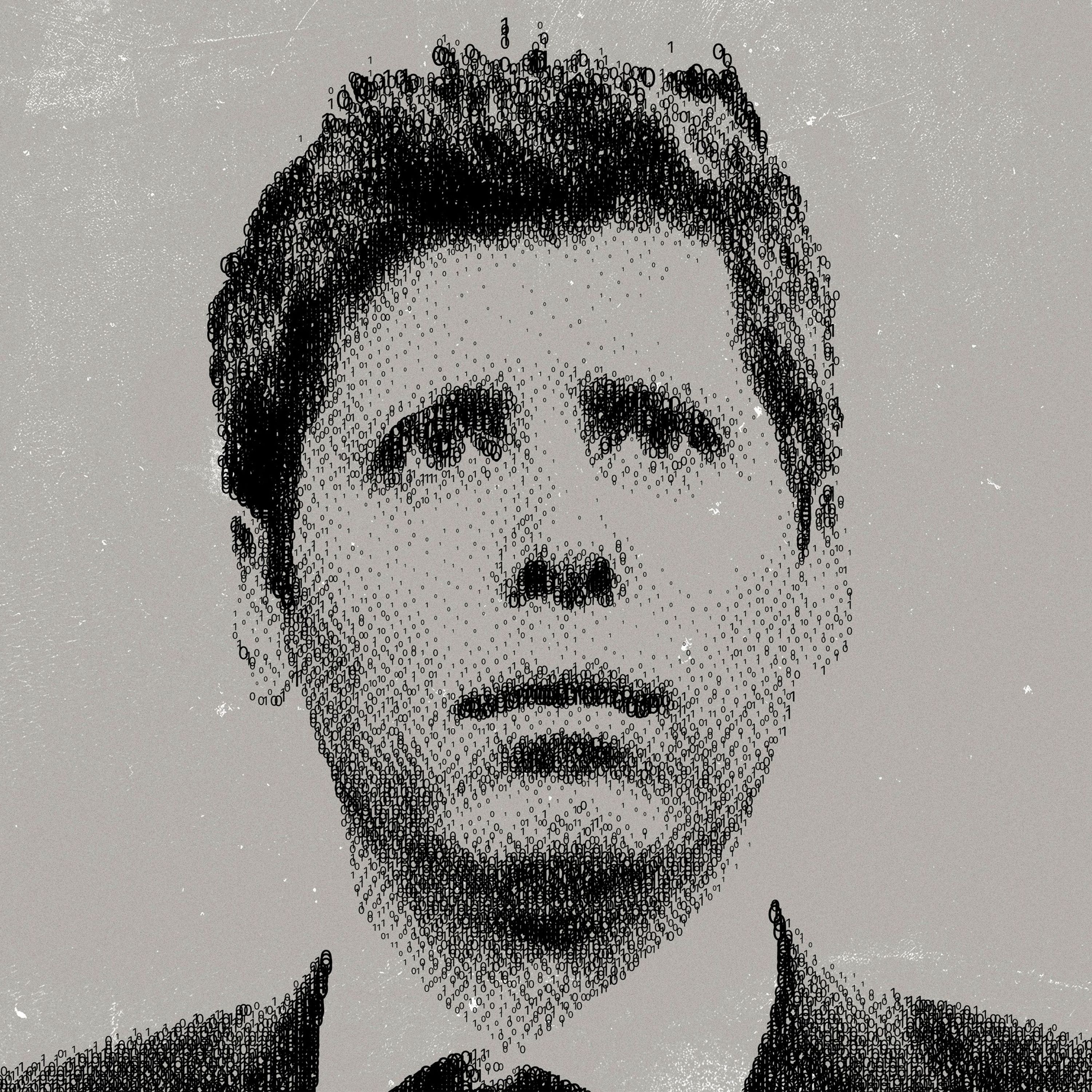
Apr 10, 202650 min<p>At the end of February, OpenAI’s C.E.O., Sam Altman, made headlines by swiftly cutting a deal with the Pentagon for his company to replace Anthropic, which <a href="https://www.newyorker.com/news/annals-of-inquiry/the-pentagon-went-to-war-with-anthropic-whats-really-at-stake" rel="noopener noreferrer">had balked</a> at the Trump Administration’s bid to use its A.I. technology to power autonomous weapons and aid in mass surveillance. Days earlier, Altman had publicly supported Anthropic’s position in the dispute. Altman’s rise to power and his founding of OpenAI were predicated on placing safety above other concerns in developing artificial general intelligence. Why did he change his stance on such a fundamental issue? The <i>New Yorker</i> writers Ronan Farrow and Andrew Marantz spoke with Altman multiple times and interviewed more than a hundred people for their <a href="https://www.newyorker.com/magazine/2026/04/13/sam-altman-may-control-our-future-can-he-be-trusted" rel="noopener noreferrer">investigation</a> into the leader of one of the most powerful companies in the world, comparing Altman to J. Robert Oppenheimer. Although there is no smoking gun in Altman’s hand, the writers find that persistent allegations about his conduct underscore the danger of entrusting him to wield such vast power over the future. </p> <p> </p> <p><strong>Further reading:</strong></p> <ul> <li>"<a href="https://www.newyorker.com/magazine/2026/04/13/sam-altman-may-control-our-future-can-he-be-trusted" rel="noopener noreferrer">Sam Altman May Control Our Future—Can He Be Trusted?</a>,” by Ronan Farrow and Andrew Marantz</li> <li>“<a href="https://www.newyorker.com/news/the-financial-page/the-dangerous-paradox-of-ai-abundance#rid=24f44c6e-b5cf-4d4b-aea3-6b74e42d6b19&q=ai" rel="noopener noreferrer">The Dangerous Paradox of A.I. Abundance</a>,” by John Cassidy</li> <li>“<a href="https://www.newyorker.com/culture/infinite-scroll/the-ai-bubble-is-coming-for-your-browser#rid=24f44c6e-b5cf-4d4b-aea3-6b74e42d6b19&q=ai" rel="noopener noreferrer">The A.I. Bubble Is Coming for Your Browser</a>,” by Kyle Chayka</li> </ul> <p> </p> <p>New episodes of The New Yorker Radio Hour drop every Tuesday and Friday. Join host David Remnick as he discusses the latest in politics, news, and current events in conversation with political leaders, newsmakers, innovators, <i>New Yorker</i> staff writers, authors, actors, and musicians.</p><br/> <p>Hosted by Simplecast, an AdsWizz company. See <a href="https://pcm.adswizz.com">pcm.adswizz.com</a> for information about our collection and use of personal data for advertising.</p>

Pick Three: Spring Sports News
Apr 7, 202614 min<p>The <i>New Yorker</i> staff writer Louisa Thomas, who writes the <a href="https://www.newyorker.com/sports/sporting-scene" rel="noopener noreferrer">Sporting Scene</a> column, talks with David Remnick about the biggest basketball stories this season: how LeBron James embraced a new late-career persona as a great supporting player for the Los Angeles Lakers; the coaching genius of the Celtics’ Joe Mazzulla; and the ongoing scandal over teams deliberately tanking games to secure better prospects in the N.B.A. draft. </p> <p>Further reading: </p> <ul> <li>“<a href="https://www.newyorker.com/sports/sporting-scene/how-much-is-a-home-team-worth" rel="noopener noreferrer">How Much Is a Home Team Worth?</a>,” by Louisa Thomas</li> <li>“<a href="https://www.newyorker.com/sports/sporting-scene/lebron-james-is-making-his-last-great-adjustment" rel="noopener noreferrer">LeBron James Is Making His Last Great Adjustment</a>,” by Louisa Thomas</li> </ul> <p> </p> <p>New episodes of The New Yorker Radio Hour drop every Tuesday and Friday. Join host David Remnick as he discusses the latest in politics, news, and current events in conversation with political leaders, newsmakers, innovators, <i>New Yorker</i> staff writers, authors, actors, and musicians.</p><br/> <p>Hosted by Simplecast, an AdsWizz company. See <a href="https://pcm.adswizz.com">pcm.adswizz.com</a> for information about our collection and use of personal data for advertising.</p>
How Donald Trump’s War on Iran Helps Vladimir Putin’s War on Ukraine
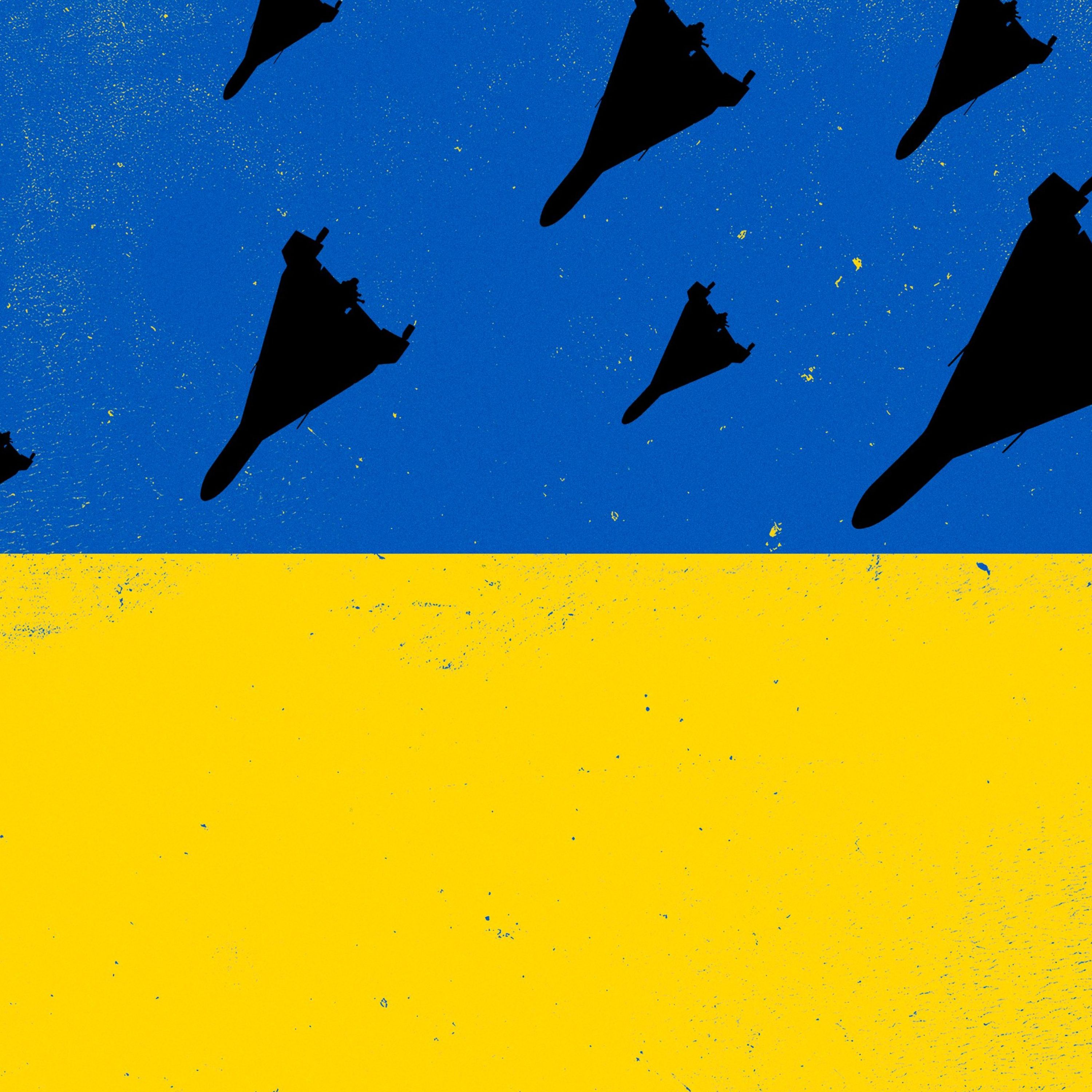
Apr 3, 202636 min<p>In 2021, when Olga Rudenko and other journalists launched the English-language news outlet the Kyiv <i>Independent</i>, they were committed to making a publication that wouldn’t face political pressure from an owner. A few months later, Russia launched a full-scale invasion of Ukraine, and the Independent began reporting breaking news from the front lines, and conducting investigations of the Ukrainian government. David Remnick talks with Rudenko, the Independent’s editor-in-chief, about the challenges of reporting in wartime; President Volodymyr Zelensky’s pushback on independent journalism; how Iran and Russia have been providing military aid to one another; and why Ukraine cannot accept the peace deal with Russia that Donald Trump is insisting that it take.</p> <p>Further reading: </p> <ul> <li>“<a href="https://www.newyorker.com/news/the-lede/the-assault-on-ukraines-power-grid#rid=4787afe3-9de1-4af1-bf77-2fab92fd3d3f&q=ukraine" rel="noopener noreferrer">The Assault on Ukraine’s Power Grid</a>,” by Michael Holtz</li> <li>“<a href="https://www.newyorker.com/news/the-lede/what-are-putins-ultimate-demands-for-peace-in-ukraine#rid=4787afe3-9de1-4af1-bf77-2fab92fd3d3f&q=ukraine" rel="noopener noreferrer">What Are Putin’s Ultimate Demands for Peace in Ukraine?</a>,” by Joshua Yaffa</li> <li>“<a href="https://kyivindependent.com/ukraine-has-irrefutable-evidence-of-russia-providing-intelligence-to-iran-zelensky-says/" rel="noopener noreferrer">Ukraine Has ‘Irrefutable Evidence’ of Russia Providing Intelligence to Iran, Zelensky Says</a>,” by <a href="https://kyivindependent.com/author/asami-terajima/" rel="noopener noreferrer">Asami Terajima</a>, of the Kyiv Independent</li> <li>“<a href="https://kyivindependent.com/china-irans-helping-russia-keep-the-economy-of-occupied-ukrainian-territories-afloat-new-report-reveals/" rel="noopener noreferrer">China, Iran Help Russia Prop Up Economy in Occupied Ukrainian Territories, Report Says</a>,” by <a href="https://kyivindependent.com/author/yuliia/" rel="noopener noreferrer">Yuliia Taradiuk</a>, of the Kyiv Independent</li> <li>“<a href="https://kyivindependent.com/ukraine-heads-to-us-with-drone-proposal-trump-dismissed/" rel="noopener noreferrer">Ukraine Heads to US with Drone Proposal Trump Dismissed Before War with Iran</a>,” by Tim Zadorozhnyy, of the Kyiv Independent</li> <li>“<a href="https://kyivindependent.com/we-interviewed-irans-envoy-in-ukraine-and-it-was-absolutely-wild/" rel="noopener noreferrer">We Interviewed Iran’s Envoy to Ukraine and It Was Absolutely Wild</a>,” by <a href="https://kyivindependent.com/author/polina-morozyuk/" rel="noopener noreferrer">Polina Moroziuk</a>, of the Kyiv Independent</li> </ul> <p> </p> <p>New episodes of The New Yorker Radio Hour drop every Tuesday and Friday. Join host David Remnick as he discusses the latest in politics, news, and current events in conversation with political leaders, newsmakers, innovators, <i>New Yorker</i> staff writers, authors, actors, and musicians.</p><br/> <p>Hosted by Simplecast, an AdsWizz company. See <a href="https://pcm.adswizz.com">pcm.adswizz.com</a> for information about our collection and use of personal data for advertising.</p>
A Former Federal Prosecutor on Why He Quit Donald Trump’s Department of Justice
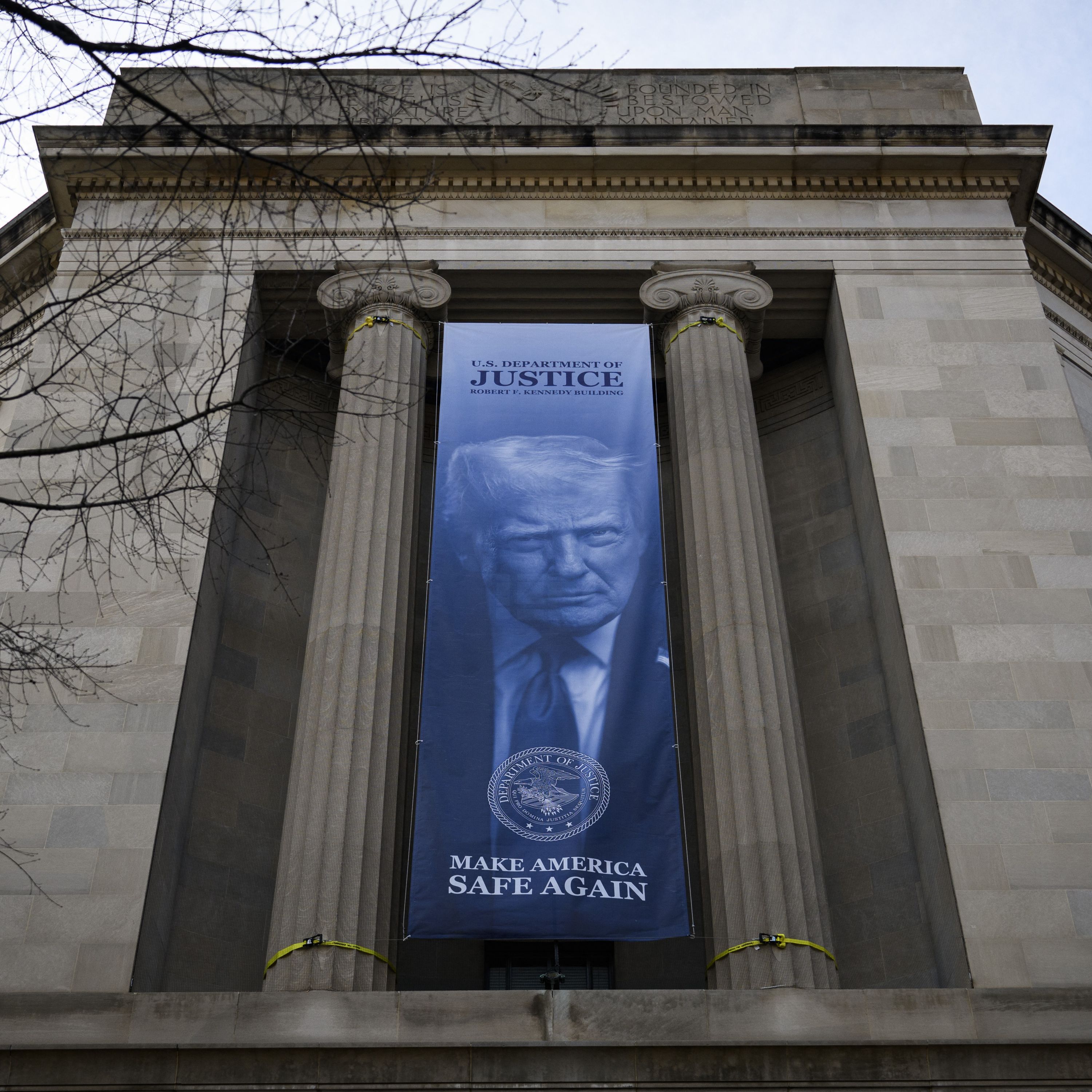
Mar 31, 202623 min<p>Thousands of federal prosecutors have been fired or have resigned from their roles since Pam Bondi took over as Attorney General. She has made no secret of weaponizing the Justice Department to pursue Donald Trump’s vendettas. One of those prosecutors is Troy Edwards, who quit a senior national-security position in the Eastern District of Virginia. As an assistant U.S. attorney in DC, Edwardshad won convictions against members of the Oath Keepers for January 6th-related offenses. Edwards is also the son-in-law of the former F.B.I. director James Comey, and, when the Justice Department indicted Comey on grounds widely seen as flimsy, Edwards knew he had reached his red line. (The charges were quickly dismissed, though without prejudice.) <i>The New Yorker’s</i> legal correspondent <a href="https://www.newyorker.com/contributors/ruth-marcus" rel="noopener noreferrer">Ruth Marcus</a> talks with Edwards about his decision to leave, how he broke it to his family, and why he thinks other prosecutors should not follow his lead. </p> <p><strong>Further reading: </strong></p> <ul> <li>“<a href="https://www.newyorker.com/news/the-lede/pam-bondis-contempt-for-congress" rel="noopener noreferrer">Pam Bondi’s Contempt for Congress</a>,” by Ruth Marcus</li> <li>“<a href="https://www.newyorker.com/news/the-lede/the-flimsy-dangerous-indictment-of-james-comey" rel="noopener noreferrer">The Flimsy, Dangerous Indictment of James Comey</a>,” by Ruth Marcus</li> <li>“<a href="https://www.newyorker.com/magazine/2025/08/25/pam-bondi-profile" rel="noopener noreferrer">Pam Bondi’s Power Play</a>,” by Ruth Marcus</li> </ul> <p> </p> <p>New episodes of The New Yorker Radio Hour drop every Tuesday and Friday. Join host David Remnick as he discusses the latest in politics, news, and current events in conversation with political leaders, newsmakers, innovators, <i>New Yorker</i> staff writers, authors, actors, and musicians.</p><br/> <p>Hosted by Simplecast, an AdsWizz company. See <a href="https://pcm.adswizz.com">pcm.adswizz.com</a> for information about our collection and use of personal data for advertising.</p>
John Lithgow on the Controversial Authors Roald Dahl and J. K. Rowling
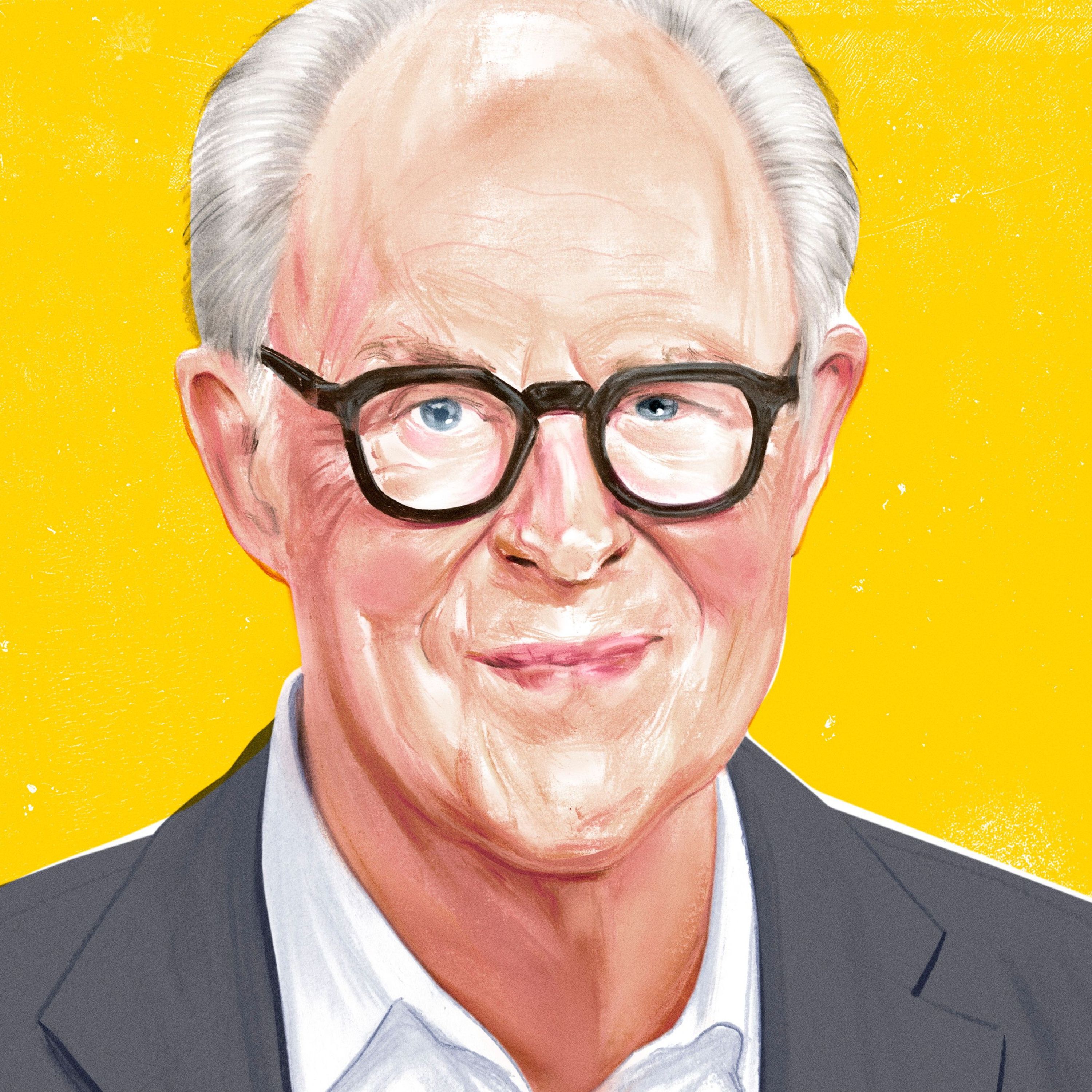
Mar 27, 202628 min<p>The new play “Giant,” on Broadway, dramatizes the scandal around Roald Dahl, the beloved children’s-book author who, in the nineteen-eighties, began making antisemitic statements and invoking stereotypes about Jewish influence. John Lithgow portrays Dahl as he faces off against his American publisher, who presses him to retract his statements. The events that the show focusses on took place more than forty years ago, but they couldn’t be more relevant today, as antisemitism surges during a war in the Middle East. Lithgow joins David Remnick to discuss the question of whether to separate the art from the artist—and about his own hesitation regarding his role as the wizard Dumbledore in HBO’s new “Harry Potter” series, because of J. K. Rowling’s history of anti-trans statements. </p> <p><strong>Further reading: </strong></p> <ul> <li>“<a href="https://www.newyorker.com/magazine/2026/03/16/mark-rosenblatt-profile-theatre" rel="noopener noreferrer">‘Giant’ Takes on Roald Dahl and his Antisemitism</a>,” by John Lahr</li> </ul> <p> </p> <p>New episodes of The New Yorker Radio Hour drop every Tuesday and Friday. Join host David Remnick as he discusses the latest in politics, news, and current events in conversation with political leaders, newsmakers, innovators, <i>New Yorker</i> staff writers, authors, actors, and musicians.</p><br/> <p>Hosted by Simplecast, an AdsWizz company. See <a href="https://pcm.adswizz.com">pcm.adswizz.com</a> for information about our collection and use of personal data for advertising.</p>

Julio Torres Makes Everything Funny—Including Color Theory
Mar 24, 202619 min<p>Julio Torres got his big break as a writer on “Saturday Night Live,” and went on to make the cult favorites “Los Espookys” and “Fantasmas” for HBO. He also wrote and directed the film “Problemista,” about a toy designer facing deportation. There’s a particular kind of surrealism to Torres’s humor; “I just don’t think his mind works quite like anyone else’s,” the staff writer <a href="https://www.newyorker.com/contributors/michael-schulman" rel="noopener noreferrer">Michael Schulman</a> says, comparing Torres to “a guest lecturer at an art school . . . laying out his very particular way of seeing the world.” They met in New York to discuss the unique, synesthetic ideas about color which Torres describes in a new HBO special, “Color Theories,” and to check out a few hues at a nearby dollar store. </p> <p><i>Thanks to </i><a href="https://seeyouinheven.com/" rel="noopener noreferrer"><i>Home in Heven</i></a><i> and Third Avenue Dollar and More. </i></p> <p> </p> <p><strong>Further reading:</strong></p> <p>“<a href="https://www.newyorker.com/magazine/2020/12/28/the-otherworldly-comedy-of-julio-torres" rel="noopener noreferrer">The Otherworldly Comedy of Julio Torres</a>,” by Michael Shulman</p> <p> </p> <p>New episodes of The New Yorker Radio Hour drop every Tuesday and Friday. Join host David Remnick as he discusses the latest in politics, news, and current events in conversation with political leaders, newsmakers, innovators, <i>New Yorker</i> staff writers, authors, actors, and musicians.</p><br/> <p>Hosted by Simplecast, an AdsWizz company. See <a href="https://pcm.adswizz.com">pcm.adswizz.com</a> for information about our collection and use of personal data for advertising.</p>
Is Cuba Trump’s Next Target?
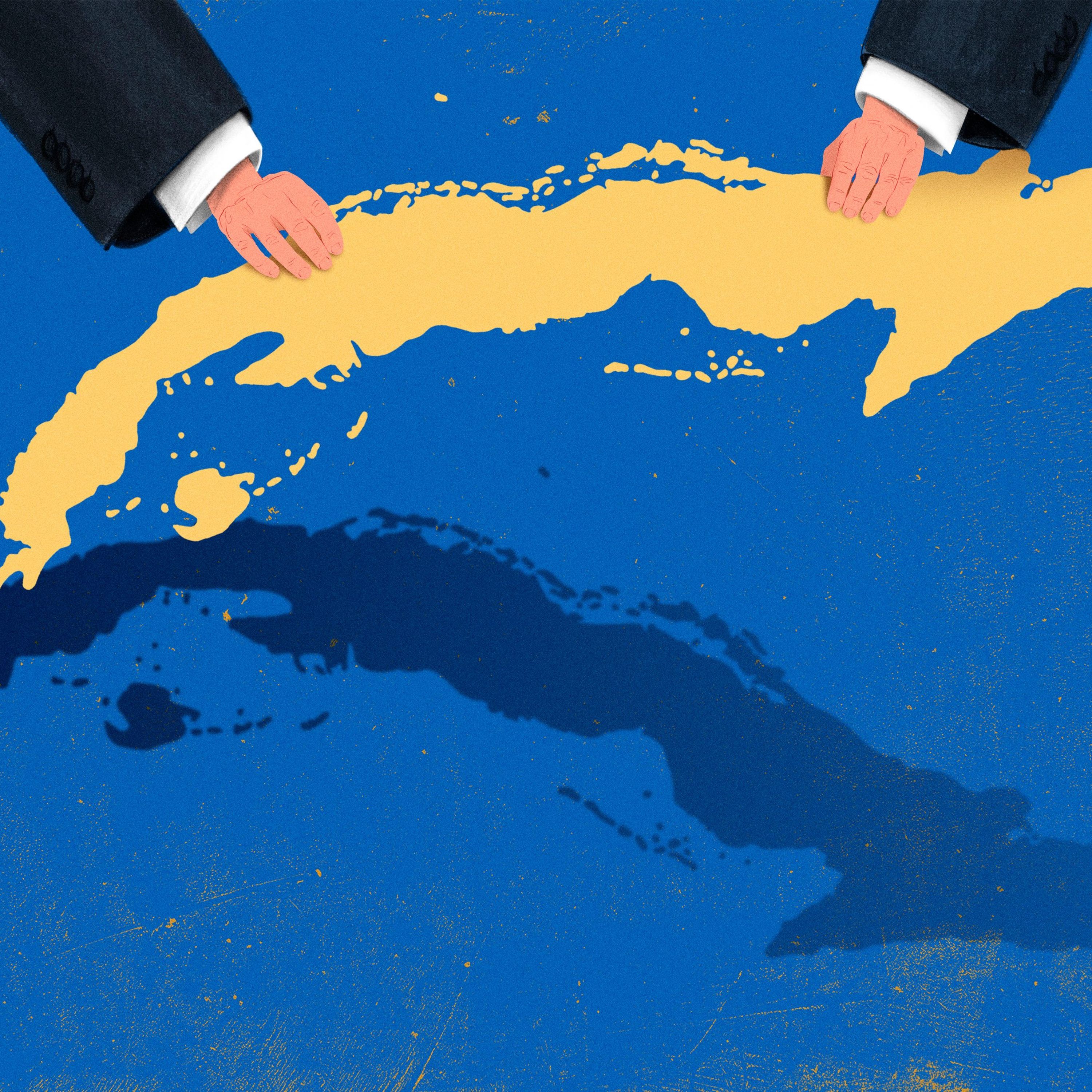
Mar 20, 202634 min<p>The staff writer <a href="https://www.newyorker.com/contributors/jon-lee-anderson" rel="noopener noreferrer">Jon Lee Anderson</a> has reported from Cuba for many years, and recently wrote about the deteriorating economic conditions on the island. His newest piece for the magazine dives into the potential outcomes of Donald Trump’s desire to pursue regime change. Anderson explores the economic impact of the United States blocking Venezuelan oil from reaching Cuba, which could be a death knell for the Communist government. Anderson and David Remnick discuss the current negotiations between the two countries, Marco Rubio’s strategy, and what cards the Cuban government might still hold. “They’re going to go into this,” Anderson suggests, “like maybe a canny poker player.”</p> <p>Plus, the historian Ada Ferrer won the Pulitzer Prize for her 2022 book, “Cuba: An American History,” and she has one of the clearest views of the long and vexed relationship between the island and its giant neighbor. Ferrer left Cuba as an infant, coming to the United States with her mother in 1963 when Fidel Castro’s regime was arguably at its peak. David Remnick talks with Ferrer about the impact of U.S. sanctions, the economic collapse of Cuba, and what Donald Trump’s threat of a “takeover” means to the Cuban people and to Cuban Americans in the U.S. </p> <p> </p> <p><strong>Further reading: </strong></p> <ul> <li>“<a href="https://www.newyorker.com/magazine/2025/10/06/a-cuban-exodus-faces-trumps-america" rel="noopener noreferrer">Have Cubans Fled One Authoritarian State for Another?</a>,” by Jon Lee Anderson</li> <li>“<a href="https://www.newyorker.com/magazine/2026/03/23/whats-behind-trumps-new-world-disorder" rel="noopener noreferrer">What’s Behind Trump’s New World Disorder?</a>,” by Daniel Immerwahr</li> </ul> <p> </p> <p>New episodes of The New Yorker Radio Hour drop every Tuesday and Friday. Join host David Remnick as he discusses the latest in politics, news, and current events in conversation with political leaders, newsmakers, innovators, <i>New Yorker</i> staff writers, authors, actors, and musicians.</p><br/> <p>Hosted by Simplecast, an AdsWizz company. See <a href="https://pcm.adswizz.com">pcm.adswizz.com</a> for information about our collection and use of personal data for advertising.</p>
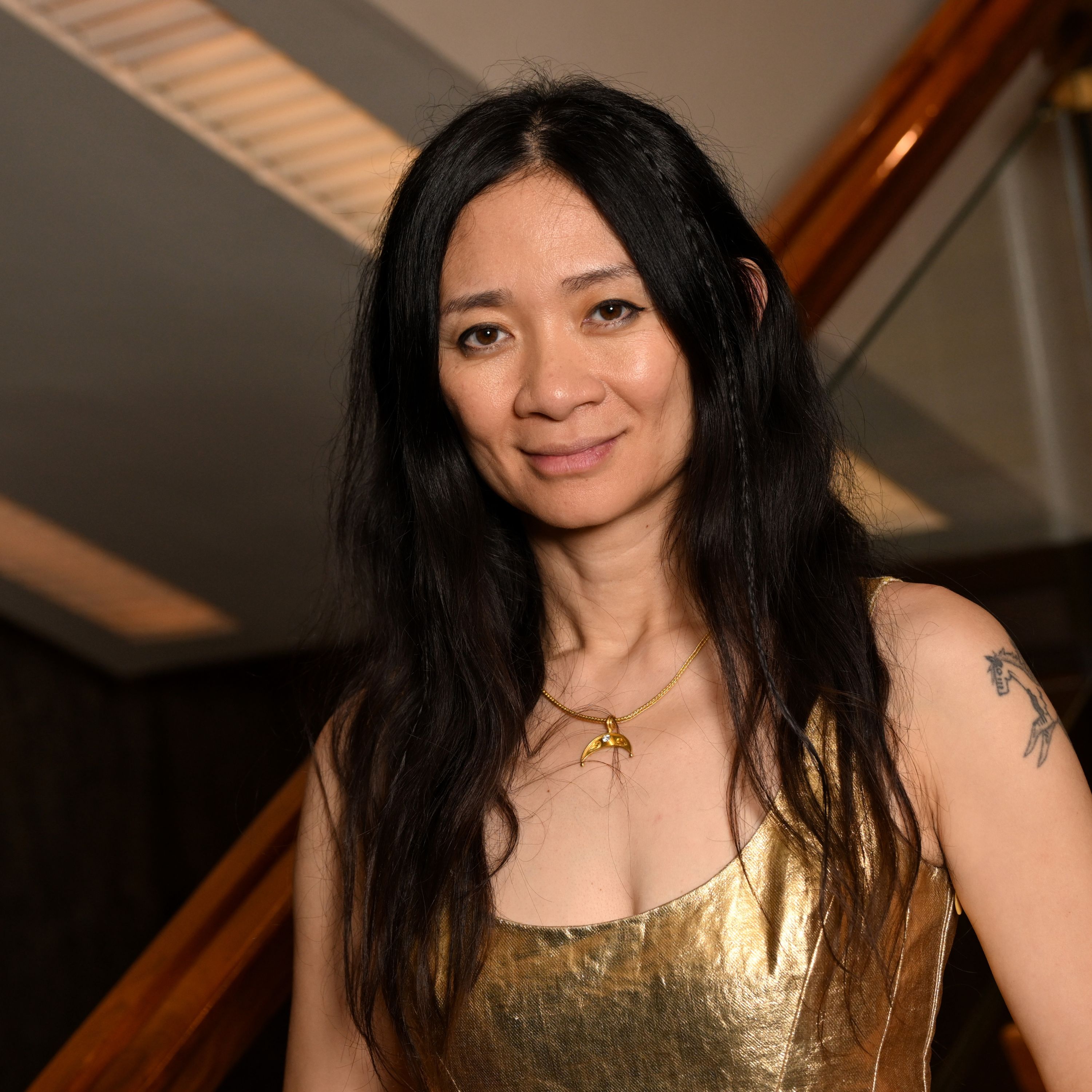
Chloé Zhao on “Hamnet,” Which Is Nominated for Eight Academy Awards
Mar 15, 202622 min<p>Chloé Zhao became only the second woman to win an Oscar for Best Director, for 2020’s “Nomadland,” and she is nominated once again for “Hamnet,” starring Paul Mescal and Jessie Buckley. Based on Maggie O’Farrell’s novel of the same name, the film follows a young William Shakespeare and his wife, and their grief at the loss of their only son. “Hamnet” is also nominated for Best Picture, Best Actress, and five other awards. Speaking with <a href="https://www.newyorker.com/contributors/michael-schulman" rel="noopener noreferrer">Michael Schulman</a>, Zhao talked about the origins of “Hamnet,” the centrality of nature imagery in her work, and how the I.P. in a Marvel film is not so different from adapting a literary novel. </p> <p><i>This segment originally aired on December 5, 2025.</i></p> <p><strong>Further reading:</strong></p> <p>“<a href="https://www.newyorker.com/culture/the-new-yorker-interview/chloe-zhao-has-looked-into-the-void" rel="noopener noreferrer">Chloé Zhao Has Looked into the Void</a>,” by Michael Schulman</p> <p>New episodes of The New Yorker Radio Hour drop every Tuesday and Friday. Join host David Remnick as he discusses the latest in politics, news, and current events in conversation with political leaders, newsmakers, innovators, <i>New Yorker</i> staff writers, authors, actors, and musicians.</p><br/> <p>Hosted by Simplecast, an AdsWizz company. See <a href="https://pcm.adswizz.com">pcm.adswizz.com</a> for information about our collection and use of personal data for advertising.</p>

Social Media Goes to Court
Mar 13, 202629 min<p>In the book “The Anxious Generation,” Jonathan Haidt, a social psychologist at New York University, argues that social-media platforms are detrimental to youths’ well-being, and that society needs to treat them as literally addictive. It has spent nearly a hundred weeks on the New York <i>Times</i> best-seller list, and has helped galvanize a movement seeking limits to social media in legislatures, in school districts, and in the courts. David Remnick speaks with Haidt about an Australian law to verify the age of social-media users, the first of its kind in the world, and about lawsuits in California that are aiming to pin liability for harms on social-media companies themselves. </p> <p><strong>Further reading: </strong></p> <ul> <li>“<a href="https://www.worldhappiness.report/news/leading-experts-to-examine-the-impact-of-social-media-in-world-happiness-report-2026/" rel="noopener noreferrer">World Happiness Report 2026</a>,” featuring a contribution from Jonathan Haidt and other researchers </li> <li>“<a href="https://www.afterbabel.com/p/mountains-of-evidence" rel="noopener noreferrer">Mountains of Evidence</a>,” by Jonathan Haidt</li> </ul> <p>New episodes of The New Yorker Radio Hour drop every Tuesday and Friday. Join host David Remnick as he discusses the latest in politics, news, and current events in conversation with political leaders, newsmakers, innovators, <i>New Yorker</i> staff writers, authors, actors, and musicians.</p><br/> <p>Hosted by Simplecast, an AdsWizz company. See <a href="https://pcm.adswizz.com">pcm.adswizz.com</a> for information about our collection and use of personal data for advertising.</p>
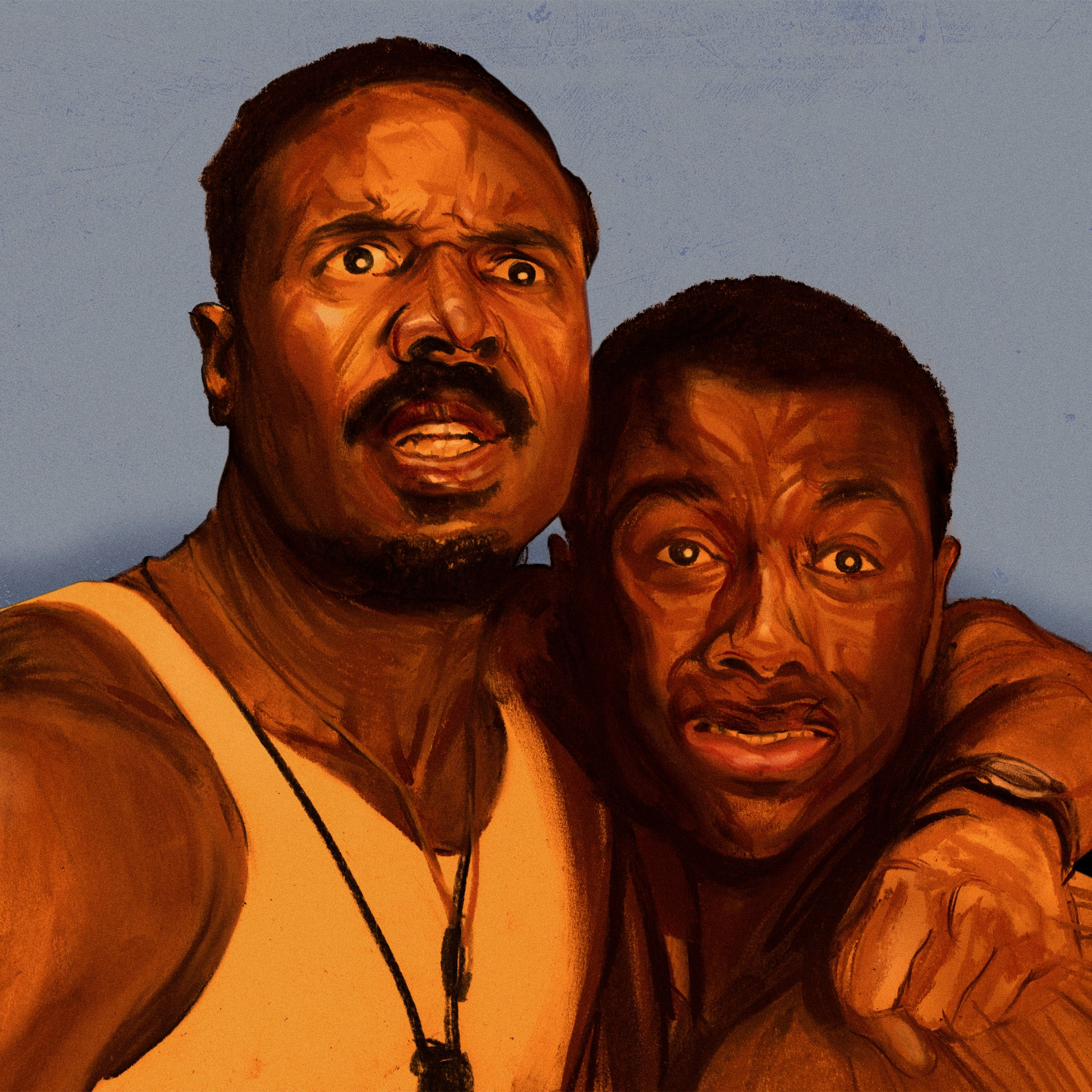
Ryan Coogler on “Sinners,” His Epic Film about Race, Music, and the Undead
Mar 10, 202619 min<p>When the Oscar nominations were announced this year, Ryan Coogler’s “Sinners” set a record. It received sixteen nominations, the most for any film ever. The fact that it’s, in part, a vampire movie, made by a director who’s not yet forty, makes that feat all the more remarkable. Coogler—who previously directed “<a href="https://www.newyorker.com/culture/richard-brody/creed-is-a-knockout" rel="noopener noreferrer">Creed</a>” and “<a href="https://www.newyorker.com/culture/richard-brody/the-passionate-politics-of-black-panther" rel="noopener noreferrer">Black Panther</a>”—sat down with the <i>New Yorker</i> staff writer <a href="https://www.newyorker.com/contributors/jelani-cobb" rel="noopener noreferrer">Jelani Cobb</a> to discuss the recurrent themes of history, faith, and race in his work, and how he refracted them through the lens of horror in “Sinners.”</p> <p><i>This segment originally aired on April 11, 2025.</i></p> <p> </p> <p>Further reading: </p> <p>“<a href="https://www.newyorker.com/magazine/2025/05/05/ryan-coogler-profile" rel="noopener noreferrer">Ryan Coogler’s Road to ‘Sinners</a>,’ ” by Jelani Cobb</p> <p> </p> <p>New episodes of The New Yorker Radio Hour drop every Tuesday and Friday. Join host David Remnick as he discusses the latest in politics, news, and current events in conversation with political leaders, newsmakers, innovators, <i>New Yorker</i> staff writers, authors, actors, and musicians.</p><br/> <p>Hosted by Simplecast, an AdsWizz company. See <a href="https://pcm.adswizz.com">pcm.adswizz.com</a> for information about our collection and use of personal data for advertising.</p>

The Global Fallout of Donald Trump’s War on Iran
Mar 6, 202631 min<p>As Iran’s retaliation hit American allies throughout the Middle East this week, David Remnick was joined by two <i>New Yorker</i> writers with decades of experience reporting from the region. <a href="https://www.newyorker.com/contributors/robin-wright" rel="noopener noreferrer">Robin Wright</a> has reported from Iran extensively, and she met with Ali Khamenei before he became the Supreme Leader of Iran; <a href="https://www.newyorker.com/contributors/dexter-filkins" rel="noopener noreferrer">Dexter Filkins</a> covered the wars in Iraq and Afghanistan, and he has been reporting on the Pentagon and military readiness. Filkins and Wright discuss the possibilities for future leadership in Iran; the Administration’s chaotic statements in regard to its goals and time frame; and the economic impact of the war, which is already being felt around the globe. </p> <p> </p> <p>Further reading:</p> <p>“<a href="https://www.newyorker.com/news/the-lede/what-ayatollah-ali-khamenei-meant-to-iran-and-what-comes-next#rid=d2c89d6d-4990-4ebe-86a1-9adb7c2f0cd2&q=robin+wright" rel="noopener noreferrer">What Ayatollah Ali Khamenei Meant to Iran, and What Comes Next</a>,” by Robin Wright</p> <p>"<a href="https://www.newyorker.com/magazine/2026/01/19/marco-rubio-profile" rel="noopener noreferrer">How Marco Rubio Went from “Little Marco” to Trump’s Foreign-Policy Enabler</a>,” by Dexter Filkins</p> <p>“<a href="https://www.penguinrandomhouse.com/books/49387/the-forever-war-by-dexter-filkins/" rel="noopener noreferrer">The Forever War</a>,” by Dexter Filkins</p> <p> </p> <p>New episodes of The New Yorker Radio Hour drop every Tuesday and Friday. Join host David Remnick as he discusses the latest in politics, news, and current events in conversation with political leaders, newsmakers, innovators, <i>New Yorker</i> staff writers, authors, actors, and musicians.</p><br/> <p>Hosted by Simplecast, an AdsWizz company. See <a href="https://pcm.adswizz.com">pcm.adswizz.com</a> for information about our collection and use of personal data for advertising.</p>
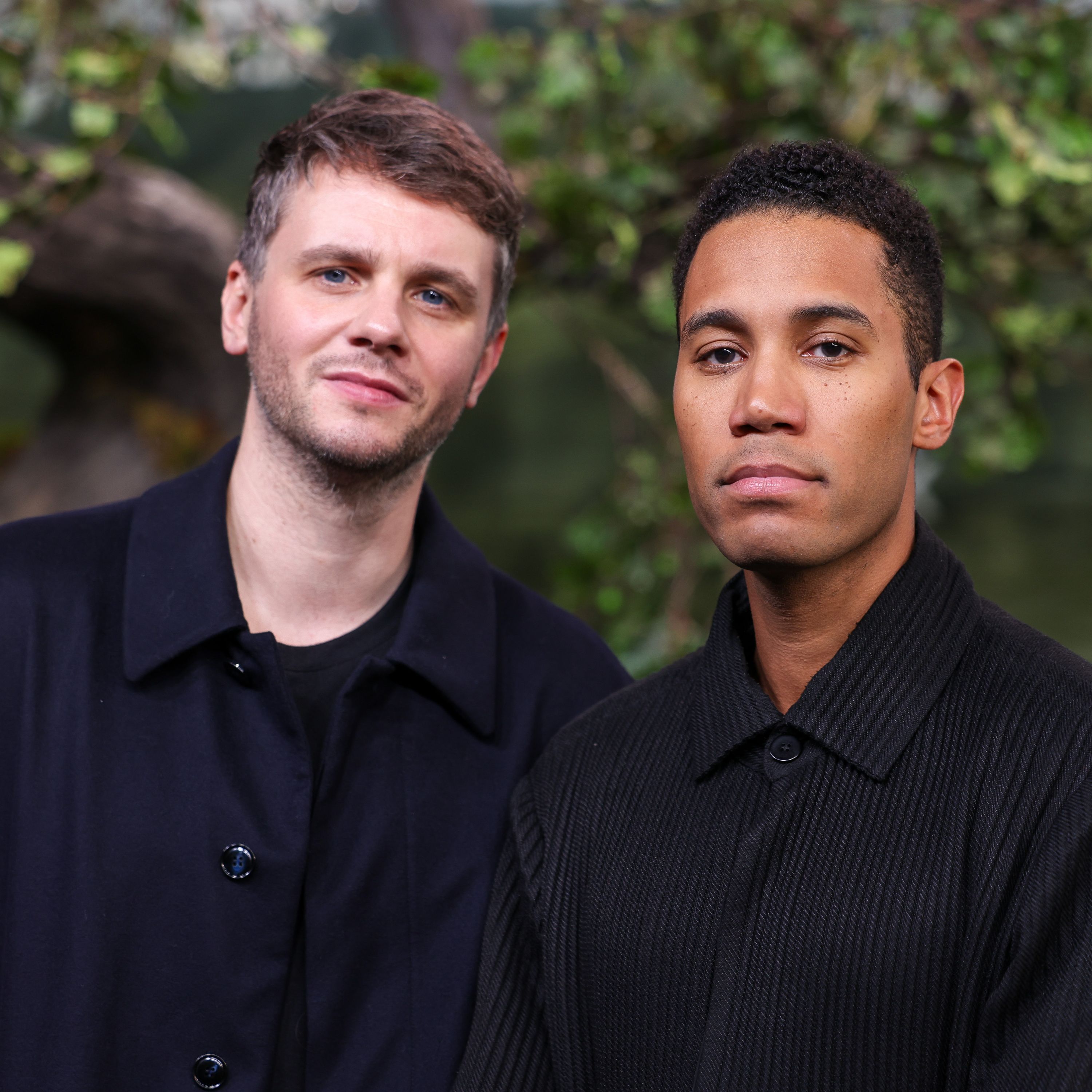
Failed “Finance Bros” Find Success with HBO’s “Industry”
Mar 1, 202616 min<p>David Remnick sits down with Mickey Down and Konrad Kay, the creators of a show he loves, “Industry,” which is currently airing its fourth season. The show is centered on the financial and personal dramas of junior employees at a fictional London investment bank. Down and Kay are old friends who both did unsuccessful stints in banking. “Before we could formulate our own identities, we allowed the institution to make them for us,” Down tells Remnick. But, having left finance for television, he says, “I still feel like I want to make money. . . . I’m never content with my career. The reason our show feels like it’s constantly changing and vibrating with electricity is because me and Konrad are, in terms of our careers. And, you know, we want to be successful. We were finance bros in the first instance.”</p> <p>New episodes of The New Yorker Radio Hour drop every Tuesday and Friday. Join host David Remnick as he discusses the latest in politics, news, and current events in conversation with political leaders, newsmakers, innovators, <i>New Yorker</i> staff writers, authors, actors, and musicians.</p><br/> <p>Hosted by Simplecast, an AdsWizz company. See <a href="https://pcm.adswizz.com">pcm.adswizz.com</a> for information about our collection and use of personal data for advertising.</p>

What Could Go Wrong, or Right, in a War with Iran
Feb 27, 202634 min<p>As Donald Trump and his Administration threaten to attack Iran, their motivations remain unclear. Does the President want to force Iran to make a nuclear deal, to replace the one that he scrapped in his first term, or is he really seeking regime change? To understand how this all might play out, David Remnick speaks with Karim Sadjadpour, a policy analyst at the Carnegie Endowment for International Peace, who writes about the Middle East for <i>Foreign Affairs</i> and other publications. Citing the disastrous precedents in Afghanistan and Iraq, Sadjadpour notes, “the last two decades has proven that we don’t have the ability to dictate . . . who comes to power the day after a military attack.”</p> <p>Plus, After protests over the economy erupted across Iran late last year, reports emerged that the regime was killing protesters. Donald Trump threatened to intervene, but did not. Estimates vary widely, but some note that thirty thousand people or more may have been killed. Now, as the U.S. sends a huge military force to the Gulf, Iranians are waiting for war—and many in the country are in the shocking position of hoping for conflict, if it will end the Ayatollah’s government. The reporter <a href="https://www.newyorker.com/contributors/cora-engelbrecht" rel="noopener noreferrer">Cora Engelbrecht</a> has been recording her conversations with sources on the ground about what that could mean. Their voices were altered or overdubbed for our story, to protect them from reprisal.</p> <p>New episodes of The New Yorker Radio Hour drop every Tuesday and Friday. Join host David Remnick as he discusses the latest in politics, news, and current events in conversation with political leaders, newsmakers, innovators, <i>New Yorker</i> staff writers, authors, actors, and musicians.</p><br/> <p>Hosted by Simplecast, an AdsWizz company. See <a href="https://pcm.adswizz.com">pcm.adswizz.com</a> for information about our collection and use of personal data for advertising.</p>