

Politics
The New Yorker Radio Hour
WNYC Studios and The New Yorker
Profiles, storytelling and insightful conversations, hosted by David Remnick.
 Open in Hinto
Episodes to Learn English1083

Pete Buttigieg on the Democrats’ Sweep of Congress, and Where They Go from Here
Nov 6, 202632 min<p>Though Pete Buttigieg, the former Secretary of Transportation and Indiana mayor, wasn’t on the midterms ballot, he campaigned for Democrats across the country in this election. Buttigieg’s ability to hold his own with red-state audiences and right-leaning media has made him an important voice for the Democratic Party, and he is a likely contender for the 2028 Presidential nomination. He talks with David Remnick about the Democrats’ historic rout; their mandate for the past two years of Donald Trump’s Presidency; and what potential 2028 candidates need to focus on.</p><p> </p><p>Further reading and listening:</p><ul><li>“<a href="https://www.newyorker.com/news/the-political-scene/a-blue-wave-just-crashed-on-trump" rel="noopener noreferrer"><u>A Blue Wave Just Crashed on Trump</u></a>,” by Benjamin Wallace-Wells </li><li>“<a href="https://www.newyorker.com/news/letter-from-trumps-washington/donald-trumps-repudiation-americas-revenge" rel="noopener noreferrer"><u>Donald Trump’s Repudiation, America’s Revenge</u></a>,” by Susan B. Glasser</li><li>“<a href="https://www.wnycstudios.org/podcasts/tnyradiohour/segments/can-mayor-pete-be-democratic-front-runner" rel="noopener noreferrer"><u>Can Mayor Pete Be a Democratic Front-Runner?</u></a>,” an episode of The New Yorker Radio Hour</li></ul><p> </p><p>New episodes of The New Yorker Radio Hour drop every Tuesday and Friday. Join host David Remnick as he discusses the latest in politics, news, and current events in conversation with political leaders, newsmakers, innovators, <i>New Yorker</i> staff writers, authors, actors, and musicians.</p><p><br> </p><br/> <p>Hosted by Simplecast, an AdsWizz company. See <a href="https://pcm.adswizz.com">pcm.adswizz.com</a> for information about our collection and use of personal data for advertising.</p>
Live Event: Movie Night for New Yorker Radio Hour Listeners
Nov 3, 20262 min<p>“Chameleon Street,” directed by Wendell B. Harris, Jr., is a 1989 comedy about a fraudster who impersonates various professionals to make a living and get ahead. <i>The New Yorker’s</i> film critic <a href="https://www.newyorker.com/contributors/richard-brody" rel="noopener noreferrer"><u>Richard Brody</u></a> considers it a neglected masterpiece of independent film, and he will appear at a special screening of it on <a href="https://wnyc.org/events/the-new-yorker-radio-hour-presents-chameleon-street" rel="noopener noreferrer"><u>Friday, November 6th, at 7:00 P.M. at the Greene Space</u></a>, in New York City. Join Brody, and the Radio Hour senior producer <a href="https://www.wnycstudios.org/people/adam-howard" rel="noopener noreferrer"><u>Adam Howard</u></a>, for a Q. & A. after the film. </p><br/> <p>Hosted by Simplecast, an AdsWizz company. See <a href="https://pcm.adswizz.com">pcm.adswizz.com</a> for information about our collection and use of personal data for advertising.</p>
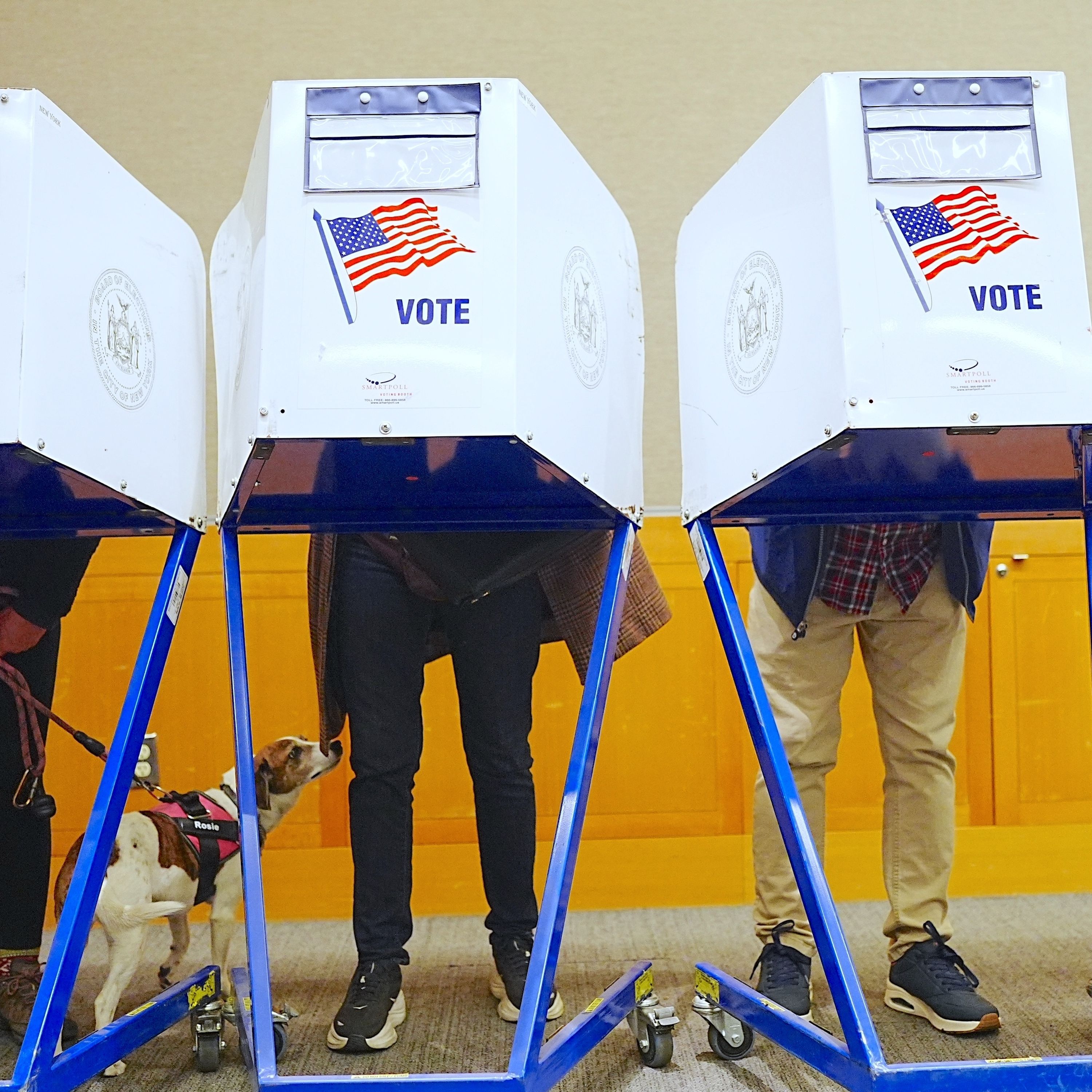
Defending the Midterms from Donald Trump
Nov 1, 202618 min<p>Amid all the prognostication about which party will emerge triumphant during the midterms, there has also been increasing alarm: Will it be a free and fair election? As soon as Donald Trump returned to office, he began making moves to create disruption—demanding private voter data from states, threatening election officials with jail time, and even seizing ballots from prior elections to investigate alleged fraud. And although, so far, none of the White House’s efforts have threatened to significantly alter the results, the Department of Justice has hinted that there is more to come. The U.S. Attorney General, Todd Blanche, has not ruled out using the force of law to prevent election certifications. Furthermore, a lawsuit from the Trump Administration against the State of Alaska is already under way, before a single vote has even been counted. The reporter Barton Gellman and David Remnick discuss the threats to the midterm elections and Gellman’s new piece, “<a href="https://www.newyorker.com/magazine/2026/11/02/the-state-officials-defending-the-midterms-from-the-president" rel="noopener noreferrer"><u>The State Officials Defending the Midterms from the President</u></a>.” </p><p>Further reading: </p><ul><li>“<a href="https://www.newyorker.com/news/the-political-scene/how-ice-is-targeting-the-2026-midterms#rid=9f3011dd-c91d-491e-8c5c-6843727de669&q=midterms" rel="noopener noreferrer"><u>How ICE Is Targeting the 2026 Midterms</u></a>,” by Jonathan Blitzer</li><li>“<a href="https://www.newyorker.com/news/q-and-a/what-the-gerrymandering-wars-mean-for-the-midterms-and-2028#rid=9f3011dd-c91d-491e-8c5c-6843727de669&q=midterms" rel="noopener noreferrer"><u>What the Gerrymandering Wars Mean for the Midterms—and 2028</u></a>,” by Isaac Chotiner</li><li>“<a href="https://www.newyorker.com/news/the-lede/the-latest-republican-efforts-to-make-it-harder-to-vote-in-the-midterms#rid=9f3011dd-c91d-491e-8c5c-6843727de669&q=midterms" rel="noopener noreferrer"><u>The G.O.P.’s Latest Voter-Suppression Plan</u></a>,” by Sue Halpern</li><li>“<a href="https://www.newyorker.com/news/letter-from-trumps-washington/donald-trump-already-knows-the-2026-election-is-rigged#rid=9f3011dd-c91d-491e-8c5c-6843727de669&q=midterms" rel="noopener noreferrer"><u>Donald Trump Already Knows the 2026 Election Is ‘Rigged,’</u></a> ” by Susan B. Glasser</li></ul><p> </p><p>New episodes of The New Yorker Radio Hour drop every Tuesday and Friday. Join host David Remnick as he discusses the latest in politics, news, and current events in conversation with political leaders, newsmakers, innovators, <i>New Yorker</i> staff writers, authors, actors, and musicians.</p><br/> <p>Hosted by Simplecast, an AdsWizz company. See <a href="https://pcm.adswizz.com">pcm.adswizz.com</a> for information about our collection and use of personal data for advertising.</p>
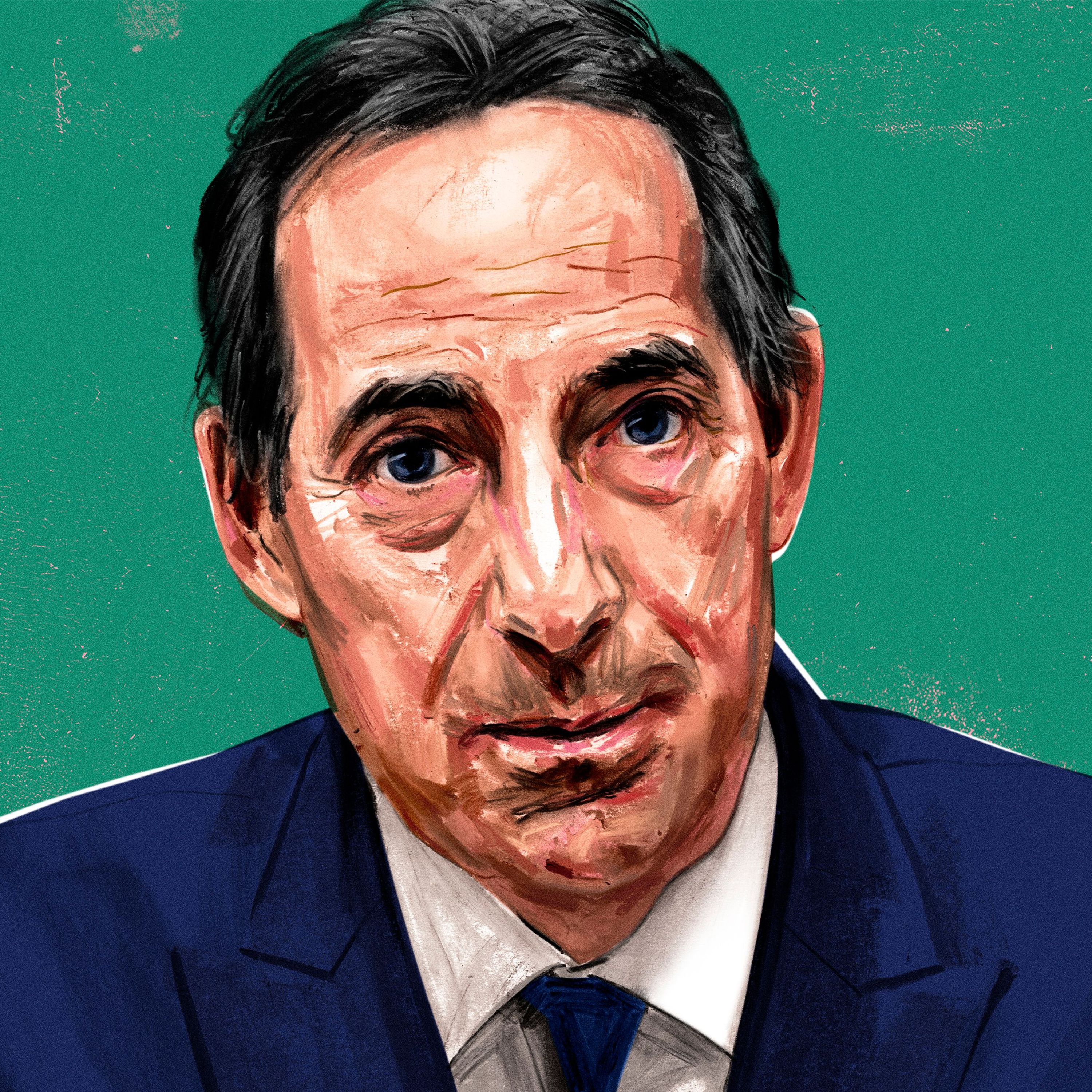
Democrats Might Take Back the House. Then What?
Oct 30, 202632 min<p>The Maryland congressman Jamie Raskin has been relentlessly challenging the Trump Administration in his role as the ranking member of the House Judiciary Committee. He was the lead manager in the second impeachment of Donald Trump, after the January 6th insurrection. Throughout the past two years, Raskin and his fellow-Democrats have watched with horror as most of the efforts to secure accountability for conduct during the first Trump Administration have been wiped away. But that could all change if Democrats take back congressional control in the midterm elections. Raskin and David Remnick discuss the unprecedented depths of corruption in the current Administration, the possible avenues for accountability if the Democrats win, and how the Party can gain credibility with the electorate. As Raskin tells Remnick, “This has been a money-making operation from Day One. You got to look at this thing like ‘The Sopranos’—this is a family business. They’ve been making billions of dollars now. Trump, in his first year in office, declared openly 2.2 billion dollars that he made on the side. That’s more than a million dollars an hour, and his official Presidential salary is four hundred thousand dollars. That means that he made double his entire Presidential salary in one hour. And so, of course, the rest of his time he’s focussed on the corruption. That’s where the money is.” </p><p>Further listening:</p><ul><li>“<a href="https://www.newyorker.com/podcast/politics-and-more/the-political-scene-live-with-jamie-raskin-january-6th-and-accountability-for-donald-trump#rid=850e1a09-239d-450c-992c-78dc03008e94&q=jamie+raskin" rel="noopener noreferrer"><u>The Political Scene Live with Jamie Raskin: January 6th and Accountability for Donald Trump</u></a><i>,” </i>an episode of The Political Scene</li><li>“<a href="https://www.newyorker.com/podcast/the-new-yorker-radio-hour/congressman-jamie-raskin-on-impeaching-donald-trump-again#rid=850e1a09-239d-450c-992c-78dc03008e94&q=jamie+raskin" rel="noopener noreferrer"><u>Congressman Jamie Raskin on Impeaching Donald Trump—Again</u></a>,” an episode of The New Yorker Radio Hour</li></ul><p> </p><p>New episodes of The New Yorker Radio Hour drop every Tuesday and Friday. Join host David Remnick as he discusses the latest in politics, news, and current events in conversation with political leaders, newsmakers, innovators, New Yorker staff writers, authors, actors, and musicians.</p><p><br> </p><br/> <p>Hosted by Simplecast, an AdsWizz company. See <a href="https://pcm.adswizz.com">pcm.adswizz.com</a> for information about our collection and use of personal data for advertising.</p>

Despite Reports, Reading Is Alive and Well
Oct 27, 202621 min<p>This summer, an article came out in <i>The Atlantic</i> called “The End of Reading Is Here,” and it put forward statistics that seem to prove the persistent feeling that new technologies are the death knell of reading books. But, looking into the question, the staff writer Nathan Heller finds a more complicated picture, and he draws a different conclusion in “<a href="https://www.newyorker.com/magazine/2026/10/26/james-daunt-profile" rel="noopener noreferrer"><u>The New Age of Reading</u></a>.” Heller talks with David Remnick about the surprising statistics on book sales and bookstores; the influence of BookTok on younger readers; and how the C.E.O. James Daunt turned around Barnes & Noble, a company that once looked bound for extinction. </p><p><i>Further reading: </i></p><ul><li>“<a href="https://www.newyorker.com/culture/progress-report/why-book-shaming-wont-solve-the-childrens-literacy-crisis#rid=e7fa2e85-f8c1-471c-b1df-4a2e18017b1e&q=literacy" rel="noopener noreferrer"><u>Why ‘Book-Shaming’ Won’t Solve the Children’s Literacy Crisis</u></a>,” by Jessica Winter</li><li>“<a href="https://www.newyorker.com/magazine/2024/05/06/the-battle-for-attention" rel="noopener noreferrer"><u>The Battle for Attention</u></a>,” by Nathan Heller</li><li>“<a href="https://www.newyorker.com/magazine/2023/03/06/the-end-of-the-english-major" rel="noopener noreferrer"><u>The End of the English Major</u></a>,” by Nathan Heller</li></ul><p> </p><p>New episodes of The New Yorker Radio Hour drop every Tuesday and Friday. Join host David Remnick as he discusses the latest in politics, news, and current events in conversation with political leaders, newsmakers, innovators, <i>New Yorker</i> staff writers, authors, actors, and musicians.<br> </p><br/> <p>Hosted by Simplecast, an AdsWizz company. See <a href="https://pcm.adswizz.com">pcm.adswizz.com</a> for information about our collection and use of personal data for advertising.</p>
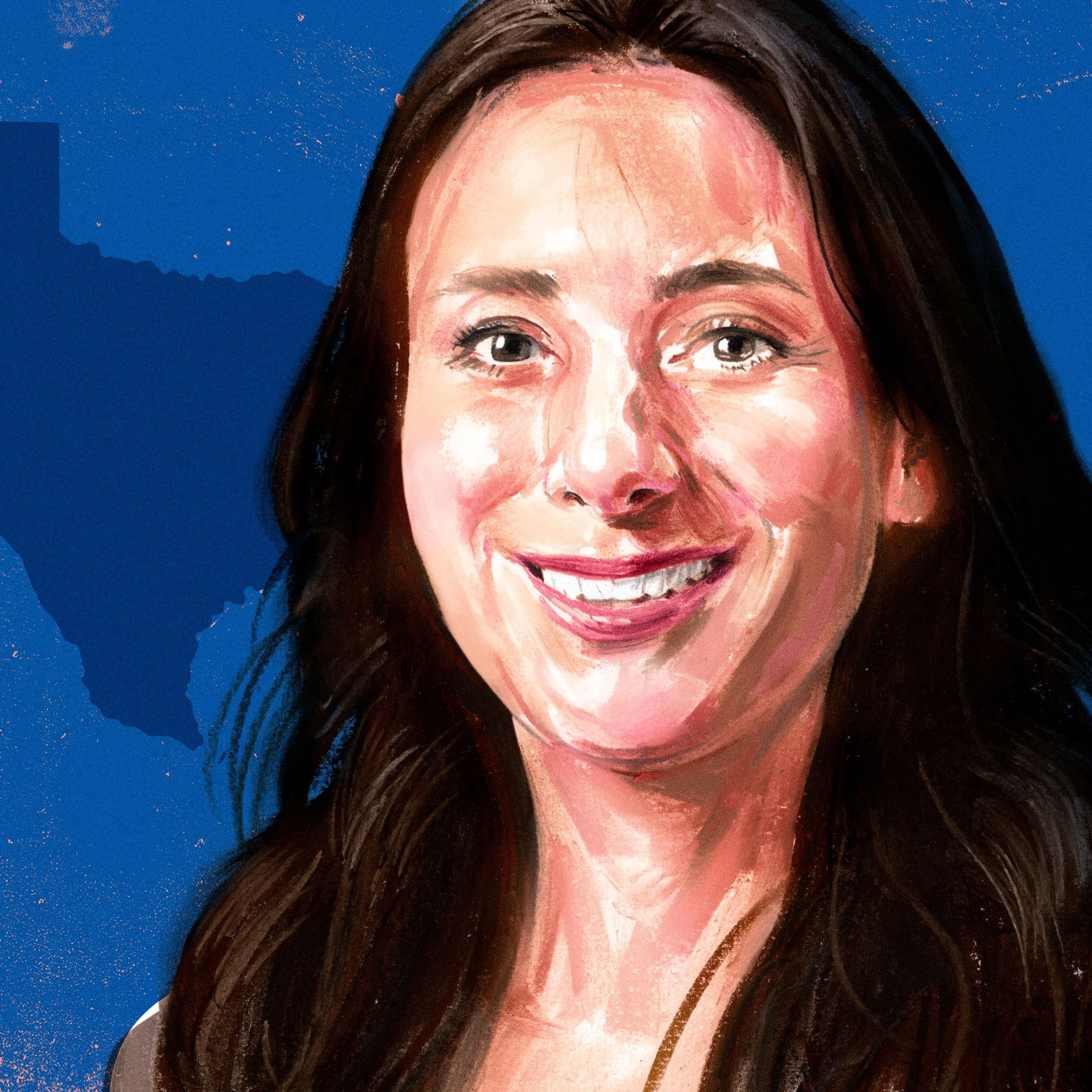
Gina Hinojosa Aims to Make Texas Blue Again
Oct 21, 202628 min<p>The Senate race between James Talarico and Ken Paxton dominates the news out of Texas, but, in the race for governor, a Democratic state legislator is also running neck and neck with the longtime Republican incumbent, Greg Abbott. Gina Hinojosa is likely leading among independents by as much as twenty-three per cent, according to one recent poll. She tells David Remnick that opposition to data centers and to Abbott’s school-voucher program could lead to a blue wave in Texas. “Nobody in 2026 in Texas has the luxury of fighting culture wars,” Hinojosa says. “We've been doing that for ten years, and we're all worse off.” But, Remnick notes, she seems to hold her fire when it comes to Donald Trump. “Listen, I have to win Trump voters to win this race,” she replies. “Latinos went for Trump in Texas. . . . I don't think it is helpful to rub their noses in his failures.”</p><p>Further reading:</p><ul><li>“<a href="https://www.newyorker.com/news/the-lede/the-republicans-are-messing-with-texas#rid=413e576e-f1be-4dfe-8b2a-a72d8a166762&q=gina+hinojosa" rel="noopener noreferrer"><u>The Republicans Are Messing with Texas</u></a>,” by Peter Slevin</li><li>“<a href="https://www.newyorker.com/magazine/2023/02/13/the-astonishing-transformation-of-austin" rel="noopener noreferrer"><u>The Astonishing Transformation of Austin</u></a>,” by Lawrence Wright</li></ul><p><br>New episodes of The New Yorker Radio Hour drop every Tuesday and Friday. Join host David Remnick as he discusses the latest in politics, news, and current events in conversation with political leaders, newsmakers, innovators, <i>New Yorker</i> staff writers, authors, actors, and musicians.</p><br/> <p>Hosted by Simplecast, an AdsWizz company. See <a href="https://pcm.adswizz.com">pcm.adswizz.com</a> for information about our collection and use of personal data for advertising.</p>

Molly Fischer on Waymo, the Driverless Taxi Coming to a City Near You
Oct 20, 202626 min<p>A Waymo offers a unique experience: you ride as a passenger behind or next to an empty driver’s seat, the steering wheel turning as though handled by a ghost. The New Yorker staff writer Molly Fischer has been <a href="https://www.newyorker.com/magazine/2026/10/19/were-learning-to-live-with-waymos-its-going-weird" rel="noopener noreferrer">reporting on Waymo</a>, and she tells David Remnick that though the statistics are hard to parse, Waymos appear to be safer than cars driven by humans. Fans of Waymo prefer not putting themselves in the temporary custody of a stranger, but, Fischer says, this appeal is precisely what makes Waymos’ glitches scariest. Now that her reporting is done, Remnick wants to know: Would she take one of the robot taxis by choice?</p><p><i>Further reading:</i></p><p>“<a href="https://www.newyorker.com/magazine/2026/10/19/were-learning-to-live-with-waymos-its-going-weird" rel="noopener noreferrer">We’re Learning to Live with Waymos. It’s Going Weird,</a>” by Molly Fischer<br>“<a href="https://www.newyorker.com/news/letter-from-silicon-valley/waymo-cars-and-honey-bears#rid=3f213827-c963-4580-9a66-6e3b25db27ca&q=waymo" rel="noopener noreferrer">Waymo Cars, Honey Bears, and the Future of San Francisco,</a>” by Anna Wiener</p><p> </p><p>New episodes of The New Yorker Radio Hour drop every Tuesday and Friday. Join host David Remnick as he discusses the latest in politics, news, and current events in conversation with political leaders, newsmakers, innovators, <i>New Yorker</i> staff writers, authors, actors, and musicians.</p><br/> <p>Hosted by Simplecast, an AdsWizz company. See <a href="https://pcm.adswizz.com">pcm.adswizz.com</a> for information about our collection and use of personal data for advertising.</p>

Has MAGA Lost Faith in Donald Trump?
Oct 16, 202631 min<p>A growing portion of the electorate appears to recognize the mayhem President Donald Trump has instigated since returning to the Oval Office. That segment includes some of the people who put him back into office, including Rich Baris, who goes by the People’s Pundit on social media. Baris runs Big Data Poll, and appears regularly on “The Charlie Kirk Show” and other right-wing outlets. But he concurs with nonpartisan pollsters that MAGA is fracturing, and he talks with David Remnick about how the President lost the trust of his base; the contempt MAGA voters have for the old Republican Party; and who might take the reins after Trump. </p><p><i>Further reading:</i></p><ul><li>“<a href="https://www.newyorker.com/news/letter-from-trumps-washington/the-week-republicans-finally-panicked-about-trump#rid=59d6758f-c50a-4d2d-a6c9-d73ad8e252c1&q=polling" rel="noopener noreferrer"><u>The Week Republicans Finally Panicked About Trump</u></a>,” by Susan B. Glasser</li><li>“<a href="https://www.newyorker.com/books/under-review/a-never-trumper-and-a-democrat-on-beating-maga-for-good#rid=bbc4b3d6-37a6-484e-9603-26f7b25e4bbc&q=maga" rel="noopener noreferrer"><u>A Never Trumper and a Democrat on Beating MAGA for Good</u></a>,” by Isaac Arnsdorf</li><li>“<a href="https://www.newyorker.com/magazine/2026/04/13/how-the-internet-fringe-infiltrated-republican-politics#rid=bbc4b3d6-37a6-484e-9603-26f7b25e4bbc&q=maga" rel="noopener noreferrer"><u>How the Internet Fringe Infiltrated Republican Politics</u></a>,” by Antonia Hitchens</li><li>“<a href="https://www.newyorker.com/magazine/2026/02/02/tucker-carlsons-nationalist-crusade#rid=bbc4b3d6-37a6-484e-9603-26f7b25e4bbc&q=maga" rel="noopener noreferrer"><u>Tucker Carlson’s Nationalist Crusade</u></a>,” by Jason Zengerle</li><li>“<a href="https://www.newyorker.com/culture/open-questions/does-maga-have-ideas#rid=bbc4b3d6-37a6-484e-9603-26f7b25e4bbc&q=maga" rel="noopener noreferrer"><u>Does MAGA Have Ideas?</u></a>,” by Joshua Rothman</li></ul><p> </p><p>New episodes of The New Yorker Radio Hour drop every Tuesday and Friday. Join host David Remnick as he discusses the latest in politics, news, and current events in conversation with political leaders, newsmakers, innovators, <i>New Yorker</i> staff writers, authors, actors, and musicians.</p><br/> <p>Hosted by Simplecast, an AdsWizz company. See <a href="https://pcm.adswizz.com">pcm.adswizz.com</a> for information about our collection and use of personal data for advertising.</p>

The Reporter Nicholas Lemann on California’s Battle to Pass a Billionaire Tax
Oct 13, 202618 min<p>In California, progressives have crafted a ballot initiative that calls for a wealth tax—a one-time, five-per-cent tax on wealth above a billion dollars, earmarked to shore up the state’s health-care system after drastic federal cuts. Wealth inequality is a vast concern, especially among Democrats, and taxes on substantial wealth are broadly popular. Yet, as the <i>New Yorker</i> staff writer Nicholas Lemann reports in “<a href="https://www.newyorker.com/magazine/2026/10/12/the-battle-to-pass-a-billionaire-tax" rel="noopener noreferrer"><u>The Battle to Pass a Billionaire Tax</u></a>,” many prominent Democratic politicians, including Elizabeth Warren, have declined to support it publicly. Lemann talks with David Remnick about why this bellwether progressive issue faces such an uphill battle. </p><p><i><strong>Further reading and listening: </strong></i></p><ul><li>“<a href="https://www.newyorker.com/news/the-weekend-essay/on-not-being-a-homeowner#rid=3b176300-3cc0-40dc-97cc-624d78b34f9f&q=california" rel="noopener noreferrer"><u>On Not Being a Homeowner</u></a>,” by Anna Holmes </li><li>“<a href="https://www.newyorker.com/podcast/political-scene/can-california-actually-make-billionaires-pay#rid=ad099d1e-5cab-4fc3-9bb7-96dbe437b139&q=california" rel="noopener noreferrer"><u>Can California Actually Make Billionaires Pay?</u></a>,” an episode of The Political Scene</li><li>“<a href="https://www.newyorker.com/podcast/the-new-yorker-radio-hour/how-a-trump-endorsed-republican-could-become-californias-next-governor#rid=ad099d1e-5cab-4fc3-9bb7-96dbe437b139&q=california" rel="noopener noreferrer"><u>How a Trump-Endorsed Republican Could Become California’s Next Governor</u></a>,” an episode of The New Yorker Radio Hour</li></ul><p> </p><p>New episodes of The New Yorker Radio Hour drop every Tuesday and Friday. Join host David Remnick as he discusses the latest in politics, news, and current events in conversation with political leaders, newsmakers, innovators, <i>New Yorker</i> staff writers, authors, actors, and musicians.</p><br/> <p>Hosted by Simplecast, an AdsWizz company. See <a href="https://pcm.adswizz.com">pcm.adswizz.com</a> for information about our collection and use of personal data for advertising.</p>

Canada’s Plans for Donald Trump
Oct 9, 202632 min<p>The economic punishment and threats of aggression that Donald Trump has launched against Canada are so severe that its government has looked at how to prepare for U.S. military action. David Remnick sits down with a former senior Canadian politician, Chrystia Freeland, to talk about the disintegration of a rock-solid partnership. Freeland served as the Deputy Prime Minister under Justin Trudeau, and has also held the roles of Minister of International Trade and Minister of Foreign Affairs; she helped negotiate a trade deal in Trump’s first term, which he subsequently broke. Freeland’s new book about the U.S.-Canada relationship is called “<a href="https://www.simonandschuster.com/books/Unreliable-Boyfriend/Chrystia-Freeland/9781451658262" rel="noopener noreferrer"><u>Unreliable Boyfriend</u></a>,” but that title may soft-pedal it. “The vast majority of Canadians see this as a rupture” that will be permanent, she tells Remnick. “They think America is toxic and broken and can never be trusted again. . . . I actually am an outlier, because I think we shouldn’t write America off quite yet.” </p><p><i><strong>Further reading:</strong></i></p><ul><li>“<a href="https://www.newyorker.com/news/global-notes/what-if-canada-joined-the-eu#rid=1a379fa9-47d0-4191-af59-70c915000d41&q=canada" rel="noopener noreferrer"><u>What If Canada Joined the E.U.?</u></a>,” by Ishaan Tharoor</li><li>“<a href="https://www.newyorker.com/news/the-lede/canada-the-northern-outpost-of-sanity#rid=1a379fa9-47d0-4191-af59-70c915000d41&q=canada" rel="noopener noreferrer"><u>Canada, the Northern Outpost of Sanity</u></a>,” by Bill McKibben</li><li>“<a href="https://www.newyorker.com/news/q-and-a/the-historical-roots-of-donald-trumps-aggressive-nationalism#rid=1a379fa9-47d0-4191-af59-70c915000d41&q=canada" rel="noopener noreferrer"><u>The Historical Roots of Donald Trump’s Aggressive Nationalism</u></a>,” by Isaac Chotiner</li></ul><p> </p><p>New episodes of The New Yorker Radio Hour drop every Tuesday and Friday. Join host David Remnick as he discusses the latest in politics, news, and current events in conversation with political leaders, newsmakers, innovators, <i>New Yorker</i> staff writers, authors, actors, and musicians.</p><br/> <p>Hosted by Simplecast, an AdsWizz company. See <a href="https://pcm.adswizz.com">pcm.adswizz.com</a> for information about our collection and use of personal data for advertising.</p>
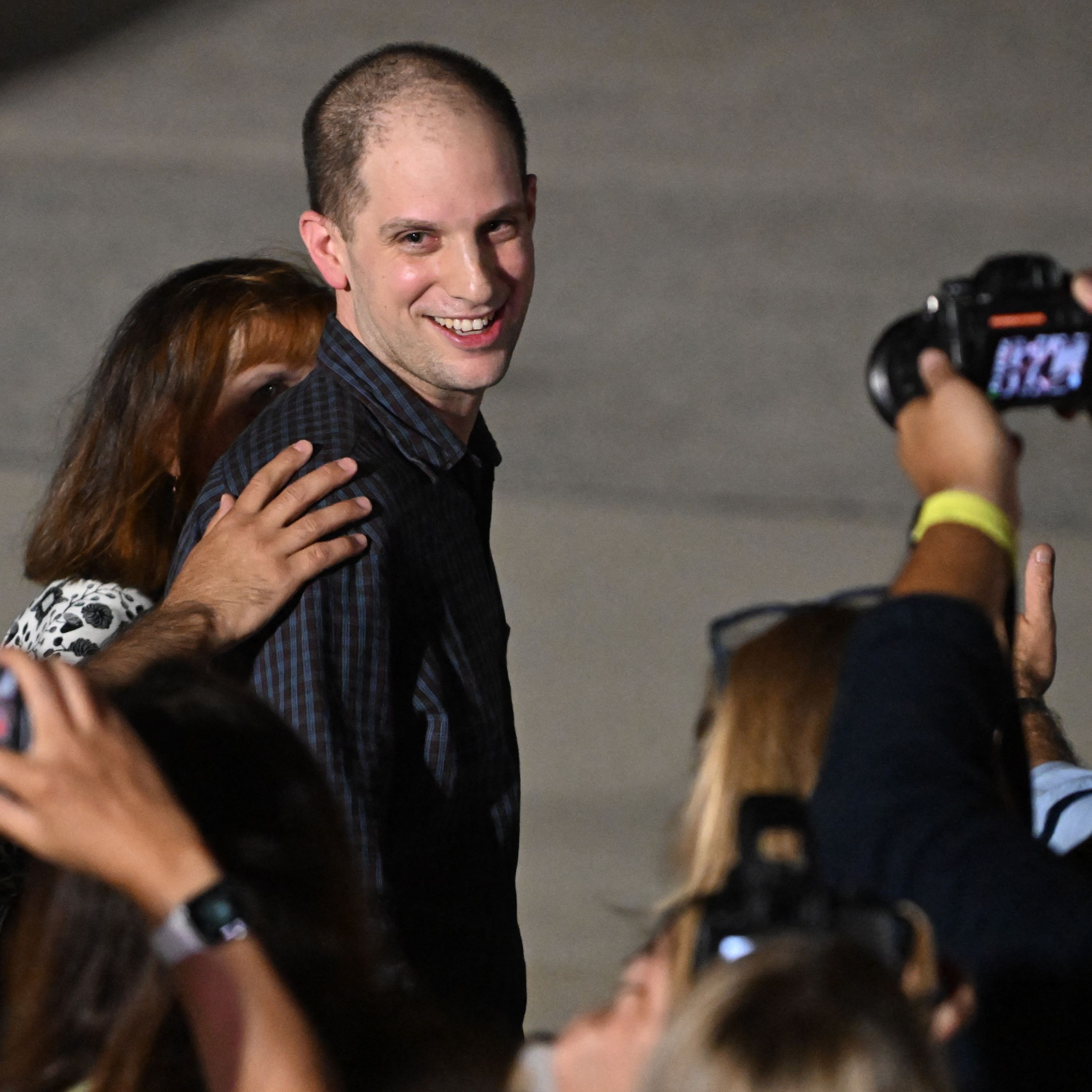
An American Journalist Imprisoned as a Spy in Russia
Oct 6, 202622 min<p>In 2023, Evan Gershkovich was working as a young reporter in Moscow for the <i>Wall Street Journal</i>, when he was arrested by Russian authorities. He was eventually convicted on blatantly false charges of espionage and spent nearly five hundred days in imprisonment. Gershkovich recounts the experience in a new memoir, “<a href="https://www.penguinrandomhouse.com/books/795680/this-cursed-beautiful-land-by-evan-gershkovich/" rel="noopener noreferrer"><u>This Cursed Beautiful Land</u></a>,” and in an <a href="https://www.newyorker.com/culture/essay/the-cellmate-who-taught-me-the-codes-of-russian-prison" rel="noopener noreferrer"><u>essay</u></a> in <i>The New Yorker</i>. He spoke with David Remnick about life inside a Russian prison, the international prisoner swap that freed him, and why the difficult process of reacclimating to his former life complicated how he viewed his incarceration. </p><p>Further reading and listening: </p><ul><li>“<a href="https://www.newyorker.com/news/the-lede/the-russian-prisoner-who-didnt-want-to-be-freed#rid=7fc854db-1a1a-425c-af75-15f2132a38ad&q=evan+gershkovich" rel="noopener noreferrer"><u>The Russian Prisoner Who Didn’t Want to Be Freed</u></a>,” by Joshua Yaffa</li><li>“<a href="https://www.newyorker.com/news/news-desk/evan-gershkovich-is-finally-coming-home#rid=7fc854db-1a1a-425c-af75-15f2132a38ad&q=evan+gershkovich" rel="noopener noreferrer"><u>Evan Gershkovich Is Finally Coming Home</u></a>,” by Joshua Yaffa</li><li>“<a href="https://www.newyorker.com/news/daily-comment/the-unimaginable-horror-of-a-friends-arrest-in-moscow#rid=7fc854db-1a1a-425c-af75-15f2132a38ad&q=evan+gershkovich" rel="noopener noreferrer"><u>The Unimaginable Horror of a Friend’s Arrest in Moscow</u></a>,” by Joshua Yaffa</li></ul><p><i>This segment was recorded live at the </i><a href="https://emanuelnyc.org/giving/the-streicker-center/" rel="noopener noreferrer"><i><u>Temple Emanu-El Streicker Centers</u></i></a><i>, in New York City. </i></p><p> </p><p>New episodes of The New Yorker Radio Hour drop every Tuesday and Friday. Follow the show wherever <a href="http://swap.fm/l/tny-radiohour-eBFv3Y" rel="noopener noreferrer"><u>you get your podcasts</u></a>. </p><br/> <p>Hosted by Simplecast, an AdsWizz company. See <a href="https://pcm.adswizz.com">pcm.adswizz.com</a> for information about our collection and use of personal data for advertising.</p>

Jeremy Strong on Playing Mark Zuckerberg and Other Unpopular Characters
Oct 2, 202629 min<p>In Aaron Sorkin’s latest film, “The Social Reckoning,” the Facebook founder Mark Zuckerberg deals with multiple federal investigations and a whistle-blower’s revelations about the damage that the company was causing young people. It’s a dark sequel to the 2010 film, “The Social Network,” and, this time around, Zuckerberg is played by Jeremy Strong, who’s best known as Kendall Roy on “Succession” and as Roy Cohn in “The Apprentice.” Strong undergoes an unusually intense level of preparation to inhabit his roles; he tells David Remnick that he would send Sorkin e-mails, while in character as Zuckerberg, at night after shooting. They discuss why Strong was rankled by <i>The New Yorker’s</i> 2021 Profile of him, and his interest in playing characters who are “right on the fault line of everything that’s going on in our world right now.” </p><p>Further reading:</p><ul><li>“<a href="https://www.newyorker.com/magazine/2021/12/13/on-succession-jeremy-strong-doesnt-get-the-joke#rid=a73cbcde-13d5-4e5e-9be8-258e2e3a26c9&q=jeremy+strong" rel="noopener noreferrer"><u>On ‘Succession,’ Jeremy Strong Doesn’t Get the Joke</u></a>,” by Michael Schulman</li><li>“ ‘<a href="https://www.newyorker.com/culture/the-front-row/springsteen-deliver-me-from-nowhere-tamps-the-boss-down#rid=a73cbcde-13d5-4e5e-9be8-258e2e3a26c9&q=jeremy+strong" rel="noopener noreferrer"><u>Springsteen: Deliver Me from Nowhere’ Tamps the Boss Down</u></a>,” by Richard Brody</li><li>“ ‘<a href="https://www.newyorker.com/culture/the-front-row/the-apprentice-reviewed-the-immoral-makings-of-donald-trump#rid=a73cbcde-13d5-4e5e-9be8-258e2e3a26c9&q=jeremy+strong" rel="noopener noreferrer"><u>The Apprentice,’ Reviewed: The Immoral Makings of Donald Trump</u></a>,” by Richard Brody</li><li>“<a href="https://www.newyorker.com/magazine/2024/04/01/an-enemy-of-the-people-theatre-review#rid=a73cbcde-13d5-4e5e-9be8-258e2e3a26c9&q=jeremy+strong" rel="noopener noreferrer"><u>Masterstroke Casting in ‘An Enemy of the People</u></a>,’ ” by Vinson Cunningham</li><li>“<a href="https://www.newyorker.com/culture/cultural-comment/farewell-kendall-roy-succession#rid=a73cbcde-13d5-4e5e-9be8-258e2e3a26c9&q=jeremy+strong" rel="noopener noreferrer"><u>Farewell, Kendall Roy</u></a>,” by Michael Schulman</li></ul><p> </p><p>New episodes of The New Yorker Radio Hour drop every Tuesday and Friday. Join host David Remnick as he discusses the latest in politics, news, and current events in conversation with political leaders, newsmakers, innovators, New Yorker staff writers, authors, actors, and musicians.</p><br/> <p>Hosted by Simplecast, an AdsWizz company. See <a href="https://pcm.adswizz.com">pcm.adswizz.com</a> for information about our collection and use of personal data for advertising.</p>

Min Jin Lee on “American Hagwon,” Her First Novel After the Phenomenon of “Pachinko”
Sep 29, 202629 min<p>Min Jin Lee gave up climbing the ladder of conventional success by quitting her corporate-law job and then spending more than a decade working on her début novel, “<a href="https://www.hachettebookgroup.com/titles/min-jin-lee/free-food-for-millionaires/9781538722022/" rel="noopener noreferrer"><u>Free Food for Millionaires</u></a>.” Ten years later, in 2017, she published “<a href="https://www.hachettebookgroup.com/titles/min-jin-lee/pachinko-national-book-award-finalist/9781538784037/" rel="noopener noreferrer"><u>Pachinko</u></a>,” a historical epic that was translated into more than thirty languages. Nearly another decade later, she released “<a href="https://cardinal-publishing.com/titles/min-jin-lee/american-hagwon/9781549156397/" rel="noopener noreferrer"><u>American Hagwon</u></a>,” which follows a family as they move from Seoul to Sydney to Southern California in pursuit of the best possible education for their children. Lee talks with David Remnick about the institution of the <i>hagwon</i>, her love of research, and making Korean experiences legible to readers around the world. “It’s my job to make everybody Korean, David,” she says. “I think Koreans are awesome. I want you to be Korean.” </p><p>Further reading and listening: </p><ul><li>“<a href="https://www.newyorker.com/podcast/fiction/min-jin-lee-reads-wendi-kaufman#rid=69b0df8e-9189-4897-84c2-c96aafcd7e95&q=min+jin+lee" rel="noopener noreferrer"><u>Min Jin Lee Reads Wendy Kaufman</u></a>,” an episode of the Fiction Podcast</li><li>“<a href="https://www.newyorker.com/magazine/2026/07/27/testing-fiction-min-jin-lee#rid=69b0df8e-9189-4897-84c2-c96aafcd7e95&q=min+jin+lee" rel="noopener noreferrer"><u>Testing</u></a>,” by Min Jin Lee</li><li>“<a href="https://www.newyorker.com/books/this-week-in-fiction/min-jin-lee-07-27-26#rid=69b0df8e-9189-4897-84c2-c96aafcd7e95&q=min+jin+lee" rel="noopener noreferrer"><u>Min Jin Lee on Exams and Hagwons</u></a>,” by Deborah Treisman</li><li>“<a href="https://www.newyorker.com/culture/the-new-yorker-interview/what-min-jin-lee-wants-us-to-see#rid=69b0df8e-9189-4897-84c2-c96aafcd7e95&q=min+jin+lee" rel="noopener noreferrer"><u>What Min Jin Lee Wants Us to See</u></a>,” by Michael Luo</li><li>“<a href="https://www.newyorker.com/magazine/2019/06/10/stonehenge#rid=69b0df8e-9189-4897-84c2-c96aafcd7e95&q=min+jin+lee" rel="noopener noreferrer"><u>Stonehenge</u></a>,” by Min Jin Lee</li><li>“<a href="https://www.newyorker.com/culture/culture-desk/after-the-pyeongchang-winter-olympics-healing-the-deepest-fracture#rid=69b0df8e-9189-4897-84c2-c96aafcd7e95&q=min+jin+lee" rel="noopener noreferrer"><u>After the Pyeongchang Winter Olympics, Healing the Deepest Fracture</u></a>,” by Min Jin Lee</li></ul><p> </p><p>New episodes of The New Yorker Radio Hour drop every Tuesday and Friday. Join host David Remnick as he discusses the latest in politics, news, and current events in conversation with political leaders, newsmakers, innovators, New Yorker staff writers, authors, actors, and musicians.</p><br/> <p>Hosted by Simplecast, an AdsWizz company. See <a href="https://pcm.adswizz.com">pcm.adswizz.com</a> for information about our collection and use of personal data for advertising.</p>
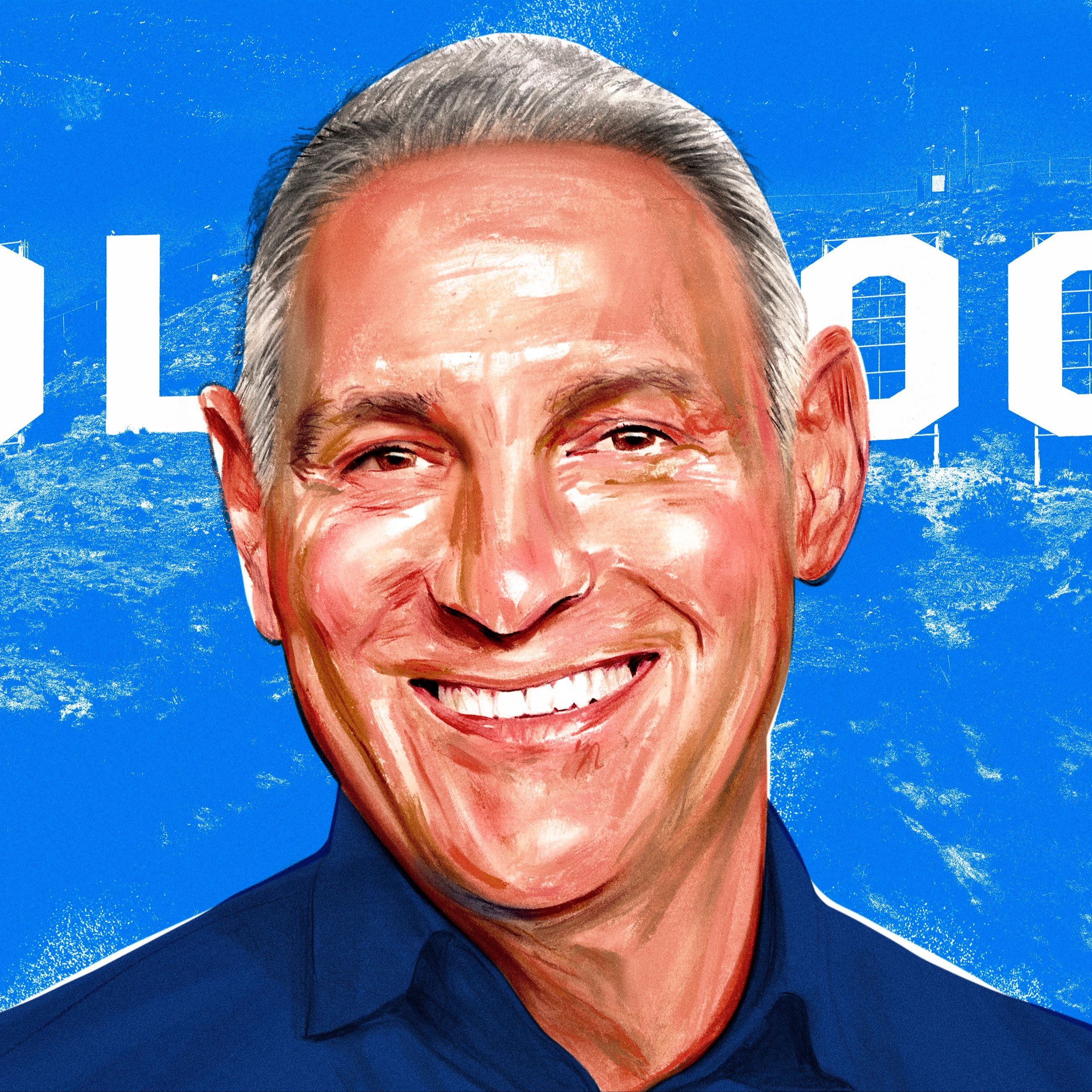
Ari Emanuel on Donald Trump, Elon Musk, and Mixing Business with Politics
Sep 25, 202631 min<p>Ari Emanuel is the executive chairman of W.M.E., one of the biggest talent agencies in Hollywood. He has overseen the careers of Oprah Winfrey, Taylor Swift, Meghan Markle, Martin Scorsese, Dwayne (the Rock) Johnson, and Donald Trump. His entertainment machine now includes the W.W.E., the U.F.C., live theatres, ticketing operations, and more. In a new memoir, “<a href="https://www.penguinrandomhouse.com/books/835662/roll-the-calls-by-ari-emanuel/" rel="noopener noreferrer"><u>Roll the Calls</u></a>,” Emanuel charts his rise from working in the mailroom to global power. He talks with David Remnick about his disappointment with Donald Trump’s self-enrichment during his Presidency; his close relationship with Elon Musk, whom he calls an “incredible human being”; and doing business within “shades of gray” with the de-facto Saudi leader Mohammed bin Salman. </p><p>Further reading:</p><ul><li>“<a href="https://www.newyorker.com/magazine/2021/04/26/ari-emanuel-takes-on-the-world" rel="noopener noreferrer"><u>Ari Emanuel Takes on the World</u></a>,” by Connie Bruck</li></ul><p> </p><p>New episodes of The New Yorker Radio Hour drop every Tuesday and Friday. Join host David Remnick as he discusses the latest in politics, news, and current events in conversation with political leaders, newsmakers, innovators, New Yorker staff writers, authors, actors, and musicians.</p><br/> <p>Hosted by Simplecast, an AdsWizz company. See <a href="https://pcm.adswizz.com">pcm.adswizz.com</a> for information about our collection and use of personal data for advertising.</p>
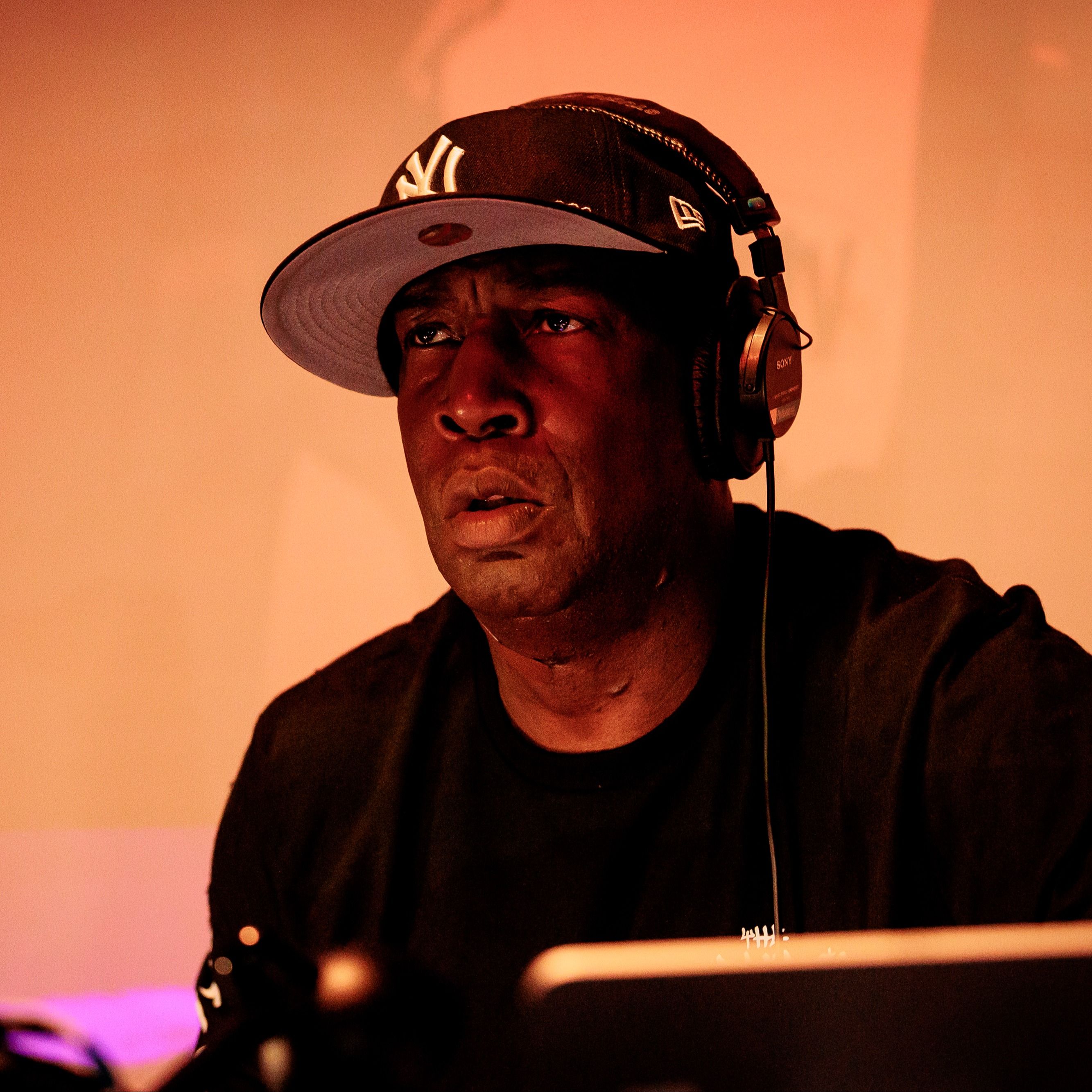
Grandmaster Flash on “Birth of a Culture”
Sep 22, 202634 min<p>Grandmaster Flash has been an innovator in the art of d.j.’ing since he was practically a child growing up in the Bronx. As a young man named Joseph Saddler, he spent his days trying to figure out how to make the drum breaks in his favorite songs last longer and longer. Now in his late sixties, Flash remains as devoted to the art of the turntable as ever. In a new memoir, “<a href="https://www.harpercollins.com/products/birth-of-a-culture-grandmaster-flashrobert-scoop-jackson?variant=44722739085346" rel="noopener noreferrer"><u>Birth of a Culture</u></a>,” he looks at hip-hop’s earliest days, as the music made its way from outdoor parties to huge venues like the Audubon Ballroom. He tells David Remnick how his creative innovations were born of an obsession with electronics, and why he views his group’s biggest hit, “The Message,” as the beginning of the end of a glorious moment in hip-hop culture. </p><p>Further reading: </p><ul><li>“<a href="https://www.newyorker.com/magazine/2026/09/14/birth-of-a-culture-grandmaster-flash-and-robert-scoop-jackson-book-review#rid=a2e1d79f-1615-4306-ae71-2a122cd212b7&q=grandmaster+flash" rel="noopener noreferrer"><u>Grandmaster Flash’s Remix of Hip-Hop History</u></a>,” by Vinson Cunningham</li></ul><p> </p><p>New episodes of The New Yorker Radio Hour drop every Tuesday and Friday. Join host David Remnick as he discusses the latest in politics, news, and current events in conversation with political leaders, newsmakers, innovators, <i>New Yorker</i> staff writers, authors, actors, and musicians.</p><p><br> </p><br/> <p>Hosted by Simplecast, an AdsWizz company. See <a href="https://pcm.adswizz.com">pcm.adswizz.com</a> for information about our collection and use of personal data for advertising.</p>
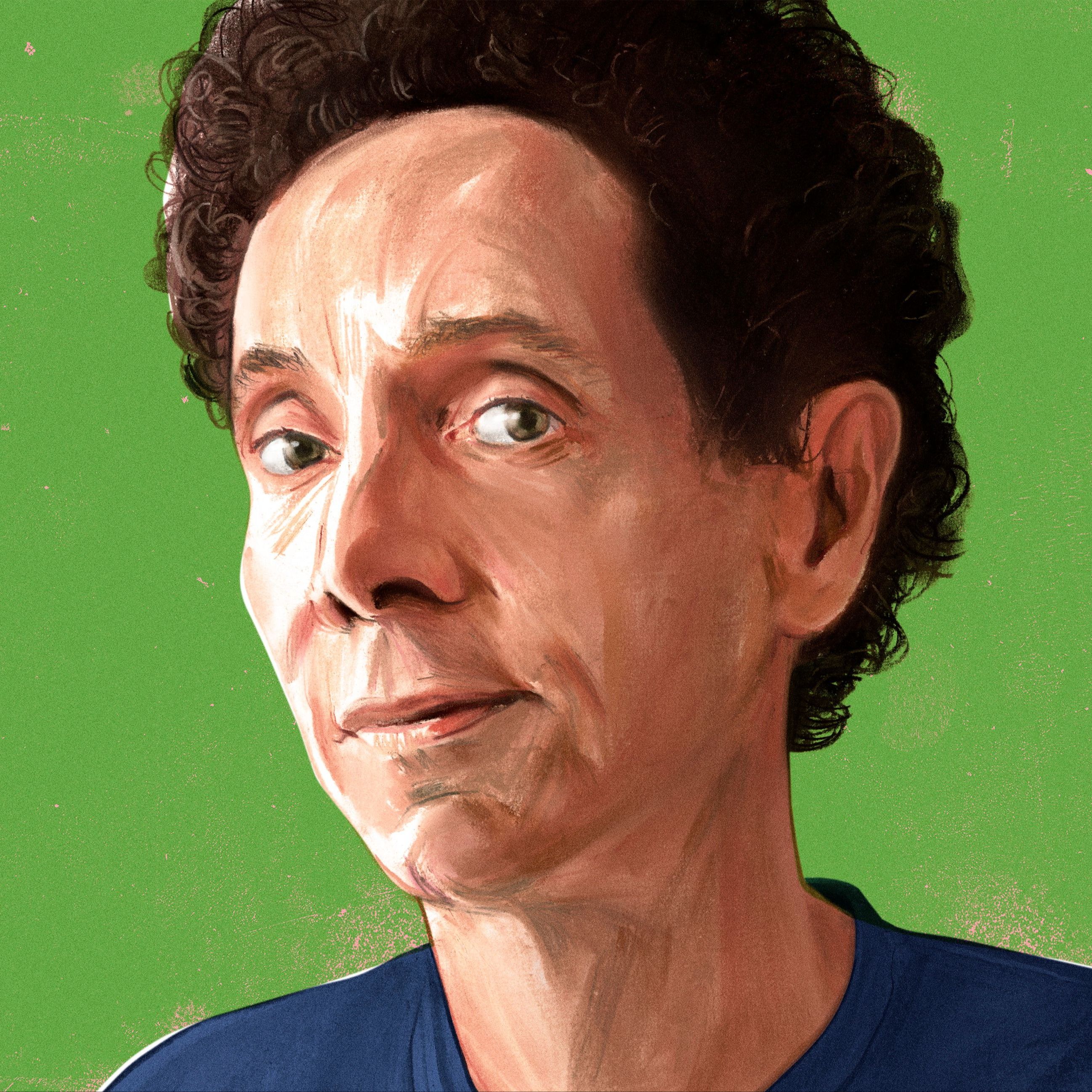
Malcolm Gladwell on “The American Way of Killing”
Sep 18, 202624 min<p>Malcolm Gladwell, a longtime staff writer at <i>The New Yorker</i>, often uses ideas from the social sciences and epidemiology and applies them to surprising topics. But his new book tackles an issue that’s in the headlines every day. The book is called “<a href="https://www.hachettebookgroup.com/titles/malcolm-gladwell/the-american-way-of-killing/9780316603782/?lens=little-brown" rel="noopener noreferrer"><u>The American Way of Killing</u></a>,” and the subject is America’s unique association with gun violence. Death statistics, he says, fail to convey the scale of the problem because advances in medical care save countless lives that are nevertheless scarred by violence. Gladwell talks with David Remnick about how gun-control advocates have got the problem wrong, and why he thinks that a persistent dynamic of under-policing and over-incarcerating is at the root of America’s problem. “I can’t even utter the phrase ‘defund the police,’ ” Gladwell says, “without nearly blowing a gasket.”</p><p>Further reading:</p><ul><li>“<a href="https://www.newyorker.com/magazine/2025/06/09/unforgiving-places-jens-ludwig-book-review" rel="noopener noreferrer"><u>What We Get Wrong About Violent Crime</u></a>,” by Malcolm Gladwell</li><li>“<a href="https://www.newyorker.com/magazine/2016/12/19/daniel-ellsberg-edward-snowden-and-the-modern-whistle-blower" rel="noopener noreferrer"><u>Daniel Ellsberg, Edward Snowden, and the Modern Whistle-Blower</u></a>,” by Malcolm Gladwell </li><li>“<a href="https://www.newyorker.com/magazine/2015/10/19/thresholds-of-violence" rel="noopener noreferrer"><u>Thresholds of Violence</u></a>,” by Malcolm Gladwell</li></ul><p> </p><p>New episodes of The New Yorker Radio Hour drop every Tuesday and Friday. Join host David Remnick as he discusses the latest in politics, news, and current events in conversation with political leaders, newsmakers, innovators, New Yorker staff writers, authors, actors, and musicians.<br> </p><p><br> </p><br/> <p>Hosted by Simplecast, an AdsWizz company. See <a href="https://pcm.adswizz.com">pcm.adswizz.com</a> for information about our collection and use of personal data for advertising.</p>
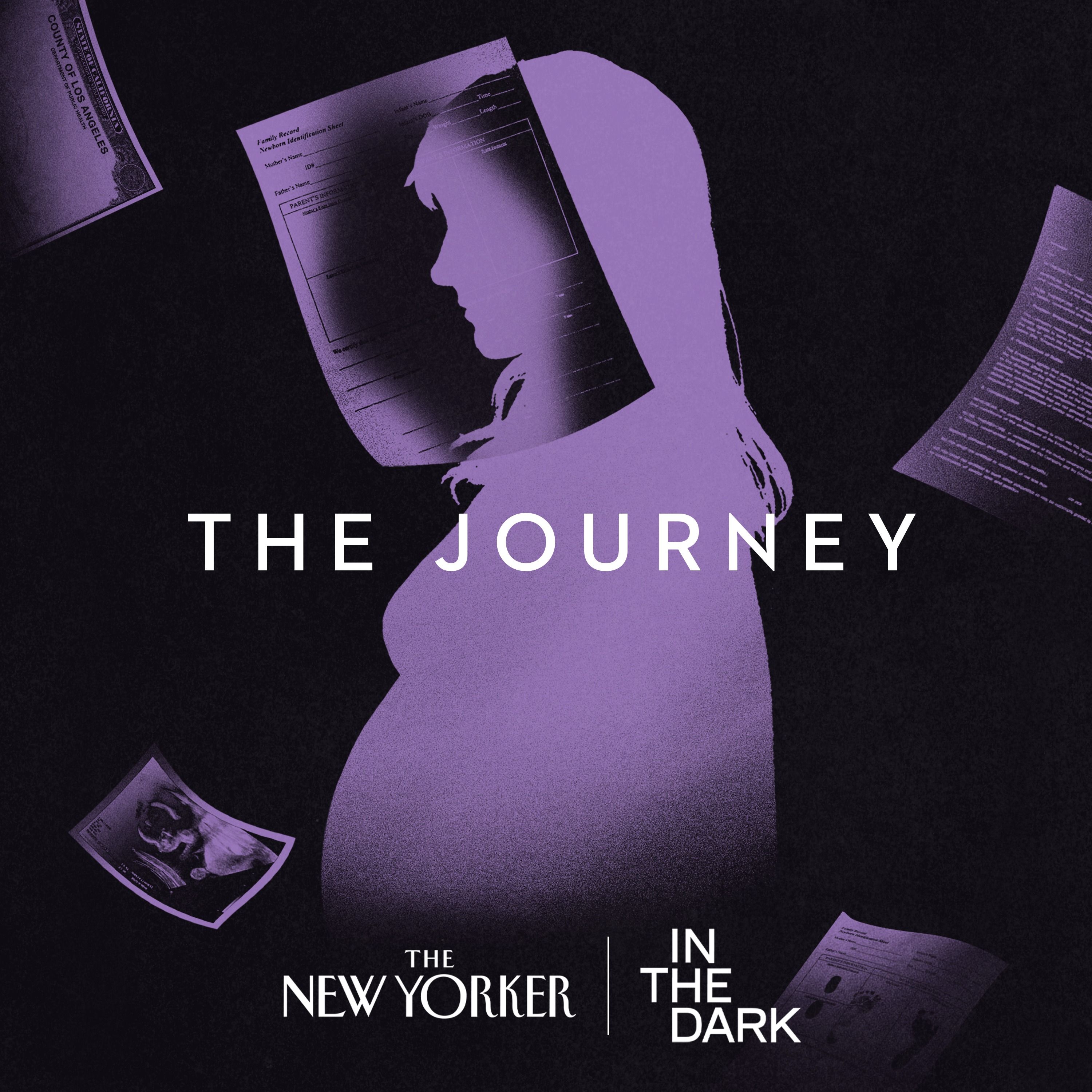
From In the Dark: The Journey
Sep 16, 202654 min<p>A woman who acts as a surrogate, carrying a child for someone else, is said to be going on a “journey.”</p><p>Kayla Elliott started her surrogacy journey at the age of twenty-six. She gave birth to a baby girl for a wealthy couple living in a mansion in L.A. County. The couple told her that they already had one child, who desperately wanted a sibling. But nothing about the situation was as it appeared.</p><p>Kayla soon learned that the couple already had twenty other children, most of them under the age of three, who had also been carried by surrogates. After one of the children was taken to an emergency room with head injuries, the police got involved, and then the F.B.I. As the scandal unfolded, the surrogates for the couple began to find one another.</p><p>Who was this mysterious couple, and why had they collected so many children?</p><p>“The Journey,” a five-part audio series, unravels what was going on inside the couple’s mansion and exposes a scheme that threatens the surrogacy industry.</p><p> </p><p>New episodes of The New Yorker Radio Hour drop every Tuesday and Friday. Follow the show wherever <a href="http://swap.fm/l/tny-radiohour-eBFv3Y" rel="noopener noreferrer"><u>you get your podcasts</u></a>. </p><p><br> </p><br/> <p>Hosted by Simplecast, an AdsWizz company. See <a href="https://pcm.adswizz.com">pcm.adswizz.com</a> for information about our collection and use of personal data for advertising.</p>

John Wilson and “The History of Concrete”
Sep 15, 202620 min<p>John Wilson is a documentary filmmaker, a comedian, and a contemporary philosopher. On his hit HBO show, “How To with John Wilson,” he wandered around New York City filming everyday life, pontificating, and asking strangers questions ranging from the mundane to the esoteric. The <i>New Yorker</i> staff writer <a href="https://www.newyorker.com/contributors/andrew-marantz" rel="noopener noreferrer"><u>Andrew Marantz</u></a> has written about Wilson, and recently met him at the independent movie theatre that he runs, Low Cinema, in Queens. They discuss Wilson’s newest film, “The History of Concrete,” which premières September 18th. </p><p>Further reading:</p><ul><li>“<a href="https://www.newyorker.com/magazine/2025/08/11/how-to-make-a-movie-house-with-john-wilson" rel="noopener noreferrer"><u>How to Make a Movie House with John Wilson</u></a>,” by Madeleine Wulfahrt</li><li>“<a href="https://www.newyorker.com/magazine/2023/07/24/john-wilsons-sewage-treatment-plant-adventure" rel="noopener noreferrer"><u>John Wilson’s Sewage-Treatment-Plant Adventure</u></a>,” by Andrew Marantz</li><li>“ <a href="https://www.newyorker.com/magazine/2020/12/21/how-to-with-john-wilson-offers-a-martians-eye-view-of-homo-sapiens-habits" rel="noopener noreferrer"><u>‘How To with John Wilson’ Offers a Martian’s-Eye View of Homo Sapiens’ Habits</u></a>,” by Alexandra Schwartz<br> </li></ul><p>New episodes of The New Yorker Radio Hour drop every Tuesday and Friday. Follow the show wherever <a href="http://swap.fm/l/tny-radiohour-eBFv3Y" rel="noopener noreferrer"><u>you get your podcasts</u></a>. <br> </p><br/> <p>Hosted by Simplecast, an AdsWizz company. See <a href="https://pcm.adswizz.com">pcm.adswizz.com</a> for information about our collection and use of personal data for advertising.</p>
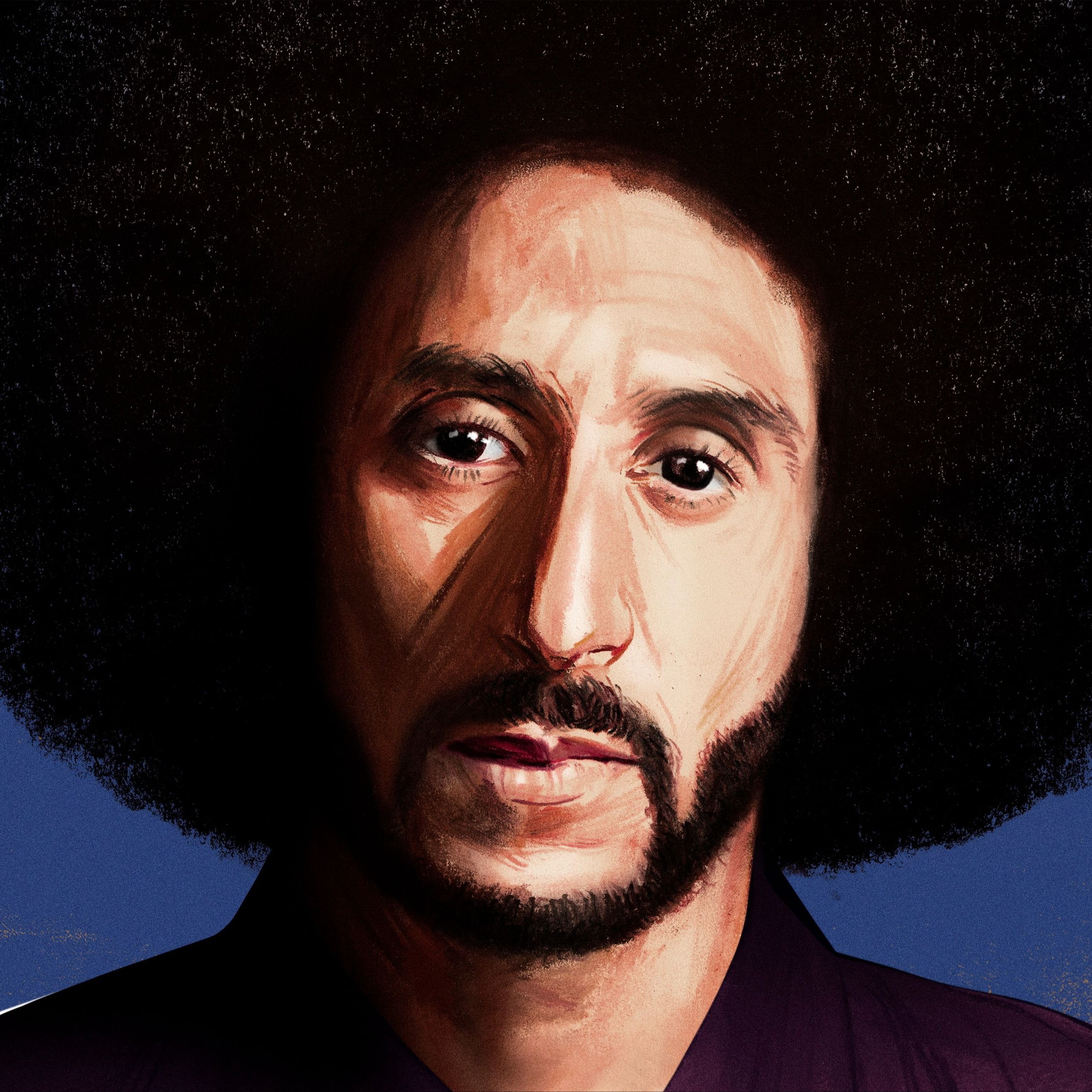
Colin Kaepernick, Ten Years After Taking a Knee
Sep 11, 202649 min<p>Colin Kaepernick had a stunning rise as an N.F.L. quarterback after becoming a full-time starter, in 2012. He was a legitimate dual threat—as effective running the ball as he was throwing it. And, to this day, Kaepernick still holds the record for rushing yards by an N.F.L. quarterback in a playoff game. But his formidable skills as a player were quickly overshadowed by his decision—quiet at first—to engage in protest for social justice a decade ago. He knelt during the national anthem at games, and that generated an enormous amount of controversy, with everyone from his fellow-players to a future President weighing in on his decision. In the aftermath of his demonstrations, the San Francisco 49ers told him that they were going to cut him, and no other team would sign him. In his new memoir, “<a href="https://www.hachettebookgroup.com/titles/colin-kaepernick/the-perilous-fight/9781538777879/" rel="noopener noreferrer"><u>The Perilous Fight</u></a>,” Kaepernick describes how this wasn’t even the full extent of the league’s efforts to punish him. He and David Remnick discuss his new book and the consequences of his political activism. “I had football taken away from me,” Kaepernick explains. “I didn’t get to leave on my terms. And I didn’t get to leave because, ‘Oh, you're not good enough to play anymore.’ It was because of the causes I was supporting and the change I was trying to effect. So that leaves a sour taste in your mouth.”</p><p>Further reading: </p><ul><li>“<a href="https://www.newyorker.com/sports/sporting-scene/the-nfls-change-of-tone-and-the-limits-of-merely-listening" rel="noopener noreferrer"><u>The N.F.L.’s Change of Tone, and the Limits of Merely Listening</u></a>,” by Louisa Thomas</li><li>“<a href="https://www.newyorker.com/sports/sporting-scene/colin-kaepernick-contested-workout-and-the-power-plays-of-the-nfl" rel="noopener noreferrer"><u>Colin Kaepernick’s Contested Workout and the Power Plays of the N.F.L.</u></a>,” by Louisa Thomas</li><li>“<a href="https://www.newyorker.com/news/daily-comment/behind-nikes-decision-to-stand-by-colin-kaepernick" rel="noopener noreferrer"><u>Behind Nike’s Decision to Stand by Colin Kaepernick</u></a>,” by Jelani Cobb</li><li>“<a href="https://www.newyorker.com/culture/annals-of-appearances/what-will-taking-the-knee-mean-now" rel="noopener noreferrer"><u>What Will Taking the Knee Mean Now?</u></a>,” by Doreen St. Félix</li><li>“<a href="https://www.newyorker.com/news/daily-comment/the-racial-demagoguery-of-trumps-assaults-on-colin-kaepernick-and-steph-curry" rel="noopener noreferrer"><u>The Racial Demagoguery of Trump’s Assaults on Colin Kaepernick and Steph Curry</u></a>,” by David Remnick</li></ul><p> </p><p>New episodes of The New Yorker Radio Hour drop every Tuesday and Friday. Follow the show wherever <a href="http://swap.fm/l/tny-radiohour-eBFv3Y" rel="noopener noreferrer"><u>you get your podcasts</u></a>. <br> </p><br/> <p>Hosted by Simplecast, an AdsWizz company. See <a href="https://pcm.adswizz.com">pcm.adswizz.com</a> for information about our collection and use of personal data for advertising.</p>

Edwidge Danticat on Haitian Americans in a Time of Peril
Sep 8, 202623 min<p>For more than thirty years, Edwidge Danticat has written about the experiences of Haitians and Haitian Americans in fiction, memoir, and journalism. In <i>The New Yorker</i>, she has <a href="https://www.newyorker.com/contributors/edwidge-danticat" rel="noopener noreferrer"><u>covered</u></a> the ways in which the Trump Administration has targeted Haitian immigrants with lies and threats of deportation. In a new novel about a Miami real-estate broker, called “<a href="https://www.penguinrandomhouse.com/books/768725/dey-by-edwidge-danticat/" rel="noopener noreferrer"><u>Dèy</u></a>”—which means “grief” or “mourning” in Haitian Creole—Danticat considers the meaning of home “when home may not want you,” and when violence in Haiti may preclude returning there. She speaks with the <i>New Yorker</i> staff writer <a href="https://www.newyorker.com/contributors/doreen-st-felix" rel="noopener noreferrer"><u>Doreen St. Félix</u></a> about the novel, and what the revocation of Temporary Protected Status for Haitians means for the large Haitian American community. </p><p>Further reading:</p><ul><li>“<a href="https://www.newyorker.com/news/the-lede/the-great-delegalization#intcid=_the-new-yorker-article-bottom-recirc_98fb5355-a143-490d-be07-b353110232c0_closr" rel="noopener noreferrer"><u>The Great Delegalization</u></a>,” by Dara Lind</li><li>“<a href="https://www.newyorker.com/culture/critics-notebook/the-world-cup-and-the-changing-psyche-of-the-haitian-diaspora" rel="noopener noreferrer"><u>The World Cup and the Changing Psyche of the Haitian Diaspora</u></a>,” by Doreen St. Félix</li><li>“<a href="https://www.newyorker.com/news/the-lede/miamis-haitian-community-braces-for-deportations" rel="noopener noreferrer"><u>Miami’s Haitian Community Braces for Deportations</u></a>,” by Edwidge Danticat</li><li>“<a href="https://www.newyorker.com/culture/essay/the-haiti-that-still-dreams" rel="noopener noreferrer"><u>The Haiti That Still Dreams</u></a>,” by Edwidge Danticat</li></ul><p> </p><p>New episodes of The New Yorker Radio Hour drop every Tuesday and Friday. Join host David Remnick as he discusses the latest in politics, news, and current events in conversation with political leaders, newsmakers, innovators, <i>New Yorker</i> staff writers, authors, actors, and musicians.</p><br/> <p>Hosted by Simplecast, an AdsWizz company. See <a href="https://pcm.adswizz.com">pcm.adswizz.com</a> for information about our collection and use of personal data for advertising.</p>

Sarah Longwell, a Former Republican, on “How to Eat an Elephant”
Sep 4, 202628 min<p>The political consultant Sarah Longwell runs focus groups of voters, and she has a lot of advice for Democrats seeking to wrest control of the government from MAGA. Longwell, a former Republican disaffected from Donald Trump’s party, presents her playbook to the <i>New Yorker</i> staff writer <a href="https://www.newyorker.com/contributors/evan-osnos" rel="noopener noreferrer"><u>Evan Osnos</u></a>: go on the offensive talking about corruption; make a positive case for immigration; and adapt to a podcast-driven media environment. “You can go on ‘Joe Rogan’ or not go on ‘Joe Rogan,’ ” she says. “The question is: can you sit for a long period of time and talk to someone who doesn’t know that much about politics and have an engaging conversation? . . . This is how trust is built now, in this screen-to-screen environment.” Longwell’s new book is called “<a href="https://static.macmillan.com/static/smp/how-to-eat-an-elephant-9781250464170/" rel="noopener noreferrer"><u>How to Eat an Elephant: One Voter at a Time</u></a>.” </p><p>Further listening: </p><ul><li>“<a href="https://www.newyorker.com/podcast/the-new-yorker-radio-hour/can-trump-voters-still-change-their-minds" rel="noopener noreferrer"><u>Can Trump Voters Still Change Their Minds?</u></a>,” an episode of The New Yorker Radio Hour</li><li>“<a href="https://www.newyorker.com/podcast/political-scene/a-gop-strategist-on-the-republican-voters-who-could-abandon-trump#rid=0dc969ab-16a7-48f6-b624-852a0144519a&q=sarah+longwell" rel="noopener noreferrer"><u>A G.O.P. Strategist on the Republican Voters Who Could Abandon Trump</u></a>,” an episode of The Political Scene</li></ul><p> </p><p>New episodes of The New Yorker Radio Hour drop every Tuesday and Friday. Join host David Remnick as he discusses the latest in politics, news, and current events in conversation with political leaders, newsmakers, innovators, <i>New Yorker</i> staff writers, authors, actors, and musicians.</p><br/> <p>Hosted by Simplecast, an AdsWizz company. See <a href="https://pcm.adswizz.com">pcm.adswizz.com</a> for information about our collection and use of personal data for advertising.</p>
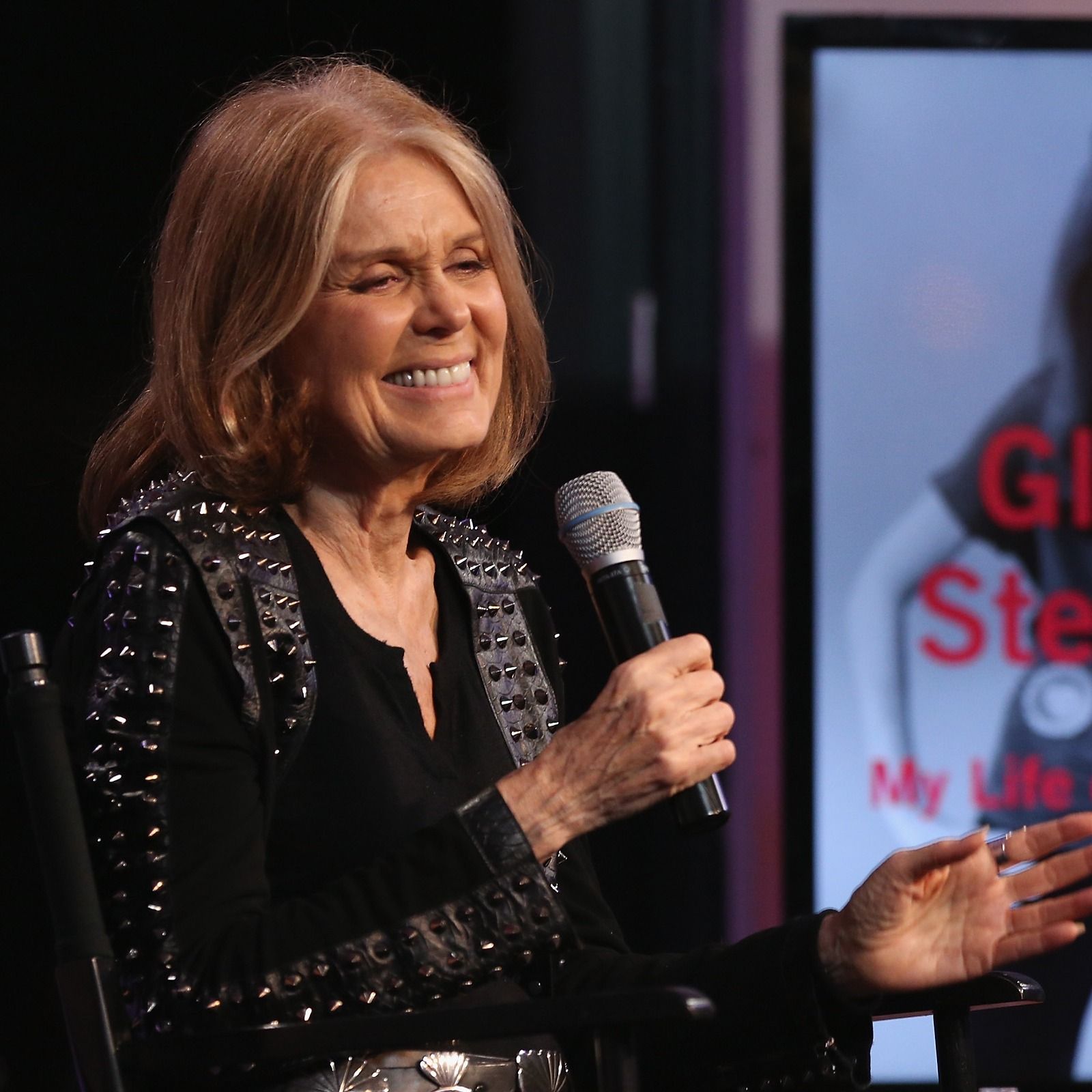
Gloria Steinem in Conversation with David Remnick, from 2015
Sep 3, 202615 min<p>Gloria Steinem, who died on September 2nd, at the age of ninety-two, was one of the most influential figures of our time in politics and feminism. Her work shaped the ideas of generations of Americans. Steinem was one of David Remnick’s very first guests after The New Yorker Radio Hour launched, in 2015; her autobiography, “<a href="https://www.amazon.com/dp/0345408160" rel="noopener noreferrer"><u>My Life on the Road</u></a>,” had just come out. </p><p>Further reading and viewing:</p><ul><li>“<a href="https://www.newyorker.com/magazine/2020/10/12/a-feminist-fractal-in-the-glorias#rid=8ef0011b-068c-4d6b-bed9-a2e5dd89500d&q=gloria+steinem" rel="noopener noreferrer"><u>A Feminist Fractal in ‘The Glorias</u></a>,’ ” by Anthony Lane from 2020</li><li>“<a href="https://www.newyorker.com/magazine/2015/10/19/gloria-steinem-profile-jane-kramer" rel="noopener noreferrer"><u>Road Warrior</u></a>,” by Jane Kramer from 2015</li><li>“<a href="https://www.newyorker.com/video/watch/notes-from-all-over-gloria-steinem" rel="noopener noreferrer"><u>Glora Steinem Doesn’t Drive</u></a>,” a short film by <i>The New Yorker</i> from 2015</li><li>“<a href="https://www.newyorker.com/magazine/2013/03/25/feminism-101" rel="noopener noreferrer"><u>Feminism 101</u></a>,” by Rebecca Mead from 2013</li><li>“<a href="https://www.newyorker.com/magazine/1974/09/23/cover-woman" rel="noopener noreferrer"><u>Cover Woman</u></a>,” by Hendrik Hertzberg from 1974</li><li>“<a href="https://www.newyorker.com/magazine/1970/09/05/liberation" rel="noopener noreferrer"><u>Liberation</u></a>,” by <a href="https://www.newyorker.com/contributors/anthony-hiss" rel="noopener noreferrer">Anthony Hiss</a>, <a href="https://www.newyorker.com/contributors/jane-boutwell" rel="noopener noreferrer">Jane Boutwell</a>, and <a href="https://www.newyorker.com/contributors/hendrik-hertzberg" rel="noopener noreferrer">Hendrik Hertzberg</a> from 1970</li></ul><p> </p><p>New episodes of The New Yorker Radio Hour drop every Tuesday and Friday. Join host David Remnick as he discusses the latest in politics, news, and current events in conversation with political leaders, newsmakers, innovators, New Yorker staff writers, authors, actors, and musicians.</p><p><br> </p><br/> <p>Hosted by Simplecast, an AdsWizz company. See <a href="https://pcm.adswizz.com">pcm.adswizz.com</a> for information about our collection and use of personal data for advertising.</p>

Ian Frazier and Samy Burch on “Coyote vs. Acme”
Sep 1, 202616 min<p>In the film “Coyote vs. Acme,” which was released this week, the ingenious but unlucky Wile E. Coyote sues the Acme Corporation for damages caused by its malfunctioning merchandise. That is also the premise of the <i>New Yorker </i>staff writer Ian Frazier’s <a href="https://www.newyorker.com/magazine/1990/02/26/coyote-v-acme" rel="noopener noreferrer">original piece</a>, which inspired the film. The screenwriter Samy Burch reimagined Frazier’s premise as a satire of legal thrillers. “What if Wile E. was actually like a Dustin Hoffman character?” Burch wondered. “This guy out in the desert, working on something obsessively, addicted. . . . If this were humans, would the plot make any sense?” The film features actors such as Will Forte alongside Coyote, Foghorn Leghorn, and other “Looney Tunes” characters. Frazier talks with Burch, who was nominated for an Academy Award for “<a href="https://www.newyorker.com/culture/the-front-row/may-december-knows-what-it-thinks-and-thats-a-problem" rel="noopener noreferrer">May December</a>,” a drama starring Natalie Portman and Julianne Moore. </p> <p>Further reading:</p> <ul> <li>“<a href="https://www.newyorker.com/magazine/1990/02/26/coyote-v-acme" rel="noopener noreferrer">Coyote V. Acme</a>,” by Ian Frazier</li> <li>“<a href="https://www.newyorker.com/magazine/2026/08/24/coyote-vs-acme-movie-review" rel="noopener noreferrer">Toons Have Seldom Been Loonier Than in ‘Coyote vs. Acme</a>,’ ” by Justin Chang</li> </ul> <p>New episodes of The New Yorker Radio Hour drop every Tuesday and Friday. Join host David Remnick as he discusses the latest in politics, news, and current events in conversation with political leaders, newsmakers, innovators, <i>New Yorker</i> staff writers, authors, actors, and musicians.</p><br/> <p>Hosted by Simplecast, an AdsWizz company. See <a href="https://pcm.adswizz.com">pcm.adswizz.com</a> for information about our collection and use of personal data for advertising.</p>
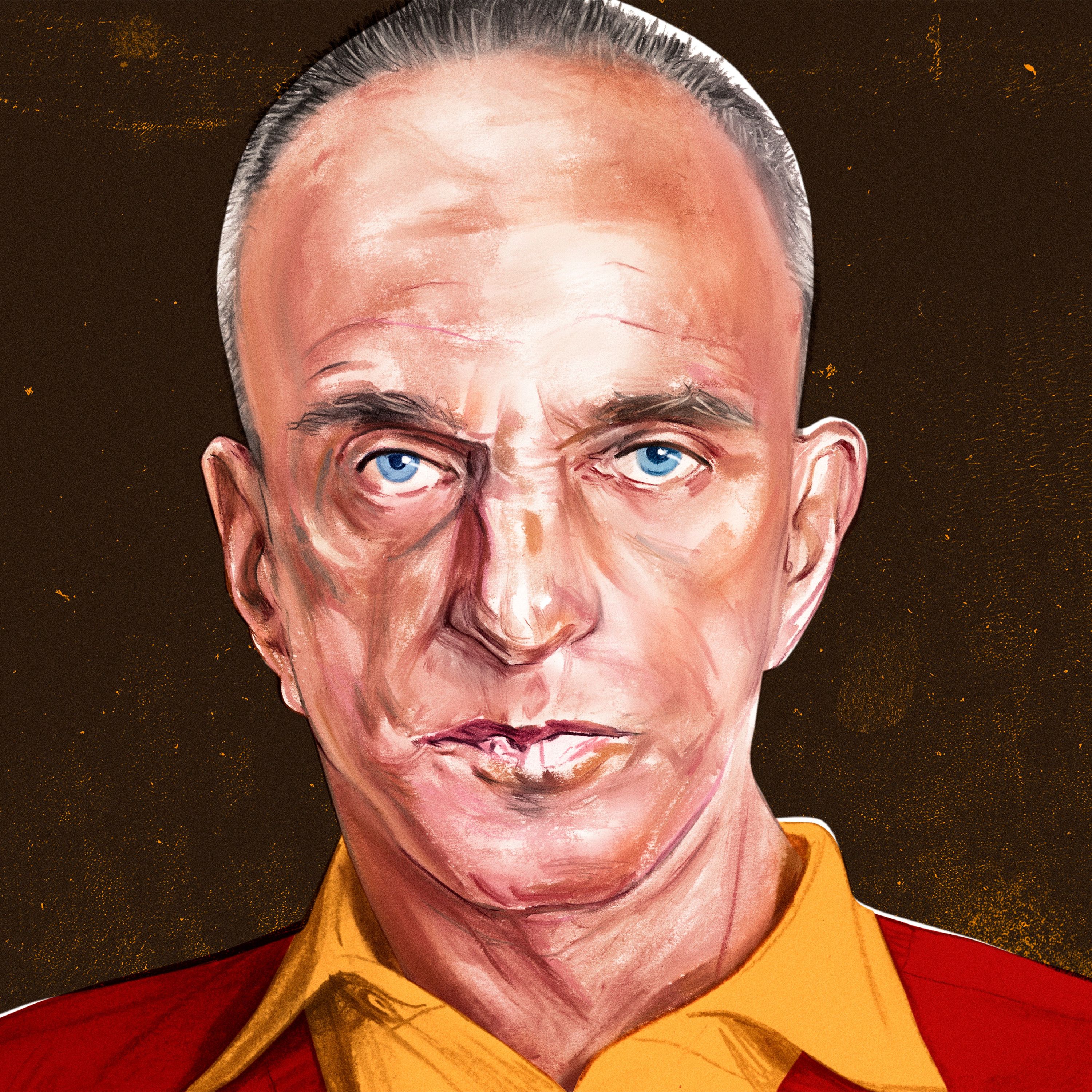
Kai Bird on Roy Cohn, a Founding Father of Donald Trump’s America
Aug 28, 202635 min<p>During the height of Roy Cohn’s friendship with Donald Trump, according to the historian Kai Bird, “they were on the phone with each other a dozen times a day.” Bird’s new book, “<a href="https://www.amazon.com/dp/1668031574" rel="noopener noreferrer">American Scoundrel</a>,” details Cohn’s profound influence on Trump—whom he met as a young real-estate heir in the nineteen-seventies—and how Cohn is “haunting” politics in our time. “I had written about Roy Cohn in [previous biographies] as this nefarious, minor, awful figure who was disruptive and divisive and unethical. And I suddenly realized that the establishment that I’d been writing about for forty years is gone. Their values and culture, the politics, the bipartisanship . . . that’s all gone,” he tells David Remnick. “Roy Cohn explains something about the dark side of America that I just didn’t understand.” They discuss Cohn’s early career as a prosecutor and his role as the “mastermind” of the McCarthy purges; his service as a lawyer and fixer for Mafia members, politicians, and celebrities; and an allegation of being involved in sex trafficking.</p> <p>Further reading and listening: </p> <ul> <li>“<a href="https://www.newyorker.com/magazine/2026/08/10/roy-cohn-profile" rel="noopener noreferrer">How Roy Cohn Taught Donald Trump Everything</a>,” by Kai Bird and Susan Goldmark</li> <li>“<a href="https://www.newyorker.com/news/daily-comment/the-mobster-cosplay-of-donald-trump" rel="noopener noreferrer">The Mobster Cosplay of Donald Trump</a>,” by David Remnick</li> <li>“<a href="https://www.wnycstudios.org/podcasts/tnyradiohour/segments/oppenheimer-film-kai-bird" rel="noopener noreferrer">Adapting Oppenheimer’s Life Story to Film, with Biographer Kai Bird</a>,” an episode of The New Yorker Radio Hour</li> <li>“<a href="https://www.newyorker.com/culture/cultural-comment/roy-cohn-and-the-making-of-a-winner-take-all-america#rid=5d5ca84d-f403-4426-a4c8-3074093f2e55&q=roy+cohn" rel="noopener noreferrer">Roy Cohn and the Making of a Winner-Take-All America</a>,” by Naomi Fry</li> </ul> <p>New episodes of The New Yorker Radio Hour drop every Tuesday and Friday. Join host David Remnick as he discusses the latest in politics, news, and current events in conversation with political leaders, newsmakers, innovators, <i>New Yorker</i> staff writers, authors, actors, and musicians.</p><br/> <p>Hosted by Simplecast, an AdsWizz company. See <a href="https://pcm.adswizz.com">pcm.adswizz.com</a> for information about our collection and use of personal data for advertising.</p>

Jessica Tarlov, a Lonely Liberal on Fox News’ “The Five”
Aug 25, 202622 min<p>Fox News’ “The Five” is the most-watched program on cable news. So there are millions of eyes on Jessica Tarlov, who occupies the liberal hot seat (alternating with Harold Ford, Jr.) on a panel featuring the diehard conservatives Dana Perino, Greg Gutfeld, and Jesse Watters. Her exchanges with fellow-panellists tend to get heated, but Tarlov is constantly aware of how she represents liberal views in front of a largely hostile audience—and of how liberal viewers may misunderstand her colleagues. Her new book, largely inspired by her work on Fox, is called “<a href="https://www.penguinrandomhouse.com/books/803493/i-disagree-by-jessica-tarlov/" rel="noopener noreferrer">I Disagree: Winning Arguments Without Losing Friends</a>.” </p> <p>Further listening:</p> <ul> <li>“<a href="https://www.newyorker.com/podcast/the-new-yorker-radio-hour/bret-baier-on-trumps-love-hate-relationship-with-fox-news#rid=d13cc649-4d61-475b-9b24-54aff2cd2240&q=fox+news" rel="noopener noreferrer">Bret Baier on Trump’s Love-Hate Relationship with Fox News</a>,” an episode of The New Yorker Radio Hour</li> </ul> <p> </p> <p>New episodes of The New Yorker Radio Hour drop every Tuesday and Friday. Join host David Remnick as he discusses the latest in politics, news, and current events in conversation with political leaders, newsmakers, innovators, <i>New Yorker</i> staff writers, authors, actors, and musicians.</p> <p><i>The New Yorker Radio Hour is a co-production of WNYC and The New Yorker.</i></p><br/> <p>Hosted by Simplecast, an AdsWizz company. See <a href="https://pcm.adswizz.com">pcm.adswizz.com</a> for information about our collection and use of personal data for advertising.</p>
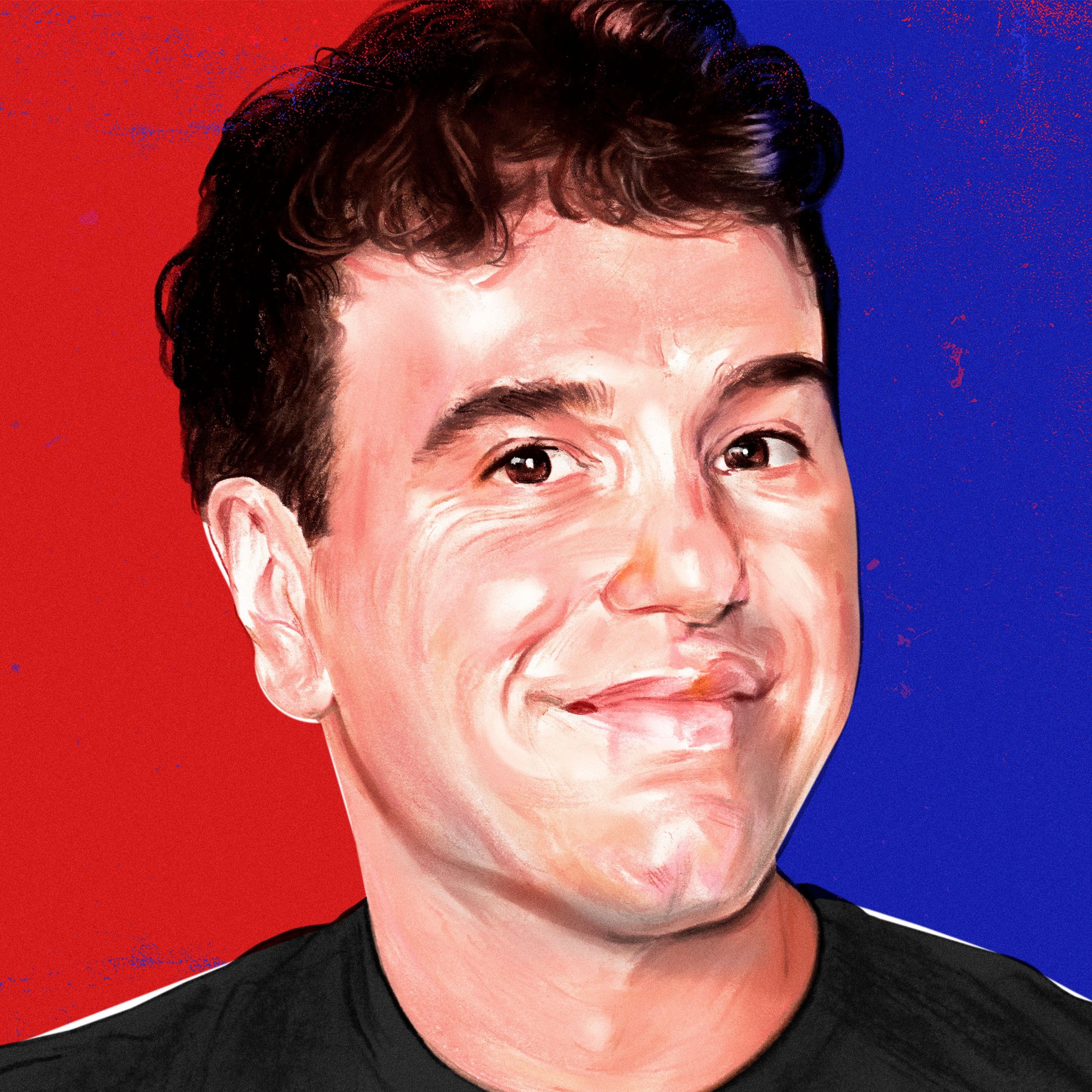
Jon Lovett Answers Your Questions
Aug 21, 202628 min<p>In the 2026 midterm elections, close finishes in crucial swing states have put a spotlight on the divide between the Democratic Party’s moderate and progressive wings. Jon Lovett straddles that divide. He was a longtime speechwriter for Hillary Clinton and then for Barack Obama, but, as a host of the podcasts “Pod Save America” and “Lovett or Leave It,” he’s been critical of the Party’s establishment. Lovett sat down with David Remnick to answer listeners’ questions about the midterms and what they suggest about the 2028 Presidential election. In a “broad trend,” Lovett says, centrist Democrats “put up candidates, and they say, ‘Vote for us, or else.’ And [voters] just keep picking ‘or else.’ . . . Across the board, I don’t know what this establishment of the Democratic Party stands for, and neither does the country.”</p> <p>Further listening: </p> <ul> <li>“ ‘<a href="https://www.newyorker.com/podcast/the-new-yorker-radio-hour/pod-save-america-s-jon-lovett-on-trump-the-threat-of-jail-time-sharpens-the-mind#rid=57c2e195-7b82-42d8-81c1-daccc085d074&q=lovett" rel="noopener noreferrer">Pod Save America’ ’s Jon Lovett on Trump: ‘The Threat of Jail Time Sharpens the Mind</a>,’ ” an episode of The New Yorker Radio Hour</li> </ul> <p> </p> <p>New episodes of The New Yorker Radio Hour drop every Tuesday and Friday. Join host David Remnick as he discusses the latest in politics, news, and current events in conversation with political leaders, newsmakers, innovators, <i>New Yorker</i> staff writers, authors, actors, and musicians.</p> <p><i>The New Yorker Radio Hour is a co-production of WNYC and The New Yorker.</i></p><br/> <p>Hosted by Simplecast, an AdsWizz company. See <a href="https://pcm.adswizz.com">pcm.adswizz.com</a> for information about our collection and use of personal data for advertising.</p>
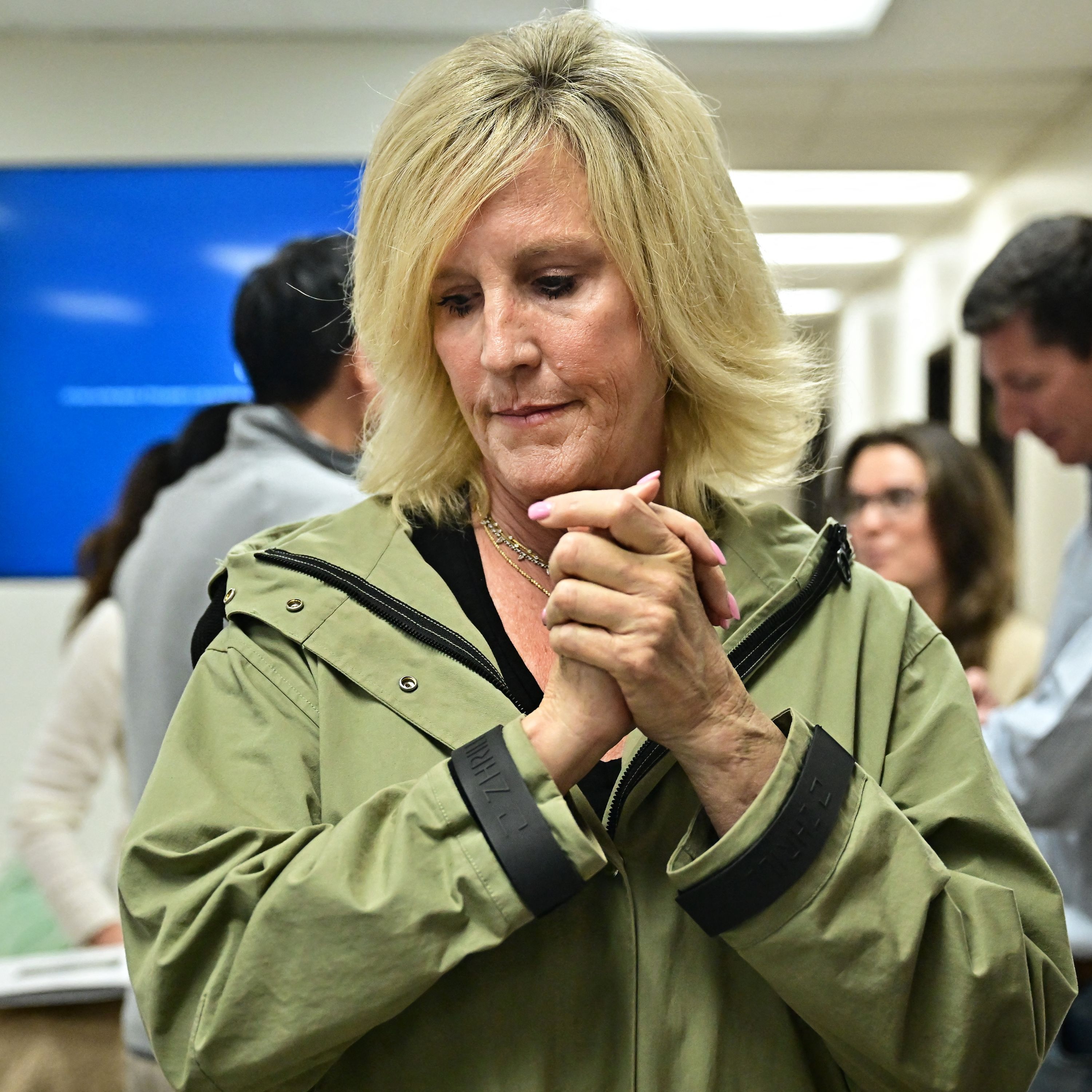
Erin Brockovich Takes on Data Centers
Aug 18, 202624 min<p>Since a famous case against a California utility, the name Erin Brockovich has become synonymous with a fighter taking on big polluters. Earlier this year, Brockovich began receiving e-mails from people worried about the construction of A.I. data centers, which is happening at a frenetic rate all over the country. People expressed concerns about the loss of farmland and natural areas; disruptions to the water table; deleterious noise; and substantial usage of electricity and water, leading to rising utility bills. She speaks with David Remnick about her <a href="https://www.brockovichdatacenter.com/index.html#" rel="noopener noreferrer">mapping project</a> to document data-center construction and environmental complaints. “In my thirty years,” she tells Remnick, “I’ve never really seen the people show up like they are at a very local level.” </p> <p>Further reading:</p> <ul> <li>“<a href="https://www.newyorker.com/magazine/2026/08/17/ai-is-now-a-major-election-issue#rid=bbb981d5-5569-47a7-b937-afe2d03edbed&q=data+centers" rel="noopener noreferrer">A.I. Is Now a Major Election Issue</a>,” by Benjamin Wallace-Wells</li> <li>“<a href="https://www.newyorker.com/magazine/2025/11/03/inside-the-data-centers-that-train-ai-and-drain-the-electrical-grid#rid=bbb981d5-5569-47a7-b937-afe2d03edbed&q=data+centers" rel="noopener noreferrer">Inside the Data Centers That Train A.I. and Drain the Electrical Grid</a>,” by Stephen Witt</li> </ul> <p> </p> <p>New episodes of The New Yorker Radio Hour drop every Tuesday and Friday. Join host David Remnick as he discusses the latest in politics, news, and current events in conversation with political leaders, newsmakers, innovators, <i>New Yorker</i> staff writers, authors, actors, and musicians.</p> <p><i>The New Yorker Radio Hour is a co-production of WNYC and The New Yorker.</i></p><br/> <p>Hosted by Simplecast, an AdsWizz company. See <a href="https://pcm.adswizz.com">pcm.adswizz.com</a> for information about our collection and use of personal data for advertising.</p>

Bernie Sanders Takes on Data Centers
Aug 14, 202626 min<p>The data centers that power artificial intelligence are being built at a rampant pace, and are spurring resistance all over the country. Apart from public concerns about A.I.’s impact on jobs, privacy, and other aspects of life, data centers consume vast amounts of electricity and water. New York has passed a moratorium on new data centers; fourteen other states have considered restrictions. The Vermont senator Bernie Sanders is taking this fight to the national level. He and Representative Alexandria Ocasio-Cortez have introduced legislation that calls for a nationwide moratorium on data centers to allow time for more research and public input on the issue. The furor, Sanders tells David Remnick, cuts across political divisions. The opponents “are conservatives, they are progressives, they are moderates,” he adds. “They’re saying, What the hell are we doing? What is this gonna contribute to? Is this gonna result in my kid not being able to have a job? Is this gonna result in my not having any privacy? Why am I aiding these large corporations owned by the wealthiest people in the world who [couldn’t] care less about me? Let’s stand up.” </p> <p>Further reading and listening: </p> <ul> <li>“<a href="https://www.newyorker.com/magazine/2026/01/26/bernie-for-burlington-the-rise-of-the-peoples-politician-dan-chiasson-book-review#rid=a1a2a462-500f-4c1f-82e2-7429b519ed58&q=bernie+sanders" rel="noopener noreferrer">When Bernie Sanders Headed for the Hills</a>,” by Jill Lepore</li> <li>“<a href="https://www.newyorker.com/news/the-lede/bernie-sanders-and-alexandria-ocasio-cortez-fight-the-oligarchy#rid=b17b2549-7054-40bf-b366-e94874557bbc&q=bernie+sanders" rel="noopener noreferrer">Bernie Sanders and Alexandria Ocasio-Cortez Fight the Oligarchy</a>,” by Emily Witt</li> <li>“<a href="https://www.wnycstudios.org/podcasts/tnyradiohour/articles/geoffrey-hinton-its-far-too-late-to-stop-artificial-intelligence" rel="noopener noreferrer">Geoffrey Hinton: ‘It’s Far Too Late’ to Stop Artificial Intelligence</a>,” an episode of The New Yorker Radio Hour</li> </ul> <p> </p> <p>New episodes of The New Yorker Radio Hour drop every Tuesday and Friday. Join host David Remnick as he discusses the latest in politics, news, and current events in conversation with political leaders, newsmakers, innovators, New Yorker staff writers, authors, actors, and musicians.<i>The New Yorker Radio Hour is a co-production of WNYC and The New Yorker.</i></p><br/> <p>Hosted by Simplecast, an AdsWizz company. See <a href="https://pcm.adswizz.com">pcm.adswizz.com</a> for information about our collection and use of personal data for advertising.</p>

Sam Smith on Their New Album, “Hazel Eyes”
Aug 11, 202628 min<p>Sam Smith burst onto the music scene in 2014 with their début album, “In the Lonely Hour.” It was one of the best-selling albums of the decade and won Smith three Grammys, for Best Pop Vocal Album and both Record and Song of the Year, for the massive hit “Stay With Me.” Smith’s early hits were ballads of heartbreak and unrequited love, so their new album marks something of a change: it’s an album of love songs, requited in this case. Many were written about Smith’s fiancé, the fashion designer Christian Cowan. Smith talked about the writing process that led to their new album “Hazel Eyes,” which comes out August 21st, with New Yorker Radio Hour producer Jeffrey Masters.</p> <p>Further reading:</p> <ul> <li>“<a href="https://www.newyorker.com/culture/listening-booth/sam-smiths-sugary-loneliness-and-the-choir-effect#rid=d10b4920-f363-4903-94e1-d4dd61fc0968&q=sam+smith" rel="noopener noreferrer">Sam Smith’s Sugary Loneliness and the Choir Effect</a>,” by Doreen St. Félix</li> <li>“<a href="https://www.newyorker.com/culture/culture-desk/getting-the-james-bond-song-right#rid=cd95ac59-e038-40aa-99e6-d6c6945f9812&q=sam+smith" rel="noopener noreferrer">Getting the James Bond Song Right</a>,” by Ian Crouch</li> </ul> <p> </p> <p>New episodes of The New Yorker Radio Hour drop every Tuesday and Friday. Join host David Remnick as he discusses the latest in politics, news, and current events in conversation with political leaders, newsmakers, innovators, <i>New Yorker</i> staff writers, authors, actors, and musicians.</p><br/> <p>Hosted by Simplecast, an AdsWizz company. See <a href="https://pcm.adswizz.com">pcm.adswizz.com</a> for information about our collection and use of personal data for advertising.</p>
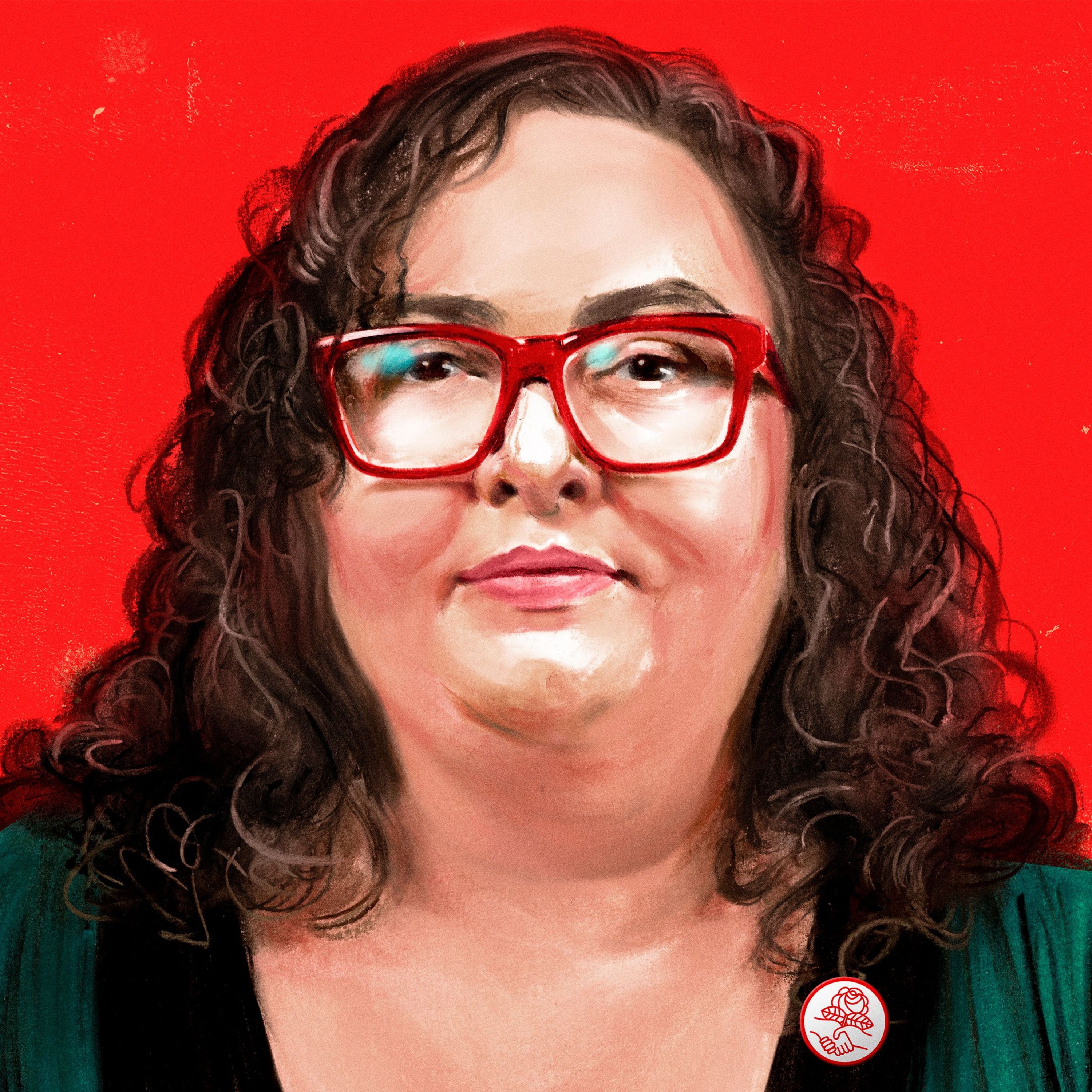
How Socialist Is the D.S.A.? Megan Romer Explains
Aug 7, 202633 min<p>One of the biggest stories of this election cycle is the emergence, for the first time in a long time, of socialism as a force on the national stage. Inspired perhaps by Alexandria Ocasio-Cortez and Zohran Mamdani, D.S.A. candidates are running in congressional and state-level races all over the country. But some of those candidates, David Remnick thinks, talk more like F.D.R. Democrats than like students of Marx. How socialist is democratic socialism, and how does it square with the future of the Democratic Party? Remnick talks with a co-chair of the D.S.A., Megan Romer, who recently went viral for a lightning round of questions pitched at her on Fox News. Romer defends controversial D.S.A. positions on workers’ ownership of the means of production, U.S. support of Israel, the war in Ukraine, and defunding the police. </p> <p>Further reading: </p> <ul> <li>“<a href="https://www.newyorker.com/news/q-and-a/will-left-wing-democrats-re-invent-the-party-or-hurt-its-chances-in-november#rid=53249935-3fd7-4a4a-ba96-e2c44ad6a73a&q=democratic+socialists+of+america" rel="noopener noreferrer">Will Left-Wing Democrats Reinvent the Party or Hurt Its Chances in November?</a>,” by Isaac Chotiner</li> <li>“<a href="https://www.newyorker.com/magazine/2026/08/03/which-way-should-the-democratic-party-go-now#rid=53249935-3fd7-4a4a-ba96-e2c44ad6a73a&q=democratic+socialists+of+america" rel="noopener noreferrer">Which Way Should the Democratic Party Go Now?</a>,” by Benjamin Wallace-Wells</li> <li>“<a href="https://www.newyorker.com/an-idea-for-democrats-to-keep-it-together-in-2028#rid=53249935-3fd7-4a4a-ba96-e2c44ad6a73a&q=democratic+socialists+of+america" rel="noopener noreferrer">An Idea for Democrats to Keep It Together in 2028</a>,” by Bill McKibben</li> <li>“<a href="https://www.newyorker.com/news/the-lede/can-zohran-mamdani-sway-the-commie-corridors-civil-war#rid=53249935-3fd7-4a4a-ba96-e2c44ad6a73a&q=democratic+socialists+of+america" rel="noopener noreferrer">Can Zohran Mamdani Sway the Commie Corridor’s ‘Civil War’?</a>,” by Naaman Zhou</li> <li>“<a href="https://www.newyorker.com/news/new-york-journal/the-woman-who-made-the-machine-that-made-zohran-mamdani#rid=10381765-6b28-401b-b167-4e0f1c8c089b&q=d.s.a." rel="noopener noreferrer">The Woman Who Made the Machine That Made Zohran Mamdani</a>,” by Molly Fischer</li> </ul> <p> </p> <p>New episodes of The New Yorker Radio Hour drop every Tuesday and Friday. Join host David Remnick as he discusses the latest in politics, news, and current events in conversation with political leaders, newsmakers, innovators, New Yorker staff writers, authors, actors, and musicians.</p><br/> <p>Hosted by Simplecast, an AdsWizz company. See <a href="https://pcm.adswizz.com">pcm.adswizz.com</a> for information about our collection and use of personal data for advertising.</p>


