
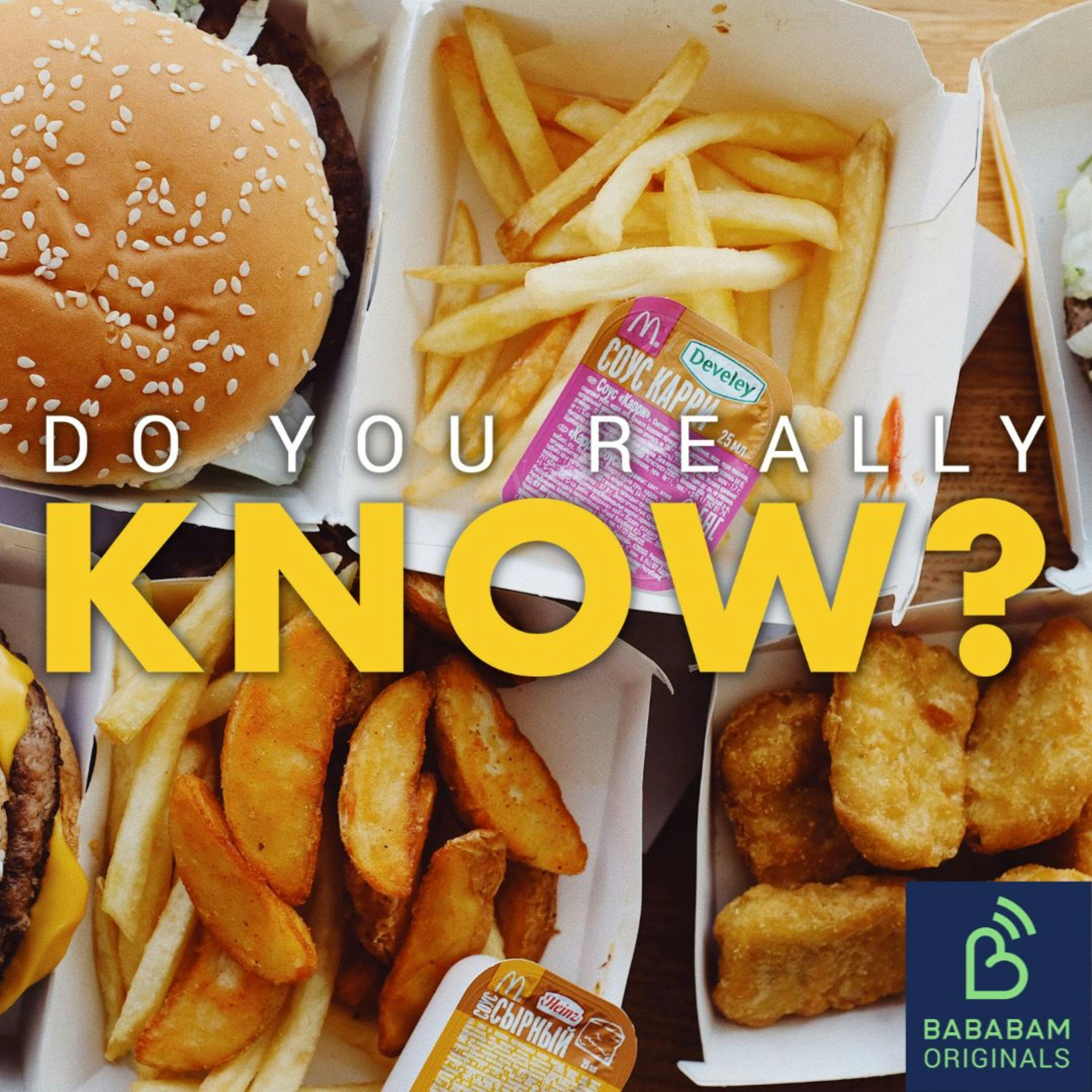
 Do you really know?
  Abrir no Hinto
 Sobre este episódio
According to The Sun, scientists say that “the average person in the UK now consumes more than eight kilograms of chemical additives every year.” Of course with that being an average figure, it can shoot up even further for those who eat a lot of ultra-processed foods. If you’ve ever looked closely at ingredients lists on the packaging of food you buy in your supermarket, you’ll have noticed the E numbers by which additives can be recognised. Each category has its assigned E numbers. For example, colours are in the 100s, preservatives in the 200s and antioxidants in the 300s. Aren’t additives banned? What are they actually used for? Why do additives have such a bad rap then? In under 3 minutes, we answer your questions! To listen to the last episodes, you can click here: How do I know if I'm addicted to sex? Why does time go by faster with age? Why should I eat more fermented foods? A podcast written and realised by Joseph Chance. First Broadcast: 7/5/2024 Learn more about your ad choices. Visit megaphone.fm/adchoices
Ouve este episódio em inglês para aprender inglês
Os episódios de podcast são uma das formas mais densas de absorver inglês ao ritmo nativo. Are additives bad for your health? de Do you really know? dá-te diálogo natural, fala sem guião e vocabulário que aparece mesmo em conversas reais.
No Hinto, cada palavra da transcrição é tocável. Toca numa palavra desconhecida, vê a tradução na tua língua ao instante e continua a ouvir sem perder o ritmo.
Episódios para aprender inglês
- How many people does it take to start a revolution? 16 de set. de 2026
- What is PimEyes, the powerful tool ending online anonymity? 16 de set. de 2026
- What is Munchausen Syndrome? 16 de set. de 2026
- What is the best time of day to take a shower? 15 de set. de 2026
- Who are the main victims of natural disasters? 15 de set. de 2026
- Could job enrichment make your work more rewarding? 15 de set. de 2026
- Why do we have irrational thoughts at nighttime? 14 de set. de 2026
- What 5 foods can improve brain performance? 14 de set. de 2026
- What does my urine colour say about my health? 14 de set. de 2026
- Could insects replace meat? 13 de set. de 2026
- Is nostalgia good or bad for us? 13 de set. de 2026
- Why is the celibacy movement attracting young people? 13 de set. de 2026
- Could using lube help you get more pleasure from sex? 12 de set. de 2026
- Are our perfumes toxic? 12 de set. de 2026
- How can I recognise a flying monkey, the narcissistic abuser’s best friend? 12 de set. de 2026
- What is Focus Friday? 11 de set. de 2026
- What is the Papageno effect, which helps prevent suicide? 11 de set. de 2026
- What are the health benefits of walking up stairs? 11 de set. de 2026
- Are you a time optimist? 10 de set. de 2026
- Why do you get a stitch in your side? 10 de set. de 2026
- Why is black associated with grief? 10 de set. de 2026
- How can I free myself from negative thoughts? 9 de set. de 2026
- Could Turmeric help indigestion? 9 de set. de 2026
- What happens to your online life after you die? 9 de set. de 2026
- What happens to our bodies when we die? 8 de set. de 2026
- How can I stop snacking? 8 de set. de 2026
- What is sad nipple syndrome? 8 de set. de 2026
- Why do summer romances leave such a mark on us? 7 de set. de 2026
- Do I have poor blood circulation? 7 de set. de 2026
- How can I reduce damp and mould in your home? 7 de set. de 2026