
Language-learning writer · Published July 27, 2026
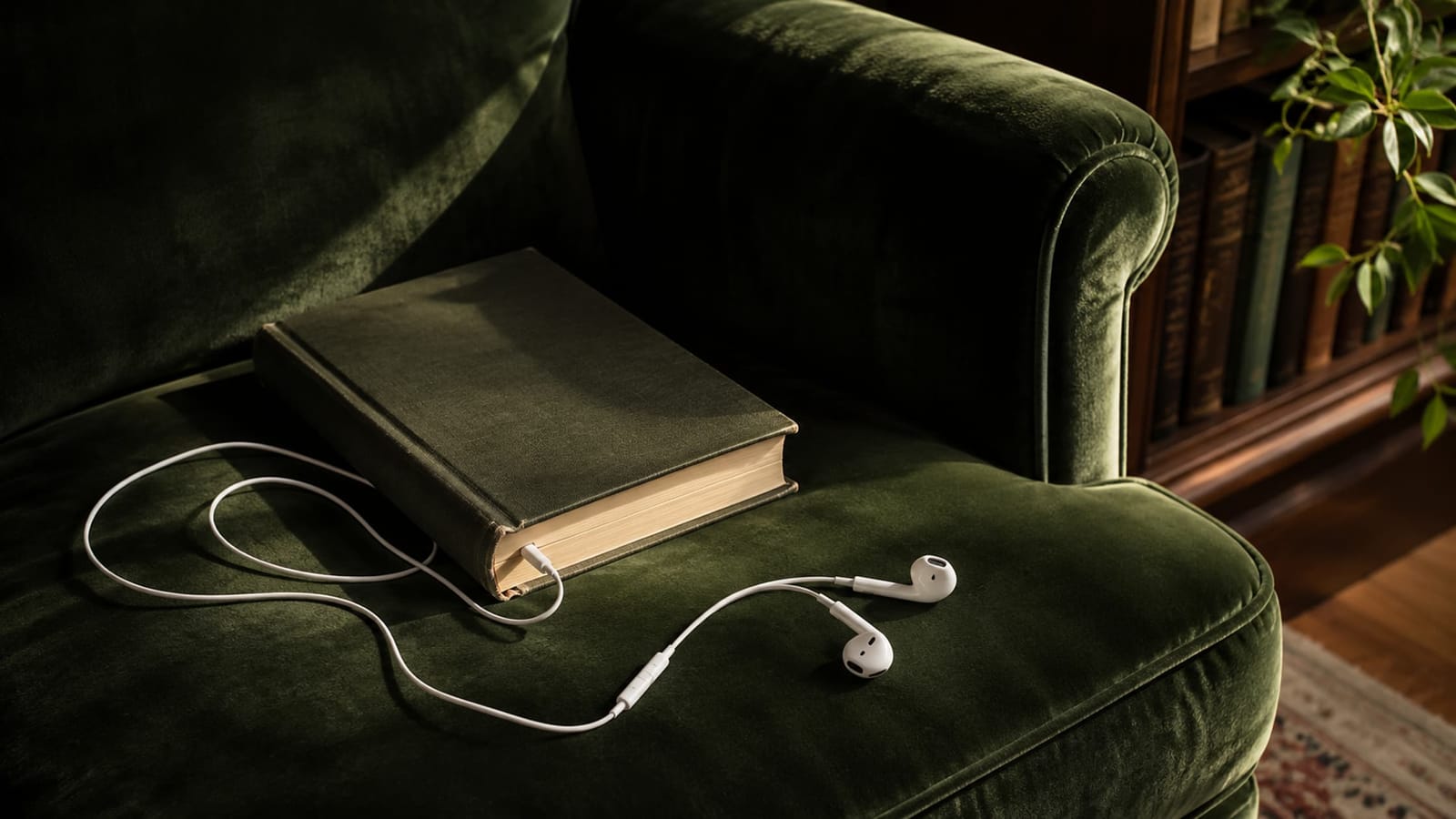
Audiobooks feel like they should be perfect for learning English — hours of real, well-read English, hands-free, on your commute. And they’re good. But there’s a technique that turns them from “good” into genuinely powerful, and almost no one tells beginners about it.
You listen and read at the same time.
Why listen-and-read beats either one alone
Reading alone, you can go too slow, stop constantly, and never train your ear to real speed. Listening alone, unknown words fly past and you can’t catch them — was that one word or three? Did they say affect or effect?
Do both at once and each fixes the other’s flaw. The audio sets a natural pace and pins the pronunciation to the spelling; the text lets you actually see every word, so nothing dissolves into noise. Your eyes catch what your ears miss, and your ears carry you past the temptation to stall on every sentence. For a lot of learners it’s the single most efficient input method there is.
The one requirement: you need the audio and the matching text. Which shapes where you get your audiobooks.
Where to find audiobooks by level
- LibriVox (free). Thousands of public-domain classics, read by volunteers. The reading quality varies, but the price is unbeatable and the text is easy to find free too (the same books are out of copyright). Perfect for the listen-and-read method.
- Spotify. Audiobooks are bundled into many subscriptions now — a large modern catalogue if you already pay for it.
- Audible. The biggest catalogue, professionally narrated, paid (with a free trial). Look for Whispersync titles, which sync the ebook and audiobook so the text highlights as it’s read — the listen-and-read method, built in.
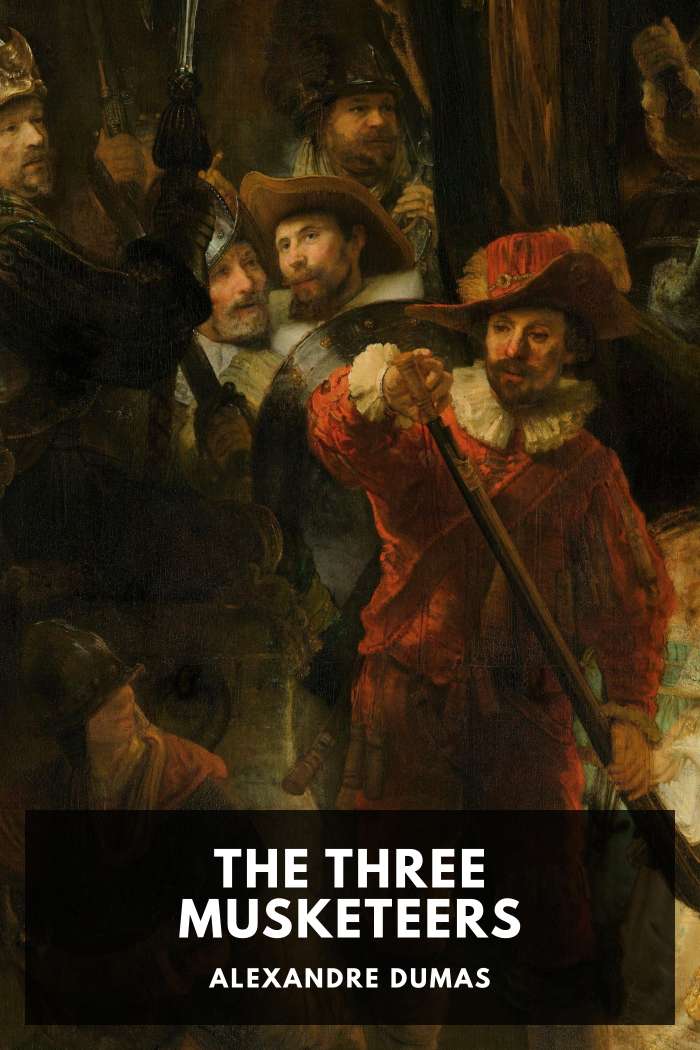
Match the book to your level the same way you would for reading: graded readers and children’s classics to start (short, plain, clearly read), then modern authors who write in clean prose — Steinbeck, Hemingway, Ishiguro — before the ornate stylists. A book you follow about 70–80% of is the sweet spot; above your level, it’s just pleasant background noise.
An honest word: audiobooks vs podcasts for learning
We should say this plainly, because it affects how you spend your time. Our own library is built around reading (ebooks you can tap) and podcasts (audio with transcripts) rather than audiobooks — and there’s a reason.
For pure learning, a transcript-backed podcast is often easier than an audiobook: you can tap a word for its meaning without leaving the audio, the English is closer to how people actually talk, and episodes are short enough to finish. Audiobooks win on two things — long-form listening stamina, and literary language you won’t get anywhere else. So the honest split most learners land on:
- Podcasts for daily practice and conversational English — see the best podcasts to learn English.
- Books you read and tap for vocabulary — see the best books.
- Audiobooks for immersion, pronunciation, and the pleasure of a great novel read well.
The method, one more time
Whatever you play: listen and read together, at your level, and don’t stop for every unknown word — mark the ones that keep coming back and review them within a day or two, while they’re warm. That save-and-review loop is what moves a word from “heard it once” to “know it.”
That loop is exactly what we built Hinto around — tap-to-translate on real content, spaced review, free to try on iOS and Android — though for audiobooks specifically, a Whispersync title and a little discipline run the same play.
Put a great book in your ears and in front of your eyes. It’s the closest thing to a shortcut that language learning has.
Read these free on Hinto





Frequently asked questions
Are audiobooks good for learning English? +
Yes, for building listening stamina on long-form English and for pronunciation. They're most powerful when you listen and read the same text at the same time — the audio keeps you moving at natural speed while the text lets you catch words you'd otherwise miss. On their own, audiobooks are harder to learn vocabulary from because there's nothing to tap or look up.
Where can I find free English audiobooks? +
LibriVox offers thousands of free, volunteer-read audiobooks of public-domain classics. Spotify includes many audiobooks with a subscription, and Audible has the largest paid catalogue with a free trial. For learners, pair any of these with the text (an ebook or a free public-domain copy) so you can listen and read together.
How do I learn English with audiobooks? +
Use the listen-and-read method: play the audiobook while reading the same text, at a level you follow about 70–80% of. Don't stop for every word — mark or note the ones that recur and review them later. Start with graded readers or children's classics, then move to modern authors who write in plain, clear prose.
Are audiobooks or podcasts better for learning English? +
Podcasts are often the easier learning format because many come with transcripts you can tap for instant word meanings and review, and the conversational English is closer to daily speech. Audiobooks are better for long-form listening stamina and literary language. Many learners use both — podcasts for daily practice, audiobooks for immersion.
Related articles
- English News for Learners — Real News, Sorted by Level (Without the Doomscroll) News is the perfect daily English habit: fresh, useful, and endless. A level-by-level guide to news podcasts and sites for learners — from slow, clear headlines to The Economist.
- English for Intermediate Learners — How to Break the B1–B2 Plateau The intermediate plateau is where most learners quit — not because they stop trying, but because the thing that worked before stops working. Here's what actually gets you from B1 to C1.
- English for Advanced Learners — Closing the Gap from C1 to C2 At C1 you're fluent but not invisible — small tells still mark you as a learner. Here's how to close the last gap: precision, register, idiom and the rare vocabulary that only wide reading gives you.
- The State of Reading in English 2026 — What 1,405 Graded Books Reveal About Learning to Read We graded all 1,405 books in our library by CEFR level. The data exposes a beginner-book desert, a classics glut, and why so many English learners quit reading. Full dataset included.