
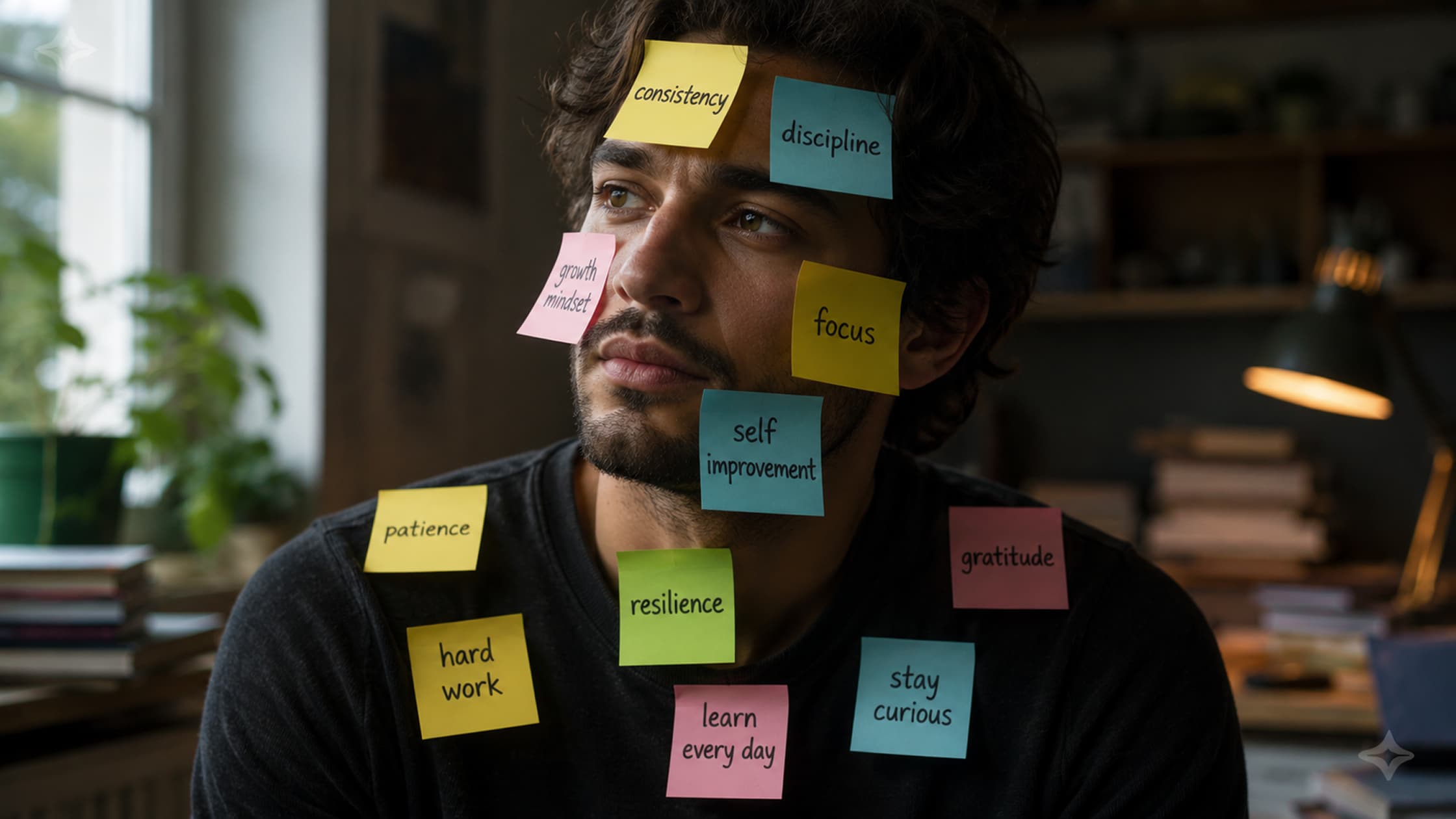
How to Learn English — The Method That Actually Works (and the Myths That Don't)

Language-learning writer · Published July 27, 2026
There is an enormous amount of advice about learning English, and most of it is noise. Apps promising fluency in three months, hacks, “one weird trick,” debates about the perfect method. So let’s strip it down to what’s actually true — the principles that survive contact with reality, and the myths that just waste your time.
The good news: the real method is simple. The catch: simple isn’t the same as easy, and there’s no way around the hours.
The principles that actually work
Everything that works rests on a few ideas that language researchers and successful learners quietly agree on. They’re not secret and they’re not new.
1. Comprehensible input. You acquire a language mainly by understanding messages — reading and listening to English you mostly get. The sweet spot is content you understand around 70–80% of: enough new to learn from, enough known to follow. Too hard isn’t immersion, it’s noise; too easy teaches nothing. (Not sure what your level is? Our free English level test places you on the CEFR scale in a few minutes.) Almost everything else is in service of getting more of this.
2. Real content, at your level, daily. Textbooks and apps are training wheels. The actual learning happens when you read and listen to things made for real people — but matched to where you are. Fifteen minutes every day beats three hours on Sunday, because a language is built by repeated exposure, not cramming.
3. Save what you meet, and review it. You cross paths with enough new vocabulary every week to improve fast — and forget almost all of it by the next day. The learners who progress aren’t smarter; they just don’t let the words slip. Save the ones that recur, and see them again within a day or two.
4. Speak early, badly, often. You don’t need to be “ready.” Output — talking, writing — forces the language from passive to active, and the embarrassment fades in about a week. Waiting until you’re “good enough” to speak is how people stay stuck at understanding-but-can’t-produce for years.
That’s the whole engine. Input you understand, at your level, every day, with the words saved and reviewed, plus early output. Everything below is just how to run it well.
An easy first source of daily input — short, clear, made for learners:
Where grammar and courses fit
Not as the main event — as a support. At the start, structured courses and a grammar reference are genuinely useful: there’s a finite set of core grammar and the ~800–1,000 most common words, and a good course marches you through them efficiently. Do that.
But past roughly B1, grammar shifts from something you study to something you notice. You mostly know the rules by then; what you lack is automaticity, and that comes from meeting structures in real content over and over, not from more drills. Keep a light grammar habit for the gaps. Spend the bulk of your time on input.
A realistic weekly routine
You don’t need a dramatic schedule. You need a repeatable one. Something like:
- 20 minutes of listening most days — a podcast or video at your level, on your commute or over coffee.
- 15 minutes of reading — a few pages of a book at your level, tapping only the words a sentence truly needs.
- 5 minutes of review — the words you saved, seen again.
- Some speaking each week — a language partner, a tutor, or even talking to yourself out loud about your day.
That’s around five hours a week. Not heroic. Just consistent. Do it for a few months and you’ll notice the shift not as a breakthrough but as a quiet realization — the day you follow a whole conversation without translating in your head.
The full stage-by-stage version lives in our level guides: beginners, intermediate, and advanced. And for what to actually read, watch and listen to, see the best podcasts, YouTube channels, and books.
The myths worth ignoring
A few popular ideas actively hold learners back:
- “Fluent in 3 months.” Not for a language learned from scratch, no matter what the ad says. You can make real progress in three months; you cannot compress hundreds of hours into them. (Curious how long your own goal realistically takes? Our free learning-time estimator does the math from your level and study hours.)
- “Learn while you sleep.” Passive audio while unconscious does essentially nothing. Learning requires attention. (More on why in our piece on passive listening.)
- “You must think in English.” This isn’t a starting technique you force; it’s a result that arrives on its own once you’ve had enough input. Chasing it early just makes you anxious.
- “One method is best.” Immersion vs. structure, apps vs. books — it’s a false fight. Beginners need more structure, advanced learners need more real content, and everyone needs input they understand. Match the method to your level, not to an ideology.
The one-paragraph version
Get lots of English you can mostly understand, at your level, every day. Save the words you keep meeting and review them. Speak before you feel ready. Use courses and grammar to start, then let real content take over. Ignore anyone selling a shortcut.
That’s the method. It’s the reason we built Hinto around real content with tap-to-translate and spaced review (free to try, iOS and Android) — but it’s bigger than any app. It’s just how languages are actually learned: patiently, daily, from things worth understanding.
Frequently asked questions
What is the fastest way to learn English? +
Daily input you can mostly understand. Consume real English — podcasts, video, books — at a level you follow about 70–80% of, save the words that recur, and review them within a day or two. Add early speaking practice and light grammar. There's no shortcut past the hours, but choosing content at the right level (not too hard) is the single biggest accelerator.
How long does it take to become fluent in English? +
Reaching a conversational level (around B1) typically takes several hundred hours of real practice; comfortable, near-native fluency (C1–C2) takes one to two years of consistent daily input beyond that. Your native language, your hours per day, and whether you use real content all move the number. 'Fluent in 3 months' is marketing, not reality.
Can I learn English on my own without a course? +
Yes. Courses and apps are useful for the first stage (core grammar and the most common words), but past B1 most progress comes from self-directed input — real podcasts, books and video at your level — which you can do entirely on your own. The key is consistency and choosing level-appropriate content, not a teacher.
Is it better to focus on grammar or vocabulary and listening? +
Both, but in shifting proportions. Beginners need core grammar and high-frequency vocabulary through structured practice. From intermediate on, listening and reading to real content — plus saving the words you meet — does most of the work, with grammar as a supporting review habit. You can't drill your way to fluency; you absorb it from input.
Related articles
- Comprehensible Input, Explained — Why You Learn English by Understanding, Not Studying You don't learn a language by memorizing it — you learn it by understanding messages just above your level. Here's what comprehensible input actually means, why it works, and how to find yours.
- The State of Reading in English 2026 — What 1,405 Graded Books Reveal About Learning to Read We graded all 1,405 books in our library by CEFR level. The data exposes a beginner-book desert, a classics glut, and why so many English learners quit reading. Full dataset included.
- The Best YouTube Channels to Learn English — Real Channels, Sorted by How Hard They Are The best English on YouTube isn't 'learn English' channels — it's the educational ones made to be understood. A level-by-level guide with real channels and how to watch them at your level.
- Can You Learn English While Sleeping? The Honest Answer — and What Actually Works Playing English audio while you sleep won't teach you the language — learning needs attention. But active listening will. Here's the truth about passive listening and the techniques that actually build your ear.