 Do you really know?
  Abrir en Hinto
 Sobre este episodio
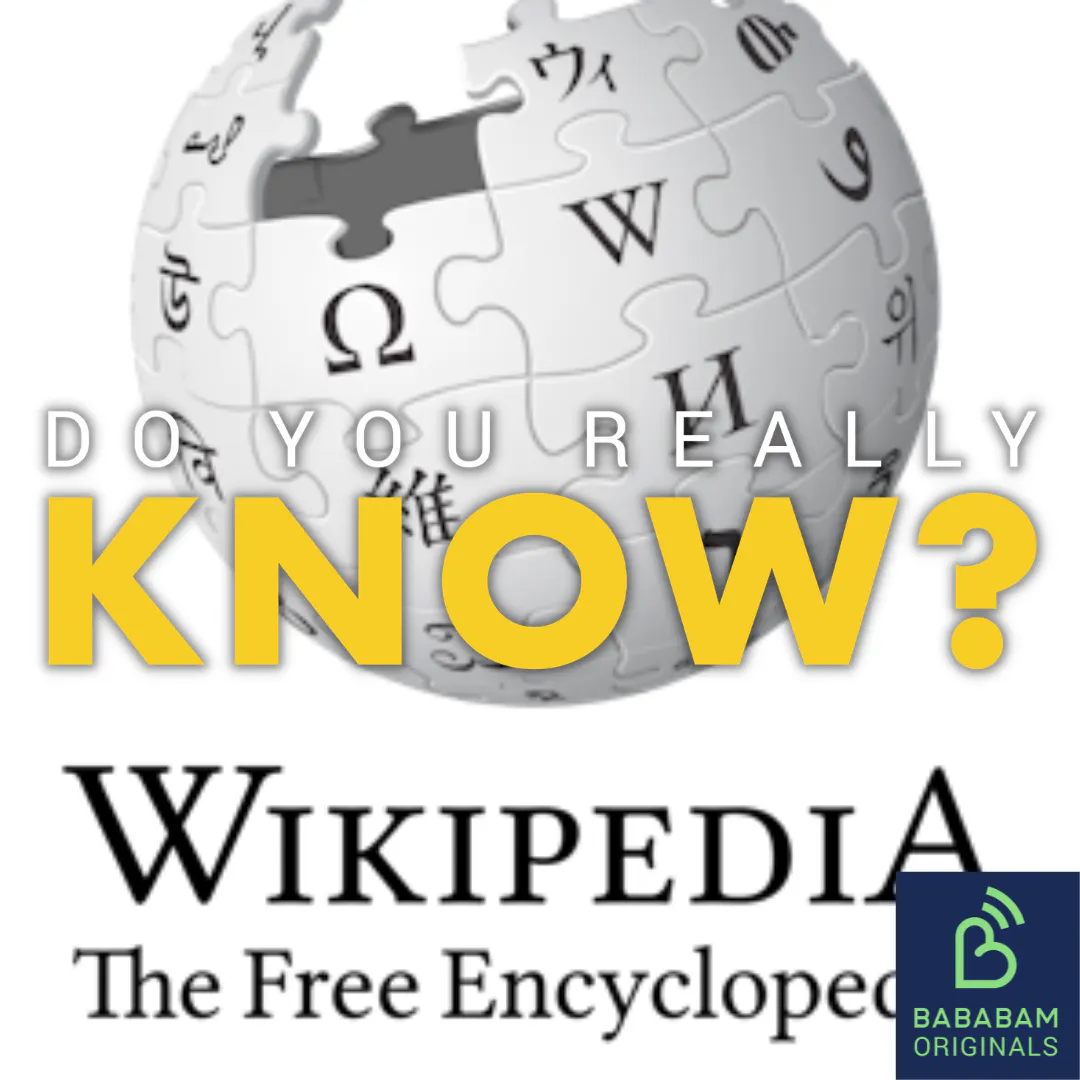
What is Wikipedia? Thanks for asking! OK so everybody already knows what Wikipedia is, but let’s look closer at its history, how it works and the limits of this collaborative, volunteer-produced internet encyclopedia. Nowadays, Wikipedia has over 55 million articles in over 300 different languages. But everything started with a single post titled Hello World, published by American founder Jimmy Wales. He invited internet users to join his encyclopedia project with the radical aim of changing how knowledge was created and shared online. That’s a pretty ambitious objective! The main novelty was allowing anyone to contribute and edit the encyclopedia’s articles, regardless of education or social origin. So with Wikipedia, knowledge on a subject isn’t produced according to some kind of hierarchy whereby a minority of experts have all the control. Instead we place trust in collective intelligence. Editors, also known as Wikipedians, combine their efforts on a voluntary basis, to help the collaborative community to exist, with no director. Can the information really be considered reliable if anyone can contribute? Interestingly, the sheer number of contributors is seen as a guarantee of Wikipedia’s reliability, even if they work on a voluntary basis. The more editors there are, the greater the number of peer reviews and edits which can be made to reach the general consensus on any given subject. See acast.com/privacy for privacy and opt-out information. First Broadcast: 28/1/2021 Learn more about your ad choices. Visit megaphone.fm/adchoices
Escucha este episodio en inglés para aprender inglés
Los episodios de podcast son una de las formas más densas de absorber inglés al ritmo nativo. What is Wikipedia? de Do you really know? te da diálogo natural, habla sin guion y vocabulario que de verdad aparece en conversaciones reales.
En la app Hinto, cada palabra de la transcripción es tocable. Toca una palabra desconocida, ve la traducción a tu idioma al instante y sigue escuchando sin romper el ritmo.
Episodios para aprender inglés
- How many people does it take to start a revolution? 16 sept 2026
- What is PimEyes, the powerful tool ending online anonymity? 16 sept 2026
- What is Munchausen Syndrome? 16 sept 2026
- What is the best time of day to take a shower? 15 sept 2026
- Who are the main victims of natural disasters? 15 sept 2026
- Could job enrichment make your work more rewarding? 15 sept 2026
- Why do we have irrational thoughts at nighttime? 14 sept 2026
- What 5 foods can improve brain performance? 14 sept 2026
- What does my urine colour say about my health? 14 sept 2026
- Could insects replace meat? 13 sept 2026
- Is nostalgia good or bad for us? 13 sept 2026
- Why is the celibacy movement attracting young people? 13 sept 2026
- Could using lube help you get more pleasure from sex? 12 sept 2026
- Are our perfumes toxic? 12 sept 2026
- How can I recognise a flying monkey, the narcissistic abuser’s best friend? 12 sept 2026
- What is Focus Friday? 11 sept 2026
- What is the Papageno effect, which helps prevent suicide? 11 sept 2026
- What are the health benefits of walking up stairs? 11 sept 2026
- Are you a time optimist? 10 sept 2026
- Why do you get a stitch in your side? 10 sept 2026
- Why is black associated with grief? 10 sept 2026
- How can I free myself from negative thoughts? 9 sept 2026
- Could Turmeric help indigestion? 9 sept 2026
- What happens to your online life after you die? 9 sept 2026
- What happens to our bodies when we die? 8 sept 2026
- How can I stop snacking? 8 sept 2026
- What is sad nipple syndrome? 8 sept 2026
- Why do summer romances leave such a mark on us? 7 sept 2026
- Do I have poor blood circulation? 7 sept 2026
- How can I reduce damp and mould in your home? 7 sept 2026