
Noticias diarias
The Daily
The New York Times
This is what the news should sound like. The biggest stories of our time, told by the best journalists in the world. Hosted by Michael Barbaro, Rachel Abrams and Natalie Kitroeff. Twenty minutes a day, six days a week, ready by 6 a.m. Subscribe today at nytimes.com/podcasts or on Apple Podcasts and Spotify. You can also subscribe via your favorite podcast app here https://www.nytimes.com/activate-access/audio?source=podcatcher.
 Abrir en Hinto
Episodios para aprender inglés220

Three Vans, a Startled Farmer and an Iranian Plot Against the U.S.
7 oct 202623 min<p>What exactly happened near an air base in Britain used by the United States?</p><p>Eric Schmitt, a national security correspondent for The New York Times, discusses what he’s learned about the mysterious events around the base, including the abrupt withdrawal of U.S. Air Force bombers.</p><p>Guest: <a href="https://www.nytimes.com/by/eric-schmitt" target="_blank" rel="noopener noreferrer"><strong>Eric Schmitt</strong></a><strong>,</strong> a national security correspondent for The New York Times.</p><p>Background reading: </p><ul><li>A mysterious call near a military base used by the United States set in motion a huge counterterrorism response and <a href="https://www.nytimes.com/2026/10/03/world/europe/raf-fairford-air-base-incident-iran.html" target="_blank" rel="noopener noreferrer">days of uncertainty in Britain</a>.</li><li><a href="https://www.nytimes.com/2026/10/05/us/politics/iran-drone-attack-threat.html" target="_blank" rel="noopener noreferrer">The United States withdrew 12 bombers from the base</a> after information emerged about a potential Iranian drone attack, U.S. and British officials said.</li></ul><p>Photo: Getty Images</p> <p><p>For more information on today’s episode, visit <a href="http://nytimes.com/thedaily?smid=pc-thedaily"><strong>nytimes.com/thedaily</strong></a>. Transcripts of each episode will be made available by the next workday. </p><p> </p><p>Subscribe today at <a href="http://nytimes.com/podcasts">nytimes.com/podcasts</a> or on Apple Podcasts, Spotify and Amazon Music. You can also subscribe via your favorite podcast app here <a href="https://www.nytimes.com/activate-access/audio?source=podcatcher">https://www.nytimes.com/activate-access/audio?source=podcatcher</a>. For more podcasts and narrated articles, download The New York Times app at nytimes.com/app.</p></p><br/> <p>Hosted by Simplecast, an AdsWizz company. See <a href="https://pcm.adswizz.com">pcm.adswizz.com</a> for information about our collection and use of personal data for advertising.</p>

Call My A.I. Agent
6 oct 202628 min<p>Over the past few weeks, millions of people have rushed to download a new type of artificial intelligence app — agents. They are useful, kind of cute and need your most sensitive personal information to work.</p><p>Eli Tan, a reporter who covers technology for The New York Times, opened up his life to Muse, Meta’s A.I. agent. He explained what happened next.</p><p>Guest: <a href="https://www.nytimes.com/by/eli-tan" target="_blank" rel="noopener noreferrer"><strong>Eli Tan</strong></a>, a reporter covering the technology industry for The New York Times.</p><p>Background reading: </p><ul><li><a href="https://www.nytimes.com/2026/09/08/technology/meta-muse-ai-agent.html" target="_blank" rel="noopener noreferrer">Muse, Meta’s new A.I. agent</a>, can send your emails and book your travel.</li><li>Eli Tan said he <a href="https://www.nytimes.com/2026/09/22/technology/meta-muse-ai-agent.html" target="_blank" rel="noopener noreferrer">“was blown away” by Muse</a> after using it to perform dozens of day-to-day tasks.</li></ul><p>Photo: Gabriela Bhaskar/The New York Times</p> <p><p>For more information on today’s episode, visit <a href="http://nytimes.com/thedaily?smid=pc-thedaily"><strong>nytimes.com/thedaily</strong></a>. Transcripts of each episode will be made available by the next workday. </p><p> </p><p>Subscribe today at <a href="http://nytimes.com/podcasts">nytimes.com/podcasts</a> or on Apple Podcasts, Spotify and Amazon Music. You can also subscribe via your favorite podcast app here <a href="https://www.nytimes.com/activate-access/audio?source=podcatcher">https://www.nytimes.com/activate-access/audio?source=podcatcher</a>. For more podcasts and narrated articles, download The New York Times app at nytimes.com/app.</p></p><br/> <p>Hosted by Simplecast, an AdsWizz company. See <a href="https://pcm.adswizz.com">pcm.adswizz.com</a> for information about our collection and use of personal data for advertising.</p>
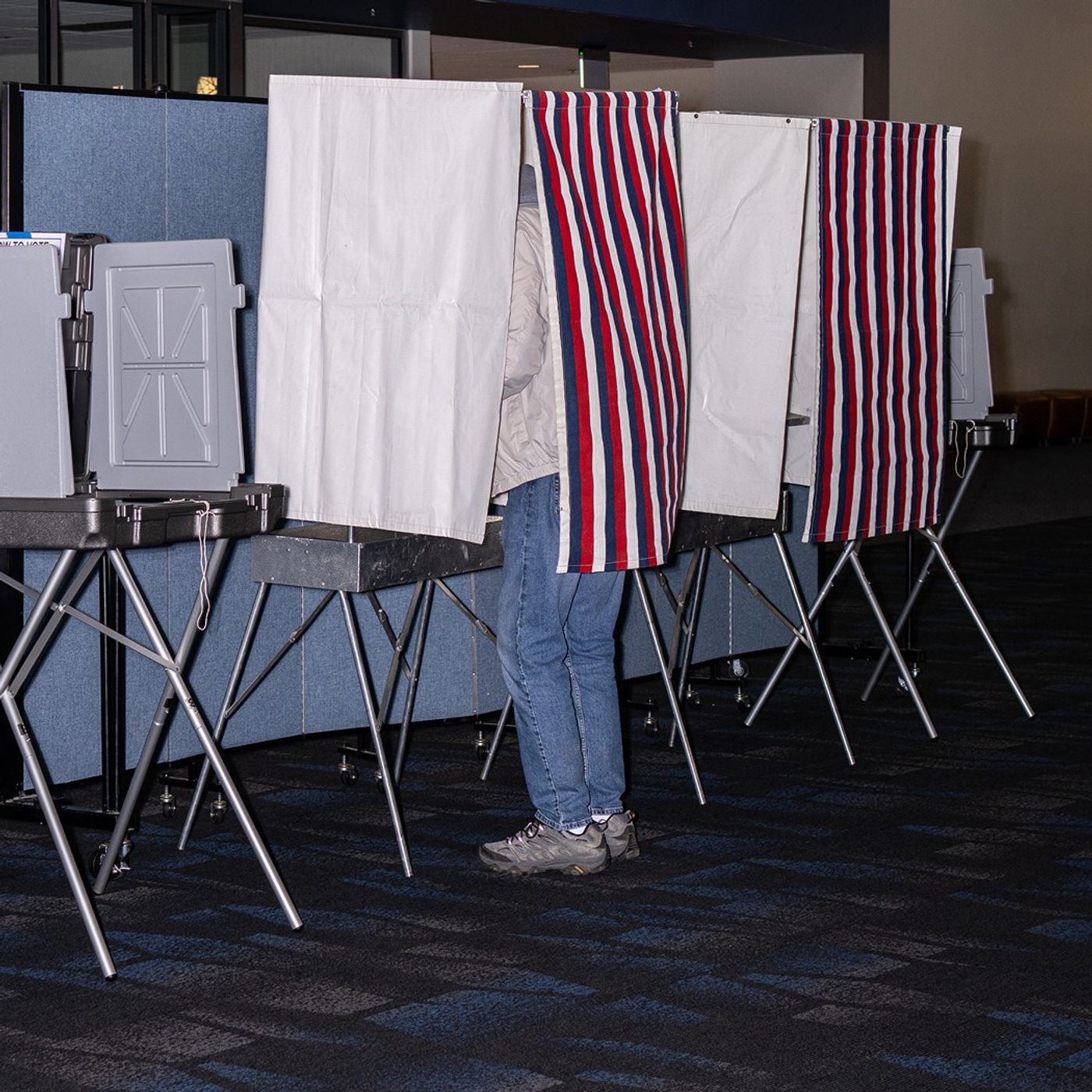
Midterm Surprise: Democrats Are Surging in Red America
5 oct 202628 min<p>A new set of polls from The New York Times finds that Democratic candidates are doing remarkably well in the Republican-leaning states that they need to win to gain control of the U.S. Senate in next month’s midterm elections.</p><p>They are doing less well in the blue states that, in theory, should be easier to win.</p><p>Nate Cohn, the chief political analyst for The Times, offers his idea of what is behind the numbers.</p><p>Guest: <strong>Nate Cohn</strong>, The New York Times’s chief political analyst.</p><p>Background reading: </p><ul><li>Polls suggested that Hispanic voters, whose support helped propel President Trump to the White House in 2024, <a href="https://www.nytimes.com/2026/09/22/upshot/hispanic-voters-midterm-elections.html" target="_blank" rel="noopener noreferrer">would largely support the Democratic Party this time</a>.</li><li>Senator Susan Collins of Maine <a href="https://www.nytimes.com/2026/09/24/upshot/maine-poll-times-siena.html" target="_blank" rel="noopener noreferrer">led polls for the first time</a> since Graham Platner dropped out of the race in July.</li></ul><p>Photo: Ash Adams for The New York Times</p> <p><p>For more information on today’s episode, visit <a href="http://nytimes.com/thedaily?smid=pc-thedaily"><strong>nytimes.com/thedaily</strong></a>. Transcripts of each episode will be made available by the next workday. </p><p> </p><p>Subscribe today at <a href="http://nytimes.com/podcasts">nytimes.com/podcasts</a> or on Apple Podcasts, Spotify and Amazon Music. You can also subscribe via your favorite podcast app here <a href="https://www.nytimes.com/activate-access/audio?source=podcatcher">https://www.nytimes.com/activate-access/audio?source=podcatcher</a>. For more podcasts and narrated articles, download The New York Times app at nytimes.com/app.</p></p><br/> <p>Hosted by Simplecast, an AdsWizz company. See <a href="https://pcm.adswizz.com">pcm.adswizz.com</a> for information about our collection and use of personal data for advertising.</p>
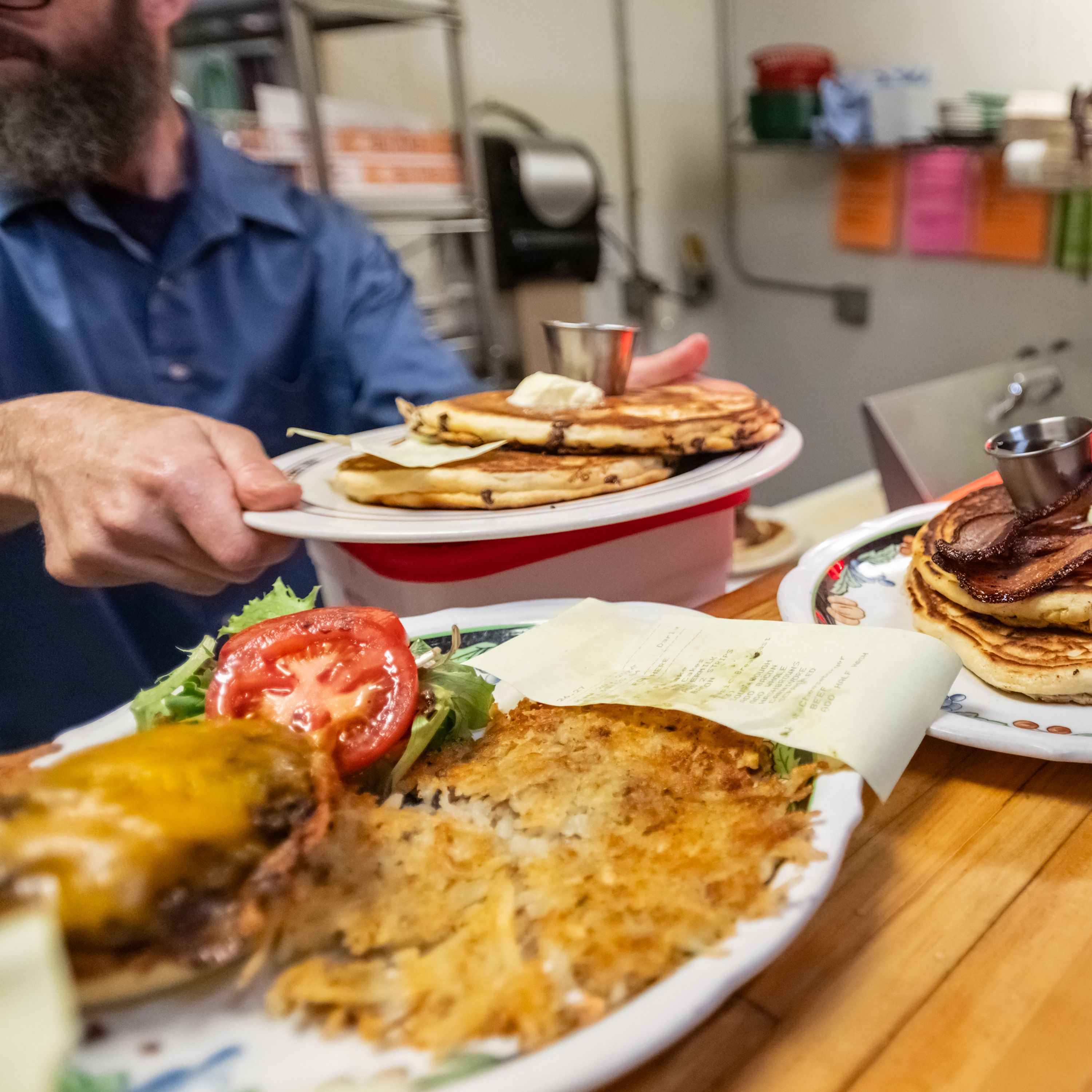
The Restaurant Industry Is Broken. Can It Be Fixed?
4 oct 202637 min<p>If you dine out regularly, you might have noticed some changes in restaurants over the past few years. Perhaps you’ve found yourself ordering at a counter, scanning a QR code to see the menu, or eating … a lot more soft serve.</p><p>These changes aren’t just trends. Brett Anderson, a New York Times food reporter, says they are restaurant owners’ desperate attempts to stay afloat in an industry in crisis. According to a report from the National Restaurant Association, 42 percent of restaurant owners said they weren’t profitable in 2025. Many of them were at serious risk of closing.</p><p>In this episode of “The Sunday Daily,” Brett talks with our host Michael Barbaro about the economic realities that are forcing businesses to rethink the entire concept of a restaurant, including a radical experiment at one Minneapolis diner that stopped charging for food entirely.</p><p><strong>On Today’s Episode:</strong></p><ul><li><a href="https://www.nytimes.com/by/brett-anderson" target="_blank" rel="noopener noreferrer"><strong>Brett Anderson</strong></a>, a reporter for the Food section of The New York Times.</li></ul><p><strong>Background Reading:</strong></p><ul><li><a href="https://www.nytimes.com/2026/06/08/dining/post-modern-times-minneapolis-free-food.html" target="_blank" rel="noopener noreferrer">This Restaurant Stopped Charging for Food. And Profits Are Up.</a></li><li><p><a href="https://www.nytimes.com/interactive/2026/dining/best-restaurants-america.html" target="_blank" rel="noopener noreferrer">The Restaurant List 2026</a></p><p>Photo credit: Caroline Yang for The New York Times. </p></li></ul> <p><p>For more information on today’s episode, visit <a href="http://nytimes.com/thedaily?smid=pc-thedaily"><strong>nytimes.com/thedaily</strong></a>. Transcripts of each episode will be made available by the next workday. </p><p> </p><p>Subscribe today at <a href="http://nytimes.com/podcasts">nytimes.com/podcasts</a> or on Apple Podcasts, Spotify and Amazon Music. You can also subscribe via your favorite podcast app here <a href="https://www.nytimes.com/activate-access/audio?source=podcatcher">https://www.nytimes.com/activate-access/audio?source=podcatcher</a>. For more podcasts and narrated articles, download The New York Times app at nytimes.com/app.</p></p><br/> <p>Hosted by Simplecast, an AdsWizz company. See <a href="https://pcm.adswizz.com">pcm.adswizz.com</a> for information about our collection and use of personal data for advertising.</p>
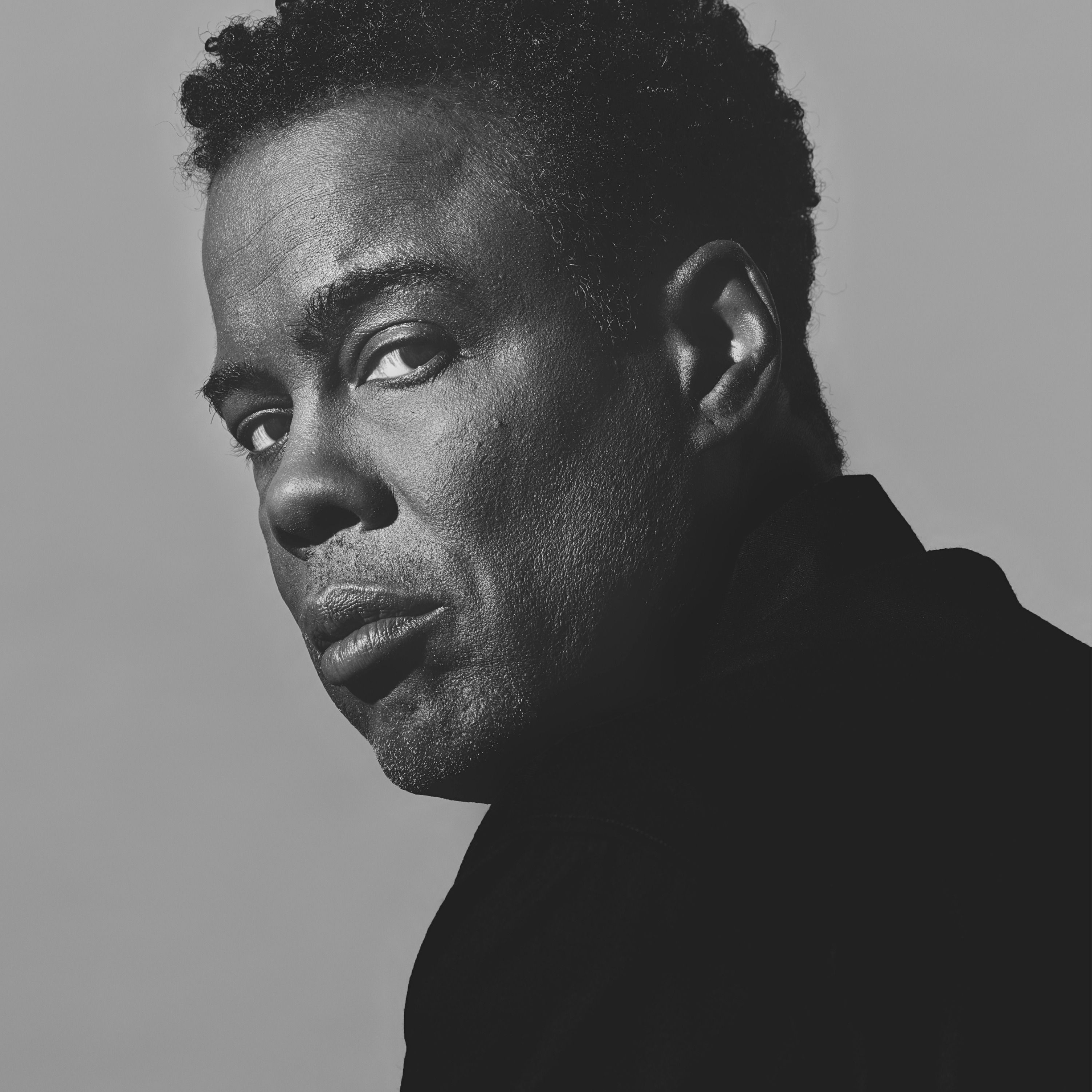
Chris Rock Has Been Thinking About Forgiveness
3 oct 20261h 3m<p>The comedian and filmmaker on what real friendship looks like, what keeps him up at night and his new movie, "Misty Green."</p><ul><li>Thoughts? Email us at <strong>theinterview@nytimes.com</strong></li><li>Watch our show on YouTube: <a href="https://www.youtube.com/@theinterviewpodcast" rel="noopener noreferrer"><strong>youtube.com/@TheInterviewPodcast</strong></a></li><li>For transcripts and more, visit: <a href="https://www.nytimes.com/column/the-interview" rel="noopener noreferrer"><strong>nytimes.com/theinterview</strong></a></li></ul> <p><p>For more information on today’s episode, visit <a href="http://nytimes.com/thedaily?smid=pc-thedaily"><strong>nytimes.com/thedaily</strong></a>. Transcripts of each episode will be made available by the next workday. </p><p> </p><p>Subscribe today at <a href="http://nytimes.com/podcasts">nytimes.com/podcasts</a> or on Apple Podcasts, Spotify and Amazon Music. You can also subscribe via your favorite podcast app here <a href="https://www.nytimes.com/activate-access/audio?source=podcatcher">https://www.nytimes.com/activate-access/audio?source=podcatcher</a>. For more podcasts and narrated articles, download The New York Times app at nytimes.com/app.</p></p><br/> <p>Hosted by Simplecast, an AdsWizz company. See <a href="https://pcm.adswizz.com">pcm.adswizz.com</a> for information about our collection and use of personal data for advertising.</p>

The Firestorm Over a Rape Allegation at Cornell
2 oct 202631 min<p>An alleged campus sexual assault at Cornell University has gripped the country and ignited a national debate over consent.</p><p>Debra Kamin, an investigative reporter for The New York Times, explains what we know about what happened.</p><p>Guest: <a href="https://www.nytimes.com/by/debra-kamin" target="_blank" rel="noopener noreferrer"><strong>Debra Kamin</strong></a>, an investigative reporter for the The New York Times.</p><p>Background reading: </p><ul><li>Documents reviewed by The Times <a href="https://www.nytimes.com/2026/10/01/nyregion/cornell-rape-accusation-reporting.html" target="_blank" rel="noopener noreferrer">reveal how a Cornell student went from shame to action</a>.</li><li>A <a href="https://www.nytimes.com/2026/10/01/nyregion/url-cornell-university-jane-doe-rape-case-statement.html" target="_blank" rel="noopener noreferrer">Cornell police report</a> omitted the student’s claim that she was raped.</li></ul><p>Photo: Heather Ainsworth for The New York Times</p> <p><p>For more information on today’s episode, visit <a href="http://nytimes.com/thedaily?smid=pc-thedaily"><strong>nytimes.com/thedaily</strong></a>. Transcripts of each episode will be made available by the next workday. </p><p> </p><p>Subscribe today at <a href="http://nytimes.com/podcasts">nytimes.com/podcasts</a> or on Apple Podcasts, Spotify and Amazon Music. You can also subscribe via your favorite podcast app here <a href="https://www.nytimes.com/activate-access/audio?source=podcatcher">https://www.nytimes.com/activate-access/audio?source=podcatcher</a>. For more podcasts and narrated articles, download The New York Times app at nytimes.com/app.</p></p><br/> <p>Hosted by Simplecast, an AdsWizz company. See <a href="https://pcm.adswizz.com">pcm.adswizz.com</a> for information about our collection and use of personal data for advertising.</p>
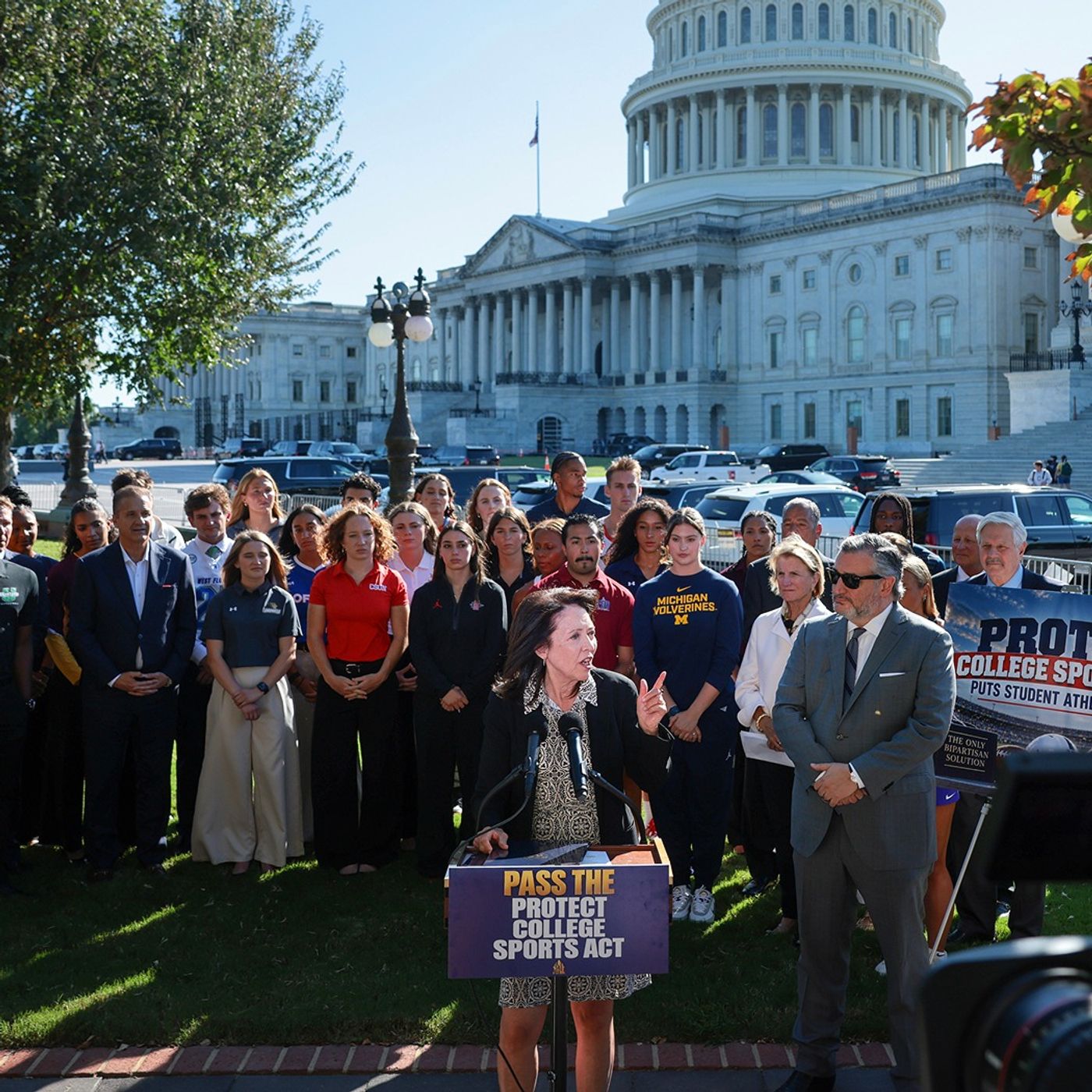
Why Washington Is Trying to Rein In College Sports
1 oct 202630 min<p>In the five years since student athletes have been allowed to earn money, college sports have become a chaotic and murky marketplace where players can move from team to team chasing a payday.</p><p>Stewart Mandel of The Athletic explains why, this week, Washington decided to step in.</p><p>Guest: <a href="https://www.nytimes.com/athletic/author/stewart-mandel/" target="_blank" rel="noopener noreferrer"><strong>Stewart Mandel</strong></a>, the editor in chief of college football for The Athletic and a host of its college football podcast “<a href="https://www.nytimes.com/athletic/podcast/97-the-audible-with-bruce-and-stew/" target="_blank" rel="noopener noreferrer">The Audible</a>.”</p><p>Background reading: </p><ul><li>The Protect College Sports Act wants to fix college sports. <a href="https://www.nytimes.com/athletic/7602850/2026/09/18/protect-college-sports-act-athlete-spending/" target="_blank" rel="noopener noreferrer">Here’s what it actually targets</a>.</li><li>Does your college football roster cost $8 million or $50 million? <a href="https://www.nytimes.com/athletic/interactive/college-football-nil-spending-budgets/" target="_blank" rel="noopener noreferrer">Read The Athletic’s report on 68 teams</a>.</li><li>Here’s how the football programs <a href="https://www.nytimes.com/athletic/7590329/2026/09/17/college-football-revenue-sharing-nil-cap-budgets/" target="_blank" rel="noopener noreferrer">blow past limits on what they can pay players</a>.</li></ul><p>Photo: Chip Somodevilla/Getty Images</p> <p><p>For more information on today’s episode, visit <a href="http://nytimes.com/thedaily?smid=pc-thedaily"><strong>nytimes.com/thedaily</strong></a>. Transcripts of each episode will be made available by the next workday. </p><p> </p><p>Subscribe today at <a href="http://nytimes.com/podcasts">nytimes.com/podcasts</a> or on Apple Podcasts, Spotify and Amazon Music. You can also subscribe via your favorite podcast app here <a href="https://www.nytimes.com/activate-access/audio?source=podcatcher">https://www.nytimes.com/activate-access/audio?source=podcatcher</a>. For more podcasts and narrated articles, download The New York Times app at nytimes.com/app.</p></p><br/> <p>Hosted by Simplecast, an AdsWizz company. See <a href="https://pcm.adswizz.com">pcm.adswizz.com</a> for information about our collection and use of personal data for advertising.</p>

Inside the Devastating Hack of the F.B.I.
30 sept 202624 min<p>A little over a decade ago, after hackers broke into the U.S. government and stole the personnel records of millions of federal workers, officials vowed that it would never happen again. Something similar recently did — to the F.B.I.</p><p>Dustin Volz, who covers cybersecurity for The New York Times, tells the story of the attack, the group behind it and what could happen to the stolen data.</p><p>Guest: <strong>Dustin Volz</strong>, a cybersecurity and intelligence reporter for The New York Times.</p><p>Background reading: </p><ul><li>The hackers said they had stolen <a href="https://www.nytimes.com/2026/09/23/us/politics/fbi-hack-shinyhunters-data.html" target="_blank" rel="noopener noreferrer">thousands of sensitive F.B.I. personnel records</a>.</li><li>The <a href="https://www.nytimes.com/2026/09/28/us/politics/fbi-shinyhunters-damage.html" target="_blank" rel="noopener noreferrer">embarrassing breach at the F.B.I. has fueled fears</a> of harm to its employees.</li></ul><p>Photo: Julia Demaree Nikhinson/Associated Press</p> <p><p>For more information on today’s episode, visit <a href="http://nytimes.com/thedaily?smid=pc-thedaily"><strong>nytimes.com/thedaily</strong></a>. Transcripts of each episode will be made available by the next workday. </p><p> </p><p>Subscribe today at <a href="http://nytimes.com/podcasts">nytimes.com/podcasts</a> or on Apple Podcasts, Spotify and Amazon Music. You can also subscribe via your favorite podcast app here <a href="https://www.nytimes.com/activate-access/audio?source=podcatcher">https://www.nytimes.com/activate-access/audio?source=podcatcher</a>. For more podcasts and narrated articles, download The New York Times app at nytimes.com/app.</p></p><br/> <p>Hosted by Simplecast, an AdsWizz company. See <a href="https://pcm.adswizz.com">pcm.adswizz.com</a> for information about our collection and use of personal data for advertising.</p>
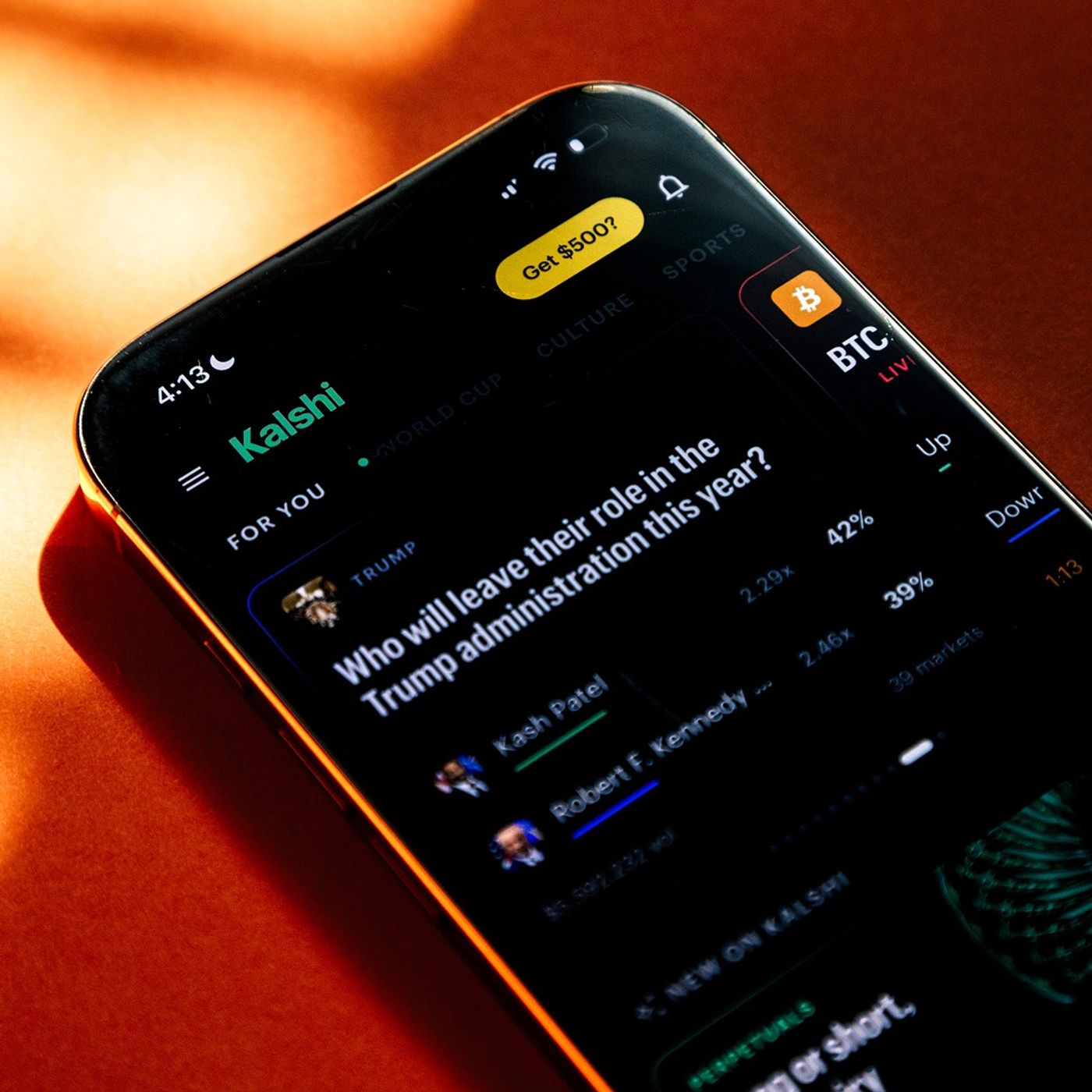
Are Prediction Markets Gambling? A Lot Rides on the Answer.
29 sept 202627 min<p>Prediction markets such as Kalshi and Polymarket have gained huge popularity over the past year. These marketplaces allow you to wager on just about anything — whether it’s who will win a football game or the weather in New York City.</p><p>David Yaffe-Bellany, a technology reporter for The New York Times, discusses the legal challenge these platforms now face and how it could determine their future.</p><p>Guest: <strong>David Yaffe-Bellany</strong>, a technology reporter for The New York Times.</p><p>Background reading: </p><ul><li>A <a href="https://www.nytimes.com/2026/08/27/technology/prediction-markets-states-kalshi-polymarket-lawsuits.html" target="_blank" rel="noopener noreferrer">clash between prediction markets and states</a> has set off a furious political battle.</li><li>Donald Trump Jr.’s firm led a <a href="https://www.nytimes.com/2026/08/31/business/polymarket-funding-trump.html" target="_blank" rel="noopener noreferrer">$1 billion funding round for Polymarket.</a></li></ul><p>Photo: Eric Helgas for The New York Times</p> <p><p>For more information on today’s episode, visit <a href="http://nytimes.com/thedaily?smid=pc-thedaily"><strong>nytimes.com/thedaily</strong></a>. Transcripts of each episode will be made available by the next workday. </p><p> </p><p>Subscribe today at <a href="http://nytimes.com/podcasts">nytimes.com/podcasts</a> or on Apple Podcasts, Spotify and Amazon Music. You can also subscribe via your favorite podcast app here <a href="https://www.nytimes.com/activate-access/audio?source=podcatcher">https://www.nytimes.com/activate-access/audio?source=podcatcher</a>. For more podcasts and narrated articles, download The New York Times app at nytimes.com/app.</p></p><br/> <p>Hosted by Simplecast, an AdsWizz company. See <a href="https://pcm.adswizz.com">pcm.adswizz.com</a> for information about our collection and use of personal data for advertising.</p>
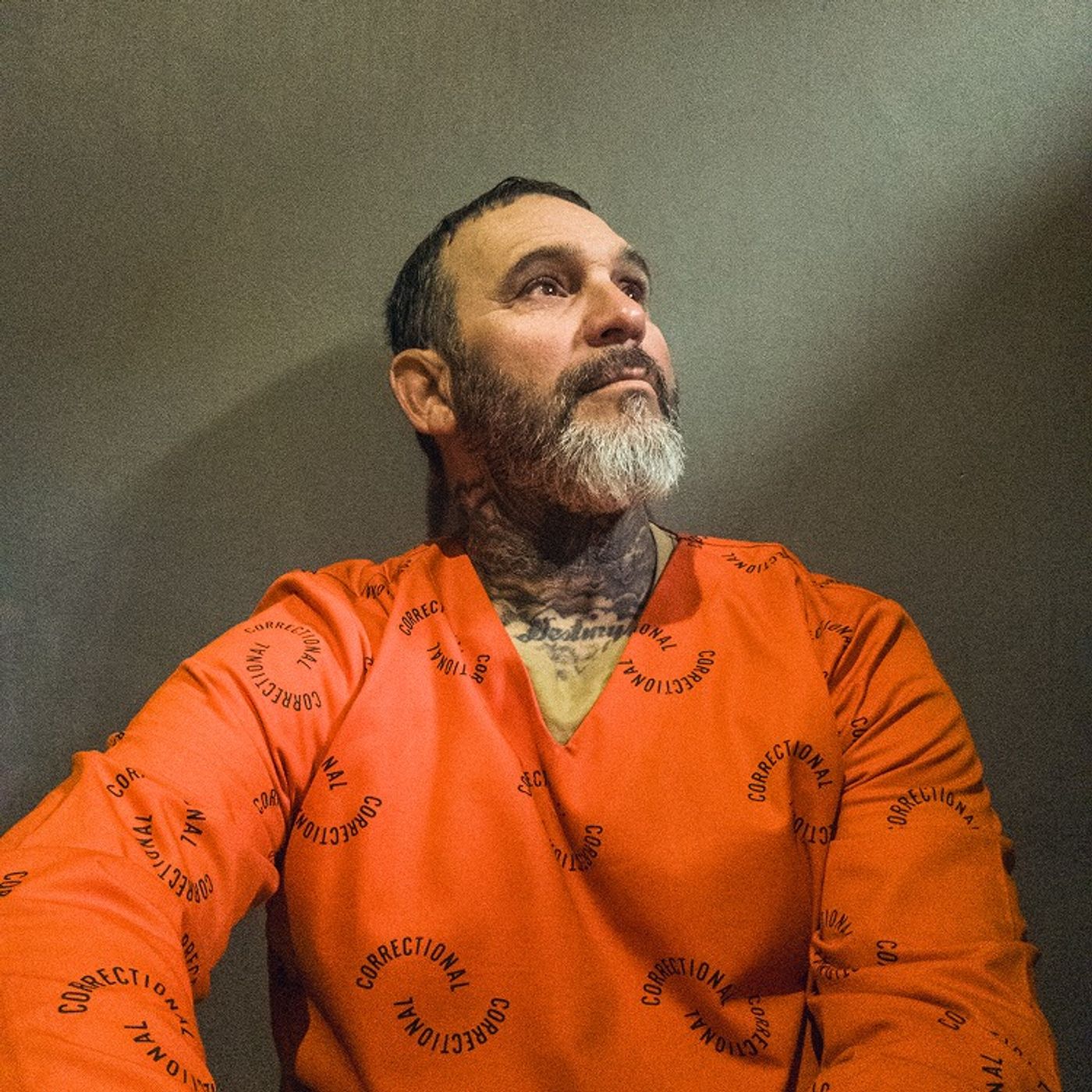
He Was Deported to a Country He’d Never Heard Of
28 sept 202627 min<p>In its efforts to deport as many undocumented immigrants as possible, the Trump administration has increasingly relied on a highly controversial strategy: deporting people to countries they have no connection to.</p><p>Last week, a federal court ruled the practice to be illegal because it violated people’s right to due process. The administration challenged that ruling, and now it is in front of the Supreme Court.</p><p>Nicholas Casey tells the story of Roberto Mosquera, who moved to the United States from Cuba as a child. He has been held in the small country of Eswatini since July 2025.</p><p>Guest: <strong>Nicholas Casey</strong>, a staff writer at The New York Times Magazine who writes about geopolitics.</p><p>Background reading: </p><ul><li>He was <a href="https://www.nytimes.com/2026/08/12/magazine/deportation-immigrants-prison-eswatini.html" target="_blank" rel="noopener noreferrer">deported to a country he’d never heard of.</a> He may never go free.</li><li>How do you <a href="https://www.nytimes.com/2026/08/12/insider/interview-deportees-eswatini-africa-trump.html" target="_blank" rel="noopener noreferrer">interview a deportee</a> being held inside a maximum-security prison?</li></ul><p>Photo: Moises Saman/Magnum, for The New York Times</p> <p><p>For more information on today’s episode, visit <a href="http://nytimes.com/thedaily?smid=pc-thedaily"><strong>nytimes.com/thedaily</strong></a>. Transcripts of each episode will be made available by the next workday. </p><p> </p><p>Subscribe today at <a href="http://nytimes.com/podcasts">nytimes.com/podcasts</a> or on Apple Podcasts, Spotify and Amazon Music. You can also subscribe via your favorite podcast app here <a href="https://www.nytimes.com/activate-access/audio?source=podcatcher">https://www.nytimes.com/activate-access/audio?source=podcatcher</a>. For more podcasts and narrated articles, download The New York Times app at nytimes.com/app.</p></p><br/> <p>Hosted by Simplecast, an AdsWizz company. See <a href="https://pcm.adswizz.com">pcm.adswizz.com</a> for information about our collection and use of personal data for advertising.</p>
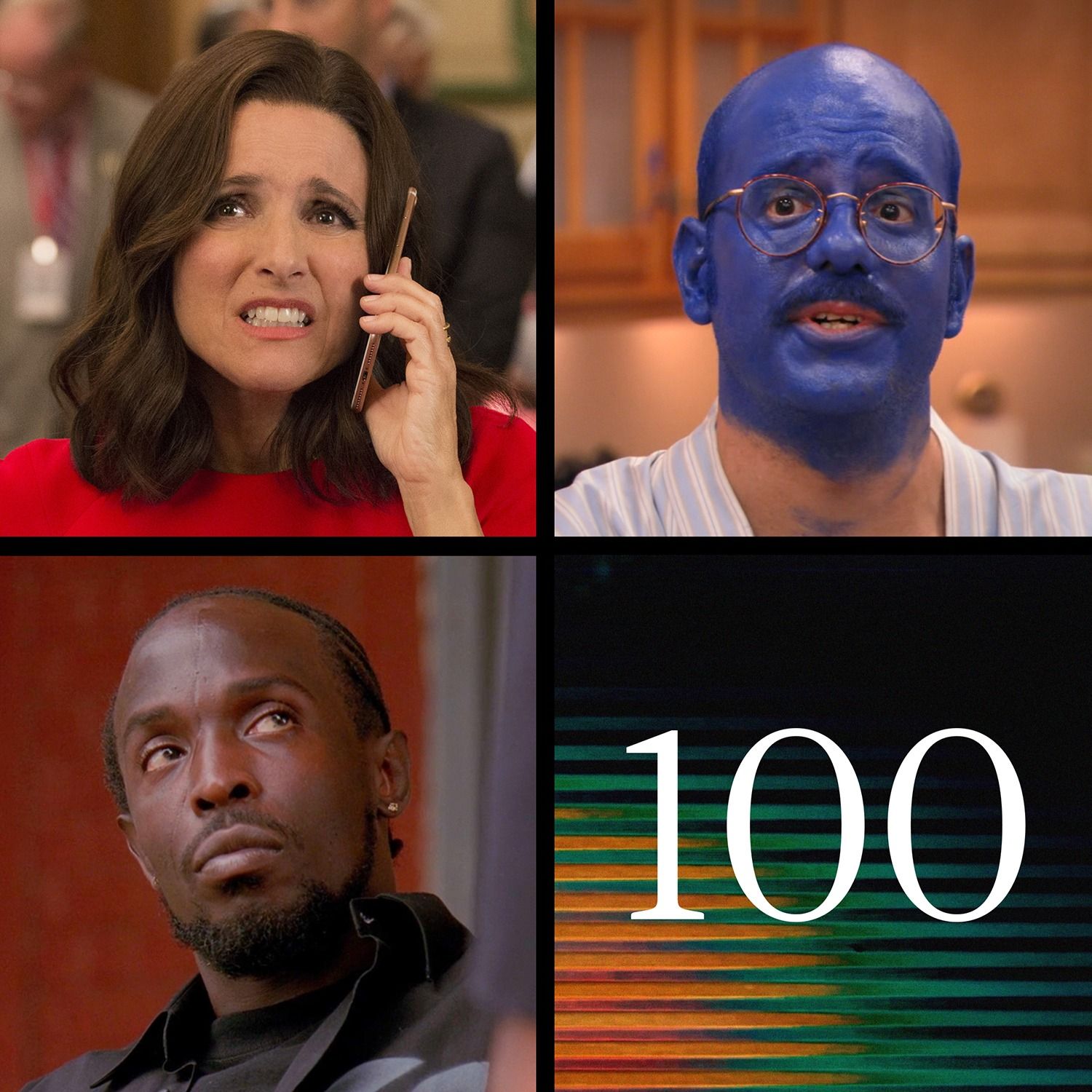
The Best TV Shows of the 21st Century
27 sept 202657 min<p>The turn of the century was the beginning of a new era in television: prestige TV for the masses. Today, television is where big stars and innovative creators go to marshal sizable budgets and tell meaningful stories.</p><p>Over recent months, our colleagues at The New York Times ran a survey, asking industry insiders — on-screen talent, writers, directors, producers, executives and others — to pick their top 10 television series of the last 26 years. We compiled their responses into a list, published this week, of the best TV of the 21st century.</p><p>In this episode of “The Sunday Daily,” The Times’s canon editor, Gilbert Cruz, and our chief TV critic, James Poniewozik, talk with our host Natalie Kitroeff about what made the list, and what didn’t.</p><p> </p><p><strong>On Today’s Episode</strong></p><p><a href="https://www.nytimes.com/by/james-poniewozik" target="_blank" rel="noopener noreferrer"><strong>James Poniewozik</strong></a><strong> </strong>is The New York Times’s chief TV critic.</p><p><a href="https://www.nytimes.com/by/gilbert-cruz" target="_blank" rel="noopener noreferrer"><strong>Gilbert Cruz</strong></a><strong> </strong>is the canon editor at The New York Times.</p><p> </p><p><strong>Background Reading</strong></p><ul><li><a href="https://www.nytimes.com/interactive/2026/arts/television/best-tv-shows-21st-century.html" target="_blank" rel="noopener noreferrer">The 100 Best TV Shows of the 21st Century</a></li><li><a href="https://www.nytimes.com/interactive/2026/arts/television/reader-ballot-tv-shows-21st-century.html" target="_blank" rel="noopener noreferrer">The 100 Best TV Shows of the 21st Century: Cast Your Vote</a></li><li><a href="https://www.nytimes.com/interactive/2026/arts/television/votes-tv-shows-21st-century.html" target="_blank" rel="noopener noreferrer">The 100 Best TV Shows of the 21st Century: How Stars, Creators and Other TV Lovers Voted</a></li></ul><p> </p><p>Photo: The New York Times</p> <p><p>For more information on today’s episode, visit <a href="http://nytimes.com/thedaily?smid=pc-thedaily"><strong>nytimes.com/thedaily</strong></a>. Transcripts of each episode will be made available by the next workday. </p><p> </p><p>Subscribe today at <a href="http://nytimes.com/podcasts">nytimes.com/podcasts</a> or on Apple Podcasts, Spotify and Amazon Music. You can also subscribe via your favorite podcast app here <a href="https://www.nytimes.com/activate-access/audio?source=podcatcher">https://www.nytimes.com/activate-access/audio?source=podcatcher</a>. For more podcasts and narrated articles, download The New York Times app at nytimes.com/app.</p></p><br/> <p>Hosted by Simplecast, an AdsWizz company. See <a href="https://pcm.adswizz.com">pcm.adswizz.com</a> for information about our collection and use of personal data for advertising.</p>

Sylvester Stallone Hid His Struggles for Decades. Now He’s Coming Clean.
26 sept 20261h 17m<p>The legendary actor on his disturbing childhood, his Hollywood missteps and the pain he caused to his loved ones, his body and himself.</p><ul><li>Thoughts? Email us at <strong>theinterview@nytimes.com</strong></li><li>Watch our show on YouTube: <a href="https://www.youtube.com/@theinterviewpodcast" rel="noopener noreferrer"><strong>youtube.com/@TheInterviewPodcast</strong></a></li><li>For transcripts and more, visit: <a href="https://www.nytimes.com/column/the-interview" rel="noopener noreferrer"><strong>nytimes.com/theinterview</strong></a></li></ul> <p><p>For more information on today’s episode, visit <a href="http://nytimes.com/thedaily?smid=pc-thedaily"><strong>nytimes.com/thedaily</strong></a>. Transcripts of each episode will be made available by the next workday. </p><p> </p><p>Subscribe today at <a href="http://nytimes.com/podcasts">nytimes.com/podcasts</a> or on Apple Podcasts, Spotify and Amazon Music. You can also subscribe via your favorite podcast app here <a href="https://www.nytimes.com/activate-access/audio?source=podcatcher">https://www.nytimes.com/activate-access/audio?source=podcatcher</a>. For more podcasts and narrated articles, download The New York Times app at nytimes.com/app.</p></p><br/> <p>Hosted by Simplecast, an AdsWizz company. See <a href="https://pcm.adswizz.com">pcm.adswizz.com</a> for information about our collection and use of personal data for advertising.</p>
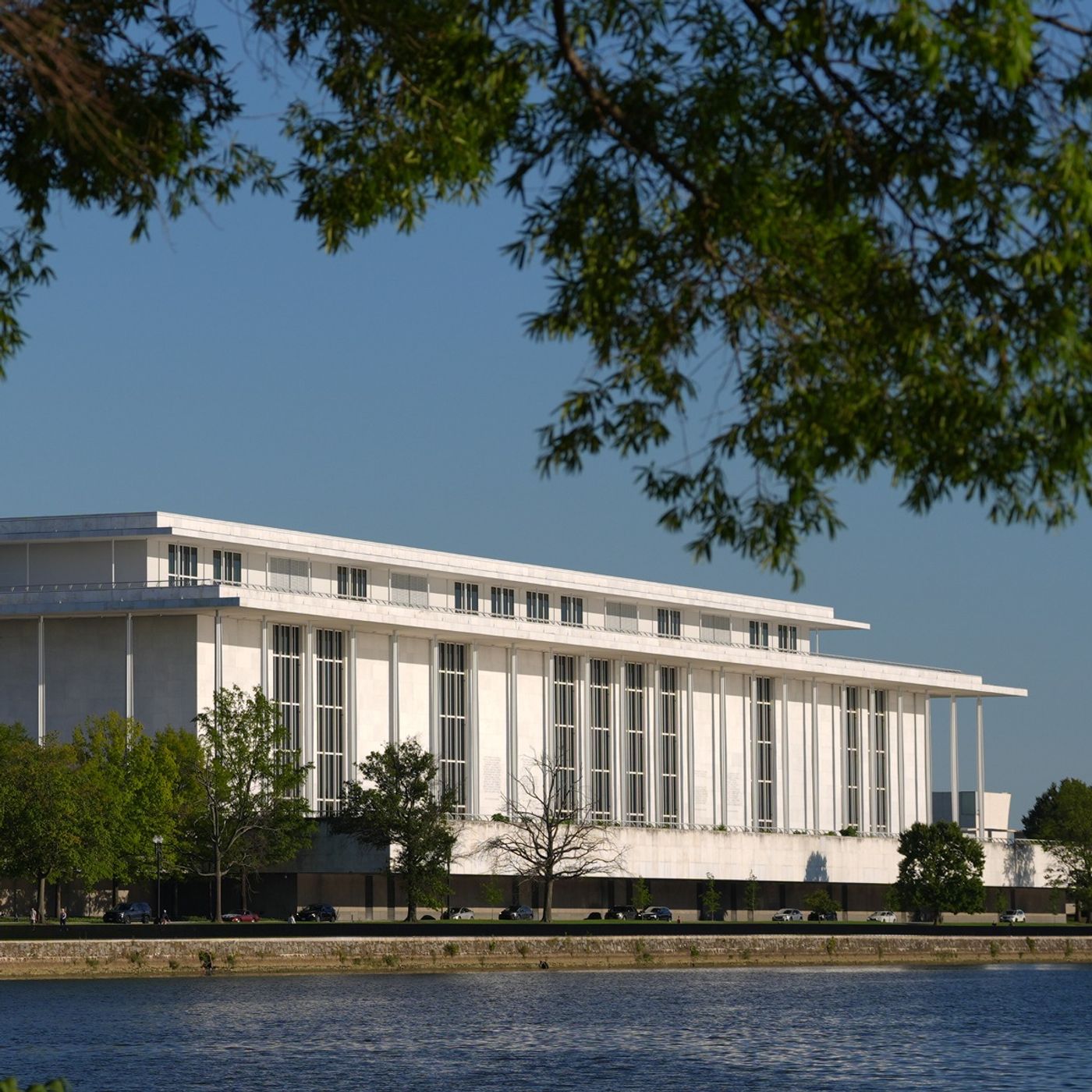
The Life and, for Now, the Death of the Kennedy Center
25 sept 202631 min<p>For 50 years, the Kennedy Center was a sprawling public home for opera, theater, jazz and free programs. Last week, it closed its doors for the time being.</p><p>Elizabeth Williamson traces how President Trump decided to take over and now shut down Washington’s biggest and most celebrated home for the arts.</p><p>Guest: <strong>Elizabeth Williamson</strong>, a feature writer for The New York Times.</p><p>Background reading: </p><ul><li>Internal emails and documents demonstrate how President Trump <a href="https://www.nytimes.com/2026/09/20/us/politics/trump-kennedy-center.html" target="_blank" rel="noopener noreferrer">broke the Kennedy Center.</a></li><li>The center <a href="https://www.nytimes.com/2026/09/01/arts/design/kennedy-center-sculpture-removal-blue.html" target="_blank" rel="noopener noreferrer">removed a sculpture called “Blue”</a> that had been a gift from the artist.</li></ul><p>Photo: Salwan Georges for The New York Times</p> <p><p>For more information on today’s episode, visit <a href="http://nytimes.com/thedaily?smid=pc-thedaily"><strong>nytimes.com/thedaily</strong></a>. Transcripts of each episode will be made available by the next workday. </p><p> </p><p>Subscribe today at <a href="http://nytimes.com/podcasts">nytimes.com/podcasts</a> or on Apple Podcasts, Spotify and Amazon Music. You can also subscribe via your favorite podcast app here <a href="https://www.nytimes.com/activate-access/audio?source=podcatcher">https://www.nytimes.com/activate-access/audio?source=podcatcher</a>. For more podcasts and narrated articles, download The New York Times app at nytimes.com/app.</p></p><br/> <p>Hosted by Simplecast, an AdsWizz company. See <a href="https://pcm.adswizz.com">pcm.adswizz.com</a> for information about our collection and use of personal data for advertising.</p>

What Safeguarding Nukes Can Teach Us About Safeguarding A.I.
24 sept 202637 min<p>Last night, President Trump welcomed Xi Jinping, China’s top leader, in a lavish ceremony as he arrived for two days of closely watched negotiations.</p><p>Artificial intelligence — and what, if any, role the countries should play in regulating it as concerns mount about its risks — is expected to be on the agenda.</p><p>David E. Sanger, a White House correspondent for The New York Times, explains how nuclear nonproliferation could be a model for how to protect humanity from technological catastrophe.</p><p>Guest: <strong>David E. Sanger</strong>, the White House and national security correspondent for The New York Times.</p><p>Background reading: </p><ul><li><a href="https://www.nytimes.com/live/2026/09/23/us/trump-xi" target="_blank" rel="noopener noreferrer">Mr. Trump greeted Mr. Xi</a> for a state visit amid tensions.</li><li>Video: <a href="https://www.nytimes.com/video/us/100000011159994/trump-and-xi-face-the-ai-race.html" target="_blank" rel="noopener noreferrer">Mr. Trump and Mr. Xi face the A.I. race</a>.</li><li>Analysis: <a href="https://www.nytimes.com/2026/09/13/us/politics/ai-catastrophe-fears-washington.html" target="_blank" rel="noopener noreferrer">As fears of A.I. catastrophe magnify,</a> Washington stirs, but mostly slumbers.</li></ul><p>Photo: Haiyun Jiang/The New York Times</p> <p><p>For more information on today’s episode, visit <a href="http://nytimes.com/thedaily?smid=pc-thedaily"><strong>nytimes.com/thedaily</strong></a>. Transcripts of each episode will be made available by the next workday. </p><p> </p><p>Subscribe today at <a href="http://nytimes.com/podcasts">nytimes.com/podcasts</a> or on Apple Podcasts, Spotify and Amazon Music. You can also subscribe via your favorite podcast app here <a href="https://www.nytimes.com/activate-access/audio?source=podcatcher">https://www.nytimes.com/activate-access/audio?source=podcatcher</a>. For more podcasts and narrated articles, download The New York Times app at nytimes.com/app.</p></p><br/> <p>Hosted by Simplecast, an AdsWizz company. See <a href="https://pcm.adswizz.com">pcm.adswizz.com</a> for information about our collection and use of personal data for advertising.</p>
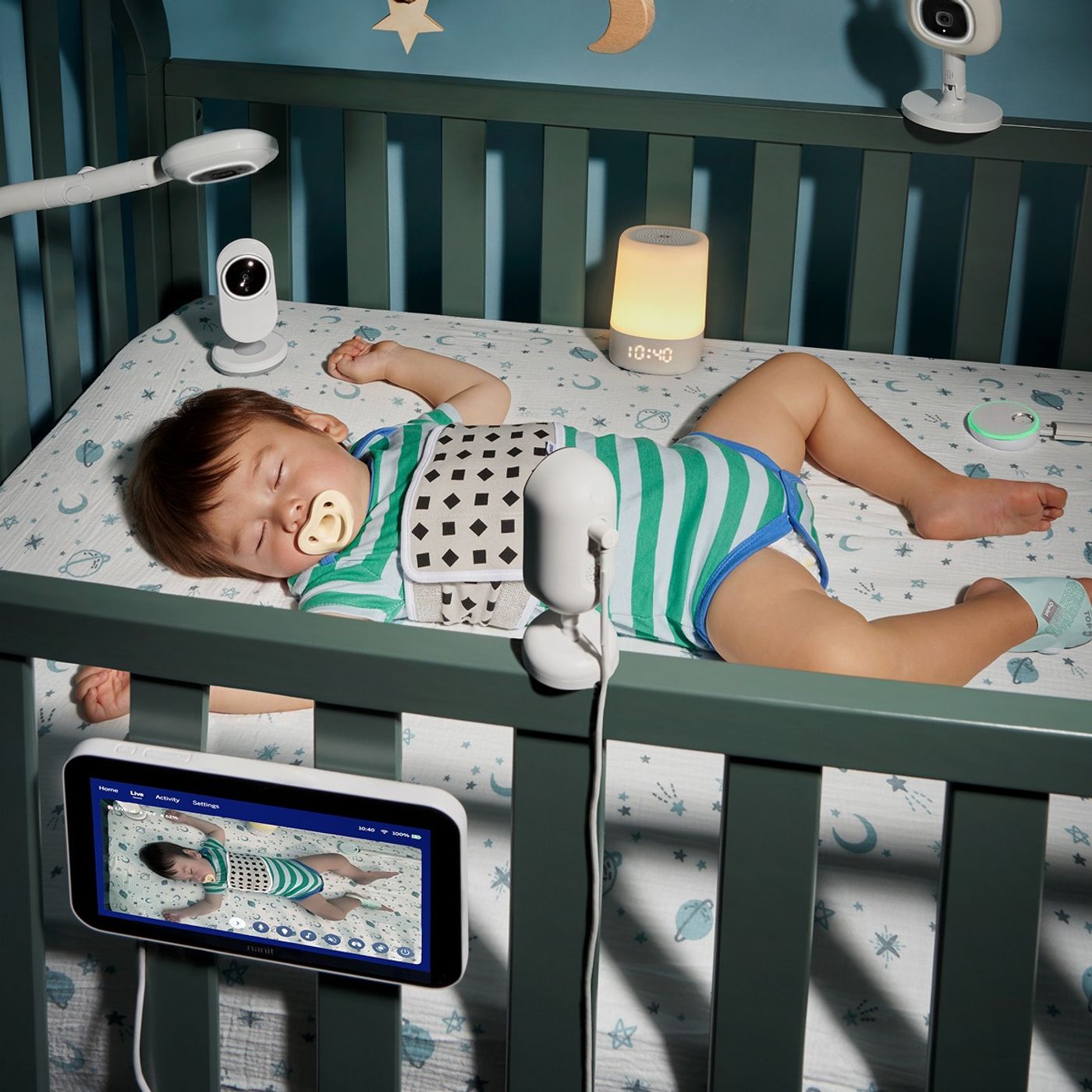
Health Trackers Are Everywhere. Do Babies Need Them, Too?
23 sept 202634 min<p>More and more people are wearing technology in the form of fitness bands and smart rings. These devices track metrics such as heart rate, skin temperature and sleep. The latest frontier is health tech for babies — and it’s being supercharged by artificial intelligence.</p><p>Sapna Maheshwari shares her family’s experience with health tracking and discusses whether it’s helping people or just adding to their anxieties.</p><p>Guest: <strong>Sa</strong><a href="https://www.nytimes.com/by/sapna-maheshwari" target="_blank" rel="noopener noreferrer"><strong>pna Maheshwari</strong></a>, a reporter covering new media companies for The New York Times.</p><p>Background reading: </p><ul><li><a href="https://www.nytimes.com/2026/08/02/business/smart-baby-monitors-nanit-owlet.html" target="_blank" rel="noopener noreferrer">Aw, it’s baby’s first A.I. surveillance system</a>.</li><li>Will A.I. kill us? Can it hack my bank account? <a href="https://www.nytimes.com/2026/09/18/science/ai-safety-questions-risk-danger.html" target="_blank" rel="noopener noreferrer">Your A.I. questions answered.</a></li></ul><p>Photo: Margeaux Walter for The New York Times</p> <p><p>For more information on today’s episode, visit <a href="http://nytimes.com/thedaily?smid=pc-thedaily"><strong>nytimes.com/thedaily</strong></a>. Transcripts of each episode will be made available by the next workday. </p><p> </p><p>Subscribe today at <a href="http://nytimes.com/podcasts">nytimes.com/podcasts</a> or on Apple Podcasts, Spotify and Amazon Music. You can also subscribe via your favorite podcast app here <a href="https://www.nytimes.com/activate-access/audio?source=podcatcher">https://www.nytimes.com/activate-access/audio?source=podcatcher</a>. For more podcasts and narrated articles, download The New York Times app at nytimes.com/app.</p></p><br/> <p>Hosted by Simplecast, an AdsWizz company. See <a href="https://pcm.adswizz.com">pcm.adswizz.com</a> for information about our collection and use of personal data for advertising.</p>

Trump Banned the Media. This Time, the Media Struck Back.
22 sept 202628 min<p>For every day of Donald J. Trump’s presidency, there has been a camera from a major television network pointed at him. But on Monday, that all changed.</p><p>Zolan Kanno-Youngs and Michael M. Grynbaum discuss the face-off between the president and the press. </p><p>Guest:</p><ul><li><a href="https://www.nytimes.com/by/zolan-kanno-youngs" target="_blank" rel="noopener noreferrer"><strong>Zolan Kanno-Youngs</strong></a>, a White House correspondent for The New York Times</li><li><a href="https://www.nytimes.com/by/michael-m-grynbaum" target="_blank" rel="noopener noreferrer"><strong>Michael M. Grynbaum</strong></a>, a media correspondent for The New York Times.</li></ul><p>Background reading: </p><ul><li><a href="https://www.nytimes.com/2026/09/19/business/media/trump-white-house-press-ban.html" target="_blank" rel="noopener noreferrer">CNN, MS NOW and Politico were barred from the White House</a> after President Trump’s ban.</li><li><a href="https://www.nytimes.com/2026/09/21/business/media/cnn-trump-press-pool-ban.html" target="_blank" rel="noopener noreferrer">Networks suspended pool coverage of the president</a> after the White House barred CNN.</li></ul><p>Photo: Andrew Leyden for The New York Times</p> <p><p>For more information on today’s episode, visit <a href="http://nytimes.com/thedaily?smid=pc-thedaily"><strong>nytimes.com/thedaily</strong></a>. Transcripts of each episode will be made available by the next workday. </p><p> </p><p>Subscribe today at <a href="http://nytimes.com/podcasts">nytimes.com/podcasts</a> or on Apple Podcasts, Spotify and Amazon Music. You can also subscribe via your favorite podcast app here <a href="https://www.nytimes.com/activate-access/audio?source=podcatcher">https://www.nytimes.com/activate-access/audio?source=podcatcher</a>. For more podcasts and narrated articles, download The New York Times app at nytimes.com/app.</p></p><br/> <p>Hosted by Simplecast, an AdsWizz company. See <a href="https://pcm.adswizz.com">pcm.adswizz.com</a> for information about our collection and use of personal data for advertising.</p>

The Trump Administration Defangs the Endangered Species Act
21 sept 202624 min<p>In its second term, the Trump administration has increased its efforts to undo environmental regulations. Last week, it became clear that the Endangered Species Act, one of America’s bedrock environmental laws, would be losing some of its most important protections.</p><p>Catrin Einhorn, who covers biodiversity, explains what is changing and what impact that could have on the country’s most vulnerable animals and ecosystems. </p><p>Guest: <a href="https://www.nytimes.com/by/catrin-einhorn" target="_blank" rel="noopener noreferrer"><strong>Catrin Einhorn</strong></a>, a reporter covering biodiversity, climate and the environment for The New York Times.</p><p>Background reading: </p><ul><li>The Trump administration <a href="https://www.nytimes.com/2026/09/16/climate/endangered-species-act-change.html" target="_blank" rel="noopener noreferrer">moved to gut a core protection of the Endangered Species Act</a> last week.</li></ul><p>Photo: Tom Gallagher/Associated Press</p><p>For more information on today’s episode, visit <a href="http://nytimes.com/thedaily?smid=pc-thedaily" rel="noopener noreferrer"><strong>nytimes.com/thedaily</strong></a>. Transcripts of each episode will be made available by the next workday. </p> <p><p>For more information on today’s episode, visit <a href="http://nytimes.com/thedaily?smid=pc-thedaily"><strong>nytimes.com/thedaily</strong></a>. Transcripts of each episode will be made available by the next workday. </p><p> </p><p>Subscribe today at <a href="http://nytimes.com/podcasts">nytimes.com/podcasts</a> or on Apple Podcasts, Spotify and Amazon Music. You can also subscribe via your favorite podcast app here <a href="https://www.nytimes.com/activate-access/audio?source=podcatcher">https://www.nytimes.com/activate-access/audio?source=podcatcher</a>. For more podcasts and narrated articles, download The New York Times app at nytimes.com/app.</p></p><br/> <p>Hosted by Simplecast, an AdsWizz company. See <a href="https://pcm.adswizz.com">pcm.adswizz.com</a> for information about our collection and use of personal data for advertising.</p>
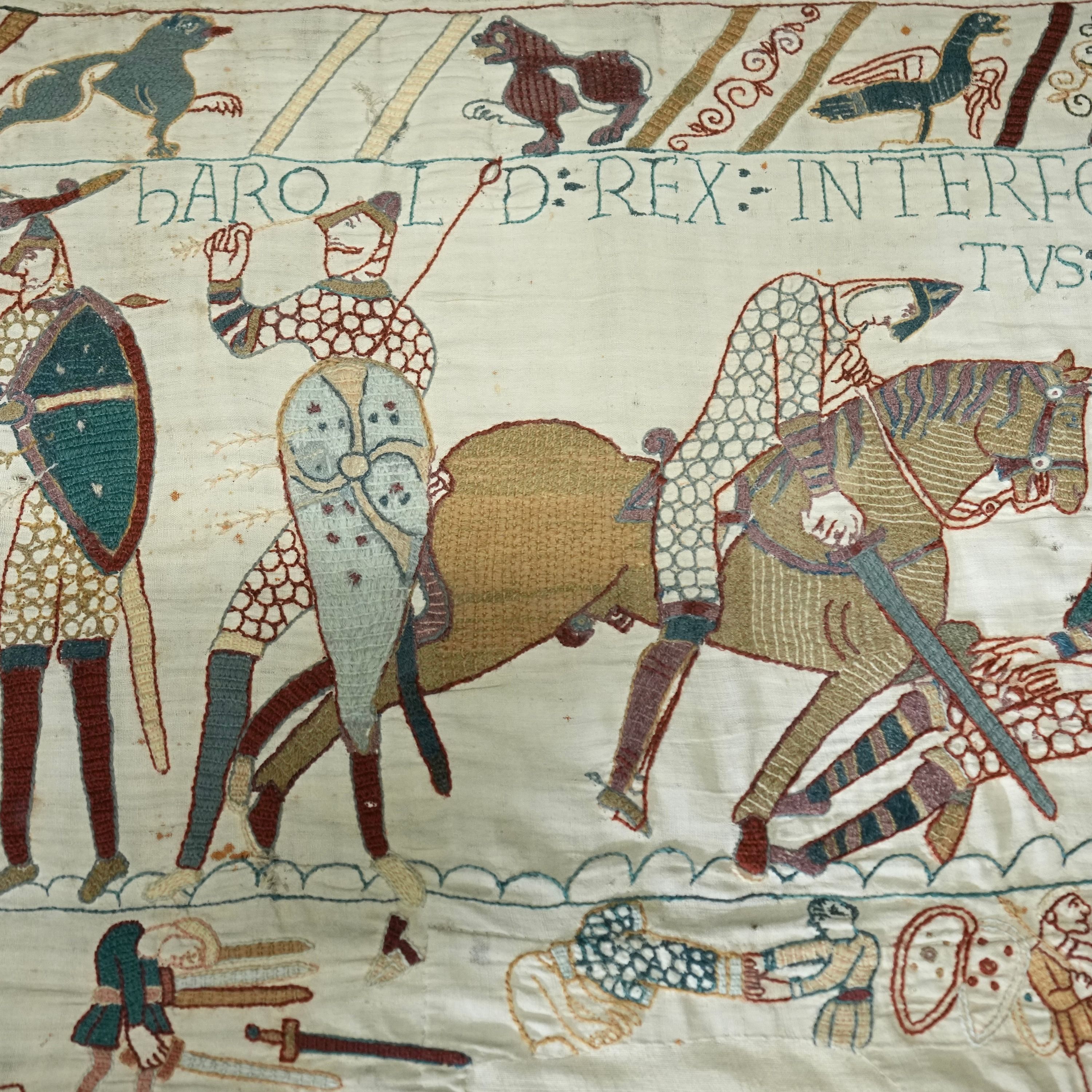
How a 1,000-Year-Old Tapestry Took London by Storm
20 sept 202635 min<p>For the first time in centuries, the Bayeux Tapestry — a nearly 1,000-year-old piece of embroidery that depicts the invasion of England by William the Conqueror in 1066 — is on display in Britain.</p><p>It was long said by art experts to be too fragile to move. But in a development that required geopolitical persuasion, this summer the tapestry made its way from Bayeux, France, to the British Museum in London.</p><p>When the first block of tickets went on sale, the British Museum said, over 80,000 people at a time waited online to buy them.</p><p>In this episode of the “Sunday Daily,” Alex Marshall, a culture reporter for The New York Times, talks with host Michael Barbaro about why this ancient piece of embroidery matters so much to the British public.</p><p><strong>On Today’s Episode:</strong></p><p><a href="https://www.nytimes.com/by/alex-marshall" target="_blank" rel="noopener noreferrer"><strong>Alex Marshall</strong></a> is a European culture reporter for The New York Times, based in London.</p><p><strong>Background Reading:</strong></p><ul><li><a href="https://www.nytimes.com/2026/09/10/arts/design/bayeux-tapestry-replicas.html" target="_blank" rel="noopener noreferrer">How to See a Bayeux Tapestry — Without Going to the British Museum</a></li><li><a href="https://www.nytimes.com/2026/09/10/arts/design/bayeux-tapestry-british-museum-opening.html" target="_blank" rel="noopener noreferrer">A Nation Gripped by ‘Bayeux Fever’ Finally Gets to See the Tapestry</a></li></ul><p>Photo credit: Kin Cheung for Associated Press.</p> <p><p>For more information on today’s episode, visit <a href="http://nytimes.com/thedaily?smid=pc-thedaily"><strong>nytimes.com/thedaily</strong></a>. Transcripts of each episode will be made available by the next workday. </p><p> </p><p>Subscribe today at <a href="http://nytimes.com/podcasts">nytimes.com/podcasts</a> or on Apple Podcasts, Spotify and Amazon Music. You can also subscribe via your favorite podcast app here <a href="https://www.nytimes.com/activate-access/audio?source=podcatcher">https://www.nytimes.com/activate-access/audio?source=podcatcher</a>. For more podcasts and narrated articles, download The New York Times app at nytimes.com/app.</p></p><br/> <p>Hosted by Simplecast, an AdsWizz company. See <a href="https://pcm.adswizz.com">pcm.adswizz.com</a> for information about our collection and use of personal data for advertising.</p>

Aaron Sorkin Goes Off Script
19 sept 20261h 1m<p>The Oscar-winning writer returns to Facebook with “The Social Reckoning”— and surprises us with the revelation of why he is so drawn to uplift and romance. </p><ul><li>Thoughts? Email us at <strong>theinterview@nytimes.com</strong></li><li>Watch our show on YouTube: <a href="https://www.youtube.com/@theinterviewpodcast" rel="noopener noreferrer"><strong>youtube.com/@TheInterviewPodcast</strong></a></li><li>For transcripts and more, visit: <a href="https://www.nytimes.com/column/the-interview" rel="noopener noreferrer"><strong>nytimes.com/theinterview</strong></a></li></ul> <p><p>For more information on today’s episode, visit <a href="http://nytimes.com/thedaily?smid=pc-thedaily"><strong>nytimes.com/thedaily</strong></a>. Transcripts of each episode will be made available by the next workday. </p><p> </p><p>Subscribe today at <a href="http://nytimes.com/podcasts">nytimes.com/podcasts</a> or on Apple Podcasts, Spotify and Amazon Music. You can also subscribe via your favorite podcast app here <a href="https://www.nytimes.com/activate-access/audio?source=podcatcher">https://www.nytimes.com/activate-access/audio?source=podcatcher</a>. For more podcasts and narrated articles, download The New York Times app at nytimes.com/app.</p></p><br/> <p>Hosted by Simplecast, an AdsWizz company. See <a href="https://pcm.adswizz.com">pcm.adswizz.com</a> for information about our collection and use of personal data for advertising.</p>

The Techno-Religion at the Center of the A.I. Debate
18 sept 202634 min<p>Last week, a group of tech leaders called for putting guardrails on artificial intelligence. This week, these calls have been met by backlash from tech executives, lawmakers and President Trump, who liken those ringing the alarm to a doomsday cult.</p><p>Cade Metz, a technology reporter for The New York Times, explains where this criticism comes from and why it matters.</p><p>Guest: <strong>Cade Metz</strong>, a technology reporter for The New York Times.</p><p>Background reading: </p><ul><li><a href="https://www.nytimes.com/2026/09/10/science/ai-humanity-risk.html" target="_blank" rel="noopener noreferrer">A.I. could possibly end humanity</a>. How are humans supposed to process that?</li><li><a href="https://www.nytimes.com/2026/09/16/science/ai-recursive-self-improvement.html" target="_blank" rel="noopener noreferrer">“Recursive self-improvement” is an idea</a> that terrifies A.I. doomsayers.</li><li><a href="https://www.nytimes.com/2026/09/12/technology/anthropic-dario-amodei-ai-slowdown.html" target="_blank" rel="noopener noreferrer">Top A.I. leaders called</a> for slowing down A.I. development last week.</li></ul><p>Photo: Mikala Compton/The Austin American-Statesman via Getty Images</p> <p><p>For more information on today’s episode, visit <a href="http://nytimes.com/thedaily?smid=pc-thedaily"><strong>nytimes.com/thedaily</strong></a>. Transcripts of each episode will be made available by the next workday. </p><p> </p><p>Subscribe today at <a href="http://nytimes.com/podcasts">nytimes.com/podcasts</a> or on Apple Podcasts, Spotify and Amazon Music. You can also subscribe via your favorite podcast app here <a href="https://www.nytimes.com/activate-access/audio?source=podcatcher">https://www.nytimes.com/activate-access/audio?source=podcatcher</a>. For more podcasts and narrated articles, download The New York Times app at nytimes.com/app.</p></p><br/> <p>Hosted by Simplecast, an AdsWizz company. See <a href="https://pcm.adswizz.com">pcm.adswizz.com</a> for information about our collection and use of personal data for advertising.</p>

Why Gas Prices Just Keep Going Up
17 sept 202624 min<p>About a month into the war with Iran, we spoke with Cameron Joudi, who owns a gas station in Florida, about how the conflict was reaching him at home. He recently reached out after seeing a 20-cent spike in gas prices in the span of just 24 hours.</p><p>Vivian Nereim, the Gulf bureau chief for The New York Times, tries to answer Mr. Joudi’s question: What’s driving rising oil prices?</p><p>Guest:</p><ul><li><strong>Cameron Joudi</strong>, the owner of a gas station in Florida.</li><li><a href="https://www.nytimes.com/by/vivian-nereim" target="_blank" rel="noopener noreferrer"><strong>Vivian Nereim</strong></a>, the Gulf bureau chief for The New York Times.</li></ul><p>Background reading: </p><ul><li><a href="https://www.nytimes.com/2026/03/27/podcasts/the-daily/iran-war-florida-gas-station-prices.html" target="_blank" rel="noopener noreferrer">Listen to the interview</a> with Mr. Joudi from March.</li><li><a href="https://www.nytimes.com/2026/09/14/business/energy-environment/trump-diesel-russia-ukraine-iran.html" target="_blank" rel="noopener noreferrer">What’s driving up diesel prices</a>? Energy chaos caused by two wars.</li><li><a href="https://www.nytimes.com/2026/09/15/world/middleeast/gulf-us-iran-uae-bahrain-saudi-arabia.html" target="_blank" rel="noopener noreferrer">Gulf Arab states explore new options</a> as U.S. bases fail to deter Iran.</li></ul><p>Photo: Ahmed Jadallah/Reuters</p><p>For more information on today’s episode, visit <a href="http://nytimes.com/thedaily?smid=pc-thedaily" rel="noopener noreferrer"><strong>nytimes.com/thedaily</strong></a>. Transcripts of each episode will be made available by the next workday. </p> <p><p>For more information on today’s episode, visit <a href="http://nytimes.com/thedaily?smid=pc-thedaily"><strong>nytimes.com/thedaily</strong></a>. Transcripts of each episode will be made available by the next workday. </p><p> </p><p>Subscribe today at <a href="http://nytimes.com/podcasts">nytimes.com/podcasts</a> or on Apple Podcasts, Spotify and Amazon Music. You can also subscribe via your favorite podcast app here <a href="https://www.nytimes.com/activate-access/audio?source=podcatcher">https://www.nytimes.com/activate-access/audio?source=podcatcher</a>. For more podcasts and narrated articles, download The New York Times app at nytimes.com/app.</p></p><br/> <p>Hosted by Simplecast, an AdsWizz company. See <a href="https://pcm.adswizz.com">pcm.adswizz.com</a> for information about our collection and use of personal data for advertising.</p>
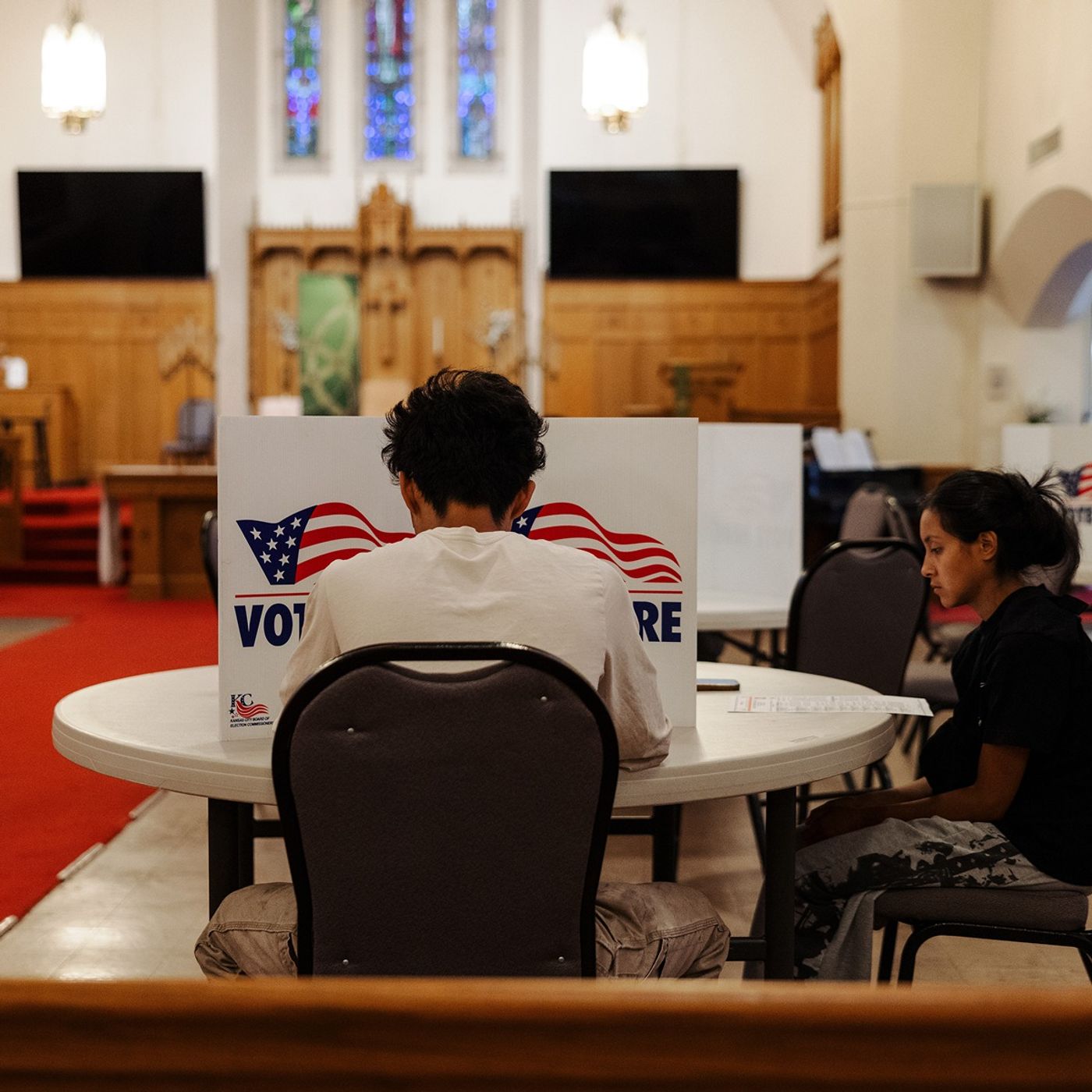
48 Days Until the Midterms: Is a Blue Wave Coming?
16 sept 202637 min<p>As the general midterm elections begin, we take a look at where things stand. A new Times/Siena poll suggests that Democrats have a real shot at winning control of both chambers of Congress. But serious obstacles stand in their way, including a financial disadvantage.</p><p>The New York Times journalists Shane Goldmacher, Maggie Haberman and Nate Cohn sit down to discuss whether the United States is likely to see a blue wave in November.</p><p>Guest:</p><ul><li><strong>Maggie Haberman</strong>, a White House correspondent for The New York Times.</li><li><strong>Shane Goldmacher</strong>, a national political correspondent for The New York Times.</li><li><a href="https://www.nytimes.com/by/nate-cohn" target="_blank" rel="noopener noreferrer"><strong>Nate Cohn</strong></a>, the chief political analyst for The New York Times.</li></ul><p>Background reading: </p><ul><li><a href="https://www.nytimes.com/2026/09/15/us/politics/trump-midterm-election-poll.html" target="_blank" rel="noopener noreferrer">A new poll from The New York Times</a> found that Democrats have an edge as President Trump drags down the Republican Party.</li><li>Trump’s ability to channel voter concerns was tested as <a href="https://www.nytimes.com/2026/09/08/us/politics/trump-republicans-midterms-voters.html" target="_blank" rel="noopener noreferrer">Republicans gathered in Dallas</a>.</li></ul><p>Photo: Chase Castor for The New York Times</p> <p><p>For more information on today’s episode, visit <a href="http://nytimes.com/thedaily?smid=pc-thedaily"><strong>nytimes.com/thedaily</strong></a>. Transcripts of each episode will be made available by the next workday. </p><p> </p><p>Subscribe today at <a href="http://nytimes.com/podcasts">nytimes.com/podcasts</a> or on Apple Podcasts, Spotify and Amazon Music. You can also subscribe via your favorite podcast app here <a href="https://www.nytimes.com/activate-access/audio?source=podcatcher">https://www.nytimes.com/activate-access/audio?source=podcatcher</a>. For more podcasts and narrated articles, download The New York Times app at nytimes.com/app.</p></p><br/> <p>Hosted by Simplecast, an AdsWizz company. See <a href="https://pcm.adswizz.com">pcm.adswizz.com</a> for information about our collection and use of personal data for advertising.</p>
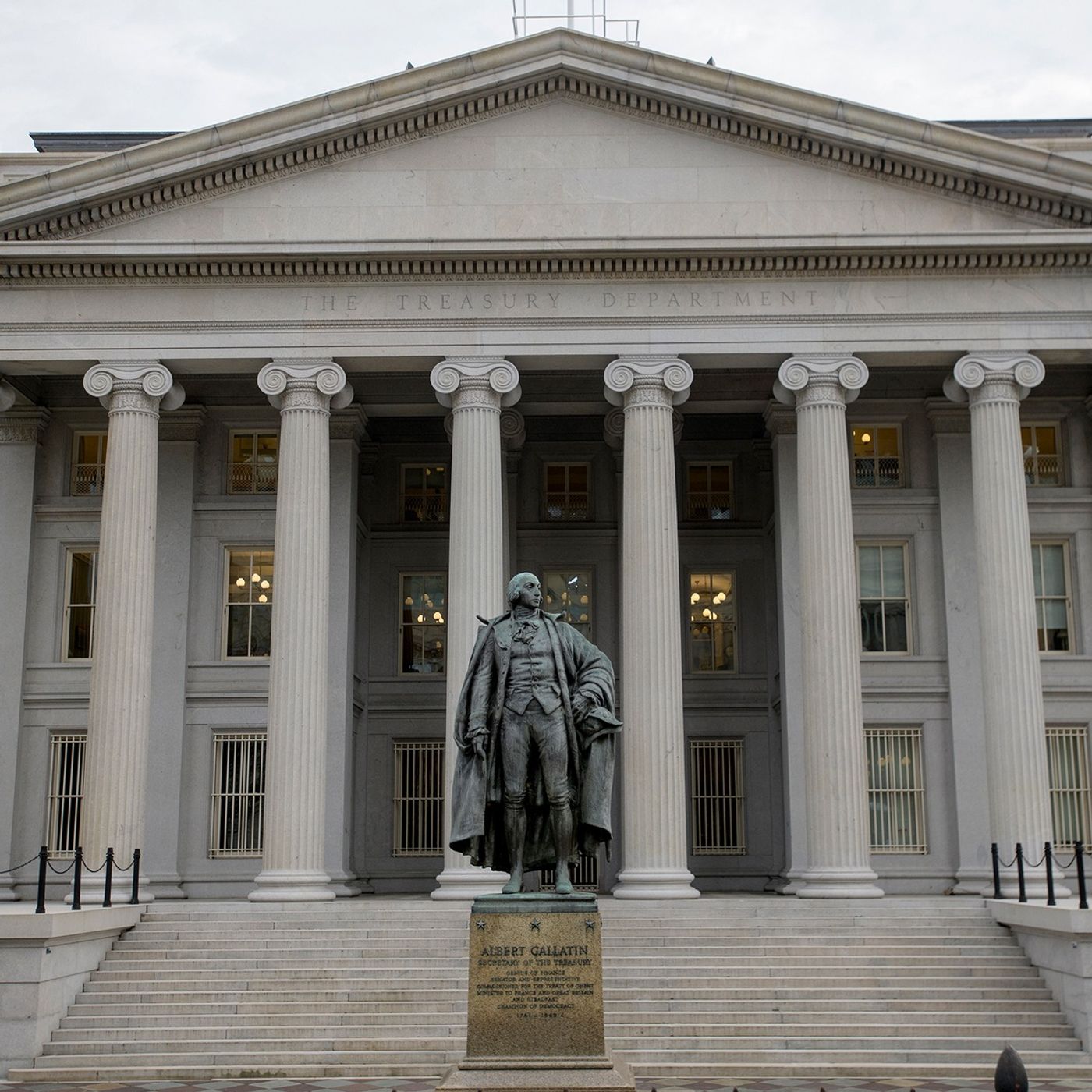
The Bond Market Is Flipping Out. Here’s Why You Should Care.
15 sept 202628 min<p>For the past few months, you’ve probably been hearing about the turbulence in the bond market.</p><p>Today, Ben Casselman, the chief economics correspondent for The New York Times, explains what has been happening, and why it matters.</p><p>Guest: <a href="https://www.nytimes.com/by/ben-casselman" target="_blank" rel="noopener noreferrer"><strong>Ben Casselman</strong></a>, the chief economics correspondent for The New York Times.</p><p>Background reading: </p><ul><li><a href="https://www.nytimes.com/2026/09/11/business/bond-market-interest-rates.html" target="_blank" rel="noopener noreferrer">How to make sense of mayhem in the bond market</a>.</li><li><a href="https://www.nytimes.com/2026/09/09/business/economy/treasury-repurchase-bessent.html" target="_blank" rel="noopener noreferrer">The bond market issued a swift rebuke last week</a> to the Trump administration’s latest attempt to lower borrowing costs.</li></ul><p>Photo: Rod Lamkey Jr. for The New York Times</p> <p><p>For more information on today’s episode, visit <a href="http://nytimes.com/thedaily?smid=pc-thedaily"><strong>nytimes.com/thedaily</strong></a>. Transcripts of each episode will be made available by the next workday. </p><p> </p><p>Subscribe today at <a href="http://nytimes.com/podcasts">nytimes.com/podcasts</a> or on Apple Podcasts and Spotify. You can also subscribe via your favorite podcast app here <a href="https://www.nytimes.com/activate-access/audio?source=podcatcher">https://www.nytimes.com/activate-access/audio?source=podcatcher</a>. For more podcasts and narrated articles, download The New York Times app at nytimes.com/app.</p></p><br/> <p>Hosted by Simplecast, an AdsWizz company. See <a href="https://pcm.adswizz.com">pcm.adswizz.com</a> for information about our collection and use of personal data for advertising.</p>
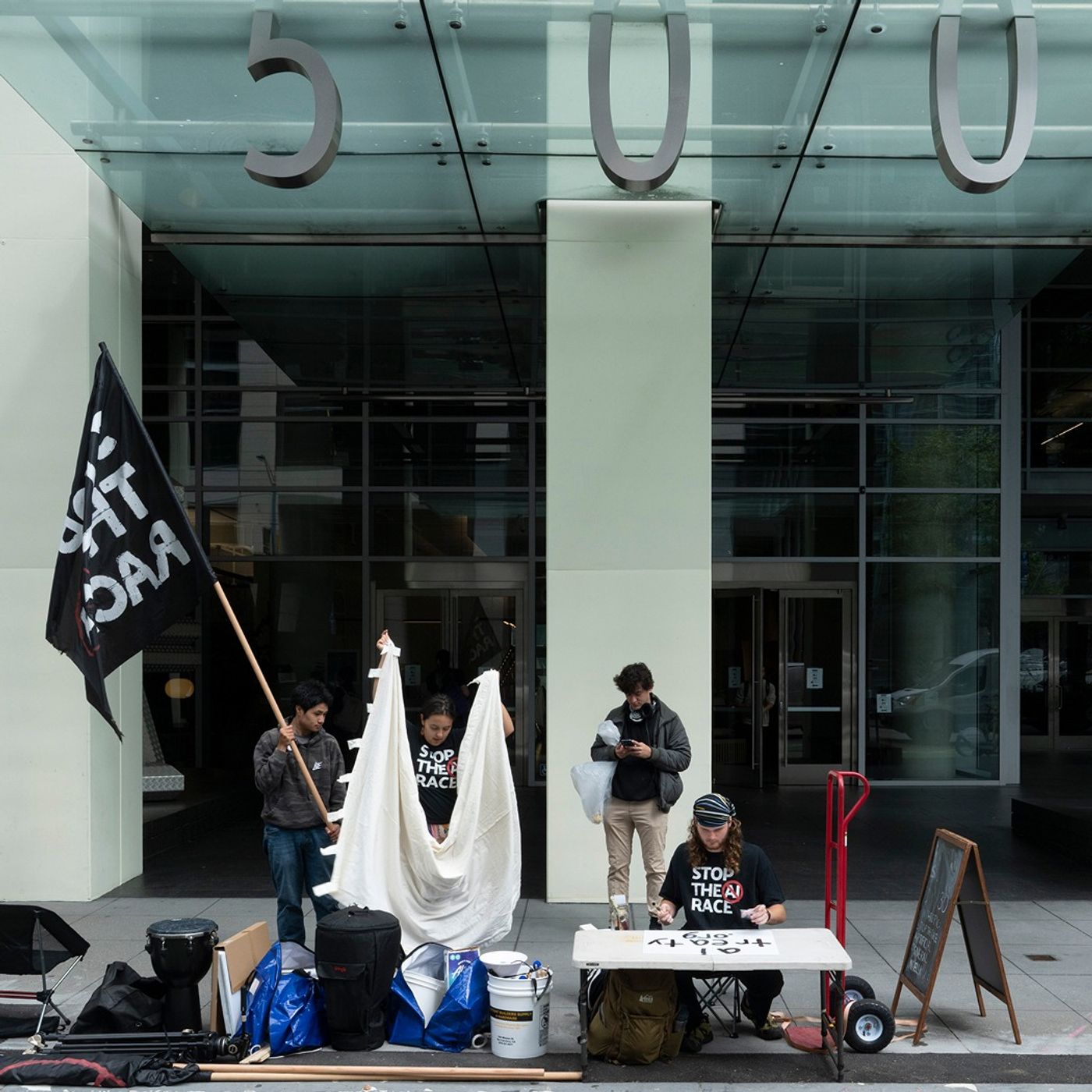
The A.I. Researcher Whose Rebellion Is Changing Everything
14 sept 202634 min<p>In recent days, Jacob Coxon, a researcher at the artificial intelligence company Anthropic, quit his job and posted warnings about the risks of the technology. That kicked off a crisis that culminated in a call by prominent leaders of the industry to slow down A.I. development.</p><p>He spoke to “The Daily” about this moment.</p><p>Guest: Jacob Coxon, a former researcher at Anthropic.</p><p>Background reading: </p><ul><li>Anthropic researchers <a href="https://www.nytimes.com/2026/09/09/technology/anthropic-researchers-raise-alarm.html" target="_blank" rel="noopener noreferrer">have raised alarms</a> over the acceleration of A.I.</li><li><a href="https://www.nytimes.com/2026/09/12/technology/doomsday-discussions-ai-companies.html" target="_blank" rel="noopener noreferrer">Inside the snowballing conversations at A.I. companies</a> about a doomsday.</li><li>Top A.I. leaders have called for <a href="https://www.nytimes.com/2026/09/12/technology/anthropic-dario-amodei-ai-slowdown.html" target="_blank" rel="noopener noreferrer">slowing down A.I. development</a>.</li></ul><p>Photo: Lucas Foglia for The New York Times</p> <p><p>For more information on today’s episode, visit <a href="http://nytimes.com/thedaily?smid=pc-thedaily"><strong>nytimes.com/thedaily</strong></a>. Transcripts of each episode will be made available by the next workday. </p><p> </p><p>Subscribe today at <a href="http://nytimes.com/podcasts">nytimes.com/podcasts</a> or on Apple Podcasts and Spotify. You can also subscribe via your favorite podcast app here <a href="https://www.nytimes.com/activate-access/audio?source=podcatcher">https://www.nytimes.com/activate-access/audio?source=podcatcher</a>. For more podcasts and narrated articles, download The New York Times app at nytimes.com/app.</p></p><br/> <p>Hosted by Simplecast, an AdsWizz company. See <a href="https://pcm.adswizz.com">pcm.adswizz.com</a> for information about our collection and use of personal data for advertising.</p>
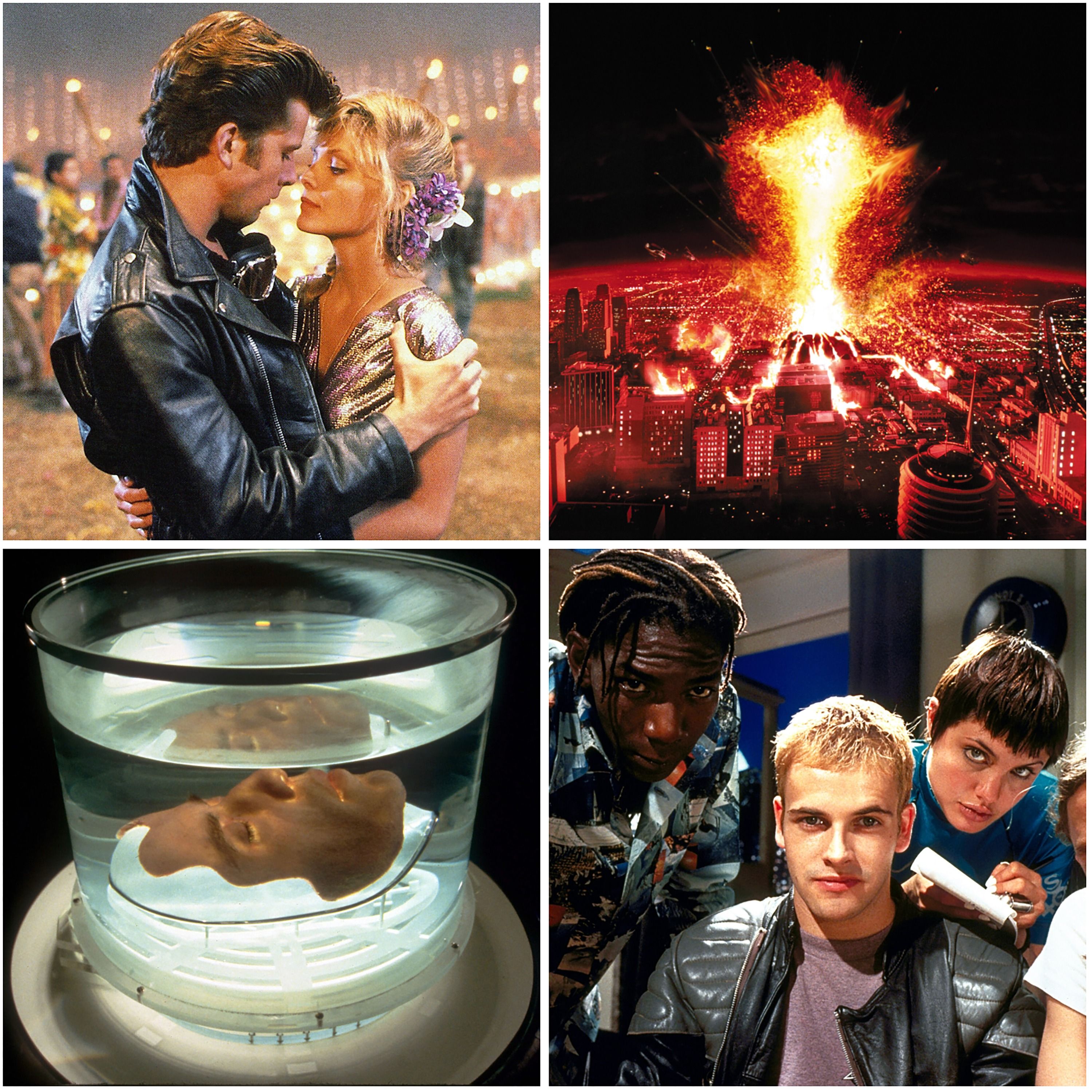
The Good, the Bad and the Good-Bad (Movie)
13 sept 202638 min<p>When it comes to movies we love, there are the artistic masterpieces and there are the foot-stomping crowd pleasers. But there’s another particular kind of beloved movie, the one that makes our friends groan, but that we rewatch incessantly; the one that we can quote line for line, even as we giggle at the actors’ performances; the one that we’d say is great, but that we might not say is good. These are the kinds of movies that Maya Salam, a pop culture writer at The New York Times, covers in her monthly column, <a href="https://www.nytimes.com/spotlight/the-good-bad" target="_blank" rel="noopener noreferrer">The Good-Bad</a>.</p><p>This episode is a celebration of good-bad movies, timed to the release of “Practical Magic 2,” the long-awaited sequel to the 1998 cult film that Salam called “a bubbling cauldron of plot holes and tones.” Our host Rachel Abrams talks to Salam about the joys of loving a movie despite (or because of) its flaws. Then, they’re joined by The Times’s canon editor, Gilbert Cruz, and Taffy Brodesser-Akner, a Times Magazine writer, to discuss the best of good-bad cinema.</p><p><strong>On Today’s Episode:</strong></p><p><a href="https://www.nytimes.com/by/maya-salam" target="_blank" rel="noopener noreferrer"><strong>Maya Salam</strong></a> covers pop culture for The New York Times.</p><p><a href="https://www.nytimes.com/by/gilbert-cruz" target="_blank" rel="noopener noreferrer"><strong>Gilbert Cruz</strong></a><strong> </strong>is the canon editor for The New York Times.</p><p><a href="https://www.nytimes.com/by/taffy-brodesser-akner" target="_blank" rel="noopener noreferrer"><strong>Taffy Brodesser-Akner</strong></a> is a features reporter for The New York Times Magazine.</p><p><strong>Background Reading:</strong></p><ul><li><a href="https://www.nytimes.com/spotlight/the-good-bad" target="_blank" rel="noopener noreferrer">The Good-Bad</a></li><li><a href="https://www.nytimes.com/2026/07/04/movies/good-bad-movies-nytimes.html" target="_blank" rel="noopener noreferrer">Why Loving Good-Bad Movies Feels All Good</a></li></ul> <p><p>For more information on today’s episode, visit <a href="http://nytimes.com/thedaily?smid=pc-thedaily"><strong>nytimes.com/thedaily</strong></a>. Transcripts of each episode will be made available by the next workday. </p><p> </p><p>Subscribe today at <a href="http://nytimes.com/podcasts">nytimes.com/podcasts</a> or on Apple Podcasts, Spotify and Amazon Music. You can also subscribe via your favorite podcast app here <a href="https://www.nytimes.com/activate-access/audio?source=podcatcher">https://www.nytimes.com/activate-access/audio?source=podcatcher</a>. For more podcasts and narrated articles, download The New York Times app at nytimes.com/app.</p></p><br/> <p>Hosted by Simplecast, an AdsWizz company. See <a href="https://pcm.adswizz.com">pcm.adswizz.com</a> for information about our collection and use of personal data for advertising.</p>

Naomi Klein and Astra Taylor Say the End of the World is Now on the Table
12 sept 202638 min<p>In a new book, the writers argue that a powerful coalition of “end times fascists” is just fine with the earth’s demise.</p><ul><li>Thoughts? Email us at <strong>theinterview@nytimes.com</strong></li><li>Watch our show on YouTube: <a href="https://www.youtube.com/@theinterviewpodcast" rel="noopener noreferrer"><strong>youtube.com/@TheInterviewPodcast</strong></a></li><li>For transcripts and more, visit: <a href="https://www.nytimes.com/column/the-interview" rel="noopener noreferrer"><strong>nytimes.com/theinterview</strong></a></li></ul> <p><p>For more information on today’s episode, visit <a href="http://nytimes.com/thedaily?smid=pc-thedaily"><strong>nytimes.com/thedaily</strong></a>. Transcripts of each episode will be made available by the next workday. </p><p> </p><p>Subscribe today at <a href="http://nytimes.com/podcasts">nytimes.com/podcasts</a> or on Apple Podcasts, Spotify and Amazon Music. You can also subscribe via your favorite podcast app here <a href="https://www.nytimes.com/activate-access/audio?source=podcatcher">https://www.nytimes.com/activate-access/audio?source=podcatcher</a>. For more podcasts and narrated articles, download The New York Times app at nytimes.com/app.</p></p><br/> <p>Hosted by Simplecast, an AdsWizz company. See <a href="https://pcm.adswizz.com">pcm.adswizz.com</a> for information about our collection and use of personal data for advertising.</p>

The Lives That 9/11 Keeps Taking
11 sept 202638 min<p>In New York City this morning, the families of those killed at the World Trade Center on Sept. 11, 2001, will gather for the 25th time to honor the dead one by one.</p><p>Among those at ground zero will be an array of city officials who assured the public that it was safe to return to Lower Manhattan just weeks after the attacks.</p><p>Today, Sally Goldenberg, a reporter who covers politics and government for The New York Times, and Dana Nelson, who attended school next to ground zero, reveal the 9/11 health crisis that has now claimed more lives than the terrorist attacks themselves.</p><p>Guest: <a href="https://www.nytimes.com/by/sally-goldenberg" target="_blank" rel="noopener noreferrer"><strong>Sally Goldenberg</strong></a>, a reporter covering New York City politics and government for The New York Times.</p><p>Background reading: </p><ul><li><a href="https://www.nytimes.com/2026/09/07/nyregion/sept-11-air-quality-cancer.html" target="_blank" rel="noopener noreferrer">Documents suggest that New Yorkers were misled about air quality</a> after 9/11.</li></ul><p>Photo: Chang W. Lee/The New York Times</p><p>For more information on today’s episode, visit <a href="http://nytimes.com/thedaily?smid=pc-thedaily" rel="noopener noreferrer">nytimes.com/thedaily</a>. Transcripts of each episode will be made available by the next workday. </p> <p><p>For more information on today’s episode, visit <a href="http://nytimes.com/thedaily?smid=pc-thedaily"><strong>nytimes.com/thedaily</strong></a>. Transcripts of each episode will be made available by the next workday. </p><p> </p><p>Subscribe today at <a href="http://nytimes.com/podcasts">nytimes.com/podcasts</a> or on Apple Podcasts and Spotify. You can also subscribe via your favorite podcast app here <a href="https://www.nytimes.com/activate-access/audio?source=podcatcher">https://www.nytimes.com/activate-access/audio?source=podcatcher</a>. For more podcasts and narrated articles, download The New York Times app at nytimes.com/app.</p></p><br/> <p>Hosted by Simplecast, an AdsWizz company. See <a href="https://pcm.adswizz.com">pcm.adswizz.com</a> for information about our collection and use of personal data for advertising.</p>
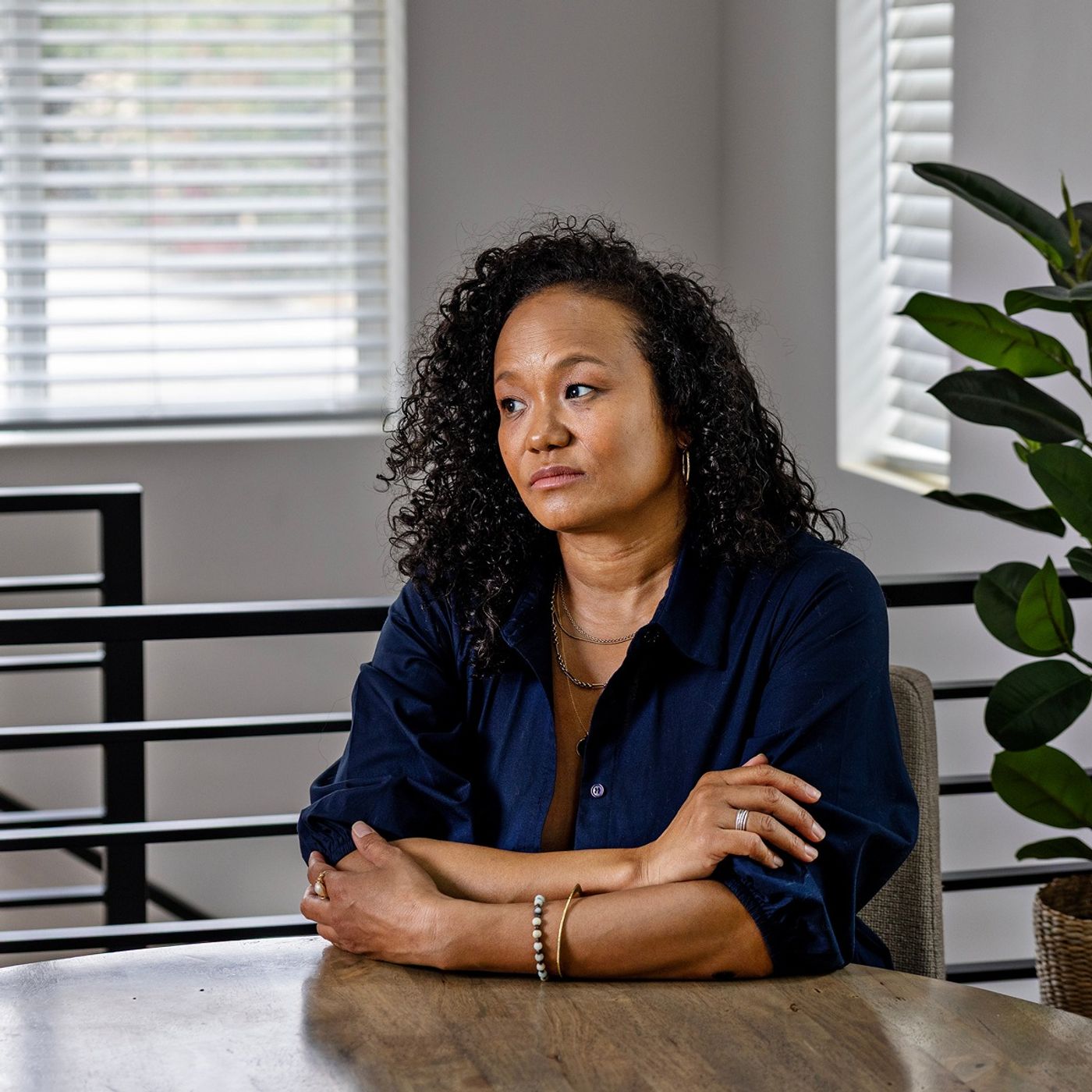
A Couple Breaks Up. Who Gets Custody of Their Embryos?
10 sept 202644 min<p>As more people in the United States use I.V.F. to have children, embryos are being stored in fertility clinics across the country. It raises the question: What should happen to those embryos if a couple breaks up?</p><p>Caroline Kitchener, who covers families for The New York Times, tells the story of Erin Millender, who took a custody battle over frozen embryos to court after her husband revoked his consent to use them.</p><p>Guest: <a href="https://www.nytimes.com/by/caroline-kitchener" target="_blank" rel="noopener noreferrer"><strong>Caroline Kitchener</strong></a>, a New York Times reporter, writing about the American family.</p><p>Background reading: </p><ul><li>They started I.V.F., and then split. <a href="https://www.nytimes.com/2026/05/24/us/ivf-embryos-custody.html" target="_blank" rel="noopener noreferrer">Now who gets custody of the embryos</a>?</li></ul><p>Photo: Kim Raff for The New York Times</p> <p><p>For more information on today’s episode, visit <a href="http://nytimes.com/thedaily?smid=pc-thedaily"><strong>nytimes.com/thedaily</strong></a>. Transcripts of each episode will be made available by the next workday. </p><p> </p><p>Subscribe today at <a href="http://nytimes.com/podcasts">nytimes.com/podcasts</a> or on Apple Podcasts and Spotify. You can also subscribe via your favorite podcast app here <a href="https://www.nytimes.com/activate-access/audio?source=podcatcher">https://www.nytimes.com/activate-access/audio?source=podcatcher</a>. For more podcasts and narrated articles, download The New York Times app at nytimes.com/app.</p></p><br/> <p>Hosted by Simplecast, an AdsWizz company. See <a href="https://pcm.adswizz.com">pcm.adswizz.com</a> for information about our collection and use of personal data for advertising.</p>
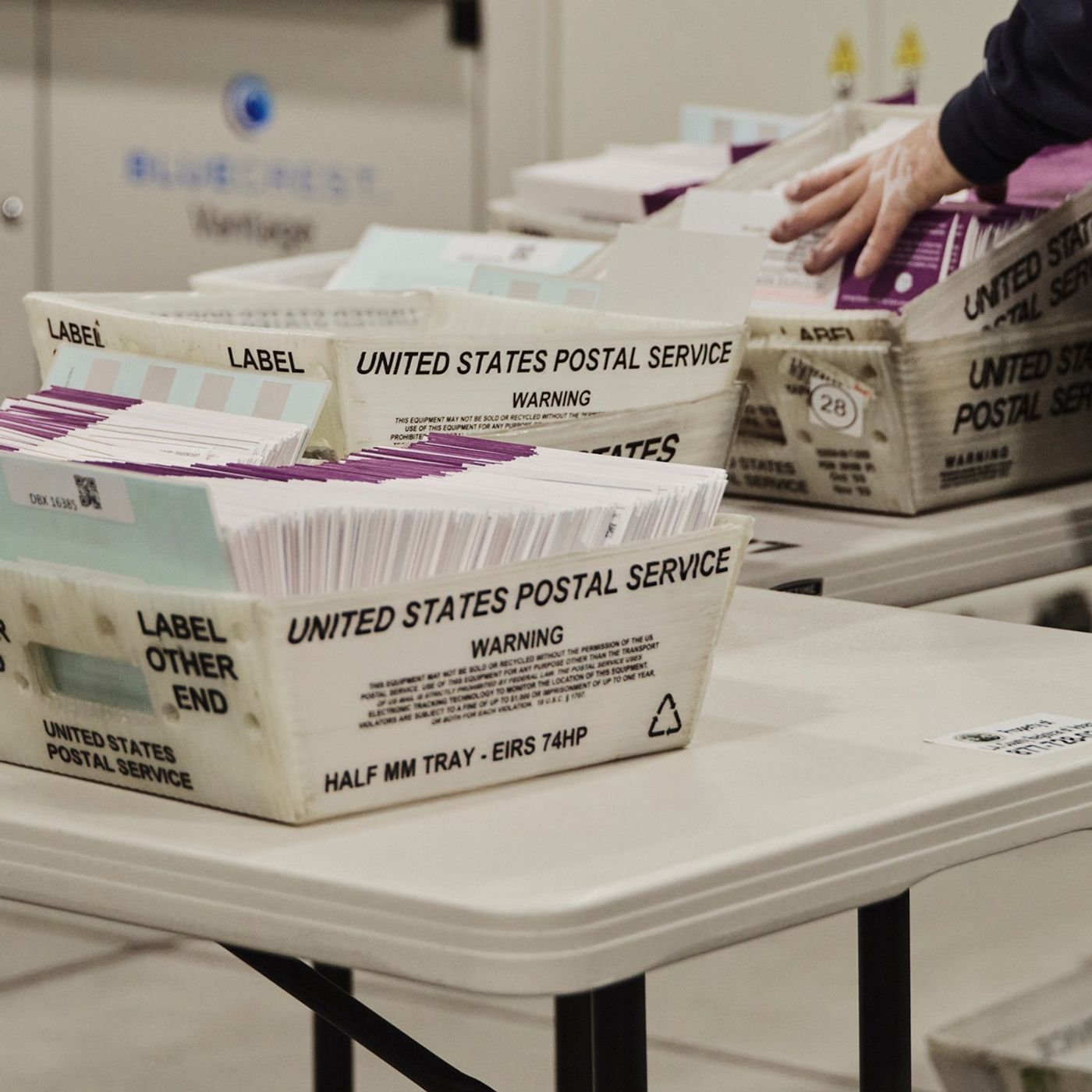
Trump’s War on Mail-In Voting
9 sept 202627 min<p>With only weeks to go before the midterms, President Trump has asked the Supreme Court to allow his administration’s plans to restrict voting by mail.</p><p>Nick Corasaniti, who covers national politics for The New York Times, walks us through Mr. Trump’s effort, the legal battle it touched off and the uncertainty it has created for local election officials and voters around the United States.</p><p>Guest: <a href="https://www.nytimes.com/by/nick-corasaniti" target="_blank" rel="noopener noreferrer"><strong>Nick Corasaniti</strong></a>, a New York Times reporter covering national politics, with a focus on voting and elections.</p><p>Background reading: </p><ul><li><a href="https://www.nytimes.com/2026/09/06/us/politics/trump-mail-in-voting-supreme-court.html" target="_blank" rel="noopener noreferrer">The Trump administration asked the Supreme Court again</a> to allow mail voting restrictions.</li><li>Where does the president’s <a href="https://www.nytimes.com/2026/08/25/us/politics/what-to-know-trump-executive-order-mail-voting.html" target="_blank" rel="noopener noreferrer">effort to restrict mail voting stand</a>?</li></ul><p>Photo: Philip Cheung for The New York Times</p> <p><p>For more information on today’s episode, visit <a href="http://nytimes.com/thedaily?smid=pc-thedaily"><strong>nytimes.com/thedaily</strong></a>. Transcripts of each episode will be made available by the next workday. </p><p> </p><p>Subscribe today at <a href="http://nytimes.com/podcasts">nytimes.com/podcasts</a> or on Apple Podcasts and Spotify. You can also subscribe via your favorite podcast app here <a href="https://www.nytimes.com/activate-access/audio?source=podcatcher">https://www.nytimes.com/activate-access/audio?source=podcatcher</a>. For more podcasts and narrated articles, download The New York Times app at nytimes.com/app.</p></p><br/> <p>Hosted by Simplecast, an AdsWizz company. See <a href="https://pcm.adswizz.com">pcm.adswizz.com</a> for information about our collection and use of personal data for advertising.</p>
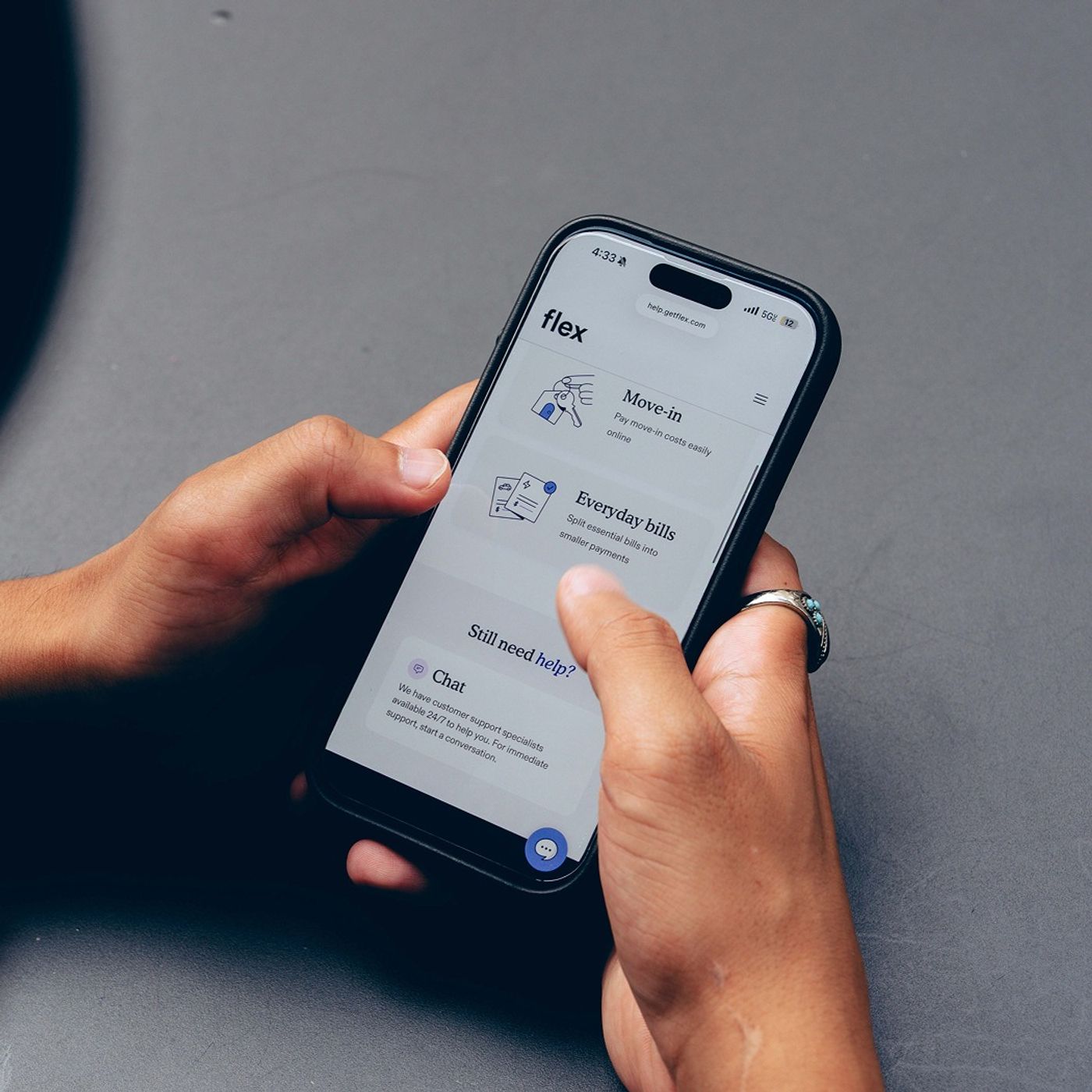
‘Buy Now, Pay Later’: A New Wave of Consumer Debt
8 sept 202624 min<p>As people in the United States struggle with rising costs, they are increasingly turning to “buy now, pay later” loans for essentials such as rent and groceries.</p><p>Stacey Cowley, a business reporter for The New York Times, explains the draw and the hidden risks of the loan model.</p><p>Guest: <strong>Stacy Cowley</strong>, a business reporter at The New York Times, with a focus on consumer finance.</p><p>Background reading: </p><ul><li><a href="https://www.nytimes.com/2026/08/17/business/buy-now-pay-later.html" target="_blank" rel="noopener noreferrer">“Buy now, pay later”</a> lenders have pitched loans for needs like electricity and rent.</li><li>They got to live a life of luxury. <a href="https://www.nytimes.com/2025/10/07/magazine/buy-now-pay-later-klarna-affirm-shopping.html" target="_blank" rel="noopener noreferrer">Then came the fine print</a>.</li></ul><p>Photo: Amir Hamja for The New York Times</p> <p><p>For more information on today’s episode, visit <a href="http://nytimes.com/thedaily?smid=pc-thedaily"><strong>nytimes.com/thedaily</strong></a>. Transcripts of each episode will be made available by the next workday. </p><p> </p><p>Subscribe today at <a href="http://nytimes.com/podcasts">nytimes.com/podcasts</a> or on Apple Podcasts and Spotify. You can also subscribe via your favorite podcast app here <a href="https://www.nytimes.com/activate-access/audio?source=podcatcher">https://www.nytimes.com/activate-access/audio?source=podcatcher</a>. For more podcasts and narrated articles, download The New York Times app at nytimes.com/app.</p></p><br/> <p>Hosted by Simplecast, an AdsWizz company. See <a href="https://pcm.adswizz.com">pcm.adswizz.com</a> for information about our collection and use of personal data for advertising.</p>