
Noticias diarias
The Daily
The New York Times
This is what the news should sound like. The biggest stories of our time, told by the best journalists in the world. Hosted by Michael Barbaro, Rachel Abrams and Natalie Kitroeff. Twenty minutes a day, six days a week, ready by 6 a.m. Subscribe today at nytimes.com/podcasts or on Apple Podcasts and Spotify. You can also subscribe via your favorite podcast app here https://www.nytimes.com/activate-access/audio?source=podcatcher.
 Abrir en Hinto
Episodios para aprender inglés220

Chuck Schumer on Governing With (Or Without) Trump
6 nov 202634 min<p><i>Warning: This episode contains strong language.</i></p><p>Last spring, the political picture for Senator Chuck Schumer, the minority leader, was downright bleak. President Trump was back in the White House. Schumer’s Democratic caucus was largely powerless to stop him. And restless Democratic activists were calling for Schumer to resign.</p><p>Fast forward to this week. Democrats have roared back to power in both the Senate, where the party flipped seven Republican seats, and the House. And now Schumer, who personally recruited several of the winning candidates, is poised to become the next Senate majority leader with an unambiguous goal: reining in Trump.</p><p>On Thursday afternoon, I visited Schumer’s office in the U.S. Capitol to talk about all of that during a 45-minute interview. In between profanity-laced descriptions of the president, Schumer laid out his plans for Senate Democrats over the next two years, including investigations into the Trump administration and legislation seeking to lower Americans’ cost of living.</p><p>Guest: <a href="https://www.schumer.senate.gov/" rel="noopener noreferrer">Chuck Schumer</a>, the Senate Minority leader.</p><p>Photo: Alex Kent/The New York Times</p><p>For more information on today’s episode, visit <a href="http://nytimes.com/thedaily?smid=pc-thedaily" rel="noopener noreferrer">nytimes.com/thedaily</a>. Transcripts of each episode will be made available by the next workday. </p> <p><p>For more information on today’s episode, visit <a href="http://nytimes.com/thedaily?smid=pc-thedaily"><strong>nytimes.com/thedaily</strong></a>. Transcripts of each episode will be made available by the next workday. </p><p> </p><p>Subscribe today at <a href="http://nytimes.com/podcasts">nytimes.com/podcasts</a> or on Apple Podcasts, Spotify and Amazon Music. You can also subscribe via your favorite podcast app here <a href="https://www.nytimes.com/activate-access/audio?source=podcatcher">https://www.nytimes.com/activate-access/audio?source=podcatcher</a>. For more podcasts and narrated articles, download The New York Times app at nytimes.com/app.</p></p><br/> <p>Hosted by Simplecast, an AdsWizz company. See <a href="https://pcm.adswizz.com">pcm.adswizz.com</a> for information about our collection and use of personal data for advertising.</p>

The Voters Who Flipped Congress
5 nov 202629 min<p>The midterm elections were an electoral tsunami for Democrats: a complete collapse of the Republican coalition and a landslide victory.</p><p>Nate Cohn, the chief political analyst for The New York Times, examines the results to figure out which voters showed up, which stayed home and how much billions in campaign spending mattered.</p><p><strong>Guest: </strong><a href="https://www.nytimes.com/by/nate-cohn" target="_blank" rel="noopener noreferrer"><strong>Nate Cohn</strong></a>, the chief political analyst for The New York Times.</p><p><strong>Background Reading</strong></p><ul><li>There’s no modern precedent for this <a href="https://www.nytimes.com/2026/11/04/upshot/democrats-midterm-elections-trump-tsunami.html" target="_blank" rel="noopener noreferrer">Democratic tsunami</a>.</li><li>Trump is confronting an identity he would rather not: <a href="https://www.nytimes.com/2026/11/04/us/politics/trump-new-role-lame-duck.html" target="_blank" rel="noopener noreferrer">a lame duck</a>.</li></ul><p><strong>Photo: </strong>Nicole Craine for The New York Times</p><p>For more information on today’s episode, visit <a href="http://nytimes.com/thedaily?smid=pc-thedaily" rel="noopener noreferrer"><u>nytimes.com/thedaily</u></a>. Transcripts of each episode will be made available by the next workday. </p><p><br> </p> <p><p>For more information on today’s episode, visit <a href="http://nytimes.com/thedaily?smid=pc-thedaily"><strong>nytimes.com/thedaily</strong></a>. Transcripts of each episode will be made available by the next workday. </p><p> </p><p>Subscribe today at <a href="http://nytimes.com/podcasts">nytimes.com/podcasts</a> or on Apple Podcasts, Spotify and Amazon Music. You can also subscribe via your favorite podcast app here <a href="https://www.nytimes.com/activate-access/audio?source=podcatcher">https://www.nytimes.com/activate-access/audio?source=podcatcher</a>. For more podcasts and narrated articles, download The New York Times app at nytimes.com/app.</p></p><br/> <p>Hosted by Simplecast, an AdsWizz company. See <a href="https://pcm.adswizz.com">pcm.adswizz.com</a> for information about our collection and use of personal data for advertising.</p>

A Landslide Victory for Democrats
4 nov 202635 min<p>On Tuesday night, the blue wave that polls predicted landed with extraordinary force across the United States as Democrats flipped control of both the House and the Senate.</p><p>Nate Cohn, Lisa Lerer and Shane Goldmacher of The New York Times discuss an extraordinary shift in power and a new era of American politics.</p><p>Guest: </p><ul><li><a href="https://www.nytimes.com/by/nate-cohn" target="_blank" rel="noopener noreferrer"><strong>Nate Cohn</strong></a>, the chief political analyst for The New York Times.</li><li><a href="https://www.nytimes.com/by/lisa-lerer" target="_blank" rel="noopener noreferrer"><strong>Lisa Lerer</strong></a>, a national political correspondent for The New York Times.</li><li><a href="https://www.nytimes.com/by/shane-goldmacher" target="_blank" rel="noopener noreferrer"><strong>Shane Goldmacher</strong></a>, a national political correspondent for The New York Times.</li></ul><p>Background reading: </p><ul><li><a href="https://www.nytimes.com/live/2026/11/03/us/midterms-2026-election-day-trump" target="_blank" rel="noopener noreferrer">Democrats seized control of Congress</a> as voters rebuked President Trump.</li><li><a href="https://www.nytimes.com/2026/11/04/us/texas-talarico-hinojosa-abbott-paxton.html" target="_blank" rel="noopener noreferrer">A Democratic rout stunned Texas</a> in a seismic shift that was once unthinkable.</li></ul><p>Photo: Haiyun Jiang/The New York Times</p> <p><p>For more information on today’s episode, visit <a href="http://nytimes.com/thedaily?smid=pc-thedaily"><strong>nytimes.com/thedaily</strong></a>. Transcripts of each episode will be made available by the next workday. </p><p> </p><p>Subscribe today at <a href="http://nytimes.com/podcasts">nytimes.com/podcasts</a> or on Apple Podcasts, Spotify and Amazon Music. You can also subscribe via your favorite podcast app here <a href="https://www.nytimes.com/activate-access/audio?source=podcatcher">https://www.nytimes.com/activate-access/audio?source=podcatcher</a>. For more podcasts and narrated articles, download The New York Times app at nytimes.com/app.</p></p><br/> <p>Hosted by Simplecast, an AdsWizz company. See <a href="https://pcm.adswizz.com">pcm.adswizz.com</a> for information about our collection and use of personal data for advertising.</p>
A Guide to Election Night 2026
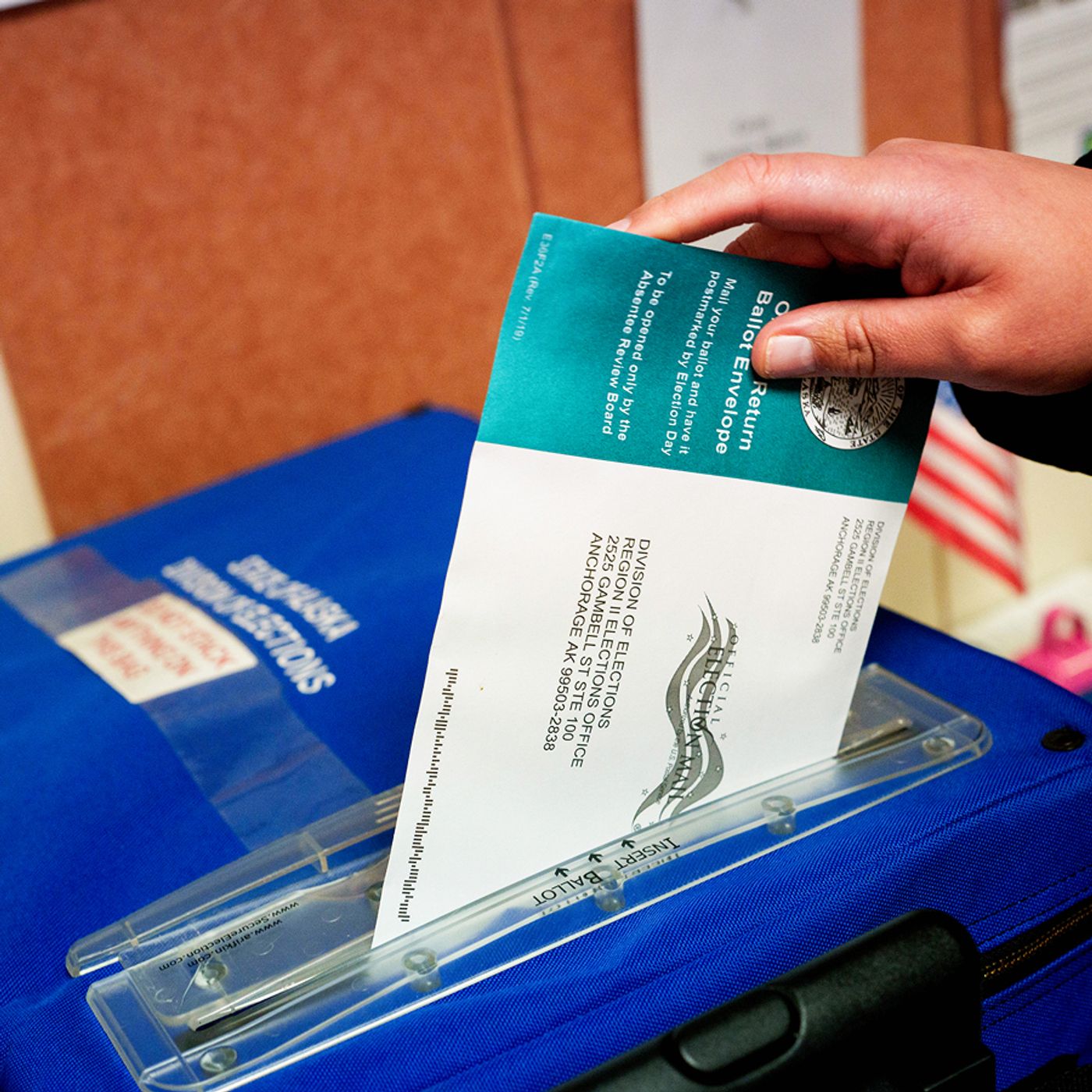
3 nov 202635 min<p>After two years of campaigning, the 2026 midterm election is now in the hands of the American voters.</p><p>As the ballot counting begins, Nate Cohn, the chief political analyst for The New York Times, offers a guide for how to understand the results.</p><p>Guest: <a href="https://www.nytimes.com/by/nate-cohn" target="_blank" rel="noopener noreferrer"><strong>Nate Cohn</strong></a>, the chief political analyst for The New York Times.</p><p>Background reading: </p><ul><li>Here are <a href="https://www.nytimes.com/2026/10/29/upshot/midterm-elections-senate-house-scenarios.html" target="_blank" rel="noopener noreferrer">four scenarios</a> for how the midterms could go.</li><li><a href="https://www.nytimes.com/2026/11/01/upshot/poll-times-siena-senate-midterms.html" target="_blank" rel="noopener noreferrer">The final polls show a blue surge</a>. Can we trust them?</li><li><a href="https://www.nytimes.com/2026/11/02/us/politics/midterms-election-2026-senate-house-congress.html" target="_blank" rel="noopener noreferrer">Here’s what to know</a> about the fight for Congress.</li></ul><p>Photo: Erin Schaff/The New York Times</p> <p><p>For more information on today’s episode, visit <a href="http://nytimes.com/thedaily?smid=pc-thedaily"><strong>nytimes.com/thedaily</strong></a>. Transcripts of each episode will be made available by the next workday. </p><p> </p><p>Subscribe today at <a href="http://nytimes.com/podcasts">nytimes.com/podcasts</a> or on Apple Podcasts, Spotify and Amazon Music. You can also subscribe via your favorite podcast app here <a href="https://www.nytimes.com/activate-access/audio?source=podcatcher">https://www.nytimes.com/activate-access/audio?source=podcatcher</a>. For more podcasts and narrated articles, download The New York Times app at nytimes.com/app.</p></p><br/> <p>Hosted by Simplecast, an AdsWizz company. See <a href="https://pcm.adswizz.com">pcm.adswizz.com</a> for information about our collection and use of personal data for advertising.</p>

A Political Rebellion in the Rio Grande Valley
2 nov 20261h 17m<p><i>Warning: This episode contains strong language.</i></p><p>In the midterm elections, one of the regions expected to swing away from President Trump and toward Democrats is the Rio Grande Valley of Texas, where life has been transformed by his administration’s crackdown on immigration.</p><p>Lynsea Garrison, a producer for “The Daily,” has been reporting on that shift and on the unlikely group leading the charge.</p><p>Guest: <a href="https://www.nytimes.com/by/lynsea-garrison" target="_blank" rel="noopener noreferrer"><strong>Lynsea Garrison</strong></a>, a senior producer on “The Daily.”</p><p>Background reading: </p><ul><li>Hispanic voters on the Texas border <a href="https://www.nytimes.com/2026/09/30/us/politics/texas-border-trump-voters.html" target="_blank" rel="noopener noreferrer">have soured on Mr. Trump</a>.</li><li>Opinion video: <a href="https://www.nytimes.com/2026/10/16/opinion/texas-border-voters-midterms-trump.html" target="_blank" rel="noopener noreferrer">How Texas border voters feel ahead of the midterms</a>.</li></ul><p>Photo: Tamir Kalifa for The New York Times</p> <p><p>For more information on today’s episode, visit <a href="http://nytimes.com/thedaily?smid=pc-thedaily"><strong>nytimes.com/thedaily</strong></a>. Transcripts of each episode will be made available by the next workday. </p><p> </p><p>Subscribe today at <a href="http://nytimes.com/podcasts">nytimes.com/podcasts</a> or on Apple Podcasts, Spotify and Amazon Music. You can also subscribe via your favorite podcast app here <a href="https://www.nytimes.com/activate-access/audio?source=podcatcher">https://www.nytimes.com/activate-access/audio?source=podcatcher</a>. For more podcasts and narrated articles, download The New York Times app at nytimes.com/app.</p></p><br/> <p>Hosted by Simplecast, an AdsWizz company. See <a href="https://pcm.adswizz.com">pcm.adswizz.com</a> for information about our collection and use of personal data for advertising.</p>

Want to Enjoy Music More? Go For a Run.
1 nov 202636 min<p>Ben Ratliff, a music critic and avid runner, always ran in silence. Then he discovered how music opened up to him — while running. It changed his entire approach to criticism and listening. He calls it “running the song.”</p><p>Today, for the New York City Marathon, Ben talks with our host Rachel Abrams about how his listening sharpens when he runs to music.</p><p>Then, he goes through highlights from his five-hour <a href="https://open.spotify.com/playlist/4RUN1iWr1KA4GsGpQ1vcbI?si=HqafUDVeRqW0yPLMshiB0A" target="_blank" rel="noopener noreferrer">New York City Marathon playlist</a>, which is designed to complement a run through the five boroughs, featuring various styles of music connected to the places on the route.</p><p><strong>On Today’s Episode</strong></p><ul><li><a href="https://www.nytimes.com/by/ben-ratliff" target="_blank" rel="noopener noreferrer">Ben Ratliff</a>, a former New York Times music critic, a music professor and the author of <a href="https://www.nationalbook.org/books/run-the-song-writing-about-running-about-listening/" target="_blank" rel="noopener noreferrer">“Run the Song: Writing About Running About Listening.”</a></li></ul><p><strong>Background Listening</strong></p><ul><li><a href="https://open.spotify.com/playlist/4RUN1iWr1KA4GsGpQ1vcbI?si=HqafUDVeRqW0yPLMshiB0A" target="_blank" rel="noopener noreferrer">Ben Ratliff’s New York City Marathon playlist</a></li></ul><p><strong>Photo: </strong>Karsten Moran for The New York Times</p> <p><p>For more information on today’s episode, visit <a href="http://nytimes.com/thedaily?smid=pc-thedaily"><strong>nytimes.com/thedaily</strong></a>. Transcripts of each episode will be made available by the next workday. </p><p> </p><p>Subscribe today at <a href="http://nytimes.com/podcasts">nytimes.com/podcasts</a> or on Apple Podcasts, Spotify and Amazon Music. You can also subscribe via your favorite podcast app here <a href="https://www.nytimes.com/activate-access/audio?source=podcatcher">https://www.nytimes.com/activate-access/audio?source=podcatcher</a>. For more podcasts and narrated articles, download The New York Times app at nytimes.com/app.</p></p><br/> <p>Hosted by Simplecast, an AdsWizz company. See <a href="https://pcm.adswizz.com">pcm.adswizz.com</a> for information about our collection and use of personal data for advertising.</p>
Martin McDonagh Has a Vision for Hope. It's Not for the Faint of Heart.
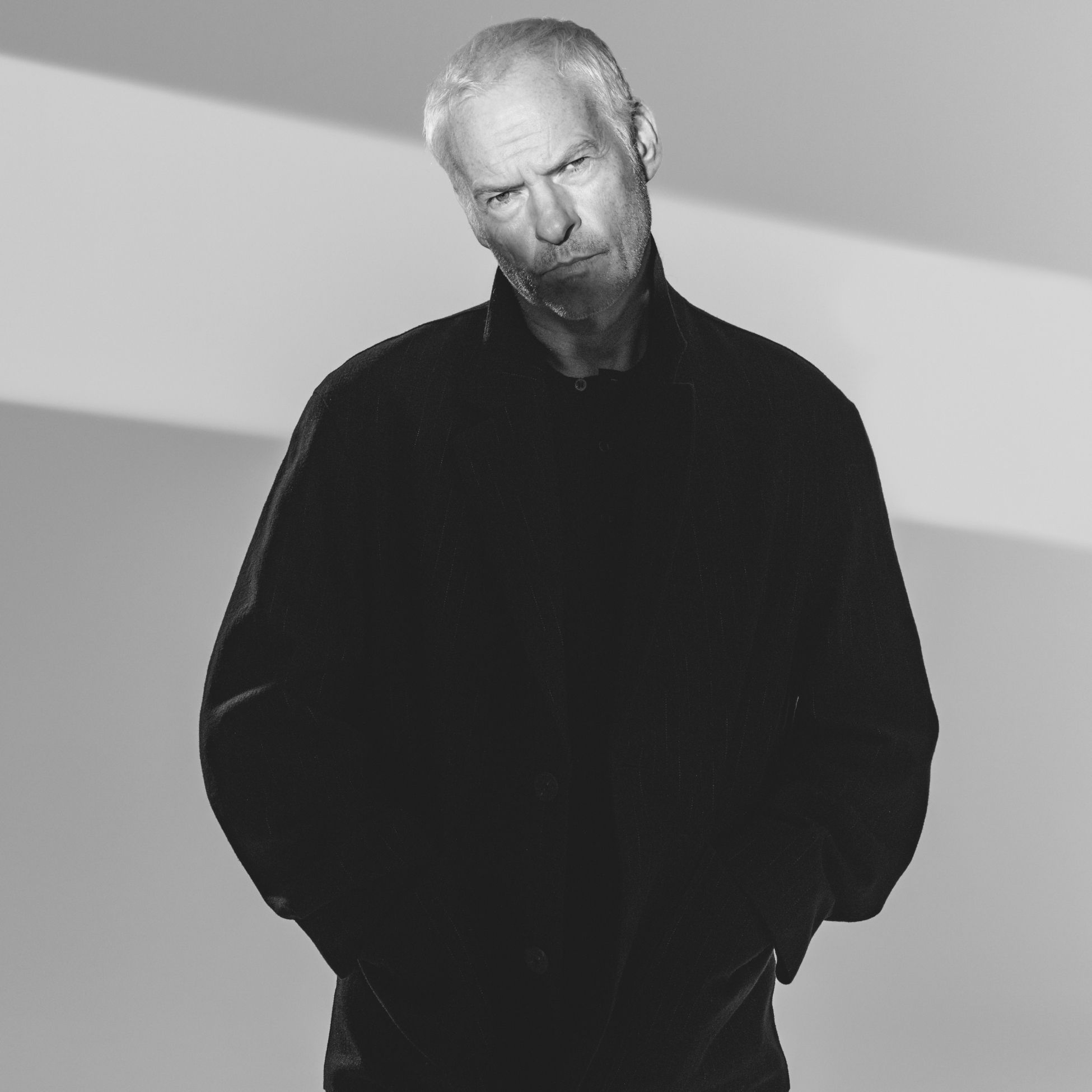
31 oct 202650 min<p>The writer-director, known for his dark and bleak work, believes in film’s power to change our lives.</p><ul><li>Thoughts? Email us at <strong>theinterview@nytimes.com</strong></li><li>Watch our show on YouTube: <a href="https://www.youtube.com/@theinterviewpodcast" rel="noopener noreferrer"><strong>youtube.com/@TheInterviewPodcast</strong></a></li><li>For transcripts and more, visit: <a href="https://www.nytimes.com/column/the-interview" rel="noopener noreferrer"><strong>nytimes.com/theinterview</strong></a></li></ul> <p><p>For more information on today’s episode, visit <a href="http://nytimes.com/thedaily?smid=pc-thedaily"><strong>nytimes.com/thedaily</strong></a>. Transcripts of each episode will be made available by the next workday. </p><p> </p><p>Subscribe today at <a href="http://nytimes.com/podcasts">nytimes.com/podcasts</a> or on Apple Podcasts, Spotify and Amazon Music. You can also subscribe via your favorite podcast app here <a href="https://www.nytimes.com/activate-access/audio?source=podcatcher">https://www.nytimes.com/activate-access/audio?source=podcatcher</a>. For more podcasts and narrated articles, download The New York Times app at nytimes.com/app.</p></p><br/> <p>Hosted by Simplecast, an AdsWizz company. See <a href="https://pcm.adswizz.com">pcm.adswizz.com</a> for information about our collection and use of personal data for advertising.</p>
The Art of the Pardon: How Trump Turned Clemency Into a Business
30 oct 202634 min<p>In the final stretch of the midterm election campaign, polls have found that voters are latching onto the perceived corruption of the Trump administration.</p><p>Kenneth P. Vogel, a New York Times investigative journalist, explores one major story line feeding that perception: how those around the president have turned the pardon process into a business.</p><p>Guest: <a href="https://www.nytimes.com/by/kenneth-p-vogel" target="_blank" rel="noopener noreferrer"><strong>Kenneth P. Vogel</strong></a>, an investigative journalist for The New York Times.</p><p>Background reading: </p><ul><li><a href="https://www.nytimes.com/2026/03/06/us/politics/schwartz-trump-pardon-industry.html" target="_blank" rel="noopener noreferrer">The pardon industry</a> offers rich offenders a path to President Trump.</li><li><a href="https://www.nytimes.com/2026/10/20/us/politics/julio-herrera-pardon-alina-habba.html" target="_blank" rel="noopener noreferrer">A billionaire wanted a pardon from Mr. Trump.</a> His family gave Alina Habba a $50 million deal.</li></ul><p>Photo: Tierney L. Cross/The New York Times</p> <p><p>For more information on today’s episode, visit <a href="http://nytimes.com/thedaily?smid=pc-thedaily"><strong>nytimes.com/thedaily</strong></a>. Transcripts of each episode will be made available by the next workday. </p><p> </p><p>Subscribe today at <a href="http://nytimes.com/podcasts">nytimes.com/podcasts</a> or on Apple Podcasts, Spotify and Amazon Music. You can also subscribe via your favorite podcast app here <a href="https://www.nytimes.com/activate-access/audio?source=podcatcher">https://www.nytimes.com/activate-access/audio?source=podcatcher</a>. For more podcasts and narrated articles, download The New York Times app at nytimes.com/app.</p></p><br/> <p>Hosted by Simplecast, an AdsWizz company. See <a href="https://pcm.adswizz.com">pcm.adswizz.com</a> for information about our collection and use of personal data for advertising.</p>
A Plan for Two Dans: How Democrats Manipulated Alaska’s Ballot
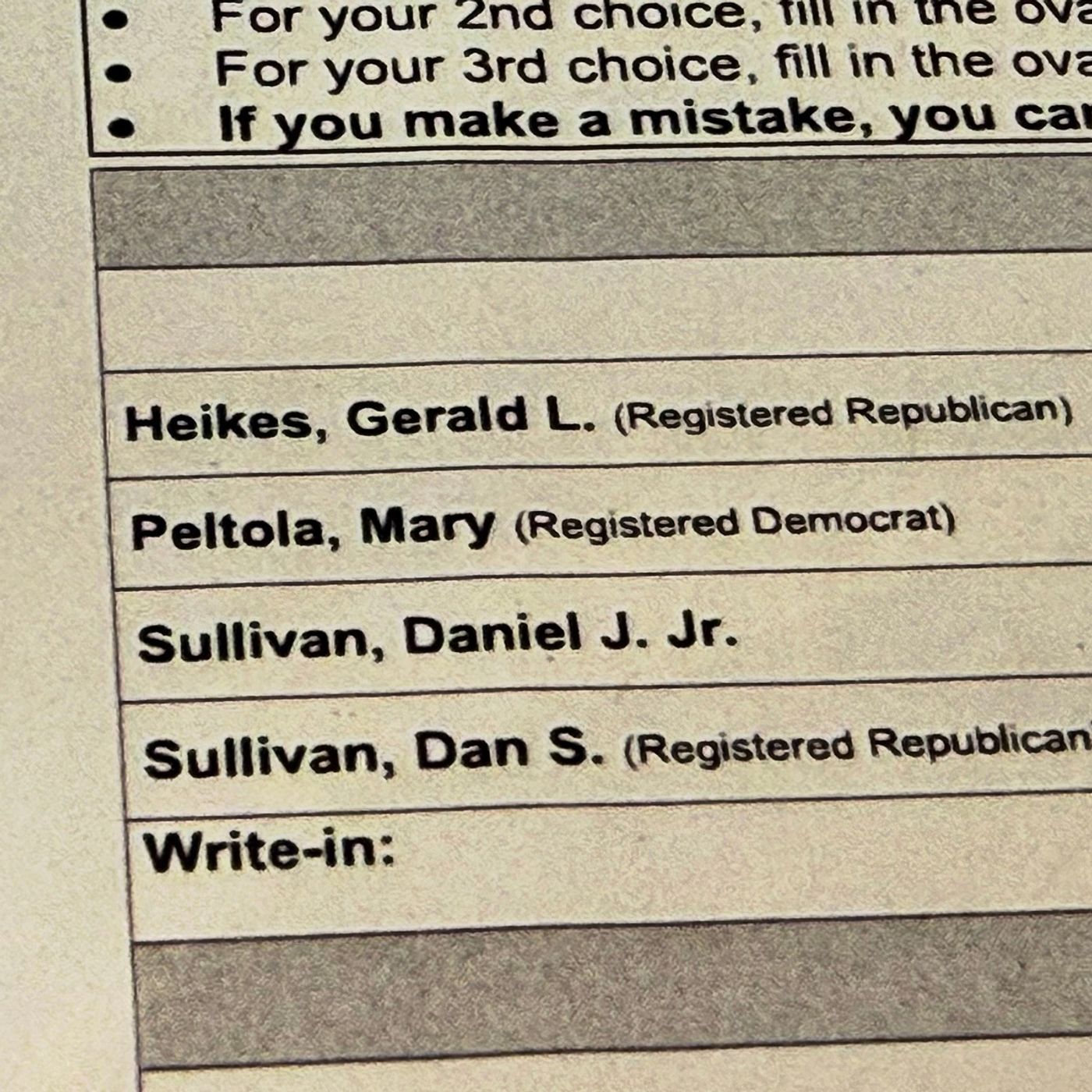
29 oct 202627 min<p>An investigation from The New York Times has uncovered how two candidates named Dan Sullivan ended up on the ballot for U.S. Senate in Alaska and the secret role that Democrats played in making it happen.</p><p>Kellen Browning, a political reporter for The Times, takes us inside the political scheme and explains what it means for a race that could determine which party controls the Senate.</p><p>Guest: <a href="https://www.nytimes.com/by/kellen-browning" target="_blank" rel="noopener noreferrer"><strong>Kellen Browning</strong></a>, a political reporter for The New York Times in San Francisco.</p><p>Background reading: </p><ul><li><a href="https://www.nytimes.com/2026/10/28/us/politics/alaska-dan-sullivan-conspiracy-peltola.html" target="_blank" rel="noopener noreferrer">Inside Democrats’ secret effort</a> to stack Alaska’s ballot.</li><li>After The Times’s article, the governor of Alaska <a href="https://www.nytimes.com/2026/10/28/us/politics/trump-peltola-sullivan-alaska-senate.html" target="_blank" rel="noopener noreferrer">ordered an investigation</a> into Mary Peltola’s Senate campaign over its role in recruiting spoiler candidates.</li><li>Previously, the Justice Department <a href="https://www.nytimes.com/2026/10/23/us/politics/justice-dept-alaska-senate-race-sullivan.html" target="_blank" rel="noopener noreferrer">asked a federal court to block Alaska’s results</a> if the Republican incumbent narrowly lost.</li></ul><p>Photo: Haven Daley/Associated Press</p> <p><p>For more information on today’s episode, visit <a href="http://nytimes.com/thedaily?smid=pc-thedaily"><strong>nytimes.com/thedaily</strong></a>. Transcripts of each episode will be made available by the next workday. </p><p> </p><p>Subscribe today at <a href="http://nytimes.com/podcasts">nytimes.com/podcasts</a> or on Apple Podcasts, Spotify and Amazon Music. You can also subscribe via your favorite podcast app here <a href="https://www.nytimes.com/activate-access/audio?source=podcatcher">https://www.nytimes.com/activate-access/audio?source=podcatcher</a>. For more podcasts and narrated articles, download The New York Times app at nytimes.com/app.</p></p><br/> <p>Hosted by Simplecast, an AdsWizz company. See <a href="https://pcm.adswizz.com">pcm.adswizz.com</a> for information about our collection and use of personal data for advertising.</p>

Is Running From Trump Enough to Save Republicans on Tuesday?
28 oct 202637 min<p>A look at candidates from President Trump’s party who are running on a platform of criticizing him. </p><p>In next week’s midterm elections, a specific kind of Republican candidate is appealing to disillusioned voters of both parties: moderates willing to criticize President Trump.</p><p>Jess Bidgood explains how some Republicans are trying to bring back an older version of their party.</p><p>Guest: <a href="https://www.nytimes.com/by/jess-bidgood" target="_blank" rel="noopener noreferrer"><strong>Jess Bidgood</strong></a>, a political journalist for The New York Times</p><p>Background reading: </p><ul><li><a href="https://www.nytimes.com/2026/10/14/us/politics/susan-collins-trump-maine-senate.html" target="_blank" rel="noopener noreferrer">A Trump backlash endangers Susan Collins</a>, the only blue-state Republican senator.</li><li>From Opinion: John E. Sununu is running a model campaign. <a href="https://www.nytimes.com/2026/10/10/opinion/john-sununu-new-hampshire-republican-trump.html" target="_blank" rel="noopener noreferrer">He might still lose</a>.</li></ul><p>Photo: CJ Gunther/Getty Images; Sophie Park/Getty Images</p> <p><p>For more information on today’s episode, visit <a href="http://nytimes.com/thedaily?smid=pc-thedaily"><strong>nytimes.com/thedaily</strong></a>. Transcripts of each episode will be made available by the next workday. </p><p> </p><p>Subscribe today at <a href="http://nytimes.com/podcasts">nytimes.com/podcasts</a> or on Apple Podcasts, Spotify and Amazon Music. You can also subscribe via your favorite podcast app here <a href="https://www.nytimes.com/activate-access/audio?source=podcatcher">https://www.nytimes.com/activate-access/audio?source=podcatcher</a>. For more podcasts and narrated articles, download The New York Times app at nytimes.com/app.</p></p><br/> <p>Hosted by Simplecast, an AdsWizz company. See <a href="https://pcm.adswizz.com">pcm.adswizz.com</a> for information about our collection and use of personal data for advertising.</p>

They Protested ICE. Now They’ve Been Convicted of Terrorism.
27 oct 202647 min<p>On July 4, 2025, a group of 10 antifa protesters was arrested, accused of what the federal government called a planned attack on the Prairieland detention facility in Texas. They were prosecuted as terrorists.</p><p>Janet Reitman, who has been covering the story, discusses the legal case and the questions it raises about who now qualifies as a terrorist in America.</p><p>Guest: <a href="https://www.nytimes.com/by/janet-reitman" target="_blank" rel="noopener noreferrer"><strong>Janet Reitman</strong></a>, who writes for The New York Times Magazine.</p><p>Background reading: </p><ul><li>Inside the group of <a href="https://www.nytimes.com/2026/10/05/magazine/prairieland-protesters-socialist-rifle-association.html" target="_blank" rel="noopener noreferrer">Texans accused of being antifa terrorists</a>.</li></ul><p>Photo: Juan Figueroa/The Dallas Morning News, via Getty Images</p> <p><p>For more information on today’s episode, visit <a href="http://nytimes.com/thedaily?smid=pc-thedaily"><strong>nytimes.com/thedaily</strong></a>. Transcripts of each episode will be made available by the next workday. </p><p> </p><p>Subscribe today at <a href="http://nytimes.com/podcasts">nytimes.com/podcasts</a> or on Apple Podcasts, Spotify and Amazon Music. You can also subscribe via your favorite podcast app here <a href="https://www.nytimes.com/activate-access/audio?source=podcatcher">https://www.nytimes.com/activate-access/audio?source=podcatcher</a>. For more podcasts and narrated articles, download The New York Times app at nytimes.com/app.</p></p><br/> <p>Hosted by Simplecast, an AdsWizz company. See <a href="https://pcm.adswizz.com">pcm.adswizz.com</a> for information about our collection and use of personal data for advertising.</p>

The $10 Billion Midterm Ad War
26 oct 202633 min<p>The midterms are shaping up to be the most expensive election cycle in history as campaigns pour huge sums into the ads voters see virtually everywhere.</p><p>Today, Shane Goldmacher, a national political correspondent for The New York Times, breaks down how Democrats are tying Republicans to President Trump, inflation and corruption, while Republicans are trying to paint Democrats as too liberal. He also weighs in on what those competing messages reveal about each party’s hopes, vulnerabilities and strategy as Election Day nears.</p><p>Guest: <a href="https://www.nytimes.com/by/shane-goldmacher" target="_blank" rel="noopener noreferrer"><strong>Shane Goldmacher</strong></a>, a national political correspondent for The New York Times.</p><p>Background reading: </p><ul><li>Mr. Trump has wielded <a href="https://www.nytimes.com/2026/10/20/us/politics/trump-maga-inc-midterms.html" target="_blank" rel="noopener noreferrer">an unprecedented $277 million</a> in the final stretch of the midterms.</li><li><a href="https://www.nytimes.com/2026/10/23/us/midterm-campaign-finance.html" target="_blank" rel="noopener noreferrer">Both parties are spending enormous amounts of money</a> to try to win whatever votes are left for the taking before Election Day.</li><li>Mr. Trump’s super PAC is <a href="https://www.nytimes.com/2026/10/20/us/politics/trump-maga-inc-super-pac.html?searchResultPosition=10" target="_blank" rel="noopener noreferrer">flooding Facebook and Instagram</a> with targeted ads as it seeks to turn out Republicans amid the president’s historically low approval ratings.</li></ul><p>Photo: Kenny Holston/The New York Times</p><p>For more information on today’s episode, visit <a href="http://nytimes.com/thedaily?smid=pc-thedaily" rel="noopener noreferrer">nytimes.com/thedaily</a>. Transcripts of each episode will be made available by the next workday. </p> <p><p>For more information on today’s episode, visit <a href="http://nytimes.com/thedaily?smid=pc-thedaily"><strong>nytimes.com/thedaily</strong></a>. Transcripts of each episode will be made available by the next workday. </p><p> </p><p>Subscribe today at <a href="http://nytimes.com/podcasts">nytimes.com/podcasts</a> or on Apple Podcasts, Spotify and Amazon Music. You can also subscribe via your favorite podcast app here <a href="https://www.nytimes.com/activate-access/audio?source=podcatcher">https://www.nytimes.com/activate-access/audio?source=podcatcher</a>. For more podcasts and narrated articles, download The New York Times app at nytimes.com/app.</p></p><br/> <p>Hosted by Simplecast, an AdsWizz company. See <a href="https://pcm.adswizz.com">pcm.adswizz.com</a> for information about our collection and use of personal data for advertising.</p>

Tricks, Treats and Trends
25 oct 202630 min<p>Americans are expected to spend a record $13.5 billion on Halloween this year, according to the National Retail Federation. That includes costumes, decorations and <i>lots</i> of candy.</p><p>In this episode of “The Sunday Daily,” our host Rachel Abrams talks about these three tent poles of the Halloween season with reporters from across the Times newsroom.</p><p>Kim Severson, who covers food, tells us about the sour, peelable and texture-confused candy edging out longtime chocolate favorites. Louis Lucero II, an editor for style coverage, predicts the most popular costumes of the year. And Callie Holtermann, a reporter who covers style and pop culture, discusses the enduring joy of “Skelly,” the 12-foot-tall Home Depot skeleton with a cult following.</p><p><strong>On Today’s Episode:</strong></p><p><a href="https://www.nytimes.com/by/kim-severson" target="_blank" rel="noopener noreferrer"><strong>Kim Severson</strong></a> covers all aspects of food culture for The New York Times.</p><p><a href="https://www.nytimes.com/by/louis-lucero-ii" target="_blank" rel="noopener noreferrer"><strong>Louis Lucero II</strong></a>, an editor for style coverage for The New York Times.</p><p><a href="https://www.nytimes.com/by/callie-holtermann" target="_blank" rel="noopener noreferrer"><strong>Callie Holtermann</strong></a>, a reporter who writes about style, pop culture and Gen Z for The New York Times.</p><p><strong>Background Reading:</strong></p><ul><li><a href="https://www.nytimes.com/2026/10/01/style/halloween-costume-ideas.html" target="_blank" rel="noopener noreferrer">Halloween Costume Ideas That Scream 2026</a></li><li><a href="https://www.nytimes.com/2022/10/28/style/home-depot-12-foot-skeleton.html" target="_blank" rel="noopener noreferrer">Still the Biggest Skeleton In the Game?</a></li></ul><p>Photo credit: The New York Times</p> <p><p>For more information on today’s episode, visit <a href="http://nytimes.com/thedaily?smid=pc-thedaily"><strong>nytimes.com/thedaily</strong></a>. Transcripts of each episode will be made available by the next workday. </p><p> </p><p>Subscribe today at <a href="http://nytimes.com/podcasts">nytimes.com/podcasts</a> or on Apple Podcasts, Spotify and Amazon Music. You can also subscribe via your favorite podcast app here <a href="https://www.nytimes.com/activate-access/audio?source=podcatcher">https://www.nytimes.com/activate-access/audio?source=podcatcher</a>. For more podcasts and narrated articles, download The New York Times app at nytimes.com/app.</p></p><br/> <p>Hosted by Simplecast, an AdsWizz company. See <a href="https://pcm.adswizz.com">pcm.adswizz.com</a> for information about our collection and use of personal data for advertising.</p>

What This Democrat’s Surge in Texas Says About the Midterms
24 oct 202642 min<p>Gina Hinojosa, the Democratic nominee for governor, on her appeal to MAGA voters and her refusal to engage in the “culture wars.”</p><ul><li>Thoughts? Email us at <strong>theinterview@nytimes.com</strong></li><li>Watch our show on YouTube: <a href="https://www.youtube.com/@theinterviewpodcast" rel="noopener noreferrer"><strong>youtube.com/@TheInterviewPodcast</strong></a></li><li>For transcripts and more, visit: <a href="https://www.nytimes.com/column/the-interview" rel="noopener noreferrer"><strong>nytimes.com/theinterview</strong></a></li></ul> <p><p>For more information on today’s episode, visit <a href="http://nytimes.com/thedaily?smid=pc-thedaily"><strong>nytimes.com/thedaily</strong></a>. Transcripts of each episode will be made available by the next workday. </p><p> </p><p>Subscribe today at <a href="http://nytimes.com/podcasts">nytimes.com/podcasts</a> or on Apple Podcasts, Spotify and Amazon Music. You can also subscribe via your favorite podcast app here <a href="https://www.nytimes.com/activate-access/audio?source=podcatcher">https://www.nytimes.com/activate-access/audio?source=podcatcher</a>. For more podcasts and narrated articles, download The New York Times app at nytimes.com/app.</p></p><br/> <p>Hosted by Simplecast, an AdsWizz company. See <a href="https://pcm.adswizz.com">pcm.adswizz.com</a> for information about our collection and use of personal data for advertising.</p>

The Battle Over Black Representation in the South
23 oct 202630 min<p>The approach to this year’s midterms has brought two hugely consequential changes to voting for Black Americans: the gutting of the Voting Rights Act, and redistricting. In the wake of those actions, efforts are underway to mobilize Black voters in the South.</p><p>In Mississippi, the Senate battle is being seen as a sleeper race, and the Black Democrat running has a chance of flipping the seat, but state lawmakers are trying to redraw the maps and do away with their one majority Black district.</p><p>Today, Emily Cochrane, a reporter covering the American South for The New York Times, addresses the implications for voters across the region — not just in the midterms, but for years to come.</p><p>Guest: <a href="https://www.nytimes.com/by/emily-cochrane" target="_blank" rel="noopener noreferrer"><strong>Emily Cochrane</strong></a>, a national reporter for The New York Times covering the American South.</p><p>Background reading: </p><ul><li>Black Democratic candidates running in the South have <a href="https://www.nytimes.com/2026/09/17/us/politics/black-voters-democratic-candidates-south.html" target="_blank" rel="noopener noreferrer">implored Black voters to go to the polls in response to the gutting of the Voting Rights Act</a>.</li><li>High-profile Democrats across the country <a href="https://www.nytimes.com/2026/05/03/us/politics/mississippi-hyde-smith-senate-election.html" target="_blank" rel="noopener noreferrer">have some hope in Scott Colom’s bid for a seat in the Senate</a>.</li></ul><p>Photo: Anna Foley/The New York Times</p><p>For more information on today’s episode, visit <a href="http://nytimes.com/thedaily?smid=pc-thedaily" rel="noopener noreferrer">nytimes.com/thedaily</a>. Transcripts of each episode will be made available by the next workday. </p> <p><p>For more information on today’s episode, visit <a href="http://nytimes.com/thedaily?smid=pc-thedaily"><strong>nytimes.com/thedaily</strong></a>. Transcripts of each episode will be made available by the next workday. </p><p> </p><p>Subscribe today at <a href="http://nytimes.com/podcasts">nytimes.com/podcasts</a> or on Apple Podcasts, Spotify and Amazon Music. You can also subscribe via your favorite podcast app here <a href="https://www.nytimes.com/activate-access/audio?source=podcatcher">https://www.nytimes.com/activate-access/audio?source=podcatcher</a>. For more podcasts and narrated articles, download The New York Times app at nytimes.com/app.</p></p><br/> <p>Hosted by Simplecast, an AdsWizz company. See <a href="https://pcm.adswizz.com">pcm.adswizz.com</a> for information about our collection and use of personal data for advertising.</p>

The Election That Will Define Israel’s Future
22 oct 202634 min<p>Israelis head to the polls next week. On the ballot is the future of a country that has become isolated on the world stage, because of both its war in Gaza and a growing outcry over settler violence in the West Bank.</p><p>David M. Halbfinger, the Jerusalem bureau chief for The New York Times, explains how Prime Minister Benjamin Netanyahu differs from his biggest challenger.</p><p>Guest: <a href="https://www.nytimes.com/by/david-m-halbfinger" target="_blank" rel="noopener noreferrer"><strong>David M. Halbfinger</strong></a>, the Jerusalem bureau chief for The New York Times.</p><p>Background reading: </p><ul><li>Here’s why <a href="https://www.nytimes.com/2026/10/21/world/middleeast/stakes-for-palestinians-of-israel-election.html" target="_blank" rel="noopener noreferrer">Palestinians hope Israelis will oust Netanyahu</a> in pivotal election.</li><li><a href="https://www.nytimes.com/2026/10/18/us/politics/trump-endorses-netanyahu-election-israel.html" target="_blank" rel="noopener noreferrer">President Trump endorsed Netanyahu</a> as best U.S. partner in the Israeli election.</li></ul><p>Photo: Amir Cohen/Reuters; Ariel Schalit/Associated Press</p> <p><p>For more information on today’s episode, visit <a href="http://nytimes.com/thedaily?smid=pc-thedaily"><strong>nytimes.com/thedaily</strong></a>. Transcripts of each episode will be made available by the next workday. </p><p> </p><p>Subscribe today at <a href="http://nytimes.com/podcasts">nytimes.com/podcasts</a> or on Apple Podcasts, Spotify and Amazon Music. You can also subscribe via your favorite podcast app here <a href="https://www.nytimes.com/activate-access/audio?source=podcatcher">https://www.nytimes.com/activate-access/audio?source=podcatcher</a>. For more podcasts and narrated articles, download The New York Times app at nytimes.com/app.</p></p><br/> <p>Hosted by Simplecast, an AdsWizz company. See <a href="https://pcm.adswizz.com">pcm.adswizz.com</a> for information about our collection and use of personal data for advertising.</p>

Is This Economy as Awful as Voters Think? We Ask Our Expert.
21 oct 202632 min<p>The economy is one of the most important issues for voters in the midterm elections. President Trump has been trying to persuade Americans that they are wrong to be frustrated about the cost of living.</p><p>Ben Casselman, the chief economics correspondent for The New York Times, explains what the latest economic data actually says.</p><p>Guest: <a href="https://www.nytimes.com/by/ben-casselman" target="_blank" rel="noopener noreferrer"><strong>Ben Casselman</strong></a>, the chief economics correspondent for The New York Times.</p><p>Background reading: </p><ul><li><a href="https://www.nytimes.com/2026/10/18/business/economy/economy-midterm-elections.html" target="_blank" rel="noopener noreferrer">Three charts that explain the economy</a> as voters head to the polls.</li><li><a href="https://www.nytimes.com/2026/10/14/business/economy/inflation-cpi.html" target="_blank" rel="noopener noreferrer">Higher energy prices lift U.S. inflation</a> ahead of the midterms.</li></ul><p>Photo: Yuki Iwamura/Associated Press</p> <p><p>For more information on today’s episode, visit <a href="http://nytimes.com/thedaily?smid=pc-thedaily"><strong>nytimes.com/thedaily</strong></a>. Transcripts of each episode will be made available by the next workday. </p><p> </p><p>Subscribe today at <a href="http://nytimes.com/podcasts">nytimes.com/podcasts</a> or on Apple Podcasts, Spotify and Amazon Music. You can also subscribe via your favorite podcast app here <a href="https://www.nytimes.com/activate-access/audio?source=podcatcher">https://www.nytimes.com/activate-access/audio?source=podcatcher</a>. For more podcasts and narrated articles, download The New York Times app at nytimes.com/app.</p></p><br/> <p>Hosted by Simplecast, an AdsWizz company. See <a href="https://pcm.adswizz.com">pcm.adswizz.com</a> for information about our collection and use of personal data for advertising.</p>

James Talarico on the Rage Economy, Billionaires and Flipping Texas
20 oct 202636 min<p>James Talarico is asking Texas to do something it hasn’t done in nearly 40 years: Elect a Democrat to the U.S. Senate. It won’t be easy. It will take a vast coalition of Democrats, independents and Republicans in a bright red state that President Trump won by about 14 percentage points in 2024 — and where Republicans have plowed hundreds of millions of dollars into beating Mr. Talarico. And yet, poll after poll shows that Mr. Talarico could pull it off and defeat his Republican rival, Ken Paxton, the Texas attorney general and a Trump ally. </p><p>On Monday, nearly two weeks before Election Day, Michael Barbaro spoke with Mr. Talarico about the kind of race he’s running, why it has succeeded so far in appealing to Republicans and what he wants Democrats to do if they flip control of the Senate on Nov. 3.</p><p>Guest: James Talarico, the Democratic nominee for Senate in Texas.</p><p>Background reading: </p><ul><li>Top Democrats, who have long been hesitant to spend money in Texas, <a href="https://www.nytimes.com/2026/09/29/us/politics/james-talarico-ken-paxton-texas-senate-race-money.html" rel="noopener noreferrer">have started to back Mr. Talarico</a>.</li></ul> <p><p>For more information on today’s episode, visit <a href="http://nytimes.com/thedaily?smid=pc-thedaily"><strong>nytimes.com/thedaily</strong></a>. Transcripts of each episode will be made available by the next workday. </p><p> </p><p>Subscribe today at <a href="http://nytimes.com/podcasts">nytimes.com/podcasts</a> or on Apple Podcasts, Spotify and Amazon Music. You can also subscribe via your favorite podcast app here <a href="https://www.nytimes.com/activate-access/audio?source=podcatcher">https://www.nytimes.com/activate-access/audio?source=podcatcher</a>. For more podcasts and narrated articles, download The New York Times app at nytimes.com/app.</p></p><br/> <p>Hosted by Simplecast, an AdsWizz company. See <a href="https://pcm.adswizz.com">pcm.adswizz.com</a> for information about our collection and use of personal data for advertising.</p>

Inside Putin’s Plan to Cripple Ukraine This Winter
19 oct 202629 min<p>President Trump said he was making an energy deal with President Vladimir V. Putin of Russia and waiving new sanctions on Moscow. Now, he’s feuding with Ukraine’s leader, Volodymyr Zelensky.</p><p>Russia is taking advantage of the moment by relentlessly striking Kyiv, killing civilians and cutting off power for more than a million people.</p><p>Constant Méheut, who is covering the war for The New York Times, explains why Mr. Putin appears so confident that Russia can bomb Ukraine into submission.</p><p>Guest: <a href="https://www.nytimes.com/by/constant-meheut" target="_blank" rel="noopener noreferrer"><strong>Constant Méheut</strong></a>, a correspondent covering the war in Ukraine for The New York Times.</p><p>Background reading: </p><ul><li>Analysis: Why Russia sees a window to <a href="https://www.nytimes.com/2026/10/15/world/europe/russia-ukraine-winter-energy.html" target="_blank" rel="noopener noreferrer">bomb Ukraine into submission.</a></li><li>Mr. Zelensky says Mr. Trump risks <a href="https://www.nytimes.com/2026/10/18/world/europe/ukraine-starshield-russia-war.html" target="_blank" rel="noopener noreferrer">a “historic mistake” if he backs Russia.</a></li></ul><p>Photo: Evgeniy Maloletka/Associated Press</p> <p><p>For more information on today’s episode, visit <a href="http://nytimes.com/thedaily?smid=pc-thedaily"><strong>nytimes.com/thedaily</strong></a>. Transcripts of each episode will be made available by the next workday. </p><p> </p><p>Subscribe today at <a href="http://nytimes.com/podcasts">nytimes.com/podcasts</a> or on Apple Podcasts, Spotify and Amazon Music. You can also subscribe via your favorite podcast app here <a href="https://www.nytimes.com/activate-access/audio?source=podcatcher">https://www.nytimes.com/activate-access/audio?source=podcatcher</a>. For more podcasts and narrated articles, download The New York Times app at nytimes.com/app.</p></p><br/> <p>Hosted by Simplecast, an AdsWizz company. See <a href="https://pcm.adswizz.com">pcm.adswizz.com</a> for information about our collection and use of personal data for advertising.</p>

Elizabeth Holmes and Nathan Fielder Keep Us Guessing
18 oct 202644 min<p>The comedian Nathan Fielder came to fame as the creator and host of the Comedy Central series “Nathan for You.” The show followed Fielder as he devised outrageous schemes, ostensibly with the aim of helping various small businesses. What became clear, though, was that Fielder was less interested in helping business owners generate profits than he was in understanding the people ensnared in his plots. His next project, the HBO series “The Rehearsal,” was a similar offbeat portrait of offbeat people. At the center of both projects is Fielder himself, a documentarian whose motives can sometimes be hard to parse.</p><p>This week, Fielder’s first feature-length documentary, “You Can See Everything,” hits theaters. Co-directed by Lance Oppenheim, the movie shows Fielder embedding himself into the life of the disgraced Theranos founder and felon Elizabeth Holmes in the days leading up to her imprisonment for fraud. The film caused a big splash when it debuted at the Telluride Film Festival, in part because it presents Holmes, a mysterious and compelling cultural figure, through the eyes of Fielder, a mysterious and compelling filmmaker.</p><p>This week, the Times movie critic Alissa Wilkinson and critic at large Jason Zinoman, who covers comedy, join Michael Barbaro for a spoiler-free discussion of Nathan Fielder, his career, and why he might be the perfect person to tell the story of Elizabeth Holmes.</p><p> </p><p><strong>On Today’s Episode</strong></p><p><a href="https://www.nytimes.com/by/alissa-wilkinson" target="_blank" rel="noopener noreferrer"><strong>Alissa Wilkinson</strong></a>, a movie critic at The New York Times.</p><p><a href="https://www.nytimes.com/by/jason-zinoman" target="_blank" rel="noopener noreferrer"><strong>Jason Zinoman</strong></a>, a critic at large for the Culture section of The New York Times.</p><p> </p><p><strong>Background Reading</strong></p><ul><li>‘The Real World’ and Nathan Fielder can both thank <a href="https://www.nytimes.com/2026/07/17/movies/ross-mcelwee-the-real-world-nathan-fielder.html" target="_blank" rel="noopener noreferrer">this cult filmmaker.</a></li><li>‘You Can See Everything,’ <a href="https://www.nytimes.com/2026/09/30/movies/elizabeth-holmes-documentary-nathan-fielder-you-can-see-everything.html" target="_blank" rel="noopener noreferrer">if you could only secure a ticket.</a></li></ul><p> </p><p>Photo: A24, via Associated Press</p> <p><p>For more information on today’s episode, visit <a href="http://nytimes.com/thedaily?smid=pc-thedaily"><strong>nytimes.com/thedaily</strong></a>. Transcripts of each episode will be made available by the next workday. </p><p> </p><p>Subscribe today at <a href="http://nytimes.com/podcasts">nytimes.com/podcasts</a> or on Apple Podcasts, Spotify and Amazon Music. You can also subscribe via your favorite podcast app here <a href="https://www.nytimes.com/activate-access/audio?source=podcatcher">https://www.nytimes.com/activate-access/audio?source=podcatcher</a>. For more podcasts and narrated articles, download The New York Times app at nytimes.com/app.</p></p><br/> <p>Hosted by Simplecast, an AdsWizz company. See <a href="https://pcm.adswizz.com">pcm.adswizz.com</a> for information about our collection and use of personal data for advertising.</p>
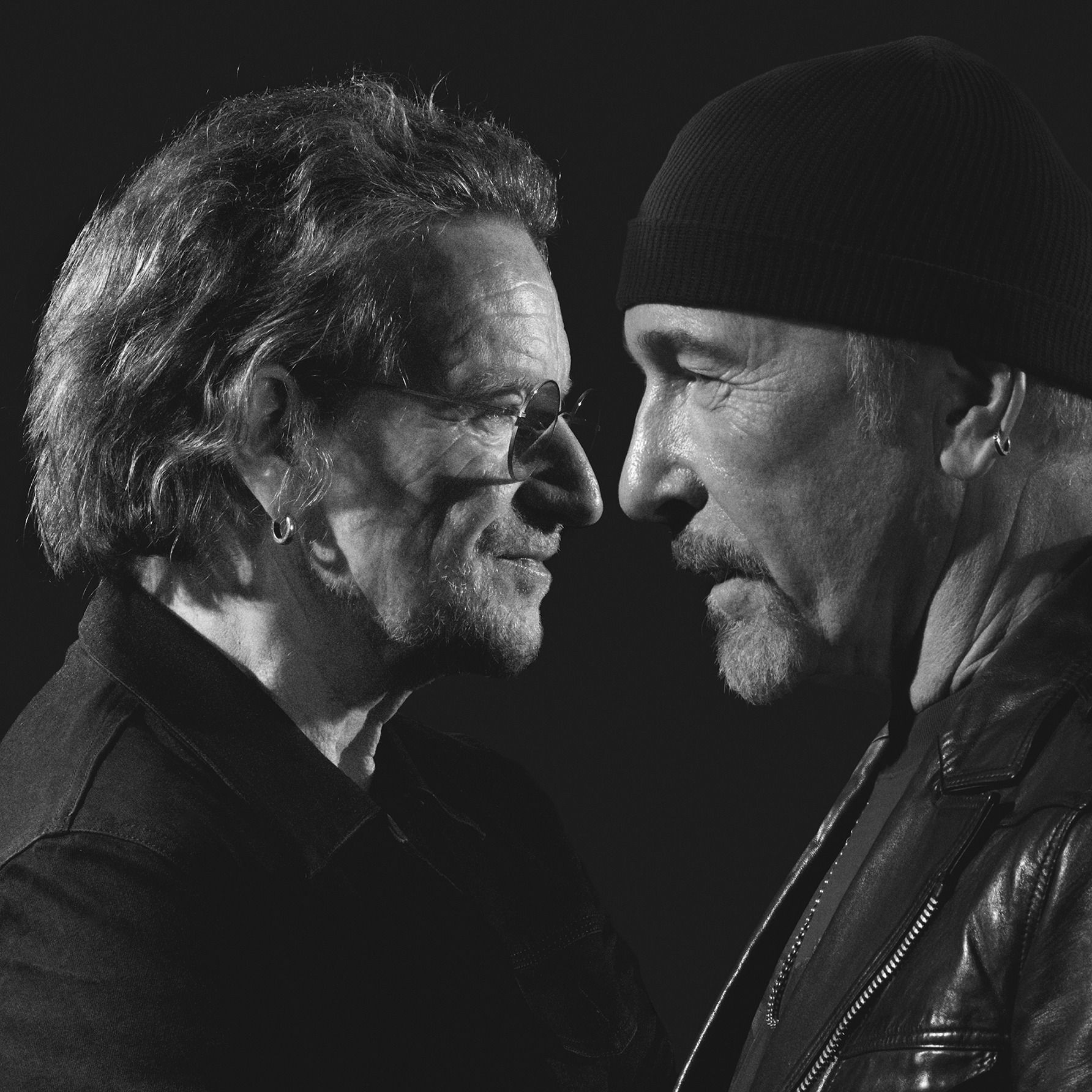
50 Years In, What's the Point of U2? Bono and the Edge Have Answers.
17 oct 20261h 5m<p>The longtime friends and creative partners on what U2 still means — and what would make them call it quits.</p><ul><li>Thoughts? Email us at <strong>theinterview@nytimes.com</strong></li><li>Watch our show on YouTube: <a href="https://www.youtube.com/@theinterviewpodcast" rel="noopener noreferrer"><strong>youtube.com/@TheInterviewPodcast</strong></a></li><li>For transcripts and more, visit: <a href="https://www.nytimes.com/column/the-interview" rel="noopener noreferrer"><strong>nytimes.com/theinterview</strong></a></li></ul> <p><p>For more information on today’s episode, visit <a href="http://nytimes.com/thedaily?smid=pc-thedaily"><strong>nytimes.com/thedaily</strong></a>. Transcripts of each episode will be made available by the next workday. </p><p> </p><p>Subscribe today at <a href="http://nytimes.com/podcasts">nytimes.com/podcasts</a> or on Apple Podcasts, Spotify and Amazon Music. You can also subscribe via your favorite podcast app here <a href="https://www.nytimes.com/activate-access/audio?source=podcatcher">https://www.nytimes.com/activate-access/audio?source=podcatcher</a>. For more podcasts and narrated articles, download The New York Times app at nytimes.com/app.</p></p><br/> <p>Hosted by Simplecast, an AdsWizz company. See <a href="https://pcm.adswizz.com">pcm.adswizz.com</a> for information about our collection and use of personal data for advertising.</p>

MAGA's Midterm Defectors
16 oct 202628 min<p>Perhaps no American feels the domestic effects of the war, tariffs and inflation more than the Iowa farmer. The political environment stirred up by those farmers’ strife could allow the Democrats to seize the moment and elect one of theirs to the Senate or the governor’s mansion for the first time in 20 years — making Iowa potentially one of the most important states on the map this midterm cycle.</p><p>Today, we follow Caleb Renner, a young farmer in north central Iowa, as he shows the effects of the past two years on his community and talks about why those effects may lead him to turn on the Republican Party for the first time, and whether that will translate into support for Democrats.</p><p>Guest: Caleb Renner, a farmer in Klemme, Iowa.</p><p>Background reading: </p><ul><li>Who’s winning <a href="https://www.nytimes.com/2026/09/28/us/whos-winning-the-race-for-congress.html" target="_blank" rel="noopener noreferrer">the race for Congress?</a></li><li><a href="https://www.nytimes.com/2026/09/24/us/politics/trump-republicans-midterms-break.html" target="_blank" rel="noopener noreferrer">‘Survival Mode Time’</a>: Republicans accelerate their break with Trump.</li></ul><p>Photo: KC McGinnis for The New York Times</p><p>For more information on today’s episode, visit <a href="http://nytimes.com/thedaily?smid=pc-thedaily" rel="noopener noreferrer">nytimes.com/thedaily</a>. Transcripts of each episode will be made available by the next workday. </p> <p><p>For more information on today’s episode, visit <a href="http://nytimes.com/thedaily?smid=pc-thedaily"><strong>nytimes.com/thedaily</strong></a>. Transcripts of each episode will be made available by the next workday. </p><p> </p><p>Subscribe today at <a href="http://nytimes.com/podcasts">nytimes.com/podcasts</a> or on Apple Podcasts, Spotify and Amazon Music. You can also subscribe via your favorite podcast app here <a href="https://www.nytimes.com/activate-access/audio?source=podcatcher">https://www.nytimes.com/activate-access/audio?source=podcatcher</a>. For more podcasts and narrated articles, download The New York Times app at nytimes.com/app.</p></p><br/> <p>Hosted by Simplecast, an AdsWizz company. See <a href="https://pcm.adswizz.com">pcm.adswizz.com</a> for information about our collection and use of personal data for advertising.</p>

The Republican Strategy to Salvage the Midterms
15 oct 202634 min<p>With Republicans trailing in the polls, the party is making hard choices about where to spend its money — abandoning some races while pouring resources into others.</p><p>Shane Goldmacher, Nate Cohn and Lisa Lerer, political correspondents for The New York Times, explain why President Trump is campaigning almost daily in deep-red territory, how his influence is shaping the strategy and whether Democrats can win over the disenchanted voters they may need to take back the House and the Senate.</p><p>Guests: </p><ul><li><a href="https://www.nytimes.com/by/shane-goldmacher" target="_blank" rel="noopener noreferrer"><strong>Shane Goldmacher</strong></a>, a national political correspondent for The New York Times.</li><li><a href="https://www.nytimes.com/by/nate-cohn" rel="noopener noreferrer"><strong>Nate Cohn</strong></a>, the chief political analyst for The New York Times.</li><li><a href="https://www.nytimes.com/by/lisa-lerer" target="_blank" rel="noopener noreferrer"><strong>Lisa Lerer</strong></a>, a national political correspondent for The New York Times.</li></ul><p>Background reading: </p><ul><li><a href="https://www.nytimes.com/2026/10/10/us/politics/trump-inflation-midterms-republicans.html" target="_blank" rel="noopener noreferrer">Economic pain and an unpopular Trump</a> have put the G.O.P. on its heels.</li><li>Top Republican groups are <a href="https://www.nytimes.com/2026/10/13/us/politics/top-gop-groups-pull-support-from-first-house-incumbents.html" target="_blank" rel="noopener noreferrer">pulling support from two House incumbents.</a></li></ul><p>Photo: Kenny Holston/The New York Times</p><p>For more information on today’s episode, visit <a href="http://nytimes.com/thedaily?smid=pc-thedaily" rel="noopener noreferrer">nytimes.com/thedaily</a>. Transcripts of each episode will be made available by the next workday. </p> <p><p>For more information on today’s episode, visit <a href="http://nytimes.com/thedaily?smid=pc-thedaily"><strong>nytimes.com/thedaily</strong></a>. Transcripts of each episode will be made available by the next workday. </p><p> </p><p>Subscribe today at <a href="http://nytimes.com/podcasts">nytimes.com/podcasts</a> or on Apple Podcasts, Spotify and Amazon Music. You can also subscribe via your favorite podcast app here <a href="https://www.nytimes.com/activate-access/audio?source=podcatcher">https://www.nytimes.com/activate-access/audio?source=podcatcher</a>. For more podcasts and narrated articles, download The New York Times app at nytimes.com/app.</p></p><br/> <p>Hosted by Simplecast, an AdsWizz company. See <a href="https://pcm.adswizz.com">pcm.adswizz.com</a> for information about our collection and use of personal data for advertising.</p>

The U.S. Tried to Choke Russia’s Energy Market. Then It Made a Diesel Deal.
14 oct 202631 min<p>President Trump announced a deal to purchase Russian diesel fuel and temporarily suspended sanctions in an effort to lower domestic fuel prices amid rising costs from the war in Iran and in anticipation of the upcoming midterms. This abrupt foreign policy shift stunned European allies and drew sharp criticism from Ukraine, which viewed the move as a weakening of Western leverage against Russia.</p><p>Today, Anton Troianovski, a global affairs correspondent for The New York Times, discusses what the deal reveals about the Trump administration’s strategy with Russia, and how much it could actually lower prices at the pump.</p><p>Guest: <a href="https://www.nytimes.com/by/anton-troianovski" target="_blank" rel="noopener noreferrer"><strong>Anton Troianovski</strong></a>, a global affairs correspondent for The New York Times who writes about foreign policy, national security and America’s place in the world.</p><p>Background reading: Trump faces a new <a href="https://www.nytimes.com/2026/10/12/world/europe/russia-ukraine-war-us-diesel-deal-negotiations.html?searchResultPosition=1" target="_blank" rel="noopener noreferrer">crisis over Ukraine following the Russian diesel deal</a>.</p><p>Photo: Igor Grussak/picture alliance via Getty Images</p><p>For more information on today’s episode, visit <a href="http://nytimes.com/thedaily?smid=pc-thedaily" rel="noopener noreferrer">nytimes.com/thedaily</a>. Transcripts of each episode will be made available by the next workday. </p> <p><p>For more information on today’s episode, visit <a href="http://nytimes.com/thedaily?smid=pc-thedaily"><strong>nytimes.com/thedaily</strong></a>. Transcripts of each episode will be made available by the next workday. </p><p> </p><p>Subscribe today at <a href="http://nytimes.com/podcasts">nytimes.com/podcasts</a> or on Apple Podcasts, Spotify and Amazon Music. You can also subscribe via your favorite podcast app here <a href="https://www.nytimes.com/activate-access/audio?source=podcatcher">https://www.nytimes.com/activate-access/audio?source=podcatcher</a>. For more podcasts and narrated articles, download The New York Times app at nytimes.com/app.</p></p><br/> <p>Hosted by Simplecast, an AdsWizz company. See <a href="https://pcm.adswizz.com">pcm.adswizz.com</a> for information about our collection and use of personal data for advertising.</p>

When A.I. Comes for Your Purpose in Life
13 oct 202633 min<p>Artificial intelligence has gone from struggling with basic arithmetic to helping solve some of mathematics’ most famous open problems — and the field is reckoning with what that means.</p><p>Steven Strogatz, a professor of mathematics at Cornell University, describes the excitement and grief of watching A.I. take on work that gives people a sense of purpose — and asks what could be lost if machines deliver answers without the human struggle, insight and understanding that make solving problems meaningful.</p><p>Guest: <a href="https://www.nytimes.com/by/steven-strogatz" target="_blank" rel="noopener noreferrer"><strong>Steven Strogatz</strong></a>, a professor of mathematics at Cornell University who writes for The New York Times about the future of research.</p><p>Background reading: </p><ul><li><a href="https://www.nytimes.com/2026/09/22/science/math-ai-history-understanding.html" target="_blank" rel="noopener noreferrer">Mathematics isn’t just a game to let A.I. solve</a> — history shows why.</li><li>A.I. is mastering the kinds of projects that have long helped to build the careers of young mathematicians. <a href="https://www.nytimes.com/2026/06/08/science/ai-scoop-young-mathematicians.html?searchResultPosition=4" target="_blank" rel="noopener noreferrer">What does that mean for their future?</a></li><li>Steven Strogatz’s forthcoming book: <a href="https://www.stevenstrogatz.com/books/big-math-the-hidden-codes-that-run-our-world" target="_blank" rel="noopener noreferrer">Big Math</a>.</li></ul><p>Photo: Ian C. Bates for The New York Times</p><p>For more information on today’s episode, visit <a href="http://nytimes.com/thedaily?smid=pc-thedaily" rel="noopener noreferrer">nytimes.com/thedaily</a>. Transcripts of each episode will be made available by the next workday. </p> <p><p>For more information on today’s episode, visit <a href="http://nytimes.com/thedaily?smid=pc-thedaily"><strong>nytimes.com/thedaily</strong></a>. Transcripts of each episode will be made available by the next workday. </p><p> </p><p>Subscribe today at <a href="http://nytimes.com/podcasts">nytimes.com/podcasts</a> or on Apple Podcasts, Spotify and Amazon Music. You can also subscribe via your favorite podcast app here <a href="https://www.nytimes.com/activate-access/audio?source=podcatcher">https://www.nytimes.com/activate-access/audio?source=podcatcher</a>. For more podcasts and narrated articles, download The New York Times app at nytimes.com/app.</p></p><br/> <p>Hosted by Simplecast, an AdsWizz company. See <a href="https://pcm.adswizz.com">pcm.adswizz.com</a> for information about our collection and use of personal data for advertising.</p>

The Israeli Film Directors Pushing for a Reckoning in Their Home Country
12 oct 202632 min<p>The documentary film “NAZA,” which investigates the methods the Israeli military has used in the war in Gaza since the Hamas-led attacks on Oct. 7, 2023, received a record-breaking standing ovation at the Venice Film Festival last month. Just a few days later, Prime Minister Benjamin Netanyahu said he would propose legislation that could revoke the directors’ Israeli citizenship, arguing that they had defamed their country.</p><p>Now, with a global theatrical release underway, the directors spoke with “The Daily” to discuss the film and all the pushback that it — and they — have experienced.</p><p>Guest: </p><ul><li>Rachel Szor, an Israeli investigative journalist, film director and activist.</li><li>Yuval Abraham, an Israeli investigative journalist, film director and Arabic-Hebrew translator.</li></ul><p>Background reading: </p><ul><li>After accolades abroad, <a href="https://www.nytimes.com/2026/09/14/world/middleeast/israel-naza-documentary-backlash.html?searchResultPosition=3" target="_blank" rel="noopener noreferrer">“NAZA” met backlash at home</a>.</li><li>Read The Times’s <a href="https://www.nytimes.com/2026/09/30/movies/naza-review.html" target="_blank" rel="noopener noreferrer">review of the film</a>.</li></ul><p>Photo: Stefano Rellandini/Agence France-Presse — Getty Images, The Guardian/IFC Center, Ander Gillenea/Agence France-Presse — Getty Images</p> <p><p>For more information on today’s episode, visit <a href="http://nytimes.com/thedaily?smid=pc-thedaily"><strong>nytimes.com/thedaily</strong></a>. Transcripts of each episode will be made available by the next workday. </p><p> </p><p>Subscribe today at <a href="http://nytimes.com/podcasts">nytimes.com/podcasts</a> or on Apple Podcasts, Spotify and Amazon Music. You can also subscribe via your favorite podcast app here <a href="https://www.nytimes.com/activate-access/audio?source=podcatcher">https://www.nytimes.com/activate-access/audio?source=podcatcher</a>. For more podcasts and narrated articles, download The New York Times app at nytimes.com/app.</p></p><br/> <p>Hosted by Simplecast, an AdsWizz company. See <a href="https://pcm.adswizz.com">pcm.adswizz.com</a> for information about our collection and use of personal data for advertising.</p>

Celine Dion’s Triumphant Return to the Stage
11 oct 202639 min<p>A dramatic pop music comeback story is underway: Celine Dion is performing again.</p><p>In 2022, Dion, the renowned Canadian singer, announced that she had stiff person syndrome, a rare and incurable neurological disorder that causes painful muscle spasms and affects roughly one in a million people. The announcement came as a shock to her fans, and in a raw and revealing documentary released in 2024, “I Am: Celine Dion," she shared her struggle to overcome her condition, and sing again. But Dion worked her way back to performing, and is now appearing in a run of sold out shows in Paris.</p><p>The culture reporter Elisabeth Vincentelli was there on opening night, and in this episode of “The Sunday Daily,” she talks with our host Natalie Kitroeff about the remarkable comeback of Celine Dion.</p><p><strong>On Today’s Episode:</strong></p><ul><li><a href="https://www.nytimes.com/by/elisabeth-vincentelli" rel="noopener noreferrer"><strong>Elisabeth Vincentelli</strong></a>, an arts, culture, and theater journalist.</li></ul><p><strong>Background Reading:</strong></p><ul><li><a href="https://www.nytimes.com/2026/09/13/arts/music/celine-dion-paris-comeback-concert.html" target="_blank" rel="noopener noreferrer">Celine Dion Is Back Onstage. Naturally, She Chose Paris.</a></li><li><a href="https://www.nytimes.com/2026/09/22/world/europe/celine-dion-tour-paris.html" target="_blank" rel="noopener noreferrer">Paris Really, Really Loves Celine Dion</a></li></ul><p>Photo credit: Clementine Schneidermann for The New York Times.</p> <p><p>For more information on today’s episode, visit <a href="http://nytimes.com/thedaily?smid=pc-thedaily"><strong>nytimes.com/thedaily</strong></a>. Transcripts of each episode will be made available by the next workday. </p><p> </p><p>Subscribe today at <a href="http://nytimes.com/podcasts">nytimes.com/podcasts</a> or on Apple Podcasts, Spotify and Amazon Music. You can also subscribe via your favorite podcast app here <a href="https://www.nytimes.com/activate-access/audio?source=podcatcher">https://www.nytimes.com/activate-access/audio?source=podcatcher</a>. For more podcasts and narrated articles, download The New York Times app at nytimes.com/app.</p></p><br/> <p>Hosted by Simplecast, an AdsWizz company. See <a href="https://pcm.adswizz.com">pcm.adswizz.com</a> for information about our collection and use of personal data for advertising.</p>

She’s Been to Gaza. She Met With the Iranians. Now She Has a Warning.
10 oct 202642 min<p>As the head of the International Committee of the Red Cross, Mirjana Spoljaric goes to both sides of conflicts. She’s worried that our warring world is spiraling out of control.</p><ul><li>Thoughts? Email us at <strong>theinterview@nytimes.com</strong></li><li>Watch our show on YouTube: <a href="https://www.youtube.com/@theinterviewpodcast" rel="noopener noreferrer"><strong>youtube.com/@TheInterviewPodcast</strong></a></li><li>For transcripts and more, visit: <a href="https://www.nytimes.com/column/the-interview" rel="noopener noreferrer"><strong>nytimes.com/theinterview</strong></a></li></ul> <p><p>For more information on today’s episode, visit <a href="http://nytimes.com/thedaily?smid=pc-thedaily"><strong>nytimes.com/thedaily</strong></a>. Transcripts of each episode will be made available by the next workday. </p><p> </p><p>Subscribe today at <a href="http://nytimes.com/podcasts">nytimes.com/podcasts</a> or on Apple Podcasts, Spotify and Amazon Music. You can also subscribe via your favorite podcast app here <a href="https://www.nytimes.com/activate-access/audio?source=podcatcher">https://www.nytimes.com/activate-access/audio?source=podcatcher</a>. For more podcasts and narrated articles, download The New York Times app at nytimes.com/app.</p></p><br/> <p>Hosted by Simplecast, an AdsWizz company. See <a href="https://pcm.adswizz.com">pcm.adswizz.com</a> for information about our collection and use of personal data for advertising.</p>

Why France Is in Crisis
9 oct 202626 min<p>For weeks, thousands of high school students in France have been out in the streets protesting the conditions of public schools. They want better funding, something that won’t be easy with the current state of French finances.</p><p>Mark Landler, the Paris bureau chief, explains why after years of overspending, France is in crisis, and is driving toward a fiscal cliff.</p><p>Guest: <a href="https://www.nytimes.com/by/mark-landler" target="_blank" rel="noopener noreferrer"><strong>Mark Landler</strong></a>, the Paris bureau chief of The New York Times.</p><p>Background reading: </p><ul><li>France’s<a href="https://www.nytimes.com/2026/10/08/business/france-bond-yields.html" target="_blank" rel="noopener noreferrer"> debt problem</a> is a warning to the world.</li><li>Understand the country’s <a href="https://www.nytimes.com/2026/10/06/world/france-student-protests-kenya-robots.html" target="_blank" rel="noopener noreferrer">polycrisis.</a></li><li>For the resurgent far left, the protests are <a href="https://www.nytimes.com/2026/10/08/world/europe/france-protests-far-left-melenchon.html" target="_blank" rel="noopener noreferrer">an opening and a threat.</a></li></ul><p>Photo: Miguel Medina/Agence France-Presse — Getty Images</p> <p><p>For more information on today’s episode, visit <a href="http://nytimes.com/thedaily?smid=pc-thedaily"><strong>nytimes.com/thedaily</strong></a>. Transcripts of each episode will be made available by the next workday. </p><p> </p><p>Subscribe today at <a href="http://nytimes.com/podcasts">nytimes.com/podcasts</a> or on Apple Podcasts, Spotify and Amazon Music. You can also subscribe via your favorite podcast app here <a href="https://www.nytimes.com/activate-access/audio?source=podcatcher">https://www.nytimes.com/activate-access/audio?source=podcatcher</a>. For more podcasts and narrated articles, download The New York Times app at nytimes.com/app.</p></p><br/> <p>Hosted by Simplecast, an AdsWizz company. See <a href="https://pcm.adswizz.com">pcm.adswizz.com</a> for information about our collection and use of personal data for advertising.</p>

A Failed Execution and the Future of the Death Penalty
8 oct 202631 min<p>Christa Pike survived two doses of a lethal injection drug last week during a botched execution in Tennessee.</p><p>Pamela Colloff, who writes for The New York Times Magazine, discusses the waning public support for the death penalty and why despite it some states are doubling down.</p><p>Guest: <strong>Pamela Colloff</strong>, a reporter at ProPublica and a staff writer at The New York Times Magazine.</p><p>Background reading: </p><ul><li><strong>Pamela Colloff</strong>, a reporter at ProPublica and a staff writer at The New York Times Magazine.</li></ul><p>Photo: George Walker IV/Associated Press</p> <p><p>For more information on today’s episode, visit <a href="http://nytimes.com/thedaily?smid=pc-thedaily"><strong>nytimes.com/thedaily</strong></a>. Transcripts of each episode will be made available by the next workday. </p><p> </p><p>Subscribe today at <a href="http://nytimes.com/podcasts">nytimes.com/podcasts</a> or on Apple Podcasts, Spotify and Amazon Music. You can also subscribe via your favorite podcast app here <a href="https://www.nytimes.com/activate-access/audio?source=podcatcher">https://www.nytimes.com/activate-access/audio?source=podcatcher</a>. For more podcasts and narrated articles, download The New York Times app at nytimes.com/app.</p></p><br/> <p>Hosted by Simplecast, an AdsWizz company. See <a href="https://pcm.adswizz.com">pcm.adswizz.com</a> for information about our collection and use of personal data for advertising.</p>