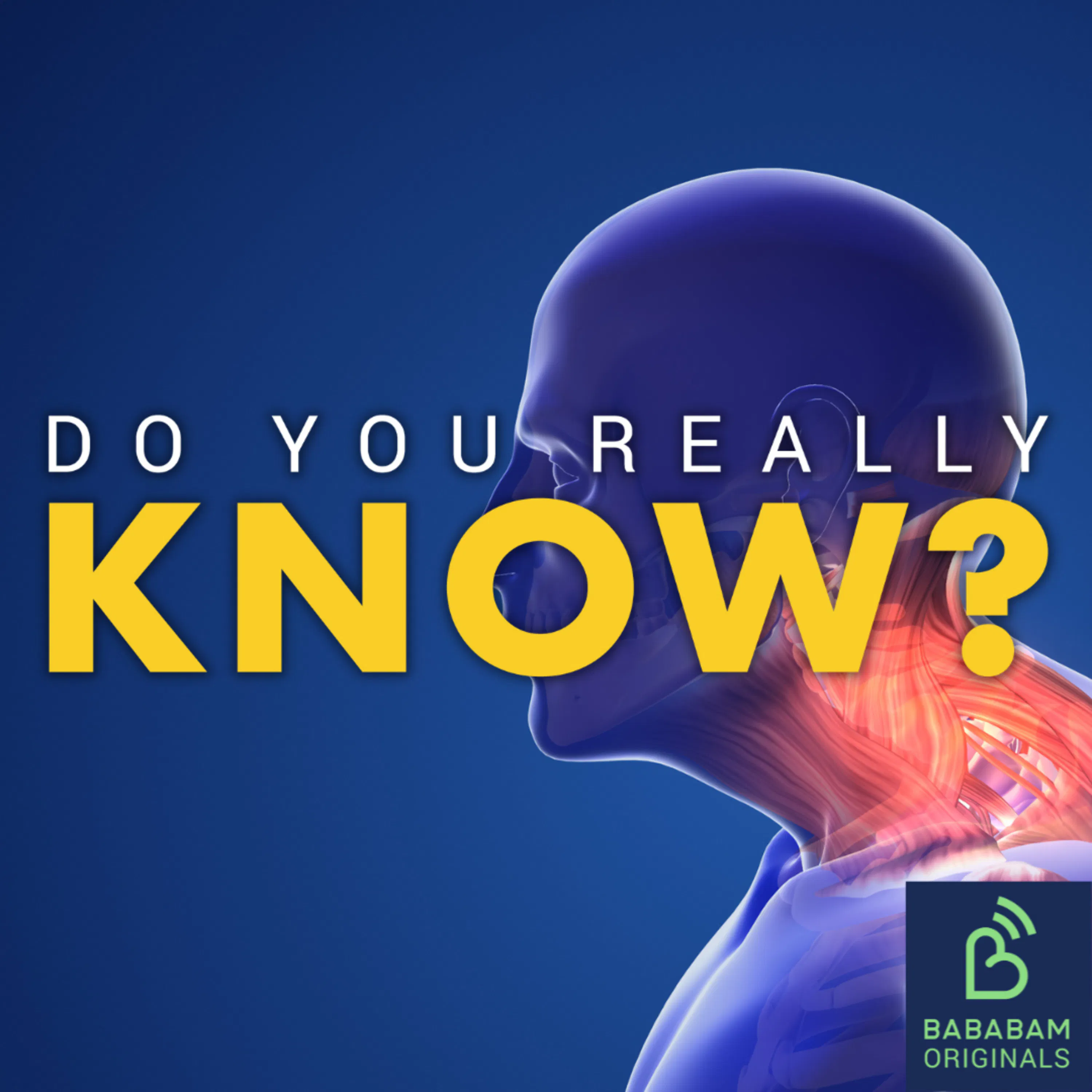
 Do you really know?
  Apri in Hinto
 Su questo episodio
According to data from Finder.com, the average Brit now spends 4 hours and 14 minutes using their smartphone each day. It’s hardly surprising; smartphone use has grown consistently over the last 15 years, to the extent that the devices have become almost like an extension of our arms and hands. Given we tend to hold our phones out in front of us when using them, our heads bow down in quite an unnatural position to look at the screen. And doing so for extended periods can cause posture problems, which is what American chiropractor Dr Dean Fishman realised back in 2008. That was while examining a 17-year-old patient who had booked an appointment for neck pains and headaches. Fishman went on to coin the term “text neck” to describe her condition. What exactly does text neck look like? What’s the difference between text neck and text neck wrinkles? What can people do to avoid bad postures and the complications that they cause? In under 3 minutes, we answer your questions! To listen to the last episodes, you can click here: Why is my circadian rhythm so important? Is it a bad idea to fall asleep in front of screens? How can social media exposure lead to vicarious trauma? A podcast written and realised by Joseph Chance. First Broadcast: 26/6/2024 Learn more about your ad choices. Visit megaphone.fm/adchoices
Ascolta questo episodio in inglese per imparare l'inglese
Gli episodi di podcast sono uno dei modi più densi per assorbire l'inglese al ritmo nativo. Could smartphone use be giving you text neck? di Do you really know? ti dà dialoghi naturali, parlato non scriptato e vocabolario che davvero compare nelle conversazioni reali.
Nell'app Hinto, ogni parola della trascrizione è toccabile. Tocca una parola sconosciuta, vedi la traduzione nella tua lingua all'istante e continua ad ascoltare senza spezzare il flusso.
Episodi per imparare l'inglese
- How many people does it take to start a revolution? 16 set 2026
- What is PimEyes, the powerful tool ending online anonymity? 16 set 2026
- What is Munchausen Syndrome? 16 set 2026
- What is the best time of day to take a shower? 15 set 2026
- Who are the main victims of natural disasters? 15 set 2026
- Could job enrichment make your work more rewarding? 15 set 2026
- Why do we have irrational thoughts at nighttime? 14 set 2026
- What 5 foods can improve brain performance? 14 set 2026
- What does my urine colour say about my health? 14 set 2026
- Could insects replace meat? 13 set 2026
- Is nostalgia good or bad for us? 13 set 2026
- Why is the celibacy movement attracting young people? 13 set 2026
- Could using lube help you get more pleasure from sex? 12 set 2026
- Are our perfumes toxic? 12 set 2026
- How can I recognise a flying monkey, the narcissistic abuser’s best friend? 12 set 2026
- What is Focus Friday? 11 set 2026
- What is the Papageno effect, which helps prevent suicide? 11 set 2026
- What are the health benefits of walking up stairs? 11 set 2026
- Are you a time optimist? 10 set 2026
- Why do you get a stitch in your side? 10 set 2026
- Why is black associated with grief? 10 set 2026
- How can I free myself from negative thoughts? 9 set 2026
- Could Turmeric help indigestion? 9 set 2026
- What happens to your online life after you die? 9 set 2026
- What happens to our bodies when we die? 8 set 2026
- How can I stop snacking? 8 set 2026
- What is sad nipple syndrome? 8 set 2026
- Why do summer romances leave such a mark on us? 7 set 2026
- Do I have poor blood circulation? 7 set 2026
- How can I reduce damp and mould in your home? 7 set 2026